Rewilding Creates Self-Sustaining Yards for 2026
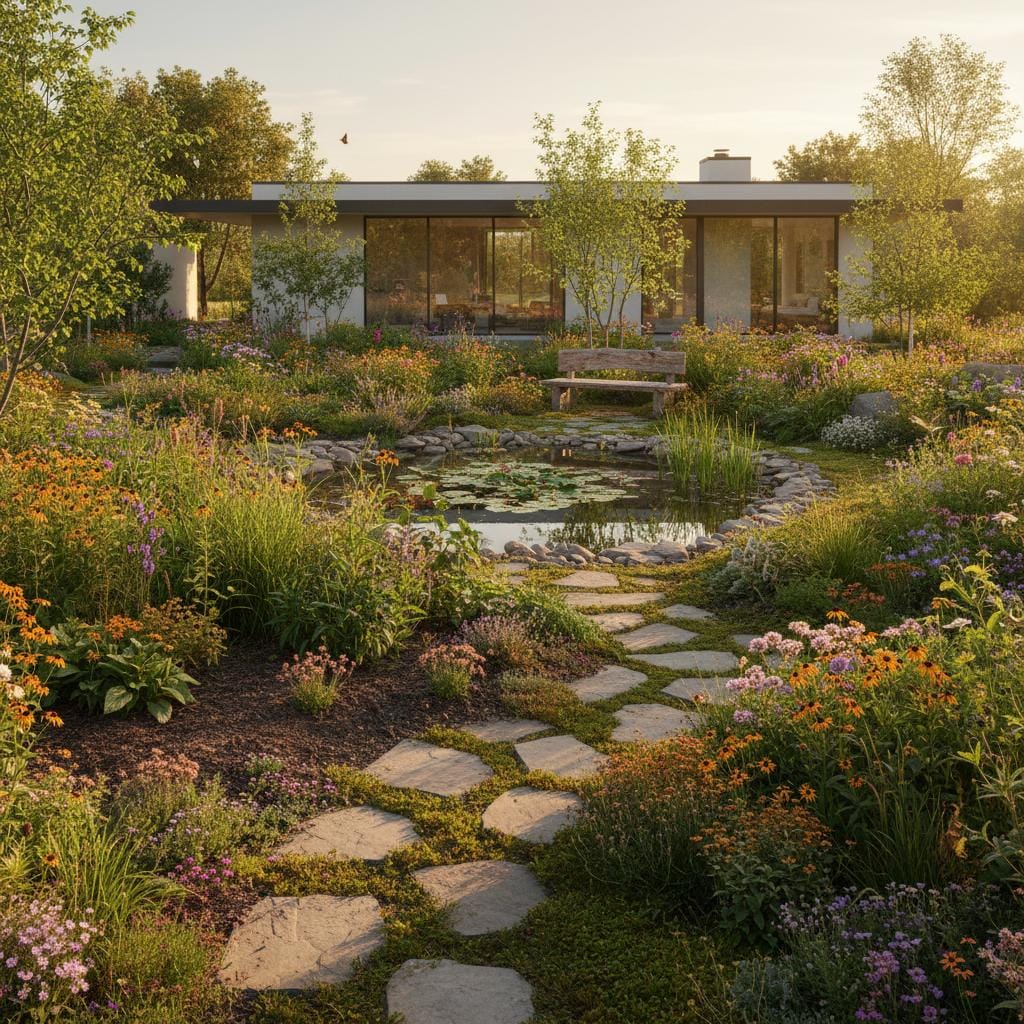
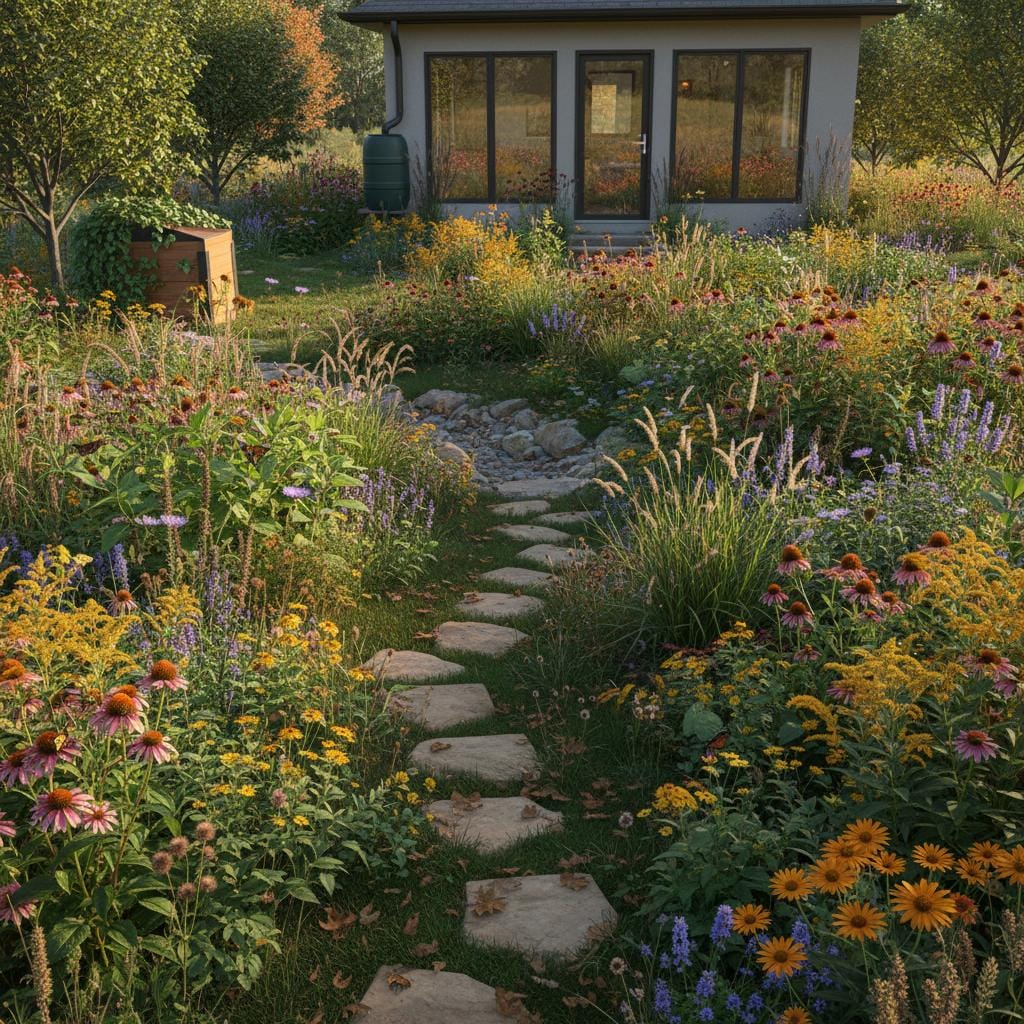
Replace high-maintenance turf with native plants and natural processes. The result is a self-sustaining yard that attracts pollinators, reduces upkeep, and restores local ecosystems.
Articles tagged with rewilding-gardens
Replace high-maintenance turf with native plants and natural processes. The result is a self-sustaining yard that attracts pollinators, reduces upkeep, and restores local ecosystems.
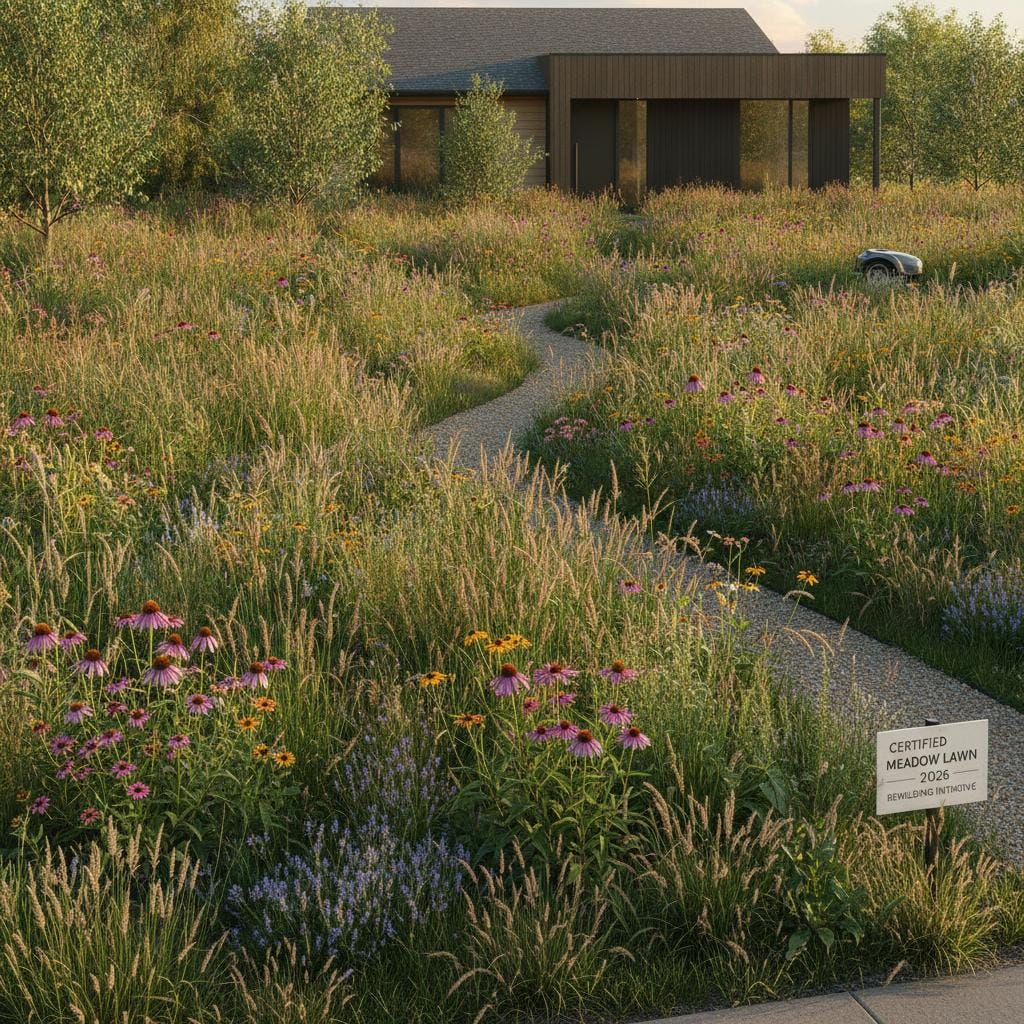
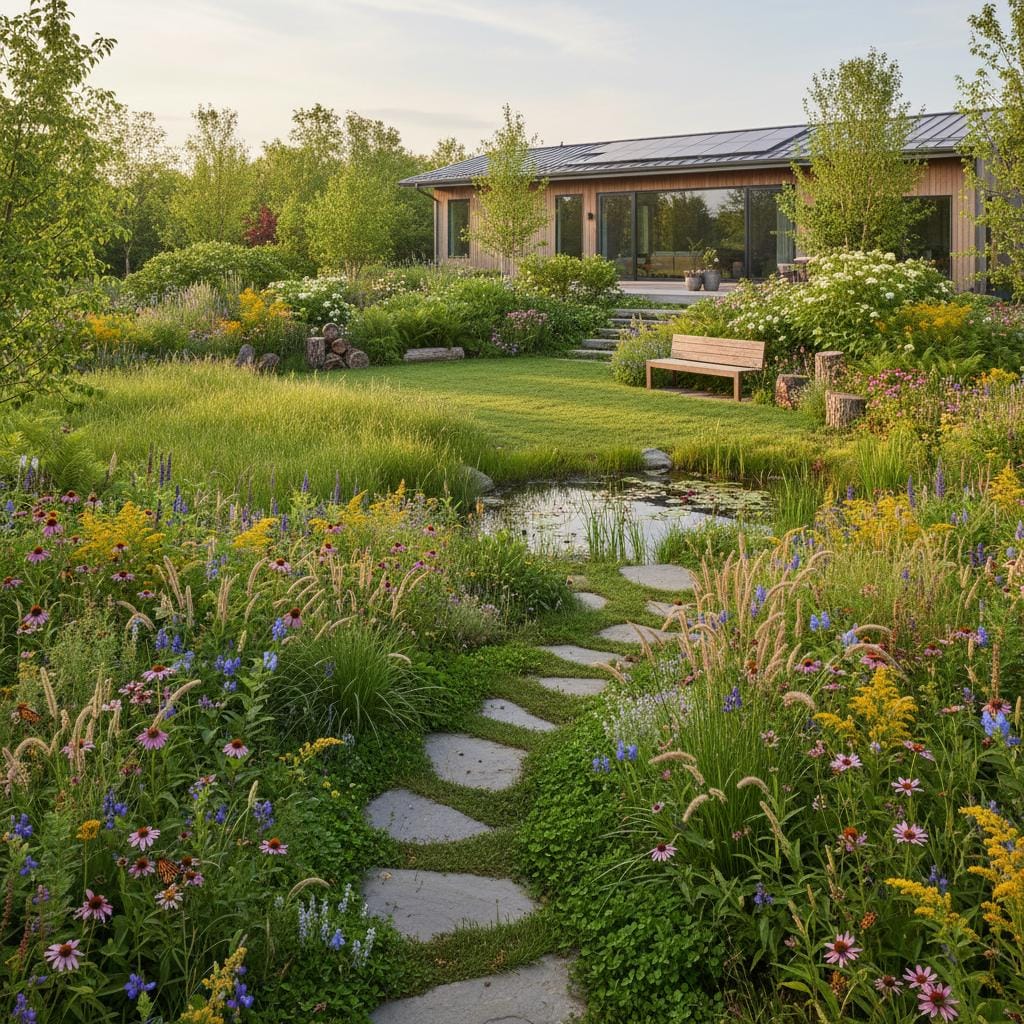
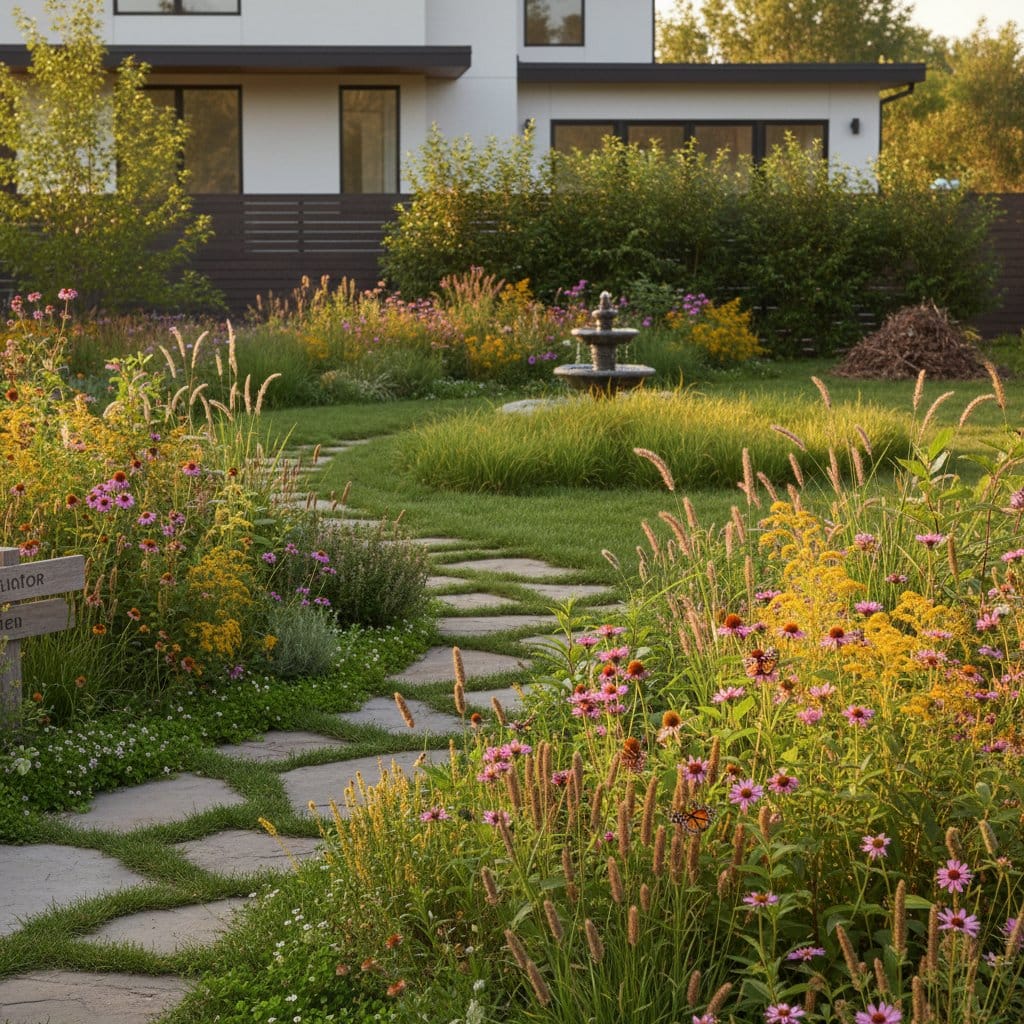
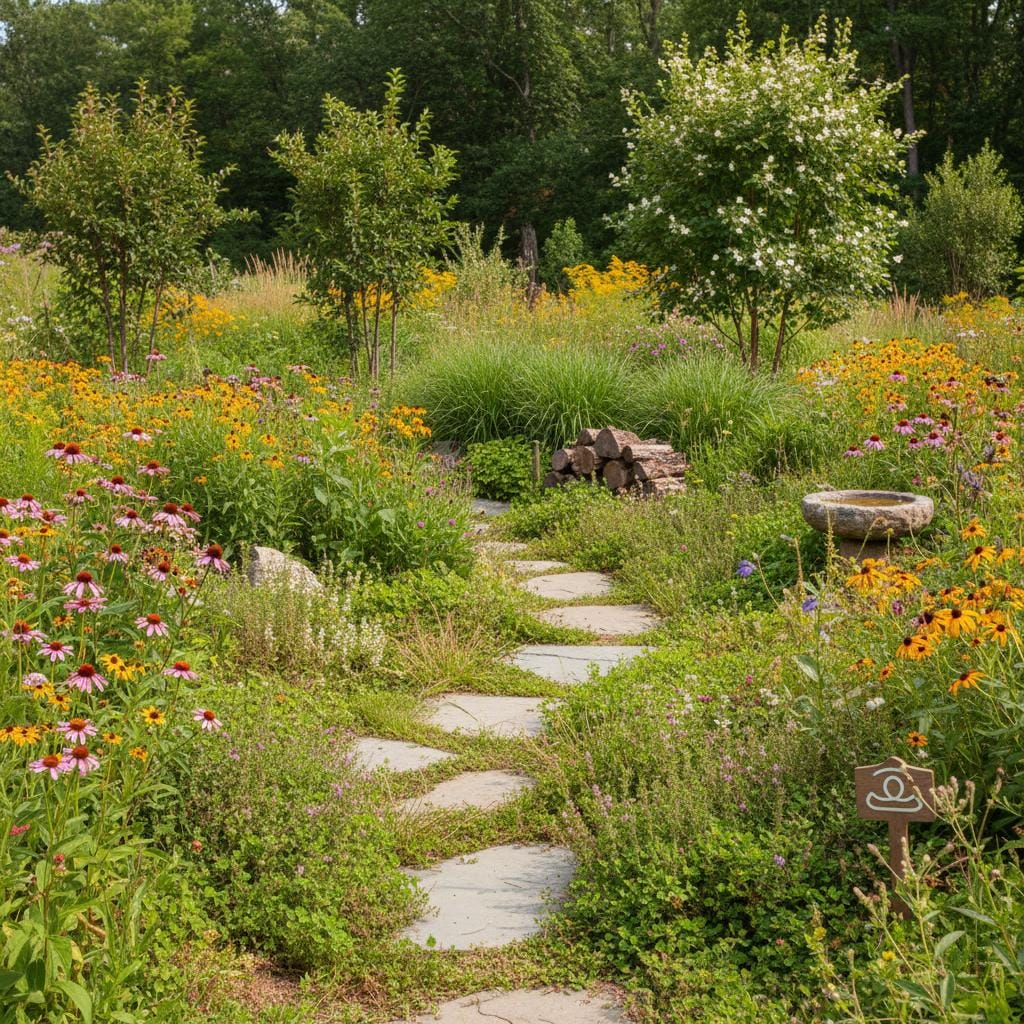
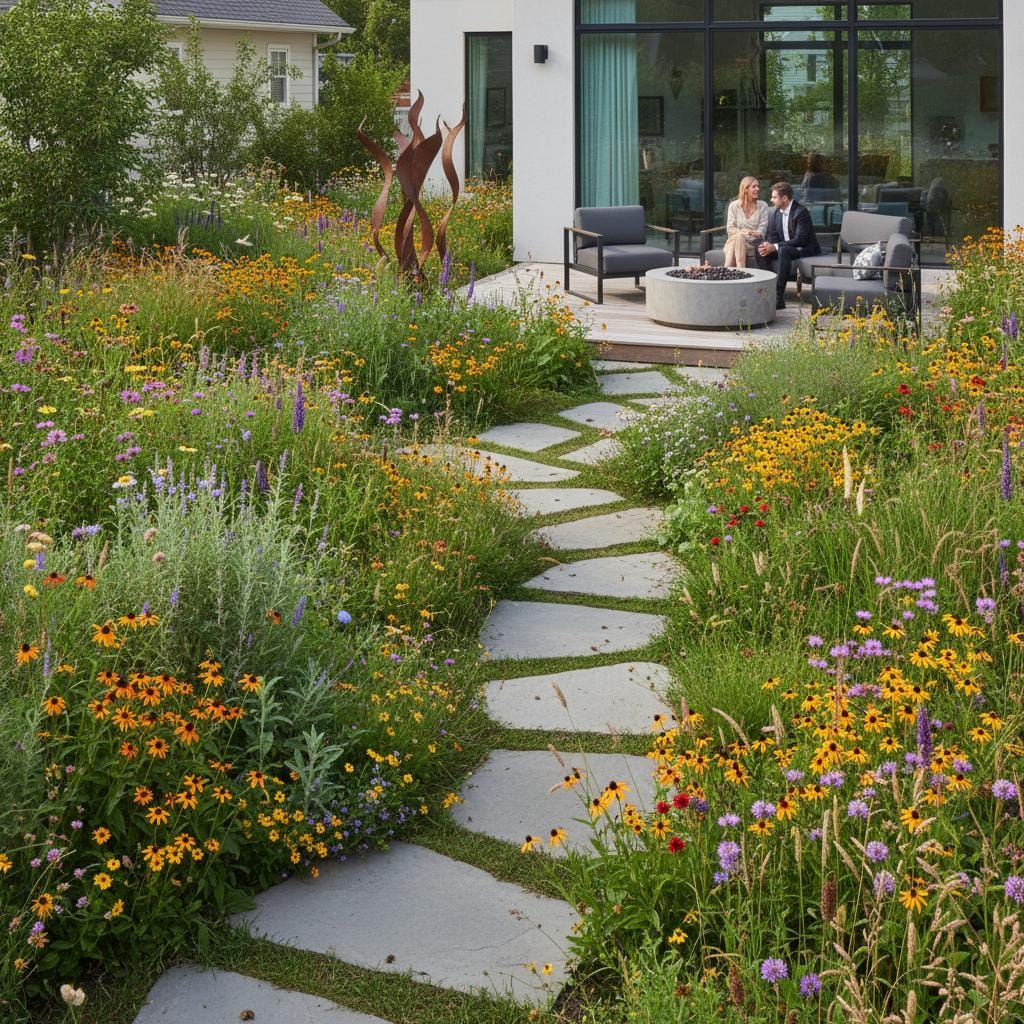
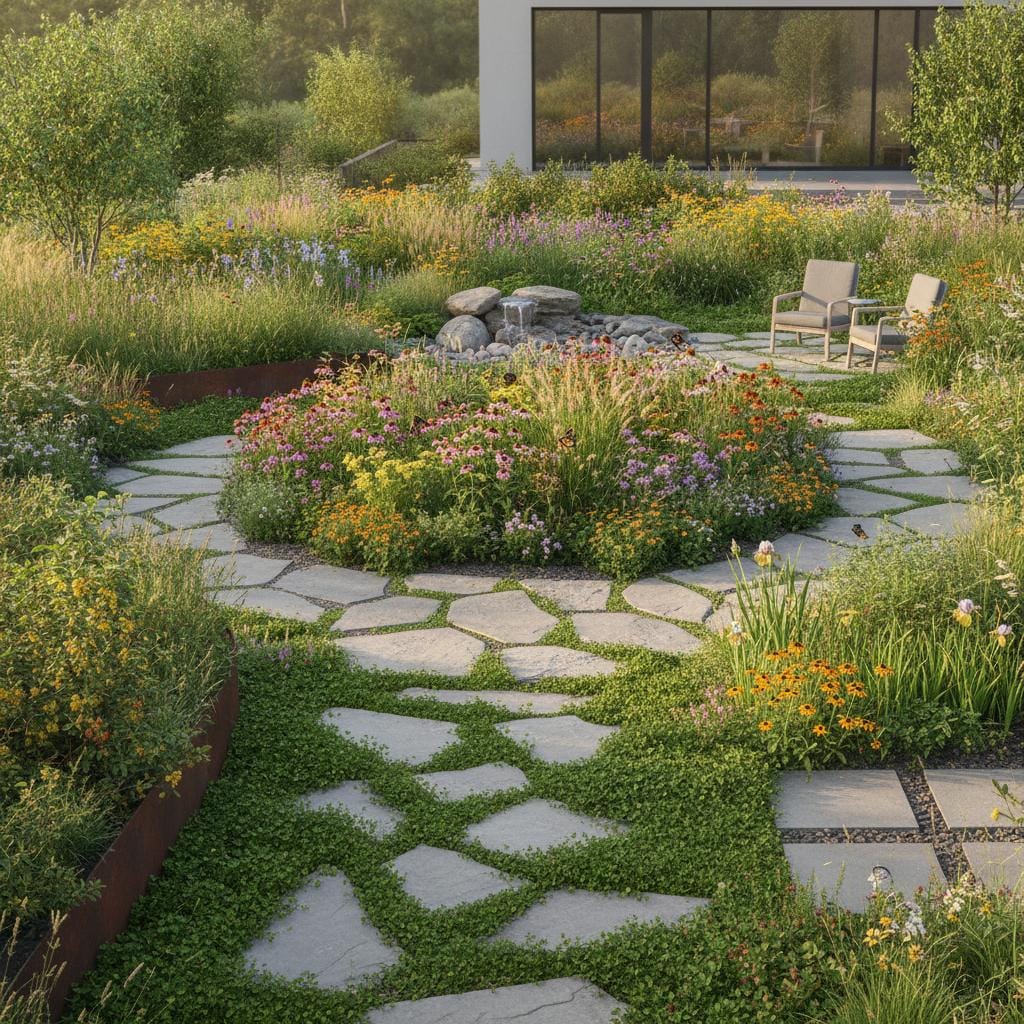
Meadow lawns replace uniform turf with native grasses and wildflowers that cut mowing needs, support pollinators, and deliver seasonal interest with lower inputs.
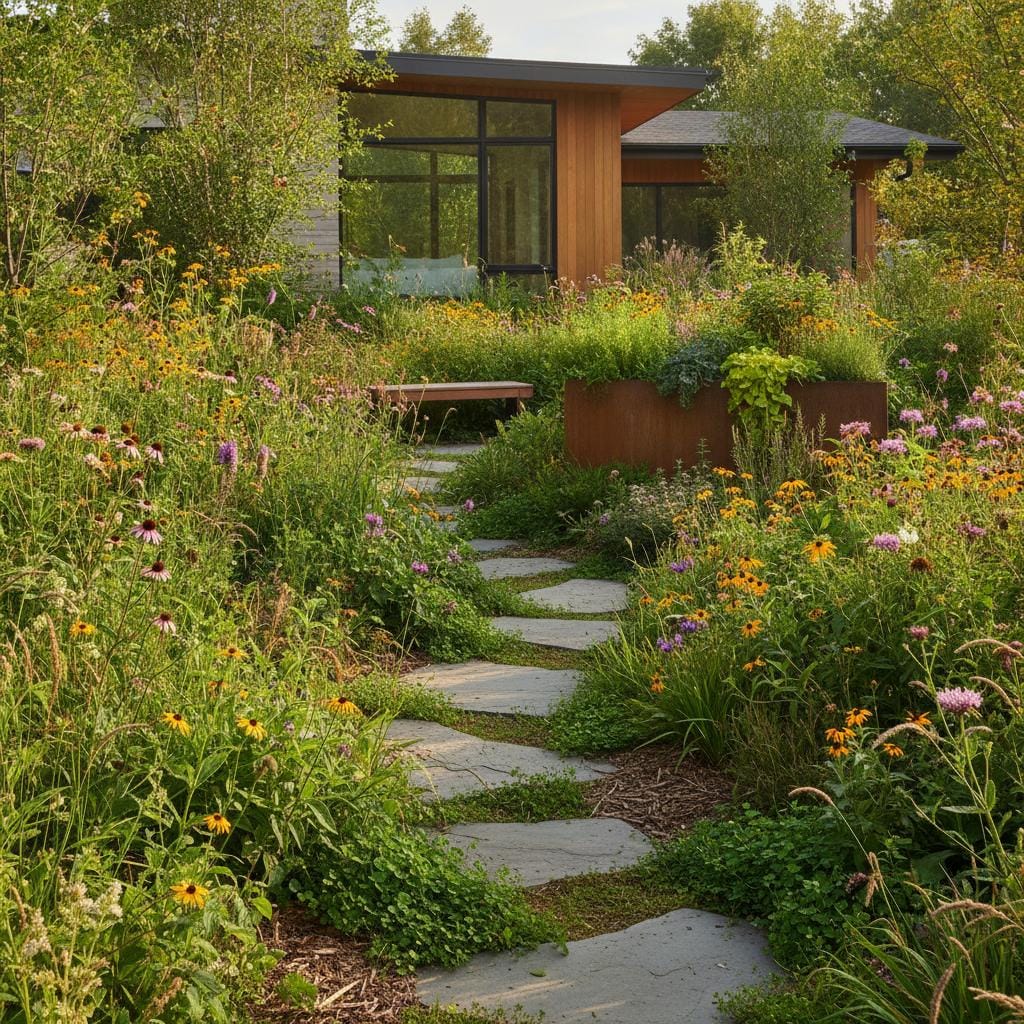
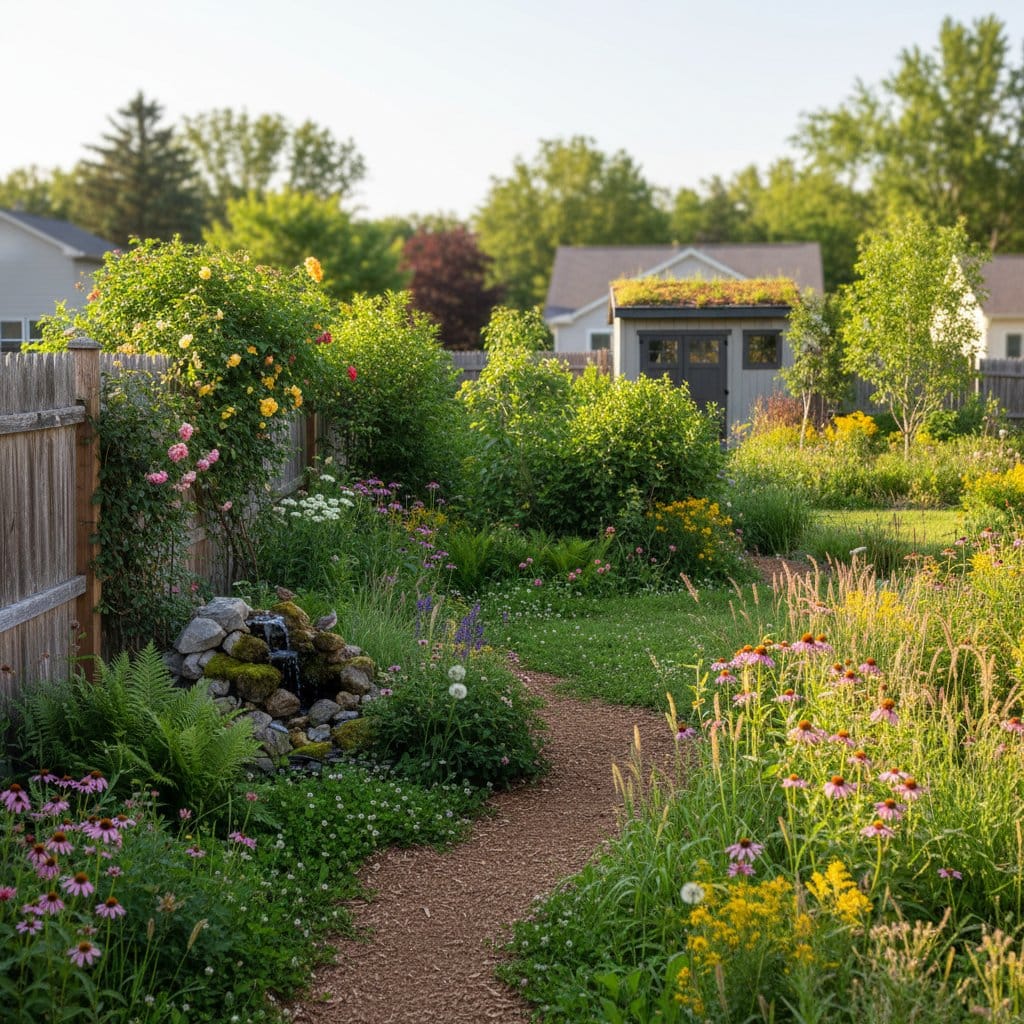
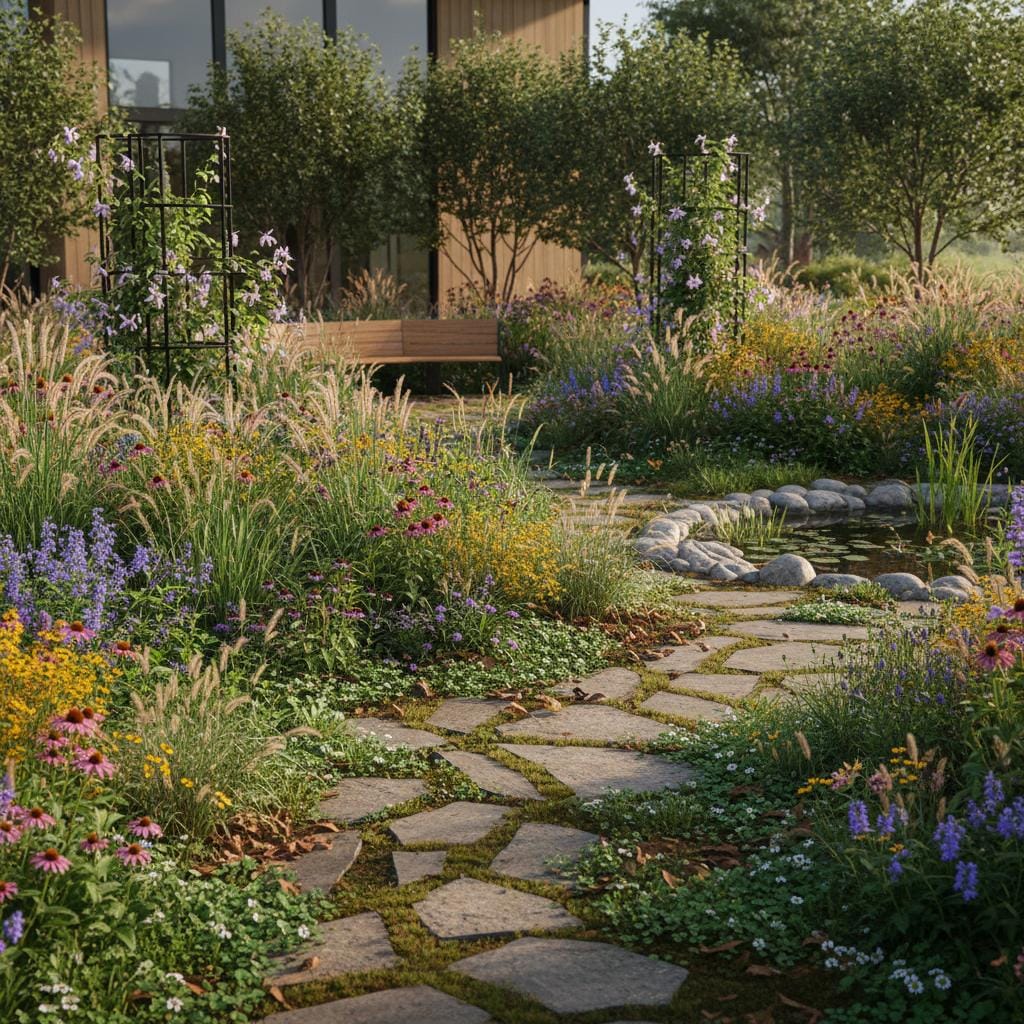
In 2026, messy gardens are redefining beauty by embracing nature rhythms over rigid control. These wild, layered spaces support pollinators, enrich soil, and reduce maintenance while restoring ecological balance. By swapping perfection for purpose, homeowners find sustainability, serenity, and a deeper connection to life thriving just beyond their doors.
The messy garden movement helps homeowners replace manicured lawns with natural beauty and ecological balance. Native plants, layered habitats, and wildlife support turn yards into self-sustaining ecosystems.
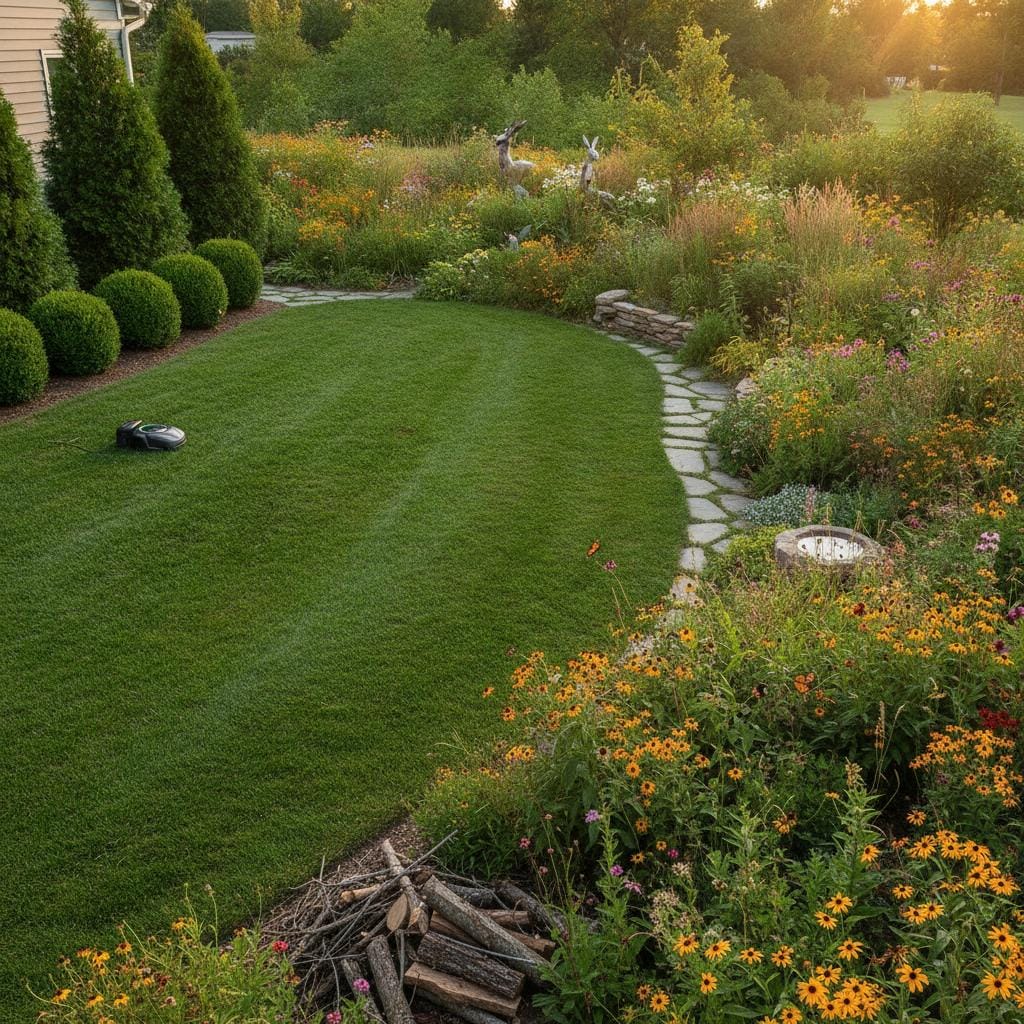
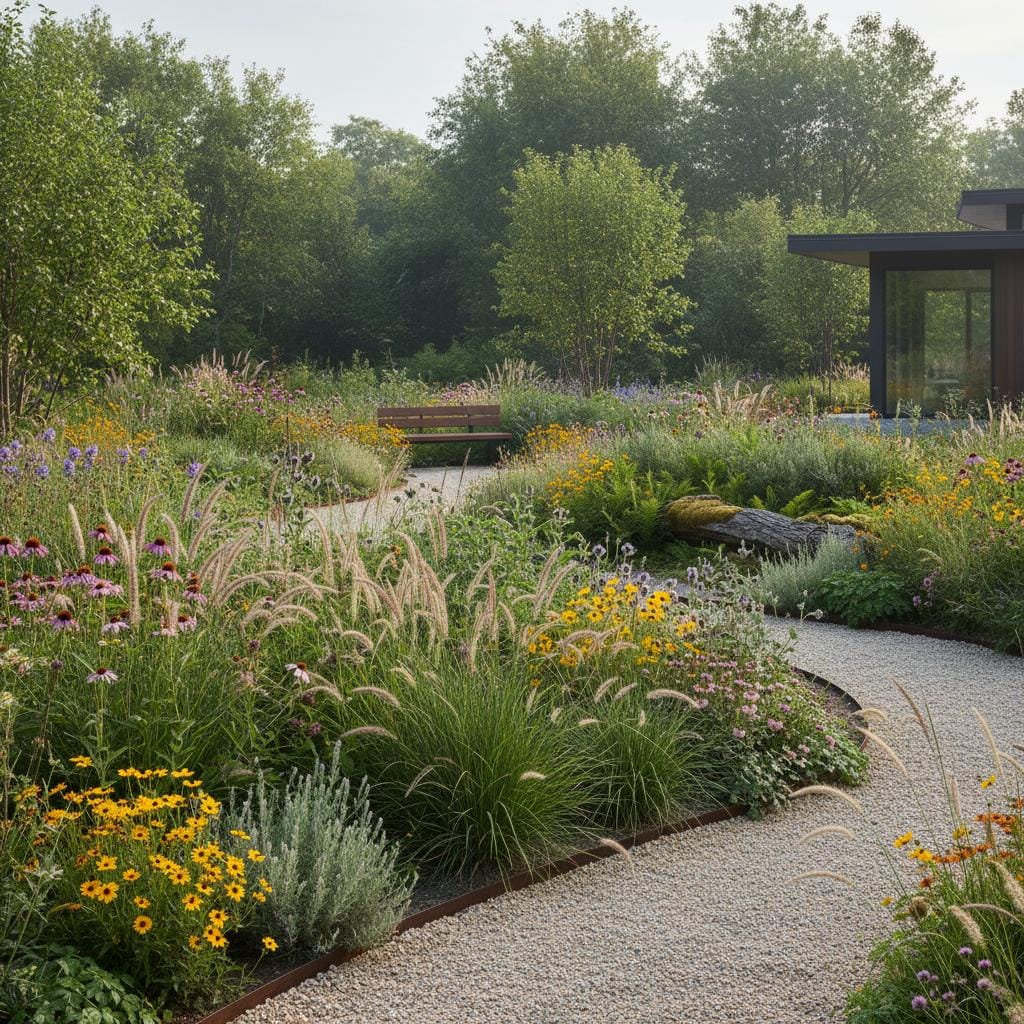
Discover the beauty of controlled chaos, a landscaping approach that balances wildness and intention. By choosing resilient native plants, defining edges, and letting nature guide growth, you create a self-sustaining, low-maintenance yard that thrives naturally, supports wildlife, and celebrates imperfection as part of its effortless, ever-evolving charm.
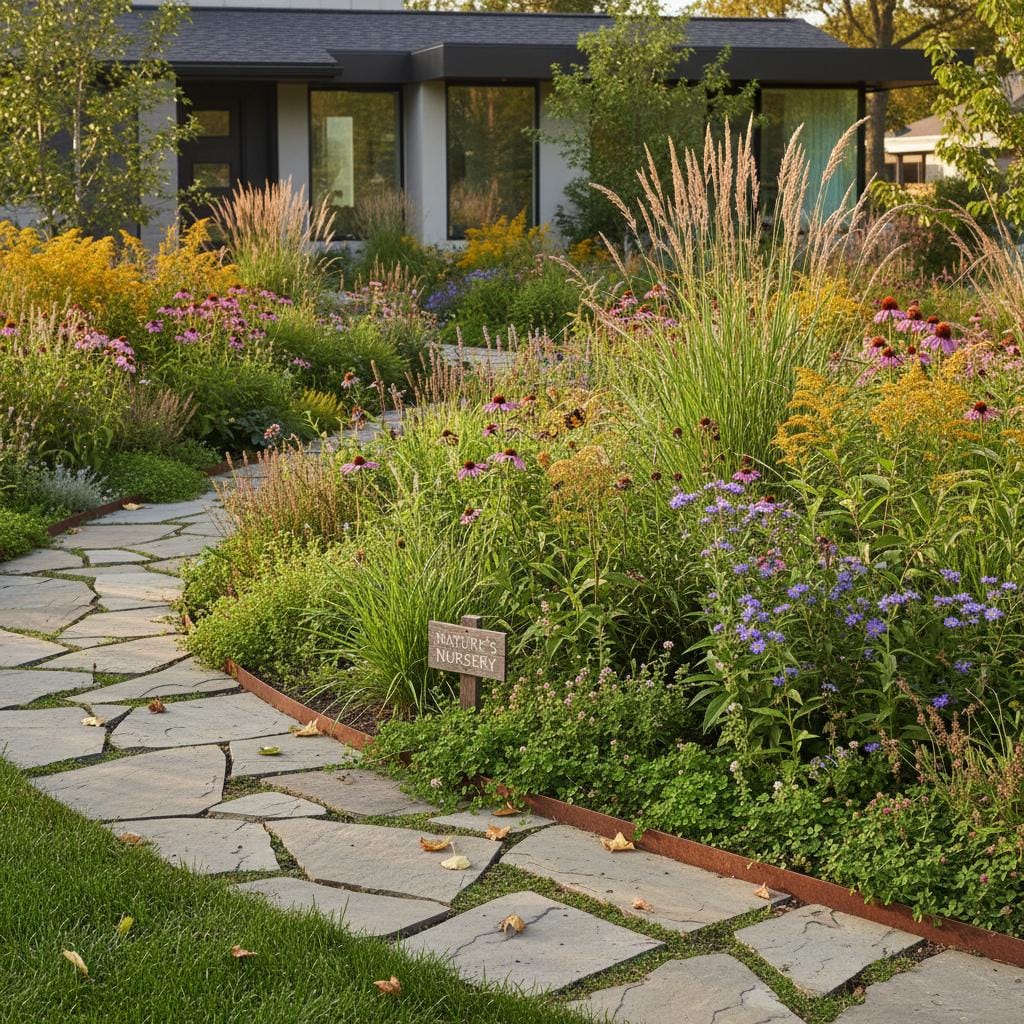
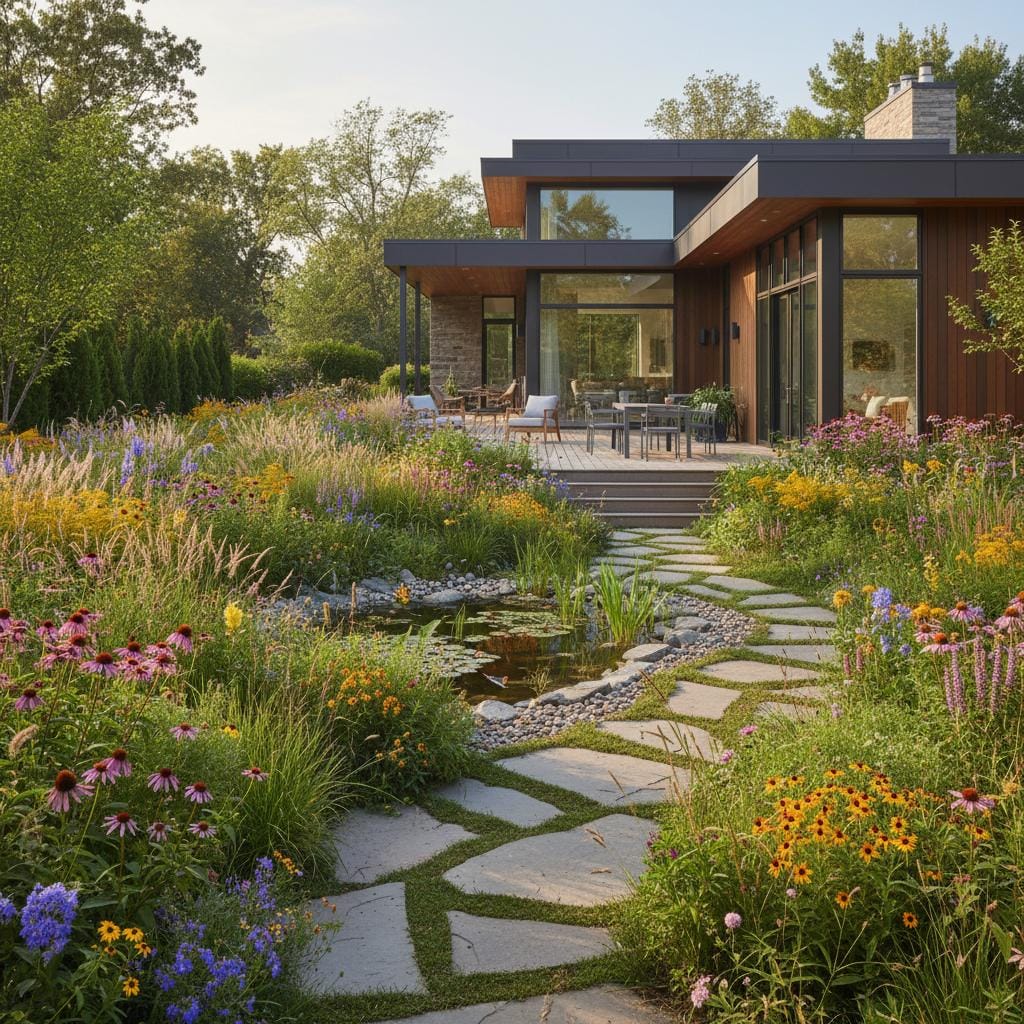
The 2026 rewilding garden trend invites homeowners to trade manicured lawns for living landscapes that nurture biodiversity. By blending native plants, relaxed design, and ecological awareness, rewilded yards balance beauty with sustainability.
Rewilding shifts high-maintenance yards into self-sustaining ecosystems with native plants and natural designs. This method cuts watering, mowing, and chemical use while drawing in pollinators and improving soil. Achieve a beautiful, ecological garden that requires little effort and links your space to the local environment.
Unlock the potential of controlled chaos to turn your yard into a resilient, self-sustaining paradise. Integrate planned elements with natural growth to attract wildlife, cut maintenance, and embrace seasonal beauty through mindful balance.
Rewilding embraces imperfection, converting neat lawns into dynamic ecosystems teeming with pollinators, avifauna, and indigenous flora. Gardeners exchange dominance for synergy, fostering ecological diversity, fertile soils, and personal fulfillment. Learn to cultivate intentional 'mess' for enduring harmony with nature.
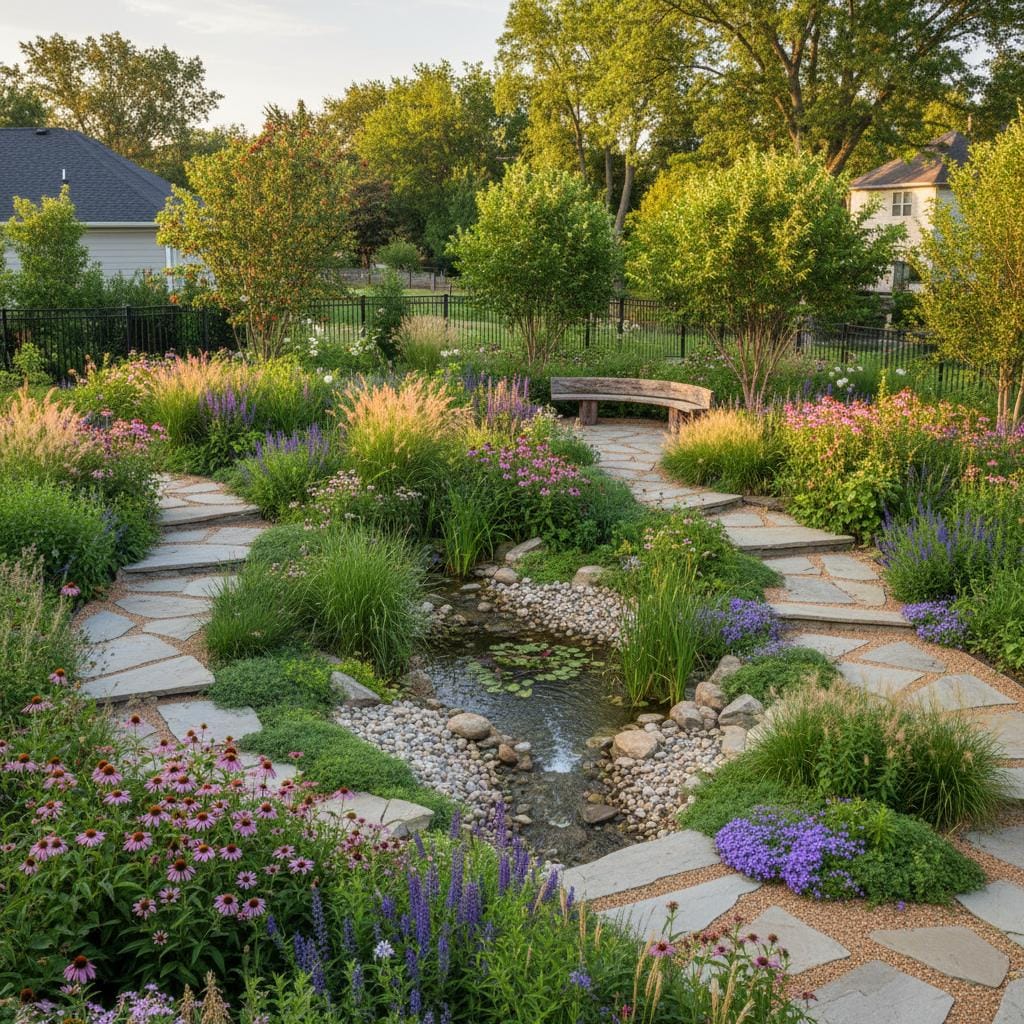
Convert a demanding lawn into a vibrant, self-sustaining ecosystem through rewilding. This approach incorporates native plants, thoughtful zoning, and reduced intervention to foster beauty, bolster pollinators, and cut expenses. Explore strategies for zoning your space, selecting appropriate native species, and nurturing natural processes for a dynamic, eco-friendly yard.
The rise of the messy garden encourages homeowners to allow nature to guide their landscapes. Rewilding promotes biodiversity through native species, reduced chemical use, and inherent charm. This method proves environmentally sound, requires minimal upkeep, and offers financial savings. Learn how adopting natural expansion turns your yard into a vibrant, independent ecosystem that supports wildlife and improves personal wellness.
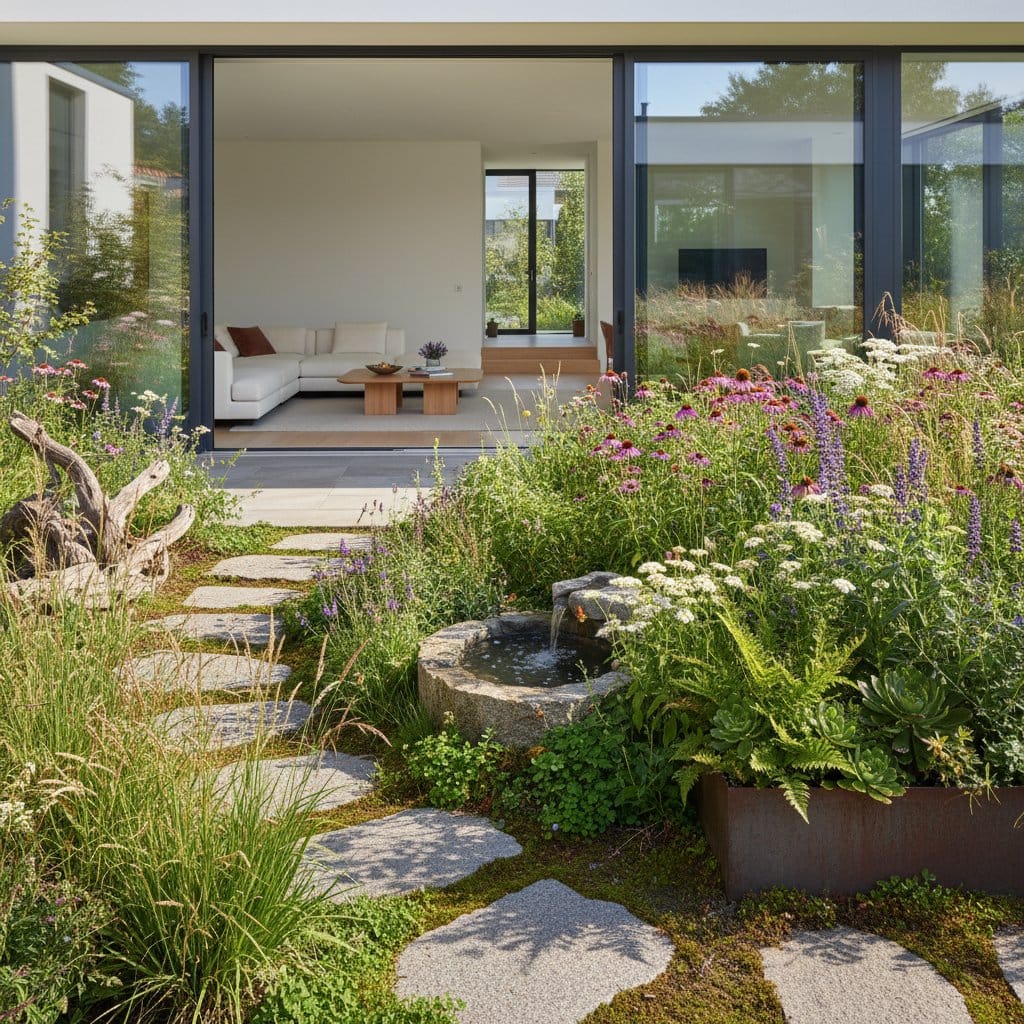
Rewilding reimagines conventional yards as vibrant ecosystems guided by nature. Homeowners replace tidy lawns with native flora to save water, bolster wildlife, and embrace a harmonious aesthetic. This prominent 2026 trend promotes sustainability and the serene appeal of untamed, flourishing landscapes.
Yard rewilding employs controlled chaos to merge structured design with ecological spontaneity, fostering self-sustaining gardens alive with native flora, reduced upkeep, and authentic beauty in natural imperfection.
In 2026, pristine lawns yield to vibrant, messy gardens that foster balance, biodiversity, and simplicity. Homeowners gain richer soil, abundant pollinators, and genuine charm by partnering with nature. This rewilding method turns ordinary yards into dynamic ecosystems that are sustainable, lively, and remarkably easy to maintain, redefining perfection through natural imperfection.
Embrace the 2026 chaos garden movement by rewilding your yard into a vibrant, self-sustaining haven. Native plants draw pollinators, heal soil, and slash upkeep. This guide covers planning, planting, and nurturing your evolving outdoor retreat.
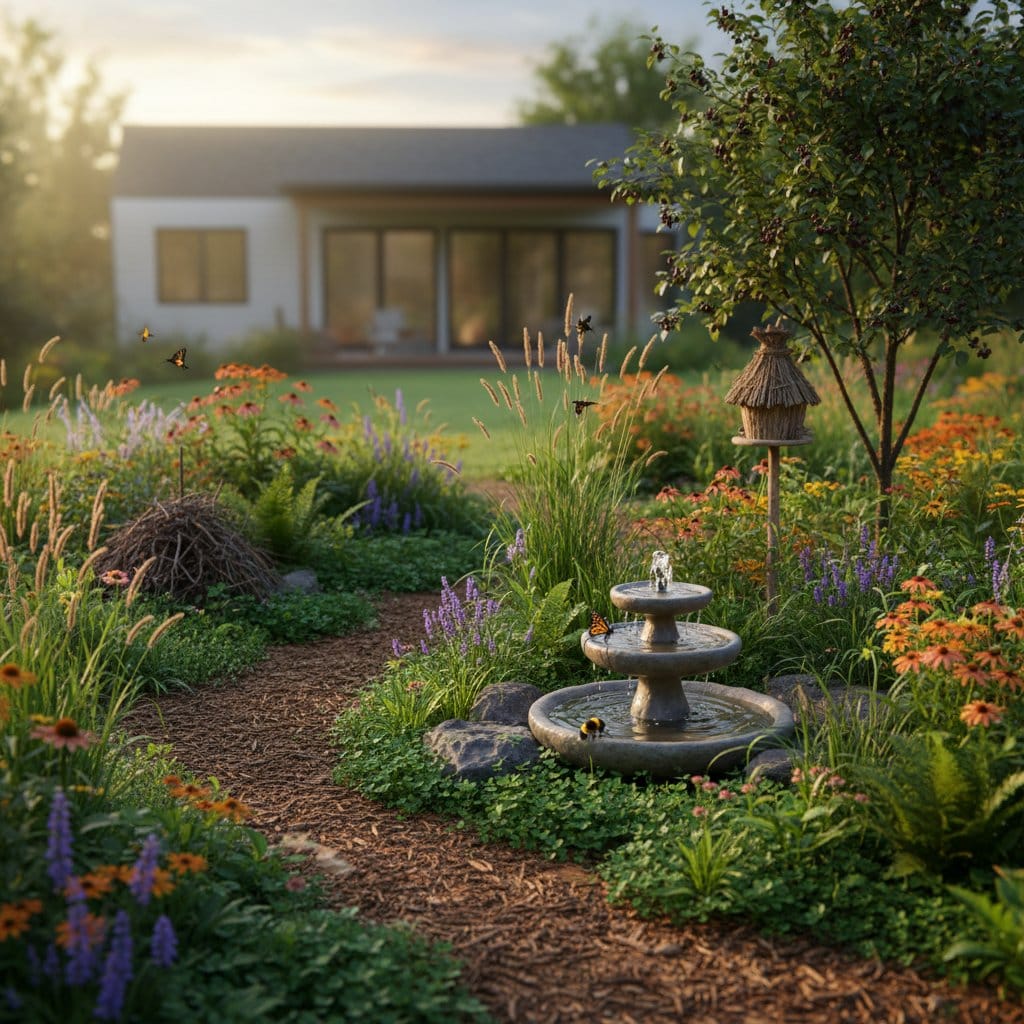
Rewilding turns your yard into a balanced, lively ecosystem by allowing nature to flourish alongside intentional design. Cut back on mowing, introduce native plants, and provide water and shelter to welcome pollinators, birds, and insects. Begin modestly to foster biodiversity and enjoy a sustainable landscape that thrives with minimal effort.
Rewilding reimagines high-maintenance yards as vibrant, self-regulating ecosystems. Through native plants, diverse layers, and limited intervention, homeowners achieve stunning visuals, enhanced biodiversity, and simplified care. This method fosters collaboration with nature, cuts maintenance demands, and welcomes wildlife, demonstrating that the easiest gardens thrive under nature's guidance.
Unleash the potential of low-maintenance yards through rewilding. 'Messy' gardens leverage native plants and natural cycles for reduced upkeep, enhanced biodiversity, and captivating, self-regulating landscapes that embody sustainable elegance.