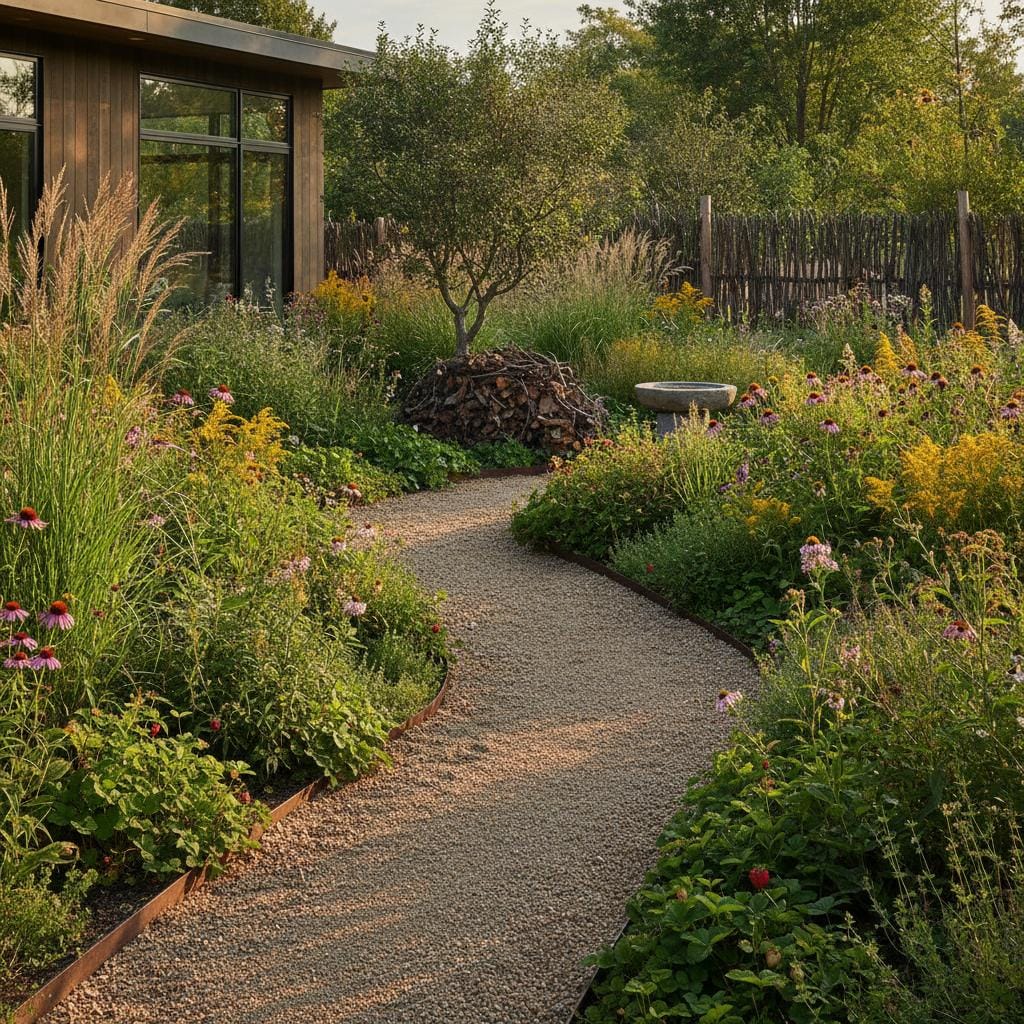
Chaos Gardens: The Rewilding Trend Transforming Yards in 2026
Homeowners increasingly abandon pristine lawns and precise hedges for landscapes that embrace natural disorder. Chaos gardens, a form of rewilding, invite nature to guide the design process. This approach fosters habitats for pollinators, birds, and beneficial insects while enhancing soil vitality. The result appears spontaneous yet adheres to intentional strategies that harmonize wild growth with practical usability.
This guide explains the essence of chaos gardening, outlines implementation steps, and anticipates the dynamic evolution of your outdoor space.
Reasons Homeowners Embrace Rewilding
The appeal of chaos gardens stems from a desire for sustainable, effortless landscapes. Traditional yards demand substantial water, synthetic inputs, and labor-intensive care. Rewilding counters these demands by promoting ecological resilience and resource efficiency.
Primary Motivations for Adoption
- Reduced Maintenance Demands: Eliminate or minimize turf grass to avoid frequent mowing, trimming, and watering schedules.
- Pollinator Support: Diverse, season-spanning blooms attract bees, butterflies, and hummingbirds, bolstering local ecosystems.
- Long-Term Savings: Initial investments yield lower ongoing expenses for amendments, replacements, and utilities.
- Soil Enhancement: Deep-rooted natives aerate soil, boost organic matter, and improve moisture retention.
- Dynamic Aesthetics: Varied textures and colors evolve seasonally, providing ongoing visual intrigue.
Observe increased wildlife activity, such as buzzing bees or visiting finches, as indicators of a burgeoning, balanced habitat adjacent to your home.
Characteristics of a Chaos Garden
Initially, the garden may seem irregular, with patches of rapid growth contrasting slower-establishing areas. This variability embodies the style's allure. Plants gradually self-regulate: drought-tolerant species claim sunnier spots, while moisture-preferring ones settle in damper zones.
Incorporate elements to refine the appearance without imposing rigidity:
- Install natural edging like fieldstone or reclaimed timber to delineate boundaries.
- Position features such as a simple fountain, seating area, or artistic element to draw the eye.
- Maintain a narrow, clipped pathway or perimeter to convey intentional stewardship.
These interventions accentuate the untamed essence while enhancing accessibility and appeal.
Strategies for Sustaining Growth
Chaos gardens require minimal intervention, yet periodic oversight ensures optimal development. Nature self-corrects imbalances, but human guidance accelerates harmony.
Essential Seasonal Practices
- Spring Preparation: Prune perished foliage to encourage emergence, retaining select stems for overwintering insects.
- Summer Monitoring: Remove excess from aggressive spreaders, such as certain mints or goldenrods, to prevent dominance.
- Autumn Preservation: Allow seed pods to persist for avian foraging and self-sowing opportunities.
- Periodic Renewal: Every two to three years, apply organic mulch or introduce seeds of complementary natives to sustain diversity.
Should overgrowth obscure paths or views, employ targeted pruning to reinstate form. View this as curation, aligning plant behaviors with site conditions rather than enforcing uniformity.
Broader Ecological Impacts
Beyond personal enjoyment, chaos gardens integrate into regional green corridors, aiding species migration across urbanized terrains. A modest native planting acts as a vital corridor for insects traveling between larger preserves.
Forego chemical treatments to minimize pollutant leaching into streams and aquifers. Robust root systems capture stormwater, mitigating soil loss and urban flooding risks. Collectively, these gardens cultivate resilient communities and fortified natural buffers.
Observing Natural Progression
Chaos gardening rewards patience with perpetual transformation. Blooms shift dominance annually—perhaps coneflowers prevail one summer, yielding to milkweed the next. Embrace these cycles to deepen appreciation for ecological rhythms.
Mature gardens host abundant fauna: darting dragonflies, nesting wrens, and earthworms enriching the ground. Plants develop resilience, thriving with scant supplemental care. Your space evolves into a vital sanctuary, fostering biodiversity amid suburban settings.
Planning Your Chaos Garden
Start by assessing your yard's conditions: note sunlight patterns, soil type, and moisture levels. Select natives suited to your region, such as black-eyed Susans for sunny expanses or ferns for shaded corners. Sketch a loose layout, prioritizing pollinator-friendly perennials and avoiding invasives.
Source plants from local nurseries to ensure adaptation. Begin small, perhaps converting a 10-by-10-foot section, and expand as confidence grows. Track progress with a journal to note successes and adjustments, turning your yard into a personalized experiment in natural design.