Meadow Lawns as Part of the 2026 Rewilding Movement
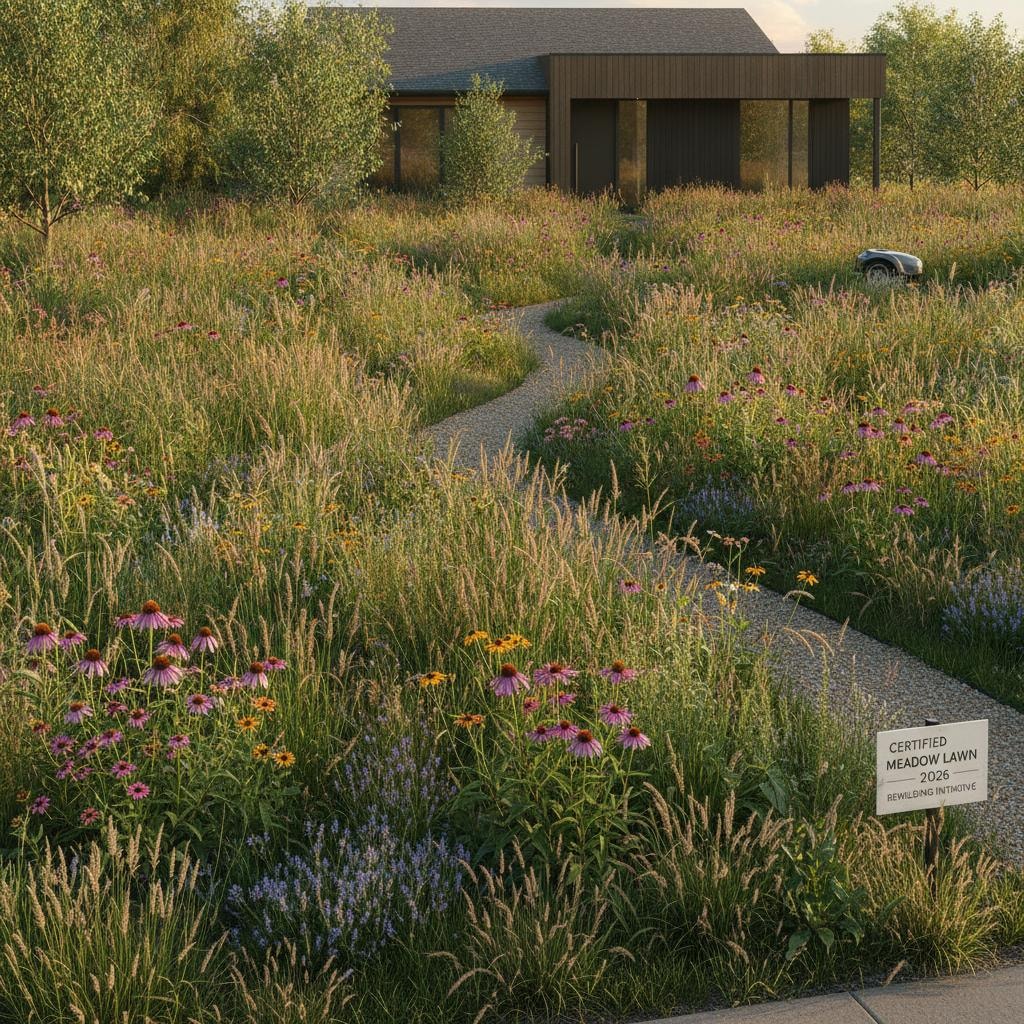
A small unmowed patch in one yard revealed native wildflowers emerging alongside visiting bees. This unplanned pause highlighted a deliberate choice now gaining traction among homeowners. Meadow lawns replace uniform turf with mixed native grasses and wildflowers that support pollinators while cutting maintenance demands.
The rewilding approach favors cooperation with natural processes over constant control. Homeowners trade weekly mowing and chemical inputs for seasonal interventions that yield dynamic landscapes. The result is a functional space that evolves with local conditions rather than resisting them.
Moving from Uniform Turf to Ecological Balance
Traditional lawns prioritize even coverage and consistent color through heavy irrigation and fertilization. These practices consume resources and limit habitat value. Meadow lawns instead promote variation in height, texture, and bloom times that reduces inputs while increasing resilience.
Native bunchgrasses paired with low-growing flowers create a living surface suitable for light foot traffic. The mix shifts appearance across months, offering visual interest without rigid upkeep. This balance supports soil stability and reduces erosion compared with compacted turf.
Defining Characteristics of Meadow Lawns
Successful meadow lawns share several practical traits that distinguish them from simple neglect.
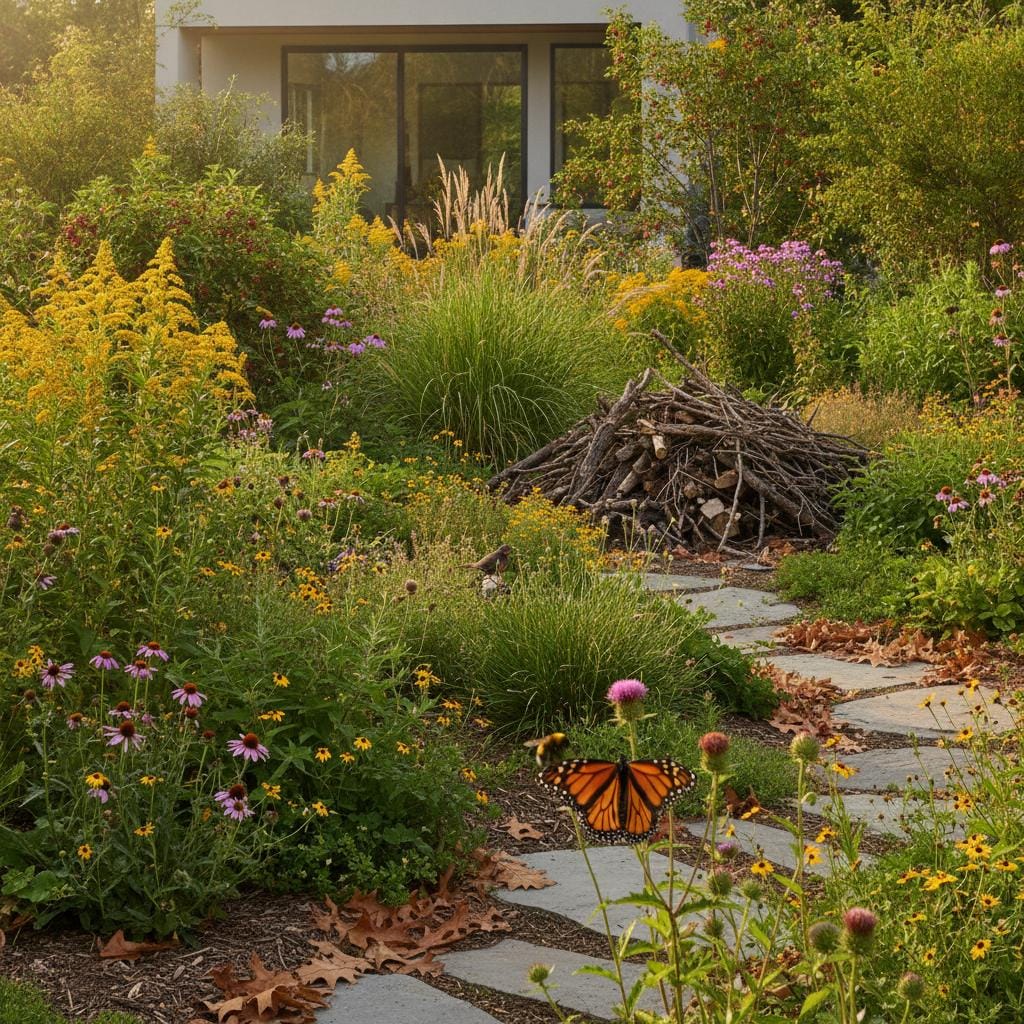
- Mixed species combine native grasses with flowering plants such as clover, yarrow, or black-eyed Susan to attract beneficial insects.
- Variable heights produce gentle waves rather than a single clipped plane.
- Reduced mowing occurs once or twice annually to prevent woody encroachment.
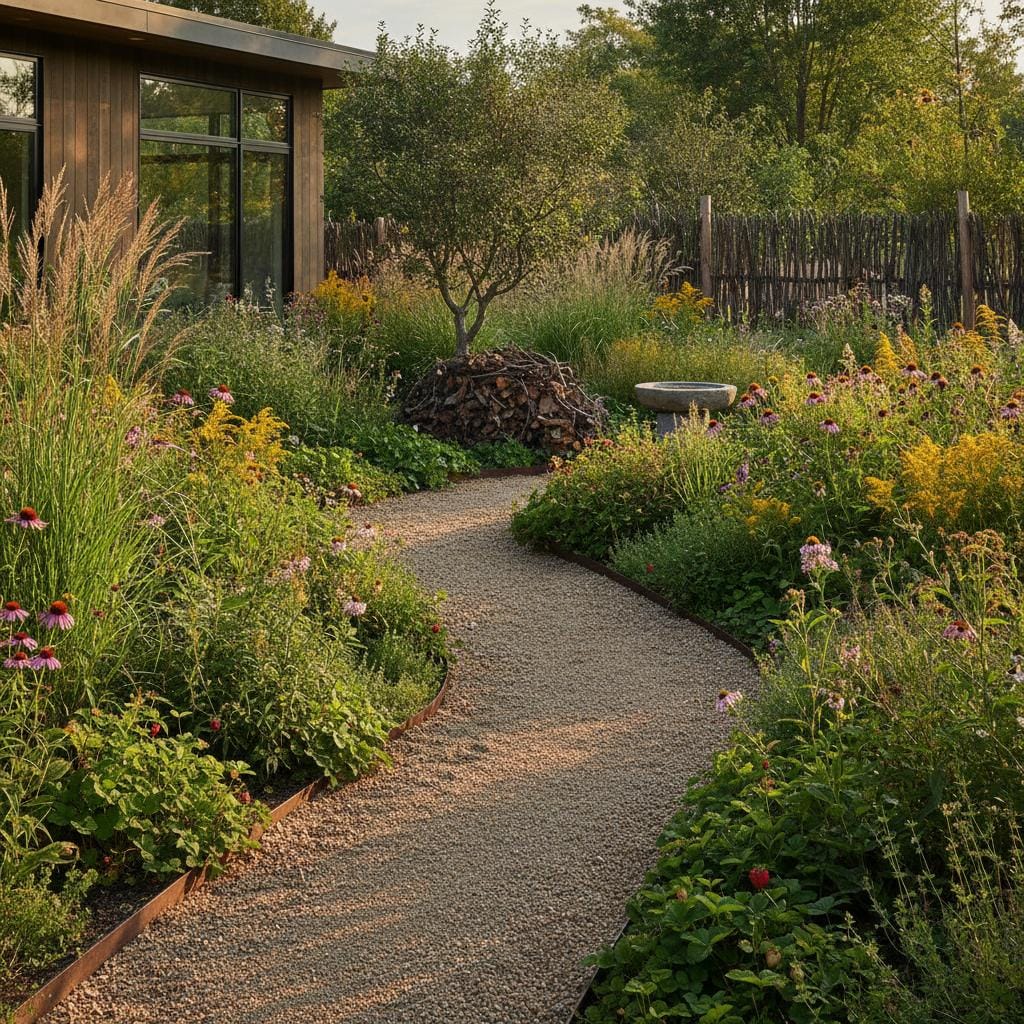
- Natural edges use mowed strips or paths to frame the planting intentionally.
These elements keep the area manageable while allowing ecological functions to develop.
Selecting Appropriate Plant Species
Site conditions guide plant choice. Sunny, well-drained areas benefit from little bluestem, purple coneflower, and coreopsis. Wetter zones support sedges, asters, and wild bergamot. Fine fescues offer a transitional option that stays lower while mixing with wildflowers.
Regional seed blends from local suppliers match climate and soil needs. Proportions matter. Excessively tall species can overwhelm small spaces, while sparse flowering reduces seasonal movement. Staggered bloom periods maintain activity from spring through fall.
Beginning the Transition Gradually
Conversion need not cover an entire property at once. Starting with one border or corner allows observation of plant behavior and integration with existing features. Existing dormant seeds may emerge once mowing stops.
Where turf dominates, light soil preparation followed by meadow mix seeding and straw mulch aids establishment. Moisture retention during the first season improves germination rates. Expansion can occur in subsequent years as familiarity grows.
Observing Seasonal Changes
Meadow lawns reward attention to natural cycles. Early growth favors grasses in soft greens. Midsummer brings flower color and insect activity. Autumn seed heads catch light and provide structure into winter.
This progression encourages patience. The landscape gains depth as different elements take precedence each year.
Benefits for Local Ecosystems
Deep roots improve water infiltration and reduce runoff. Fewer chemical applications protect groundwater. Even modest meadow areas supply forage and shelter for pollinators and birds displaced by conventional turf.
Neighborhood-scale adoption amplifies these effects by creating connected habitat corridors.
Practical Considerations for Maintenance
Meadow lawns require different care rather than zero care. Late-winter cutting clears old growth for new shoots. Early spot weeding prevents aggressive species from dominating before balance sets in. Over time, established plantings need less intervention.
Clear borders and occasional paths signal intention to neighbors. Adding a bench or birdbath further frames the space as designed.
Design Approaches for Different Settings
Formal properties can incorporate meadow sections within geometric beds or alongside clipped hedges. Casual sites allow freer blending with surrounding vegetation. Repeating key colors or plant forms ties the meadow to the broader property.
Integrating Utility with Personal Enjoyment
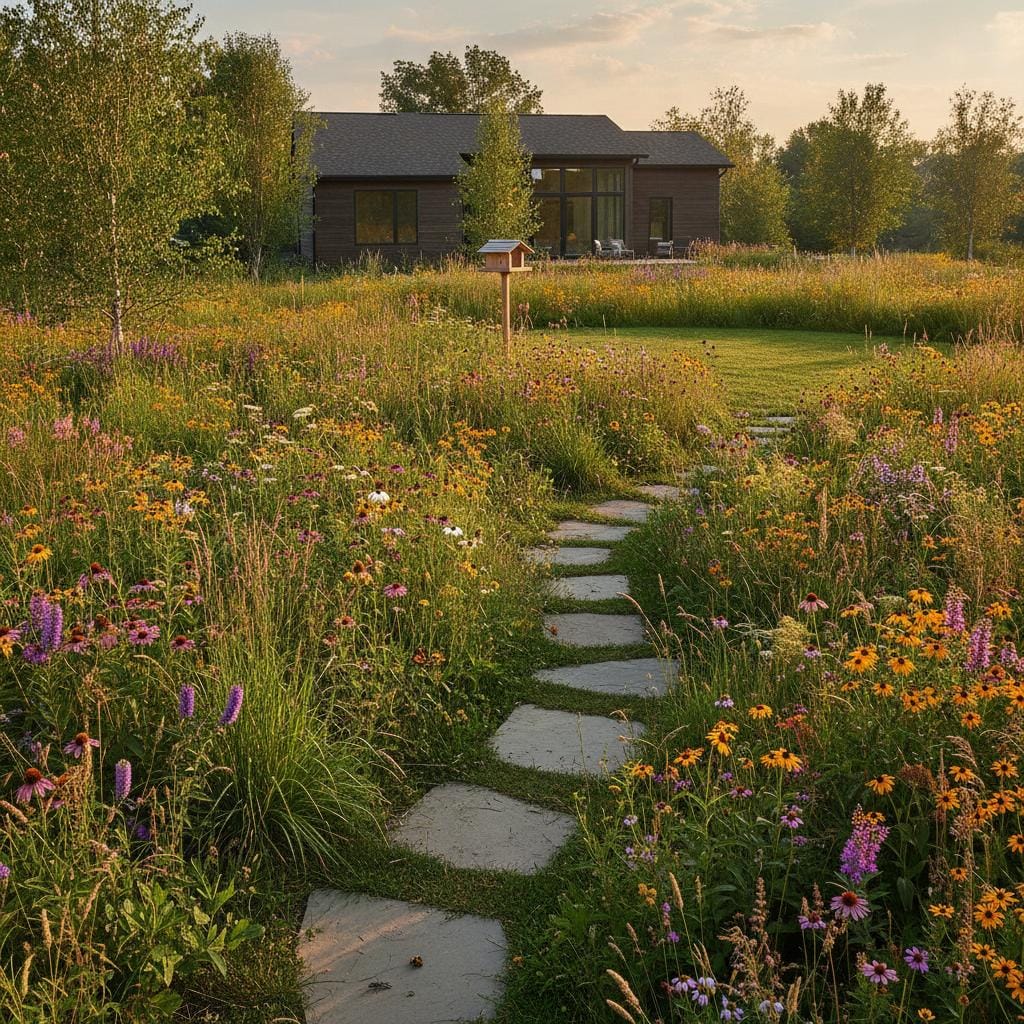
Mowed paths through taller growth invite movement through the space. Seating areas within the planting create quiet vantage points. Children and pets use open zones while experiencing softer surroundings and natural sounds.
Adapting to the Evolving Landscape
Established meadows shift in composition from year to year. Occasional overseeding refreshes diversity where needed. The approach succeeds when both gardener and landscape adjust together, yielding a resilient outdoor area that supports wildlife and personal use with reduced effort.