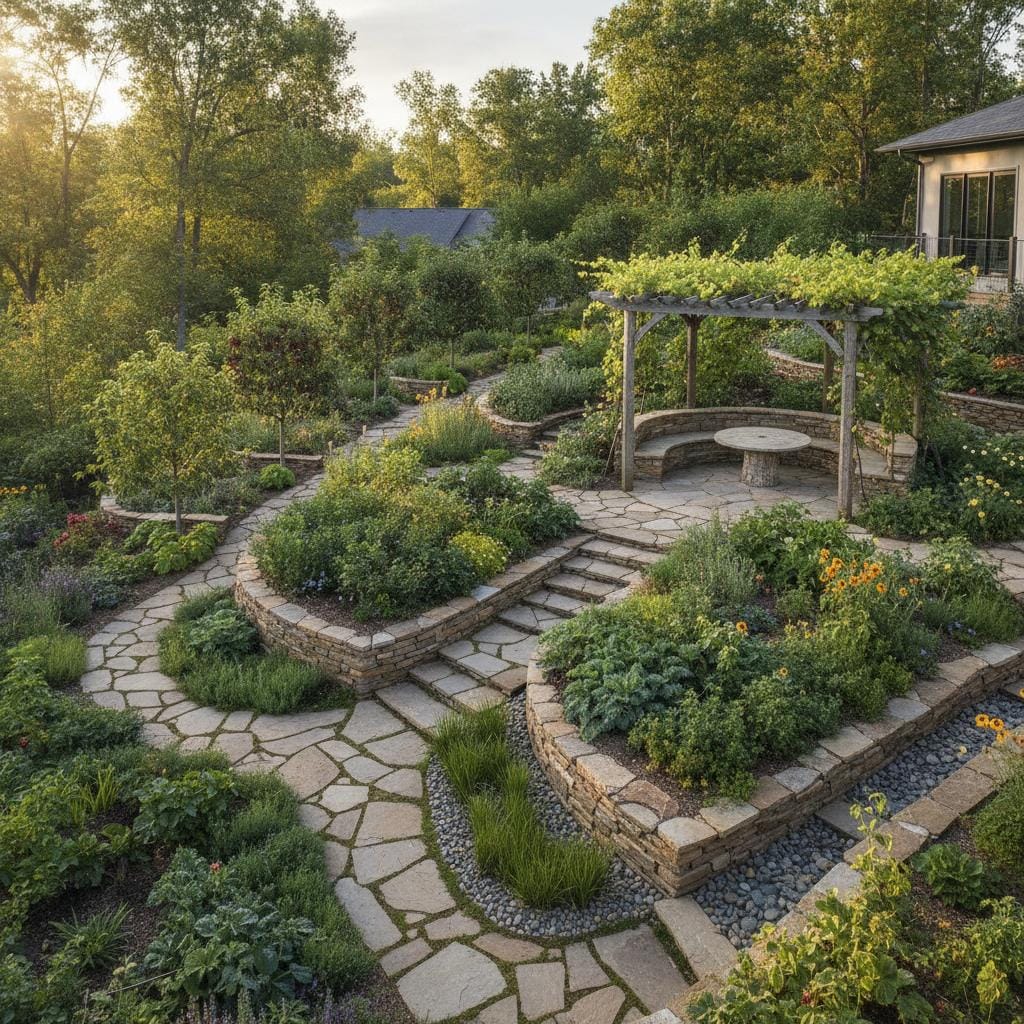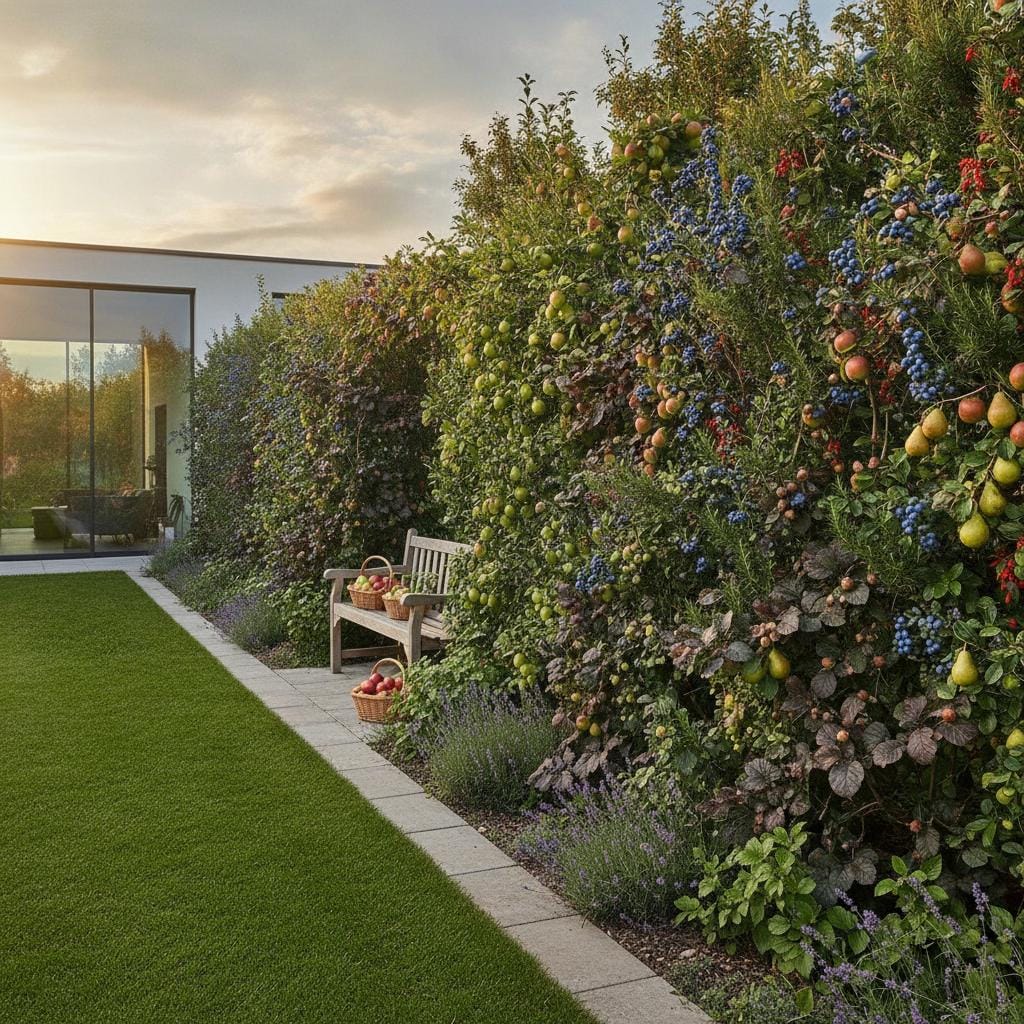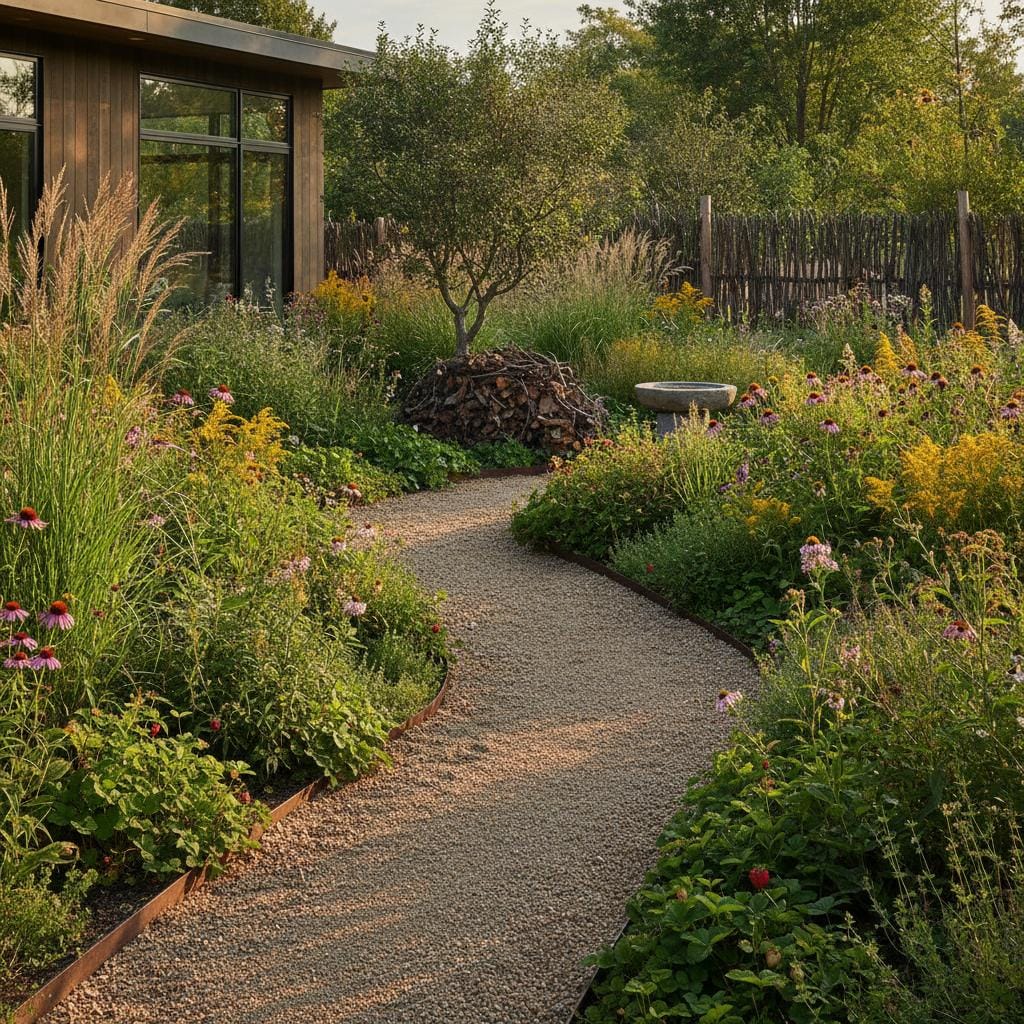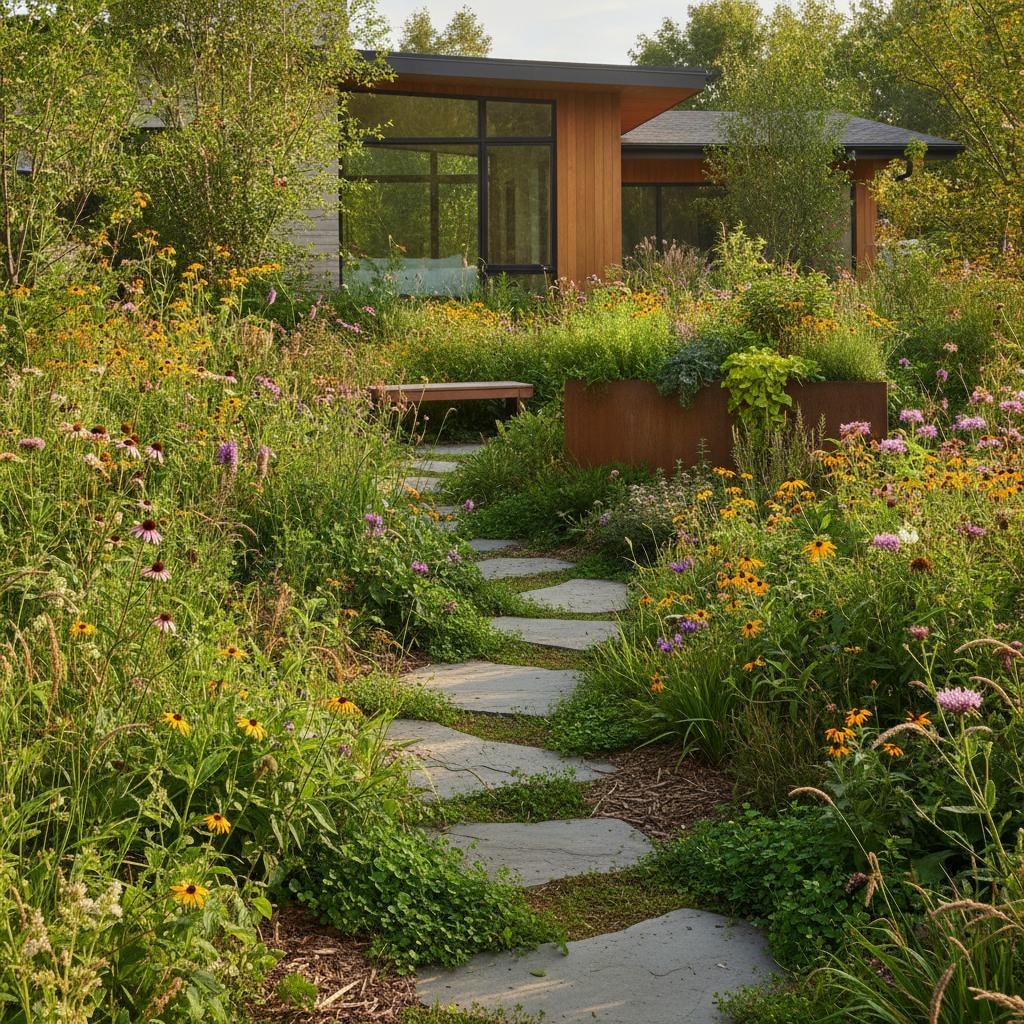
Why Messy Gardens Are Winning in 2026 Landscaping
Have you ever looked out at your yard and felt a mix of guilt and nostalgia? Maybe the grass has grown long. The flowerbeds are tangled. The once perfect shrubs have taken on lives of their own. It can feel like you have let things slip. Yet what if that overgrown look is not a failure but a quiet return to something natural and deeply right? Many homeowners are discovering that the so called messy garden is not a sign of neglect but a new kind of beauty that supports life, saves time, and restores balance to the land.
Messy gardens are winning hearts because they invite nature back in. They replace rigid order with living texture and movement. They hum with bees, flutter with butterflies, and breathe with resilience. The shift toward wilder landscaping is not just a trend. It is a reflection of the growing desire for spaces that feel alive rather than controlled.
Below we explore how you can welcome a bit of wildness into your own yard, why it matters, and how to manage it in a way that keeps both you and your plants thriving.
Assessing Your Starting Point
Before changing anything, take time to observe what is already happening in your yard. You may discover that nature has been doing some of the work for you.
Look at What Is Growing
Walk around your garden slowly. Notice the plants that have persisted without much help. Those are your survivors. They offer clues about what conditions your soil and light truly support. Some of these plants may be native species. This means they already fit your local climate and provide food for nearby wildlife.
Notice the Life Around You
Pay attention to birds, butterflies, and bees. If you see them visiting certain plants, that tells you something about what is working well. These living indicators help you identify which areas are already thriving and which might need care.
Identify What Feels Off
Messy does not mean neglected. If there are bare patches where soil erodes or invasive species choking out others, those are signs that the ecosystem needs balance. Your goal is not to let everything run wild but to create a thriving mix that supports both beauty and function.
Acting on Your Plan
Once your plan feels right, it is time to begin shaping your space. Start small. You do not need to transform your entire yard at once. Choose one section, maybe a corner or a border, and let it evolve.
Simplify Your Lawn
Lawns are often the biggest source of maintenance and chemical use in a yard. Try reducing the size of your lawn by expanding garden beds or planting low growing alternatives like clover or native ground covers. These require less mowing and watering while still providing a soft, inviting surface.
Plant in Groups
Planting in clusters helps mimic the way plants grow in nature. A group of coneflowers or black eyed Susans looks more natural than one of each scattered around. Grouping also makes maintenance easier since you can water, mulch, and weed in sections rather than treating every plant separately.
Mulch with Intention
Use natural mulches like shredded leaves, bark, or compost. They help retain moisture, discourage weeds, and slowly enrich the soil. Avoid synthetic fabrics or stones that block water and air. The goal is to feed the soil, not just cover it.
Let the Seasons Guide You
Rather than cutting everything back at once, let plants die back naturally in the colder months. The seed heads feed birds. The stems protect insects overwintering in the garden. When you do tidy up, do it gently and in stages. Nature thrives on cycles. Your garden will too.
Maintaining Balance Over Time
A rewilded garden does not mean giving up care. It simply means shifting from control to partnership. Maintenance becomes observation and light touch rather than constant correction.
Watch, Do Not Rush
Spend time in the garden without tools in hand. See which plants spread and which fade. Notice where water pools or where soil dries quickly. When you understand how your garden behaves, your interventions can be more thoughtful and effective.
Edit Instead of Overhauling
Every garden needs editing. Pull out invasive species that crowd out others. Prune shrubs that block light. Thin plants that grow too dense. Editing keeps your garden open and diverse without losing its wild character.
Feed the Soil, Not the Plants
Healthy soil supports everything above it. Use compost or organic matter to keep it rich and alive. Avoid heavy fertilizers that force quick growth. Slow, steady nourishment builds resilience and balance.
Welcome Change
Your messy garden will never look the same two seasons in a row. That is part of its charm. Let it change. You may find that each year brings new surprises. The more you let nature take the lead, the more your garden will settle into its own rhythm.
Why Messy Gardens Fit Modern Life
Many people are finding comfort in the slower rhythm of a wild garden. It matches the desire for authenticity and simplicity. Instead of spending weekends pushing a mower or trimming hedges into shapes, you can spend that time noticing the return of a butterfly species or watching how rainwater soaks naturally into the soil.
A messy garden also speaks to sustainability. It reduces water use, limits chemicals, and supports biodiversity. Every patch of native growth becomes a small refuge for wildlife in an increasingly managed world. The cumulative effect of many homeowners making these small choices adds up to healthier neighborhoods and a more balanced local environment.
There is also an emotional reward. Messy gardens remind us that growth is not always neat. They teach patience and acceptance. When you step into a space that is alive in its own way, you feel part of something bigger and steadier than your daily routine.
Watching Your Garden Thrive
As your wild garden matures, you will begin to notice subtle shifts. The soil stays damper after rain. More birds visit. You may even see fireflies or new butterfly species. These changes are signs that your outdoor space is becoming a habitat, not just a backdrop.
Keep nurturing that balance. Keep some areas open for new growth. Let others rest. Avoid over managing. When you look out at your yard and see tall grass swaying, bees moving from flower to flower, and sunlight filtering through leaves, you will realize that this is not disorder. It is abundance. It is the garden remembering how to be wild again.
You do not need perfection to have beauty. You just need patience, curiosity, and the willingness to let nature lead. The messy garden is not a trend to chase but a relationship to tend. Once you start, you may never want to go back to the old way of gardening.