Rewild Your Yard: The Low-Maintenance 2026 Trend
Many homeowners look at their trimmed lawns and shaped hedges yet sense that something essential is missing. The space feels controlled rather than alive. Rewilding addresses this feeling by restoring native plants and natural processes so the yard supports wildlife and requires less intervention.
This approach does not mean abandoning care. It means selecting plants suited to the local climate, allowing natural cycles to operate, and creating habitats that sustain themselves. The outcome is a resilient landscape that delivers seasonal interest with reduced effort.
What Rewilding Involves
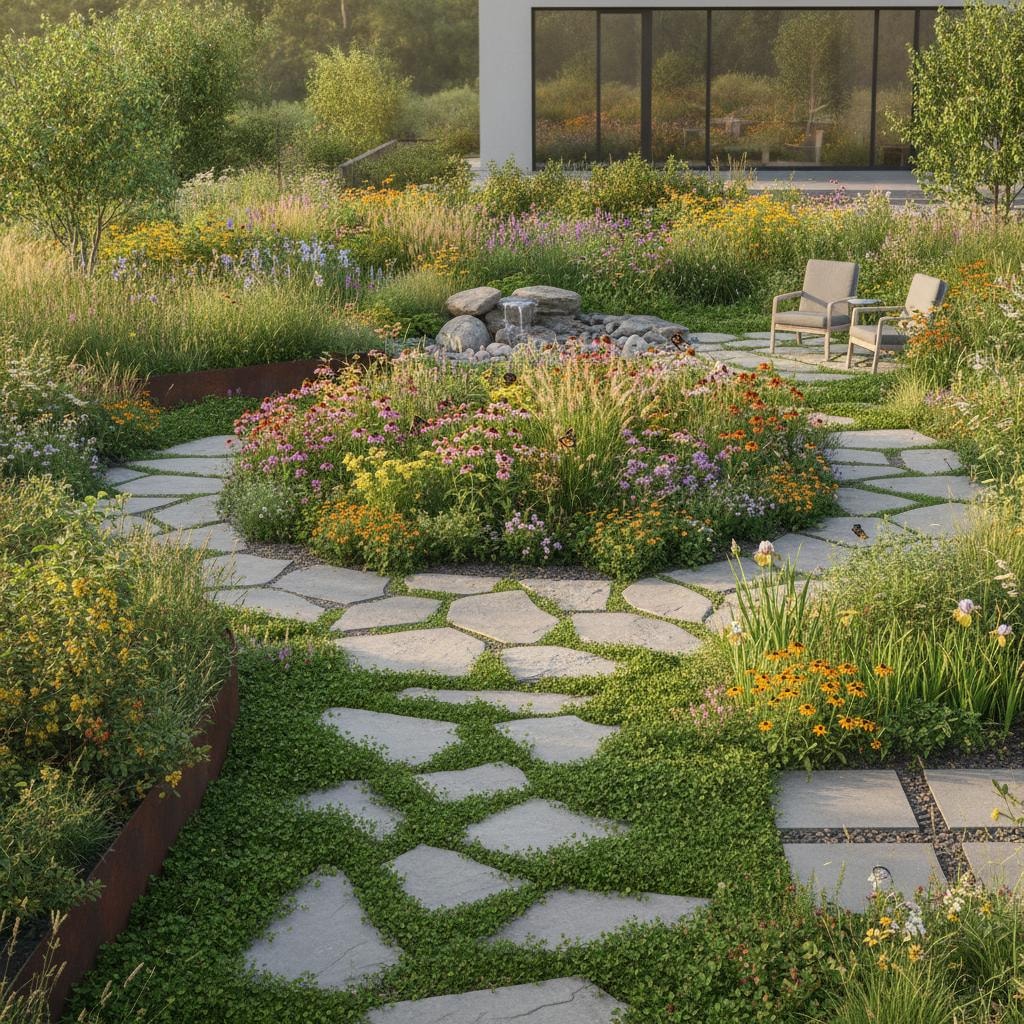
Rewilding recreates conditions found in local ecosystems. Homeowners replace sections of turf with native grasses, wildflowers, shrubs, and trees that attract bees, butterflies, and birds. Small water features, leaf mulch, and layered plantings further support soil organisms and pollinators.
The design relies on species already adapted to regional rainfall and soil. Once established, these plants need little supplemental water or fertilizer because their root systems and growth habits match the site conditions.
Benefits for Contemporary Households
A rewilded yard reduces weekly mowing, watering, and chemical applications. Soil structure improves as organic matter accumulates, and native insects return to manage pests naturally. Owners report spending more time watching wildlife and less time maintaining equipment.
Daily observation replaces routine chores. Birds nest in shrubs, seed heads stand through winter, and fallen leaves decompose into new soil. These changes create a quieter outdoor environment that still offers color and movement throughout the year.
Step 1: Observe Site Conditions
Walk the yard at different times of day to note sun exposure and drainage patterns. Identify existing plants that thrive without extra care. These observations determine which native species will succeed in each area.
Decide which lawn sections receive the most foot traffic and which receive little use. Reducing turf in low-traffic zones frees time and resources for more diverse plantings.
Step 2: Select a Mix of Native Plants
Choose at least three layers of vegetation. Ground-layer grasses and sedges suppress weeds and tolerate drought. Mid-layer wildflowers supply nectar across spring, summer, and fall. Upper-layer shrubs and small trees offer berries and shelter for birds.
Begin with one defined area, such as a corner or border. Add plants in groups of three or more of the same species so pollinators locate them easily. Expand the planting each season based on what performs well.
Step 3: Clear Space Without Chemicals
Remove invasive species by hand or by covering them with cardboard and several inches of mulch. The cardboard blocks light while the mulch adds organic matter. After several months the covered area is ready for new plants.
Spread a thin layer of finished compost only where soil tests show nutrient deficiency. Avoid synthetic products that can harm the soil microbes needed for long-term plant health.
Step 4: Establish and Then Step Back
Water new plants during the first growing season until roots extend beyond the original root ball. After that point, native species draw moisture from deeper soil layers. Leave leaf litter in place to shelter overwintering insects and to return nutrients to the ground.
Trim only the edges of pathways or borders if a neat frame is desired. Keep interior areas unmown so stems and seed heads remain standing for wildlife through winter.
Step 5: Support Wildlife With Simple Additions
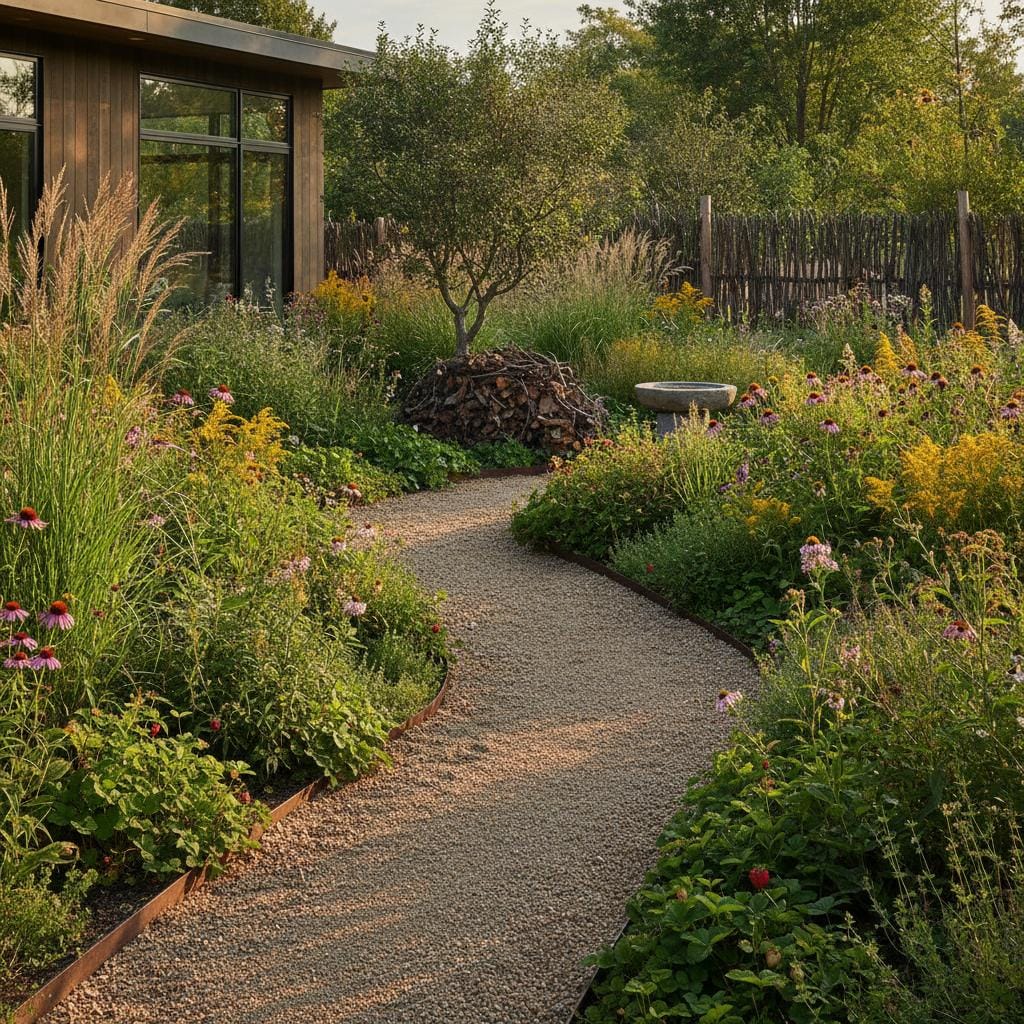
Place a shallow dish or small basin at ground level for birds and amphibians. Stack logs or rocks in a quiet corner to create cover for beneficial insects. Select berry-producing shrubs and late-season seed heads instead of purchased feed.
Clean any birdhouses or feeders once a year with a mild vinegar solution. This prevents disease while still providing the food and shelter that native plants already supply in abundance.
Step 6: Adjust Care by Season
In late fall, leave most stems standing rather than cutting them to the ground. The standing material protects soil and supplies food for birds. In early spring, remove only the debris that blocks new shoots.
Monitor plant density each year. Thin crowded clumps by dividing or moving excess plants to other spots. Replace any species that fails to thrive with another native option suited to the same conditions.
Observing the Results
Within two seasons the yard shows increased insect activity and better moisture retention during dry spells. New seedlings appear where seeds have dropped naturally, adding unexpected color and texture. Owners notice that maintenance shifts from scheduled tasks to occasional adjustments based on what the plants themselves indicate.
The process continues indefinitely. Each year brings small refinements that deepen the connection between the household and the land. The yard becomes a place where natural rhythms replace constant intervention.