Why Messy Gardens Support Wildlife Better Than Perfect Lawns
Why Messy Gardens Rule Rewilding Trends
Many gardeners experience a blend of guilt and longing when viewing an untamed yard. Grass may grow tall, and wildflowers might encroach on lawn edges. This apparent chaos often signals returning life, offering comfort in its natural resurgence. Homeowners increasingly recognize that such gardens represent opportunity rather than issue, embracing a philosophy that invites nature rather than imposes order.
The rise of rewilding reflects a profound change in perspectives on outdoor spaces. Homeowners exchange pristine landscapes for vibrant ecosystems. These gardens foster coexistence, buzzing with bees, providing bird shelters, and allowing plants to flourish naturally. Although they deviate from polished magazine ideals, they pulse with vitality unmatched by rigidly maintained plots.
The Heart of Rewilding
Rewilding involves permitting nature to reclaim territory. In gardening contexts, this practice promotes spontaneous growth, incorporates native species, and develops habitats for wildlife. The approach relinquishes strict oversight, enabling soil, insects, and vegetation to achieve equilibrium independently.
Complete yard transformation proves unnecessary. Designate modest areas for native grasses or dedicate a section to wildflowers for meaningful impact. The strategy centers on gradual reintroduction of biodiversity, adapted to individual property constraints and preferences.
Letting Go of Perfection
Homeowners often find releasing the pursuit of tidiness most challenging. Society conditions expectations of velvety lawns and symmetrical beds. Rewilded spaces evolve differently, swaying with breezes, expanding irregularly, and adapting seasonally.
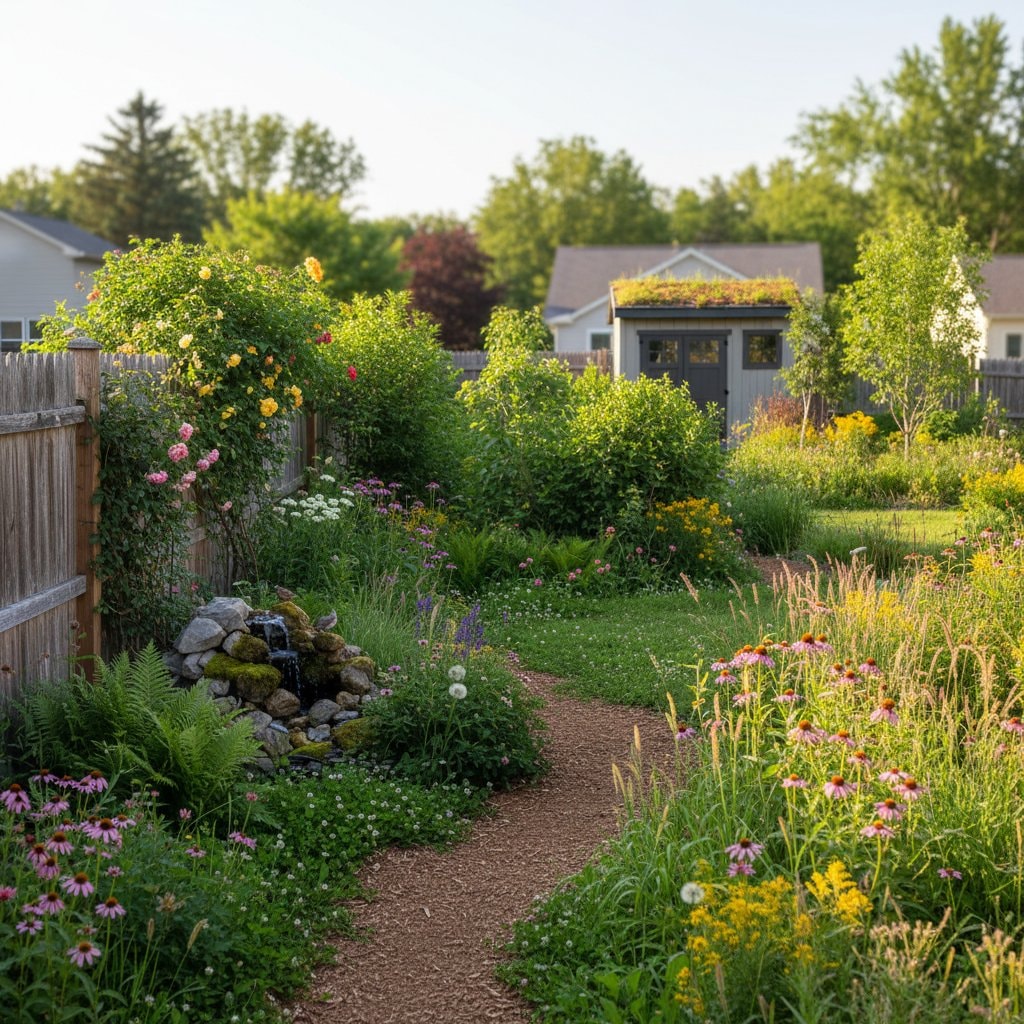
Initial unfamiliarity yields to liberation. Time shifts from relentless maintenance to mindful observation. Gardeners discern thriving flora, visiting pollinators, and evolving soil conditions. Gradually, unexpected elements reveal allure: clover patches sustaining bees, decaying logs housing beetles, untamed roses ascending freely.
Abandoning perfection transforms gardening into partnership, emphasizing harmony over dominance.
Step One: Assess What You Have
Before embracing wildness, evaluate the existing landscape thoroughly. Traverse the property deliberately, scrutinizing current vegetation. Identify sun-drenched zones versus shaded retreats, and observe post-rain drainage patterns alongside arid spots.
Sketch a basic diagram or jot observations. Such examination often uncovers latent biodiversity, such as resilient natives amid ornamentals or avian nests within shrubs. These insights guide initial efforts, amplifying inherent ecological strengths.
Step Two: Plan for Diversity
Effective rewilding employs layered planning, mirroring natural complexity. Ecosystems feature interdependent elements: canopy trees, understory shrubs, ground covers, and floral accents. Select native varieties that sustain pollinators and fauna across seasonal cycles.
Implement these strategies to initiate diversity:
- Introduce native wildflowers with staggered bloom periods to extend nectar availability for bees and butterflies.
- Permit lawn sections to reach ankle height, offering refuge for ground-dwelling insects and rodents.
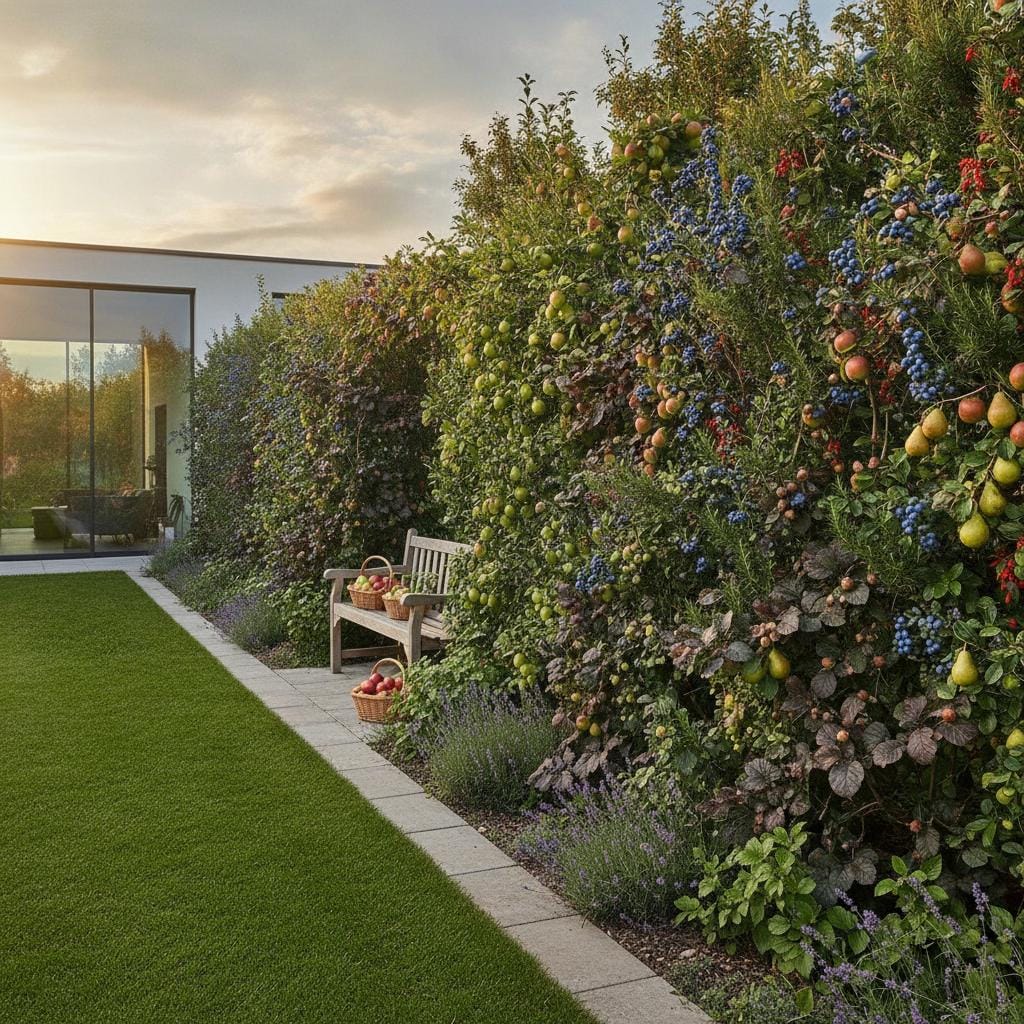
- Incorporate berry-producing shrubs or compact trees for avian nutrition, nesting, and microclimates.
- Retain seed pods and leaf litter through winter to shield soil and supply bird forage.
Layered diversity enhances resilience; faltering species prompt successors to thrive. The garden develops autonomous cadence, positioning the gardener as steward rather than architect.
Step Three: Act with Purpose
With assessment and planning complete, proceed intentionally yet minimally. Target a single border or alcove for trials. Substitute turf with pollinator-friendly seed blends in select areas. Relax hedge pruning to foster denser cover.
When eradicating invasives, proceed methodically to minimize disruption. Avoid wholesale soil exposure, which hinders native recovery. Extract or sever undesirables, then promptly install replacements to maintain coverage and prevent runoff.
View interventions as encouragements to nature's return, fostering collaboration over command.
Step Four: Learn from the Process
Rewilding unfolds as ongoing education, not static redesign. Monitor seasonal responses closely. Track pollinator hotspots and soil enhancements, noting persistent challenges.
Maintain a journal for patterns in successes and setbacks. Transformations accelerate upon ceasing resistance; avian activity intensifies, and ambient sounds enrich. Occasional disarray underscores ecosystem vitality, characterized by perpetual adaptation and renewal.
Why Mess Matters
Unkempt appearances belie purposeful design in rewilded gardens. Each element contributes: decomposing foliage enriches humus, tubular stems offer insect hibernation, extended grasses conceal nutrient-rich seeds for granivores.
Such disorder sustains cyclical vitality, bolstering soil fertility, minimizing refuse, and elevating species variety. Ceasing overzealous clearance allows natural restoration processes to prevail. Pest incidences decline as beneficial predators reintegrate, while reduced irrigation and amendments stem from improved, autonomous substrates.
Balancing Wild and Welcoming
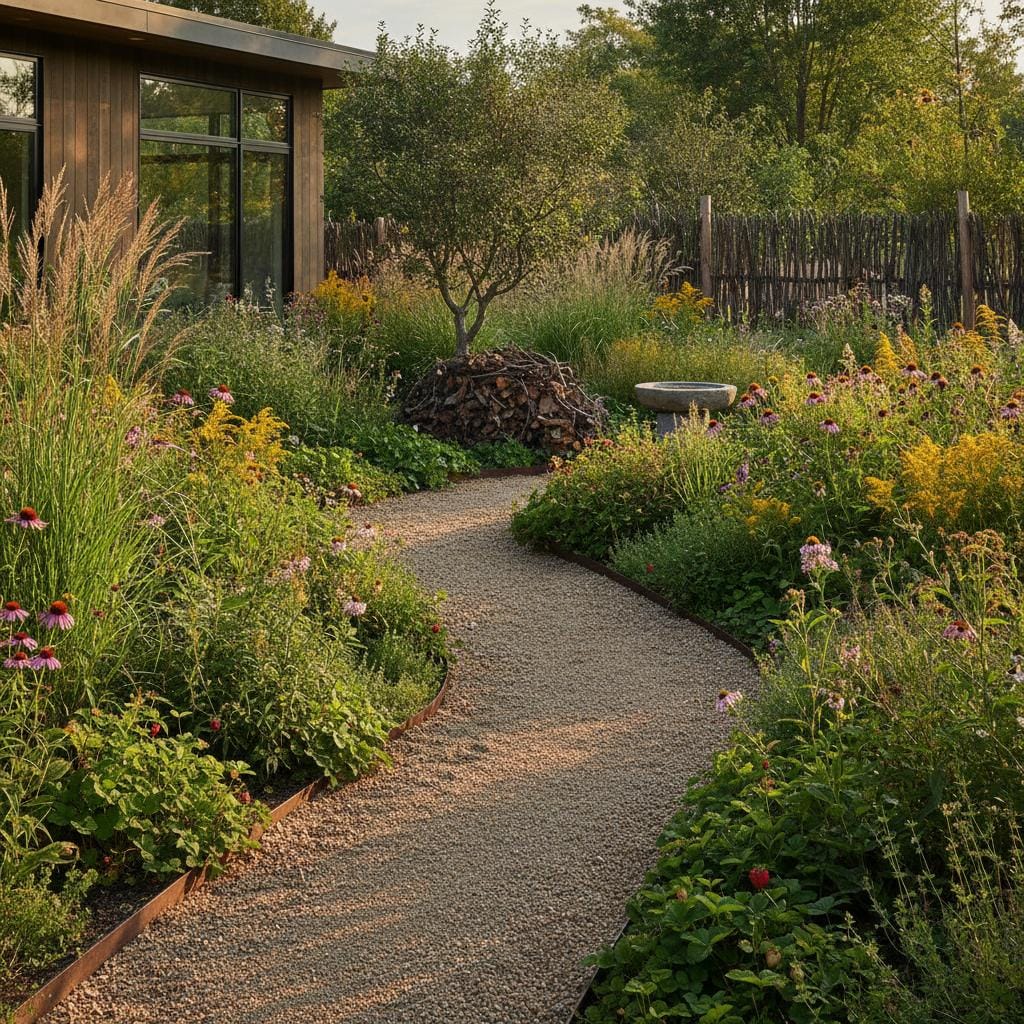
Rewilding accommodates accessibility without total abandon. Integrate meandering trails, rest zones, and social areas seamlessly. Employ organic materials and undulating borders to merge usability with exuberance.
Curve walkways to accommodate flora rather than sever them. Position benches beneath arboreal shade or erect vine-draped pergolas. These features encourage lingering, affirming human integration within the ecosystem.
Harmonizing form and freedom yields inviting, intentional spaces. Observers perceive rustic elegance, yet the creator appreciates profound symbiosis with the environment.
The Emotional Side of Rewilding
Observing resurgence in once-dominated areas proves restorative. Gardeners report eased burdens from abandoning weed battles and flawlessness quests. The landscape regains capacity for wonder.
This practice attunes individuals to life's inherent pulses of emergence and decline. It cultivates forbearance, attentiveness, and equanimity, revealing grace in flux beyond peak displays.
Such mindset extends outward, heightening awareness of ecological cues in daily encounters: melodic calls during strolls, resilient blooms in urban fissures. Rewilding reshapes not only horticultural habits but perceptual lenses on existence.
Common Fears and How to Move Past Them
Hesitation often stems from aesthetic or social apprehensions. Mitigate by preserving neat perimeters around wild zones, signaling deliberate choice. Informative placards detailing pollinator benefits convert skepticism to support.
Pest proliferation concerns prove unfounded; diversity invites natural regulators like predatory arthropods, avifauna, and herpetofauna. Enhanced variety stabilizes dynamics over time.
Commence with targeted objectives, such as lepidopteran attraction or edaphic improvement. Tangible outcomes swiftly build assurance.
The Long View
Patience unlocks rewilding's rewards. Initial asymmetry smooths by subsequent years, as flora establish niches and wildlife routines solidify. Annual progression amplifies autonomy and abundance.
Initiatives evolve into lifestyle integration: seed propagation, neighborly exchanges, heightened meteorological attunement. Conscious impacts foster grounded environmental stewardship. This evolving insight epitomizes rewilding's subtle triumph.
Watching Your Garden Thrive
Mature rewilded plots illustrate that stewardship transcends imposition. Authentic nurturing embodies faith in innate regenerative capacities. The gardener's contributions remain supportive, not suppressive.
Sustain involvement modestly: introduce seasonal natives, designate no-mow preserves for floral expansion, harvest precipitation for hydration. Incremental steps fortify durability.
Ultimately, equilibrium benefits steward and soil alike. The space functions as instructive haven, sanctuary, and value mirror. Imperfect in form, it thrives in essence.
Permit pollinators to resonate, foliage to undulate, blossoms to disperse freely. Embracing disarray honors inherent vitality, affirming respect for enduring ecological narratives.