The Controlled Chaos Revolutionizing Yard Rewilding
Watching a garden evolve in its natural rhythm offers profound tranquility. Native grasses sway gently, pollinators navigate from bloom to bloom, and life unfolds in intricate layers rather than rigid borders. Through years of observation, the most compelling gardens reveal themselves as those that foster collaboration between human intent and natural processes. This defines yard rewilding: an intentional fusion of structure and spontaneity, design and ecology.
Understanding Controlled Chaos
Rewilding a yard involves partnering with nature, not imposing dominance. Such gardens incorporate native plants, organic textures, and a fluid sense of organization. At first, they appear untamed, yet a subtle framework ensures harmony and usability. Designers term this controlled chaos, blending deliberate plant selections with self-seeding opportunities that allow flora to settle within defined limits.
Rather than resisting plant instincts, rewilding amplifies them. The result forms a self-sustaining ecosystem that draws pollinators and minimizes upkeep. In contrast to conventional lawns of uniform turf and exotic imports, this method marks a bold departure. It aligns with a rising movement to forge genuine connections with the landscape.
The Philosophy of Rewilding
Rewilding fundamentally restores interconnections among soil, vegetation, wildlife, and humans. Homeowners view their land as a vibrant ecosystem rather than mere scenery. This mindset reshapes choices in planting, care, and visual appeal. Gardens in this style promote a deliberate pace, favoring patience over precision.
Homeowners often initiate rewilding for its ecological advantages. Native species demand reduced irrigation and nutrients, bolster pollinators and avian life, and regenerate soil vitality. Beyond these practical gains, the practice fosters individual rejuvenation. Observing a wildflower expanse develop gradually underscores that allure emerges from release, not restraint.
Balancing Wildness and Structure
Controlled chaos embodies the equilibrium essential to effective rewilding. Excessive oversight yields stiffness; insufficient guidance risks disarray. Success resides in steering growth without commanding it.
Consider these approaches to achieve equilibrium:
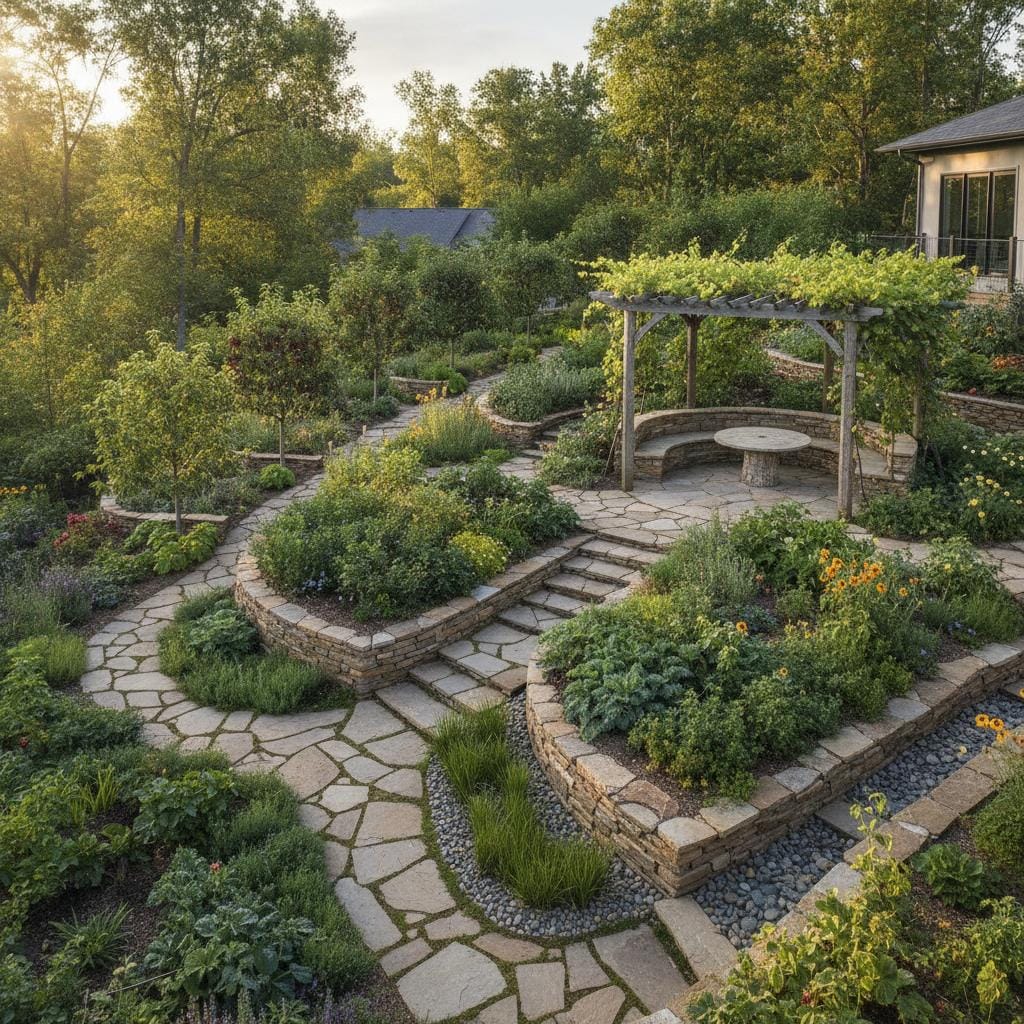
- Define boundaries with edging stones, low hedges, or clipped walkways to signal purposeful wildness.
- Incorporate repeating anchor plants for visual rhythm amid spontaneous elements.
- Combine varied textures and elevations, such as lofty grasses with mid-height perennials and low-lying covers, to build dimension.
- Permit self-seeding in designated zones to infuse surprise while preserving design integrity.
These techniques uphold aesthetic intent alongside organic progression.
Selecting Plants for Naturalistic Appeal
Plant selections determine rewilding success. Opt for native or regionally adapted varieties that align with local climate and soil. These endure with minimal attention post-establishment and sustain indigenous fauna, enhancing the endeavor's fulfillment.
Evaluate plant behaviors across seasons: some expand rapidly, others remain contained; certain varieties flower in spring, while others peak in fall. Diverse traits guarantee year-round interest. Examples include:
- Native grasses for dynamic motion and subtle form.
- Perennials such as echinacea or monarda for pollinator appeal and vivid displays.
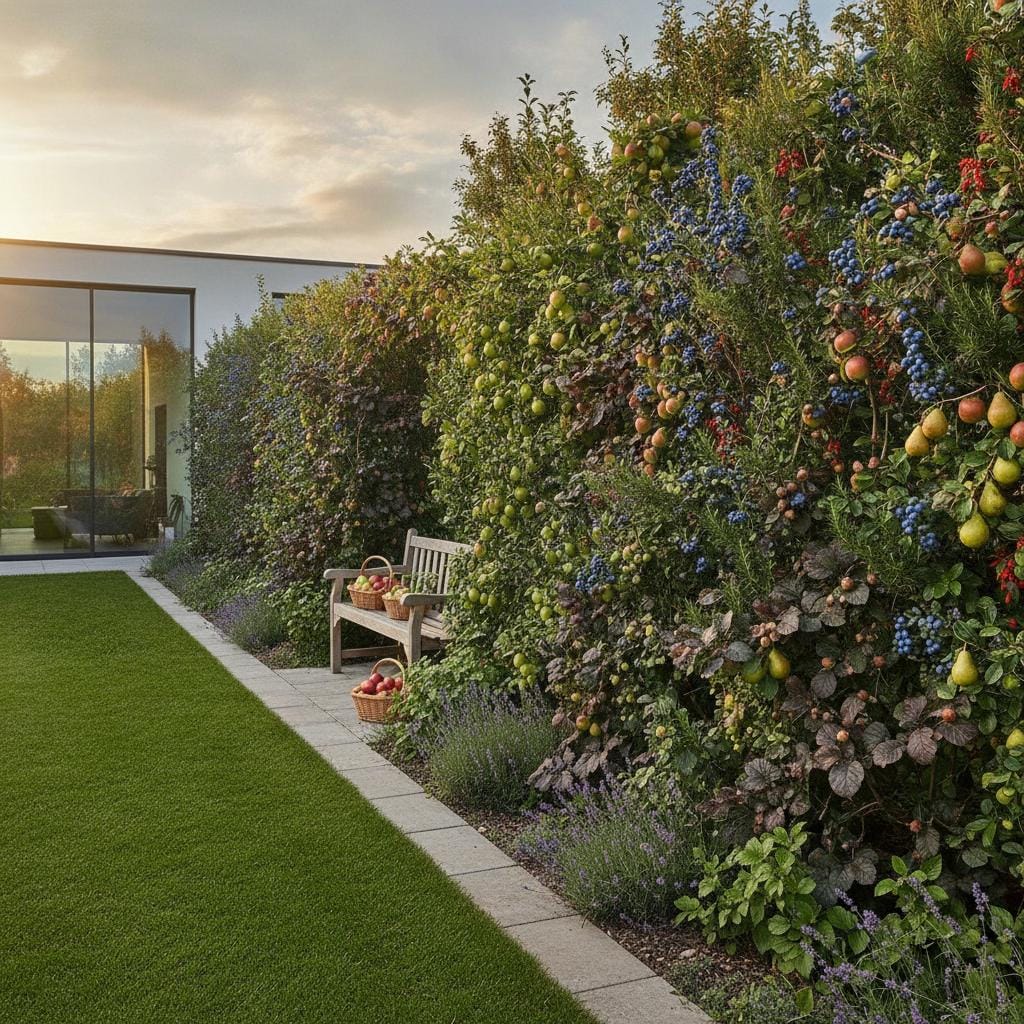
- Shrubs and understory trees for height and avian refuges.
- Groundcovers to suppress weeds and unify spaces.
The aim draws from meadow diversity and durability, adapted to residential scales.
Guiding Growth Through Seasons
Rewilded gardens transform annually as plants shift, propagate, or fade. This fluidity constitutes their allure, demanding adaptability over rigidity. Envision the landscape as an ongoing narrative rather than a fixed tableau.
Care emphasizes monitoring over intervention. Thin vigorous spreaders to accommodate companions, or prune grasses in early spring to protect hibernating insects. Such choices integrate aesthetics with ecological support.
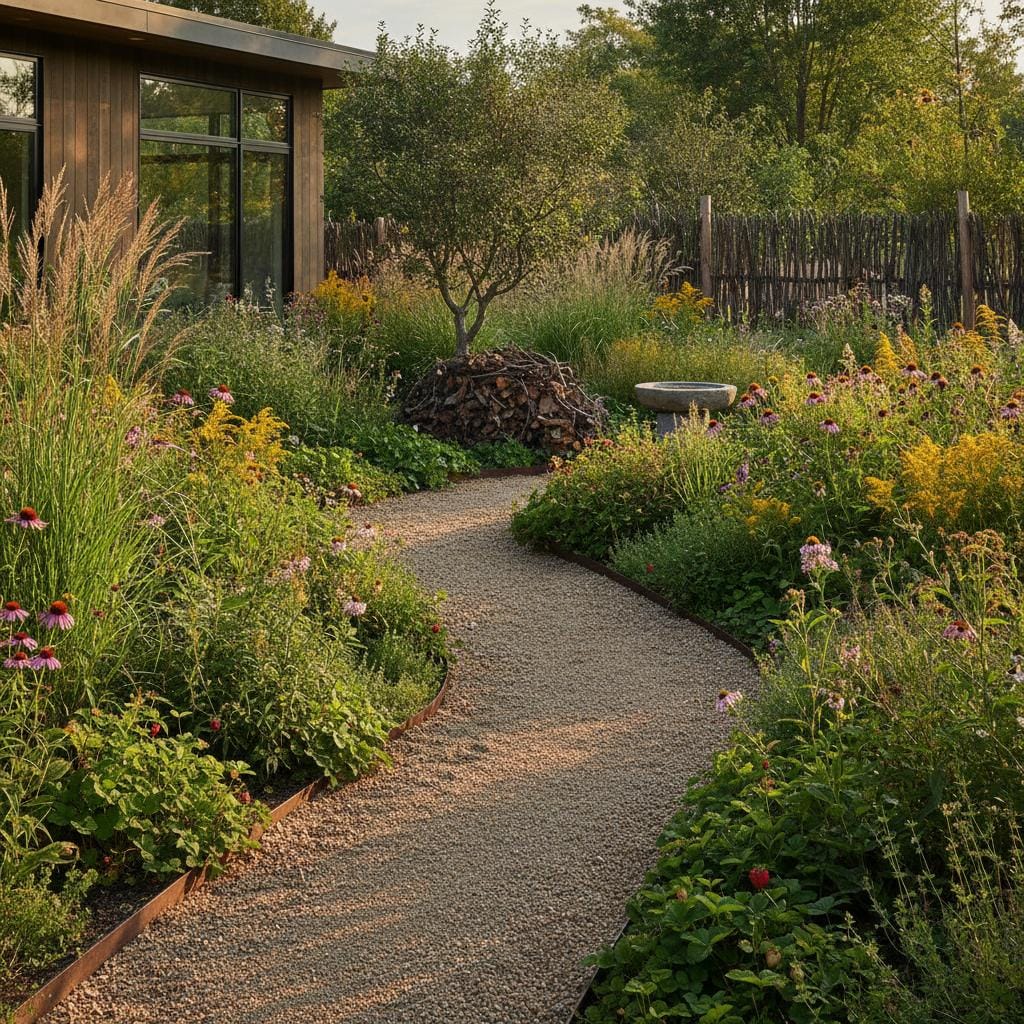
Apply organic mulch like compost or leaf litter to enrich soil without artificial uniformity. Position logs or boulders to form niches for insects and amphibians. These elements blend utility with visual intrigue.
The Personal Dimension of Rewilding
Beyond ecology, rewilding represents a personal journey. It questions conventions of order and dominance, celebrating flaws as features. A buzzing, imperfect garden radiates vitality absent in meticulously groomed plots.
Participants report altered interactions with their surroundings. Relief from upkeep pressures yields joy in spontaneous arrivals: a self-sown asclepias emerges as treasure, not intruder; clover patches summon bees and ease turf demands. The space evolves into dialogue, supplanting routine tasks.
This practice lures individuals outside, heightening awareness of seasonal transitions. Rewilding thus serves as both aesthetic decision and philosophical adjustment, nurturing inquiry and endurance.
Sustaining the Rewilded Landscape
Mature rewilded gardens demand far less effort than conventional designs. The gardener's role persists through subtle adjustments, such as curating species for balance or integrating harmonious newcomers. Flexibility and vigilance remain paramount.
Refinements elevate usability and allure:
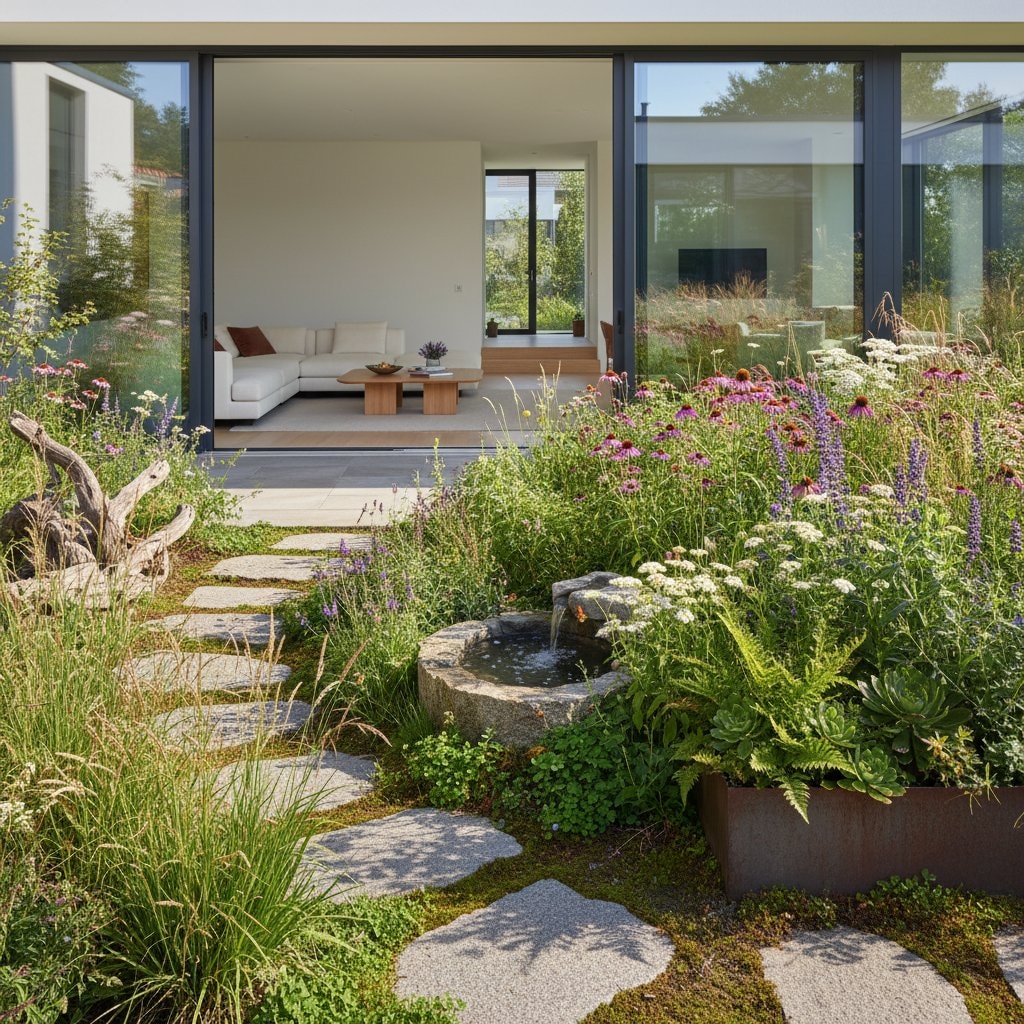
- Install stepping stones in thickets to facilitate traversal.
- Plant seasonal focal points like blooming shrubs or feathered grasses for visual anchors.
- Maintain crisp edges along paths to highlight wild interiors.
These enhancements affirm deliberate care, rendering the garden welcoming daily.
Initiating Your Rewilding Journey
Embark on rewilding without comprehensive redesign. Target a single area, such as an overlooked nook or challenging incline.
Assess site specifics: track drainage patterns, light exposure, and earth composition. Identify plants that engage wildlife and respect spatial needs. These insights tailor controlled chaos to your terrain.
Rewilding shares authority with nature, transforming potential adversary into ally. Granting the yard autonomy often yields an elegance surpassing imposed perfection.