Why Controlled Chaos Transforms Your Yard in 2026
A neatly manicured garden once defined beauty for many homeowners. Edges trimmed precisely, flowers aligned in orderly rows, shrubs sculpted to uniformity. Yet one spring morning, a gentle breeze dispersed seed heads from ornamental grasses across the lawn, landing in previously barren corners. Months later, tender shoots emerged, blurring those rigid lines and revealing an unexpected harmony.
This serendipitous event sparked a shift in perspective. Perfection gave way to a more dynamic beauty, where nature's subtle interventions enrich the landscape. Known as controlled chaos, this approach merges intentional design with natural spontaneity, fostering resilient, low-maintenance yards that evolve effortlessly.
Embracing Imperfection in Garden Design
Controlled chaos thrives on the allure of the unforeseen. Plants intermingle freely, self-seed into open spaces, and form evolving layers of texture and color across seasons. Rather than disruptions, these developments represent nature's dialogue with environmental cues like soil quality, sunlight, and rainfall.
Conventional gardens emphasize rigid control, with short-cropped lawns, impeccably mulched beds, and symmetrical plant arrangements. Such setups offer visual appeal but require ongoing vigilance. A controlled chaos garden, however, adapts organically, drawing in bees for extended visits, retaining soil moisture, and filling the air with subtle wildlife activity.
Balancing Structure and Natural Flow
Controlled chaos avoids outright neglect by incorporating deliberate frameworks that guide growth. Imagine establishing boundaries that channel wild elements into purposeful patterns, much like directing a performance while allowing improvisation.
To achieve this equilibrium, consider these strategies:
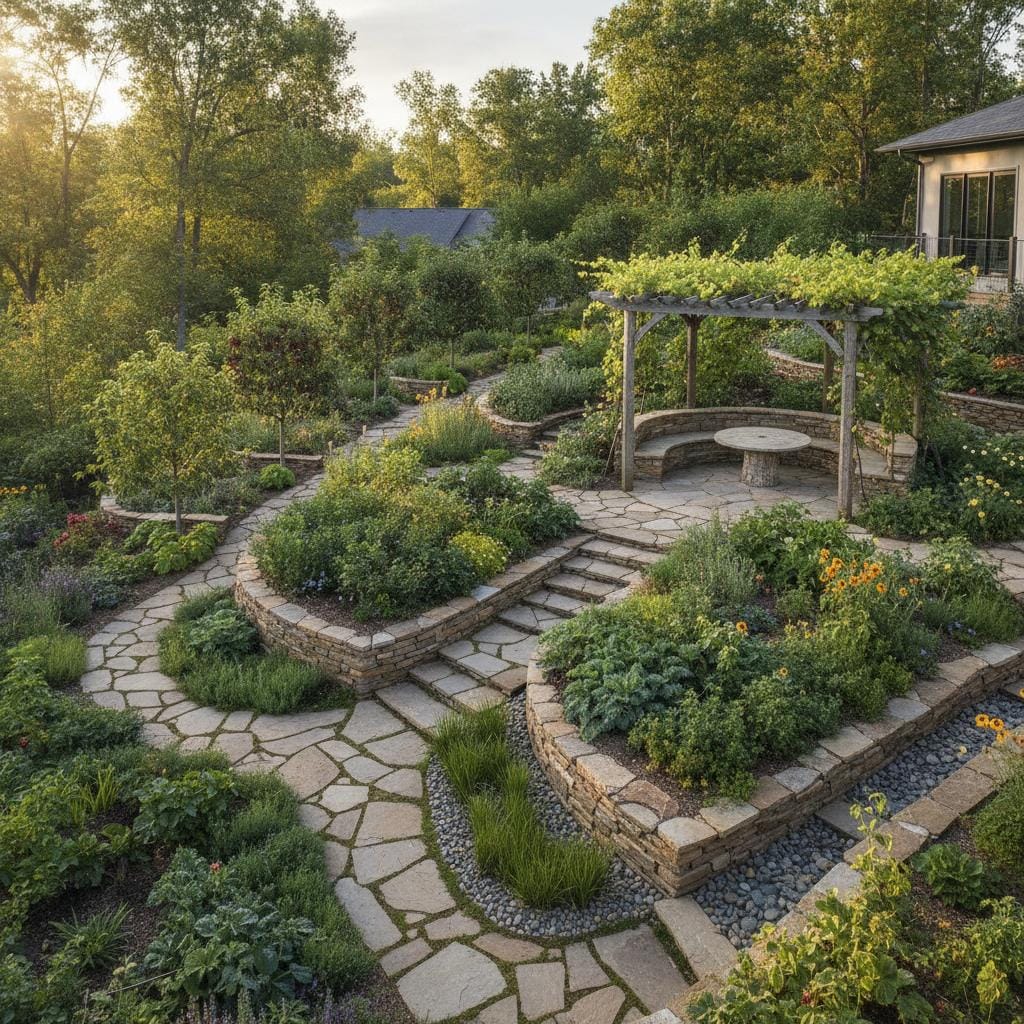
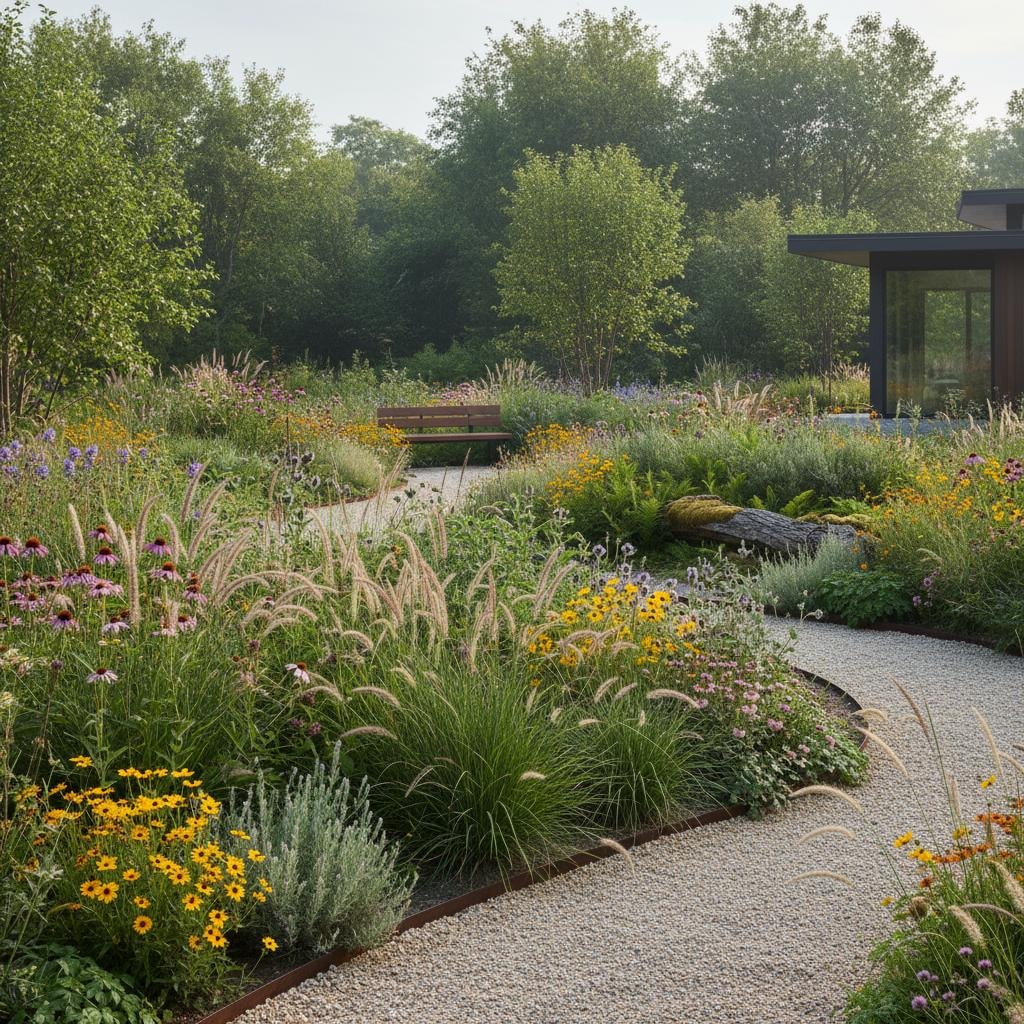
- Establish firm edges with paths or stone borders to delineate planted zones from open areas, ensuring the design appears curated rather than haphazard.
- Incorporate repeating plant species, such as a single type of ornamental grass or perennial, to instill cohesion amid free-spreading growth.
- Select self-seeding options like coneflowers, yarrow, or black-eyed Susans, which naturally populate gaps and minimize replanting efforts.
- Combine varying heights and textures, pairing tall, feathery perennials with compact groundcovers to create a dense yet uncluttered visual effect.
These techniques provide guidance without stifling vitality, easing the demand for uniform upkeep.
Trusting Nature's Adaptive Wisdom
At its core, controlled chaos relies on confidence in natural processes. Ecosystems recover and stabilize when permitted to do so, with plants developing deeper roots and forming symbiotic relationships. This resilience attracts pollinators, bolsters soil health, and diminishes reliance on external interventions.
This philosophy aligns with the rewilding trend, which prioritizes native plants, minimizes synthetic chemicals, and restores ecological functions. Introducing measured disorder in your yard contributes to broader habitat restoration, one plot at a time.
Practically, benefits include reduced fertilizer use, infrequent watering, and less pruning time. Efforts shift toward mindful oversight, transforming the yard into a self-sustaining entity.
Cultivating Awareness Through Observation
Adopting controlled chaos reshapes interaction with outdoor spaces. Subtle details emerge: dew clinging to grass blades, wind rustling seed heads, or the earthy aroma after showers.
Regular observation informs decisions. Track plant compatibilities, intervention timing, and growth patterns to refine the landscape intuitively. This engagement fosters a profound, personalized bond with the garden.
Streamlining Maintenance with Natural Methods
Homeowners appreciate controlled chaos for its efficiency alongside aesthetics. Established naturalistic plantings require far less intervention than traditional setups.
Key advantages include:
- Enhanced drought tolerance from deep-rooted natives, cutting irrigation needs.
- Diminished mowing through lawn conversions to meadows or diverse beds.
- Natural nutrient cycling via soil microbes in mixed plantings, reducing fertilizer applications.
- Built-in pest control from beneficial insects in balanced habitats.
The outcome is a vibrant yard that demands guidance, not domination, allowing it to flourish independently.
Infusing Style and Character
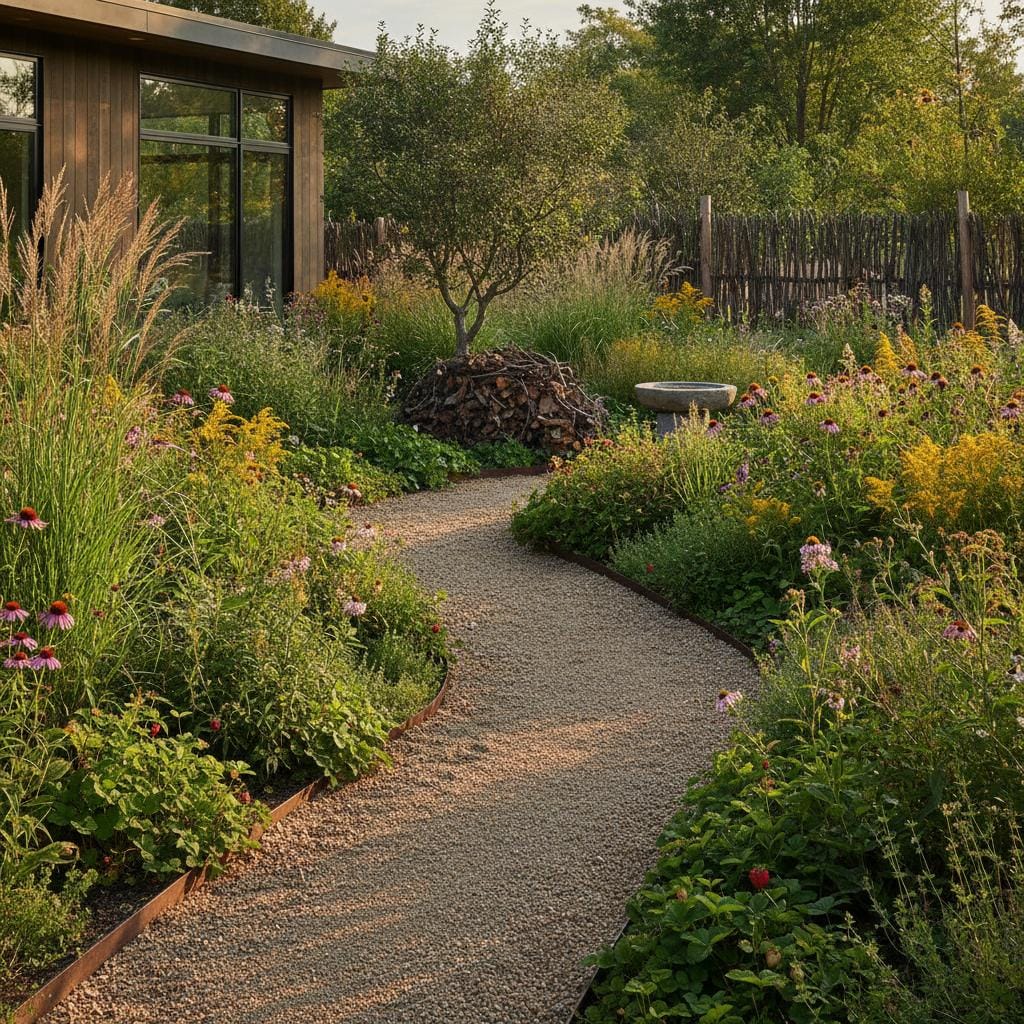
Concerns about a disheveled appearance dissolve with strategic elements. Rustic gravel paths edged by native grasses convey elegance, while a timeworn bench amid blooming perennials invites serene pauses.
Experiment with juxtapositions: delicate blooms against robust leaves, or flowing meadows beside sharp-edged stone features. This interplay of restraint and release infuses the design with vitality, highlighting beauty in nuanced contrasts.
Releasing the Grip on Perfection
Transitioning to controlled chaos challenges ingrained ideals of tidiness as diligence. Landscapes viewed as interconnected systems, not mere showcases, alleviate maintenance burdens.
True natural perfection lies in interdependence, where components mutually sustain one another. Aligning with this flow yields fulfillment through curation rather than ceaseless correction.
Nurturing Seasonal Evolution
As controlled chaos takes hold, the yard transforms cyclically. Plants recede and advance with seasons, birds claim fresh perches, and insects trail floral progressions.
Sustain vitality through light touches: prune faded stems judiciously, retain seed heads for winter texture, and permit leaf litter to enrich soil. Wildlife benefits from these practices, enhancing biodiversity.
Annual reflections may prompt species additions, bed reshaping, or passive watching. Gradually, human and natural influences harmonize, yielding a timeless, adaptive haven.