The Messy Garden Movement: Embrace Rewilding in 2026
Traditional gardens featured meticulously trimmed hedges and flawless lawns as the ideal. Today, an increasing number of homeowners choose to retreat and permit nature to assume control. Known as the messy garden trend or rewilding, this shift redefines approaches to outdoor areas. Far from abandonment, rewilding fosters equilibrium, enhances biodiversity, and develops landscapes that flourish with reduced intervention.
Understanding the Essence of Rewilding
Rewilding a yard involves permitting vegetation to expand in a more organic manner while bolstering indigenous ecosystems, rather than dominating every aspect. Gardening persists, yet with a gentler approach. Select indigenous plants, eliminate intensive chemical applications, and allocate areas for insects, birds, and minor creatures to inhabit and forage.
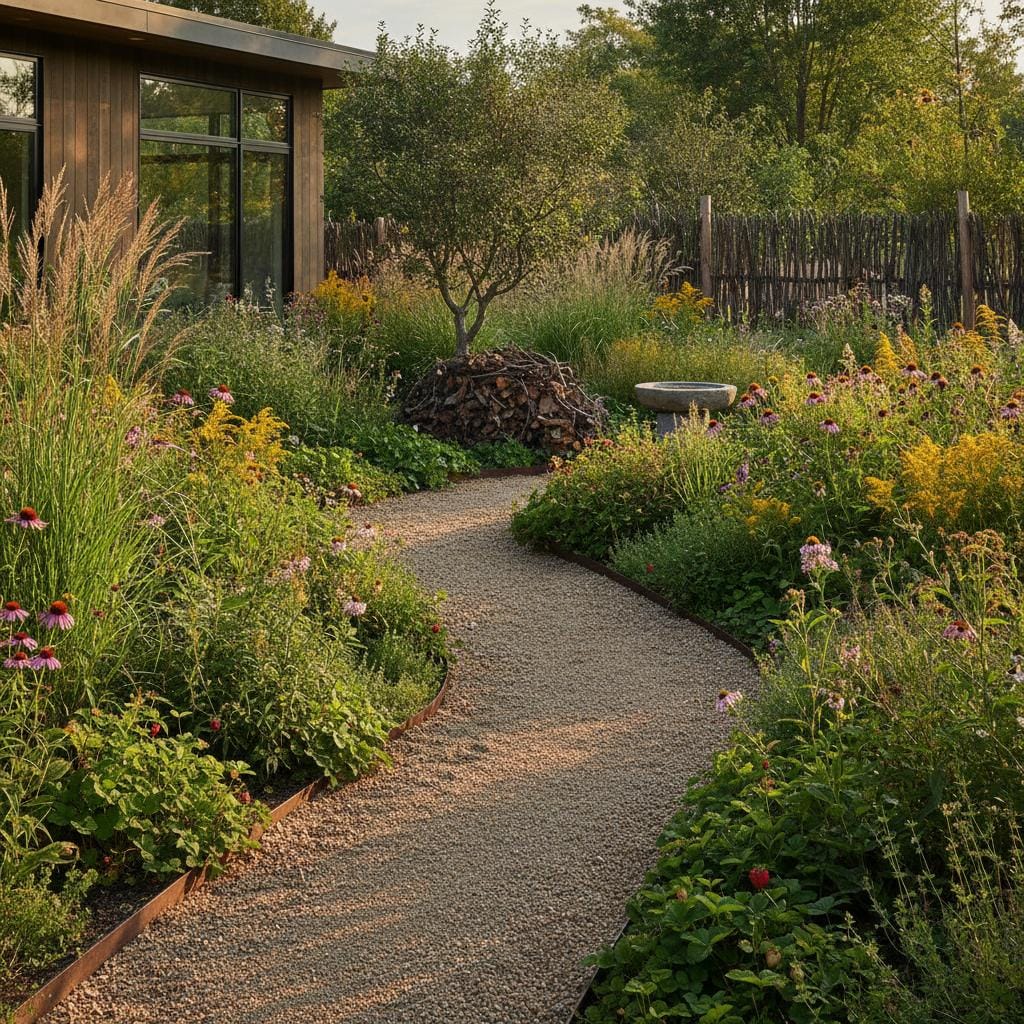
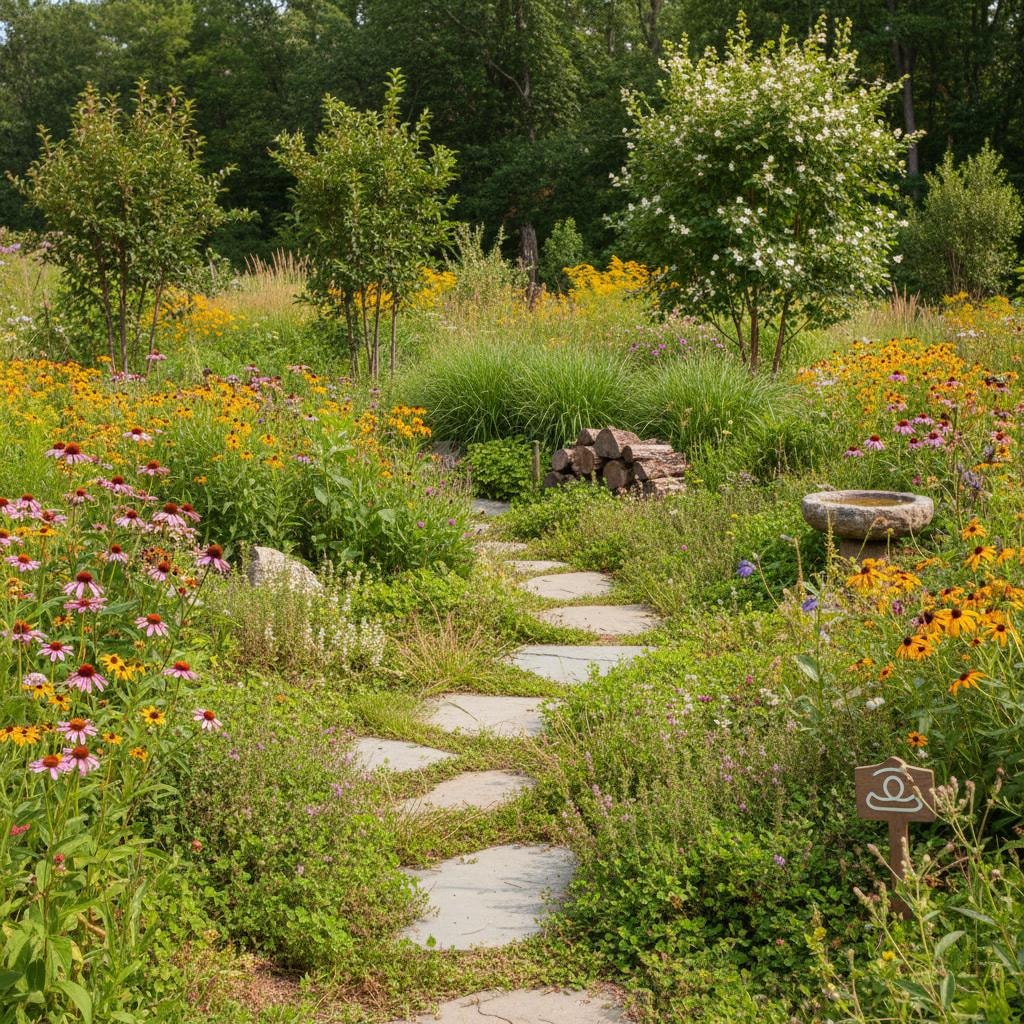
This practice yields a gentler, more authentic aesthetic. Wildflowers intermingle with grasses, accumulated leaves remain to nourish the earth, and pathways curve naturally rather than adhering to rigid geometry. Consequently, the yard conveys vitality and perpetual transformation.
Reasons Homeowners Abandon the Pursuit of Flawlessness
The attraction of rewilding combines practicality with ecological advantages. Such gardens demand less frequent mowing, irrigation, and nutrient supplementation, thereby conserving time and funds. They also aid pollinators, including bees and butterflies, which in turn benefit adjacent gardens and agricultural fields.
Numerous individuals appreciate a yard that maintains appeal throughout the year without relentless maintenance. Rather than weekly pruning, one may prune growth only once or twice annually. Moreover, a natural garden withstands periods of aridity and intense precipitation more effectively, thanks to extensive root systems and improved soil vitality.
Homeowners often report a sense of liberation from the pressures of perfection. This style aligns with broader environmental awareness, contributing to larger conservation efforts. As climate challenges intensify, rewilded spaces demonstrate resilience and sustainability.
Initiating Your Journey into a Messy Garden
Complete overhaul proves unnecessary; rewilding commences with modest adjustments. Begin by identifying suitable areas, such as underutilized lawn sections or borders, where changes introduce minimal disruption.
Consider these practical strategies:
- Permit sections of lawn to grow longer. A modest area of extended grass harbors insects and diminishes mowing requirements, fostering a foundational habitat layer.
- Incorporate native wildflowers. Opt for species adapted to your local climate, such as coneflowers or black-eyed Susans, which establish robustly with scant additional support.
- Retain leaf litter and branches. These materials decompose to amend the soil and provide refuge for ground-dwelling insects and avian species.
- Forgo chemical pesticides. Encourage biological balance by allowing beneficial predators, like ladybugs and songbirds, to manage pest populations naturally.
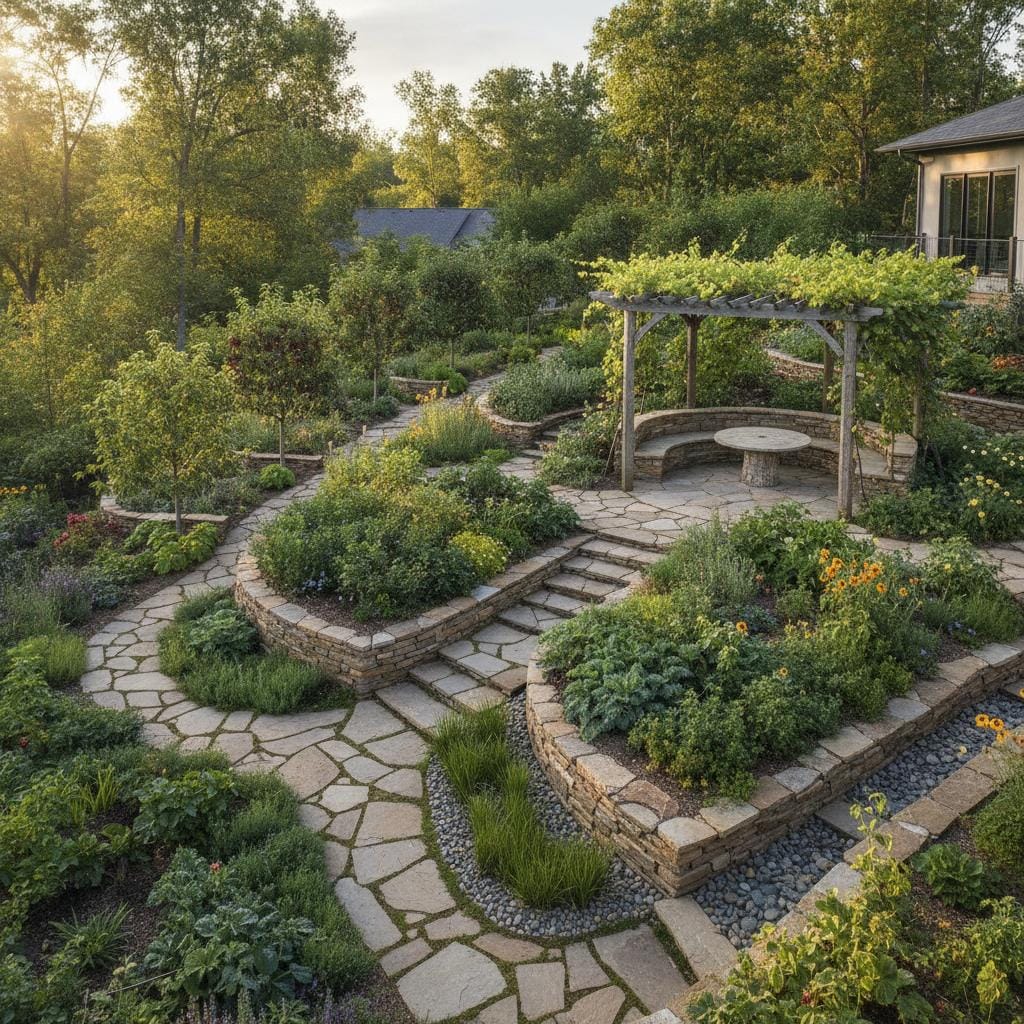
- Develop stratified planting areas. Combine ground-level covers, intermediate blooms, and elevated shrubs or trees to replicate the diverse architecture found in wild environments.
Observe initial responses from your yard, adjusting as native elements integrate. Patience rewards with a cohesive, evolving design.
Evaluating Expenses and Effort
Surprisingly economical, a messy garden leverages accessible resources. Initiate with affordable seed packets or propagate divisions from established plants to minimize initial outlays. Engaging a professional for a bespoke natural design may involve higher preliminary costs, yet yields long-term reductions in ongoing expenses.
Effort diminishes considerably after establishment. Allocate a few hours monthly to excise aggressive weeds or selectively prune overgrowth, eliminating the routine of weekly turf management. Gradually, soil quality elevates organically, lessening reliance on external amendments.
Compare this to conventional upkeep: traditional lawns often require substantial water and fuel for equipment, whereas rewilded areas self-regulate. Over years, savings accumulate, allowing reinvestment in further enhancements like bird feeders or additional natives.
Managing Seasonal Transitions
Rewilded gardens evolve dynamically across seasons, each phase revealing unique attributes. Spring heralds fresh emergence and vibrant hues from awakening perennials. Summer pulses with activity as butterflies and bees navigate blooming expanses.
Autumn contributes foliage that, when left in place, breaks down to fortify the substrate. Winter exposes skeletal forms of seed pods and persistent grasses, sustaining foraging birds through lean months.
Minimal intervention suffices: in late winter, clip faded stalks and clear walkways if desired, preserving the bulk of the garden intact for faunal support. This cyclical care reinforces the garden's autonomy.
Observing the Vitality of Your Rewilded Space
Ceasing resistance to natural processes unveils abundant life in your yard. Avian visitors proliferate, pollinators thrive amid flora, and the earth exudes a fertile aroma. A rewilded garden matures into an autonomous domain that replenishes more than it demands.
Embracing this movement cultivates authentic beauty, bolsters indigenous fauna, and alleviates maintenance burdens. This straightforward evolution instills tranquility and fosters deeper bonds with your surroundings. Your yard becomes not just a space, but a living sanctuary.