Why the Messy Garden Movement Will Transform Your Yard
Many homeowners feel both affection and fatigue when they look at their yards. They notice potential beneath the weeds and corners where nature reclaims trimmed spaces. The messy garden movement offers a path forward by trading manicured lawns for natural balance and ecological support.
Understanding the Messy Garden Idea
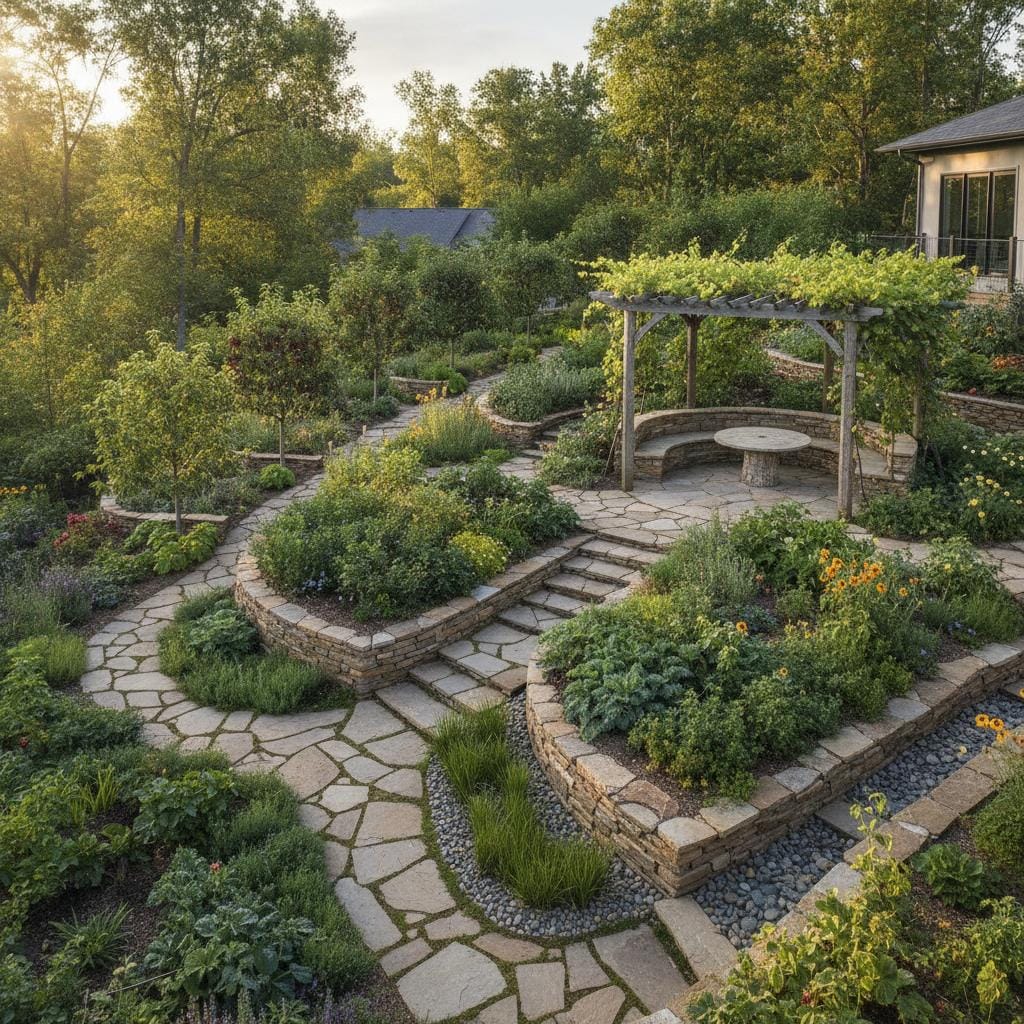
A messy garden focuses on balance rather than neglect. Plants grow in natural clusters while leaves enrich the soil and wildlife occupies brushy areas. This method copies natural systems where each element contributes to overall health.
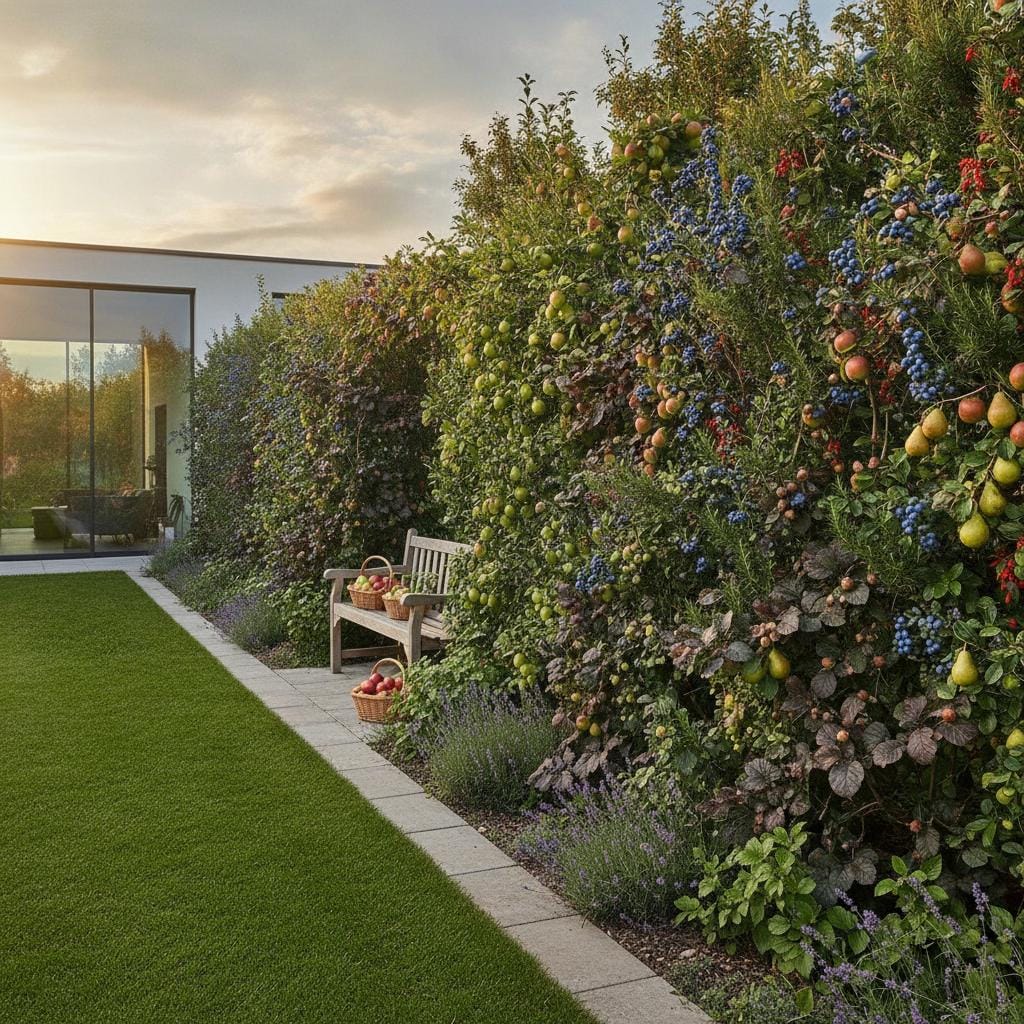
Traditional landscaping favors neat edges and uniform shapes. The messy approach values variety instead. Native grasses next to wildflowers may appear unplanned yet they support pollinators and reduce water needs.
Observing Your Current Yard
Walk slowly through the space and note sunlight patterns along with areas where water collects. Identify plants that already grow well without extra effort. These observations show the natural tendencies of the site.
Consider these points during the walk:
- Which sections appear overworked or bare?
- Where do bees or birds already appear?
- Which spots show struggling grass that native plants could replace?
This review turns problems into opportunities for ecosystem support.
Planning the Restoration
Begin with one small section such as a fence corner or walkway border. Native plants form the base because they match local weather and soil conditions. This choice cuts watering and chemical use while providing seasonal color.
Mix plants of varying heights and bloom times to maintain balance. Taller species offer shade while ground covers retain moisture. The resulting layers include canopy trees, mid-height perennials, and protective mulch that together create a self-sustaining cycle.
Implementing Intentional Changes
Plant with purpose instead of strict tidiness. Leave seed heads through winter to feed birds and allow some wild edges for insect nesting. Shred fallen leaves lightly for mulch rather than bagging them all.
Additional starter actions include these steps:
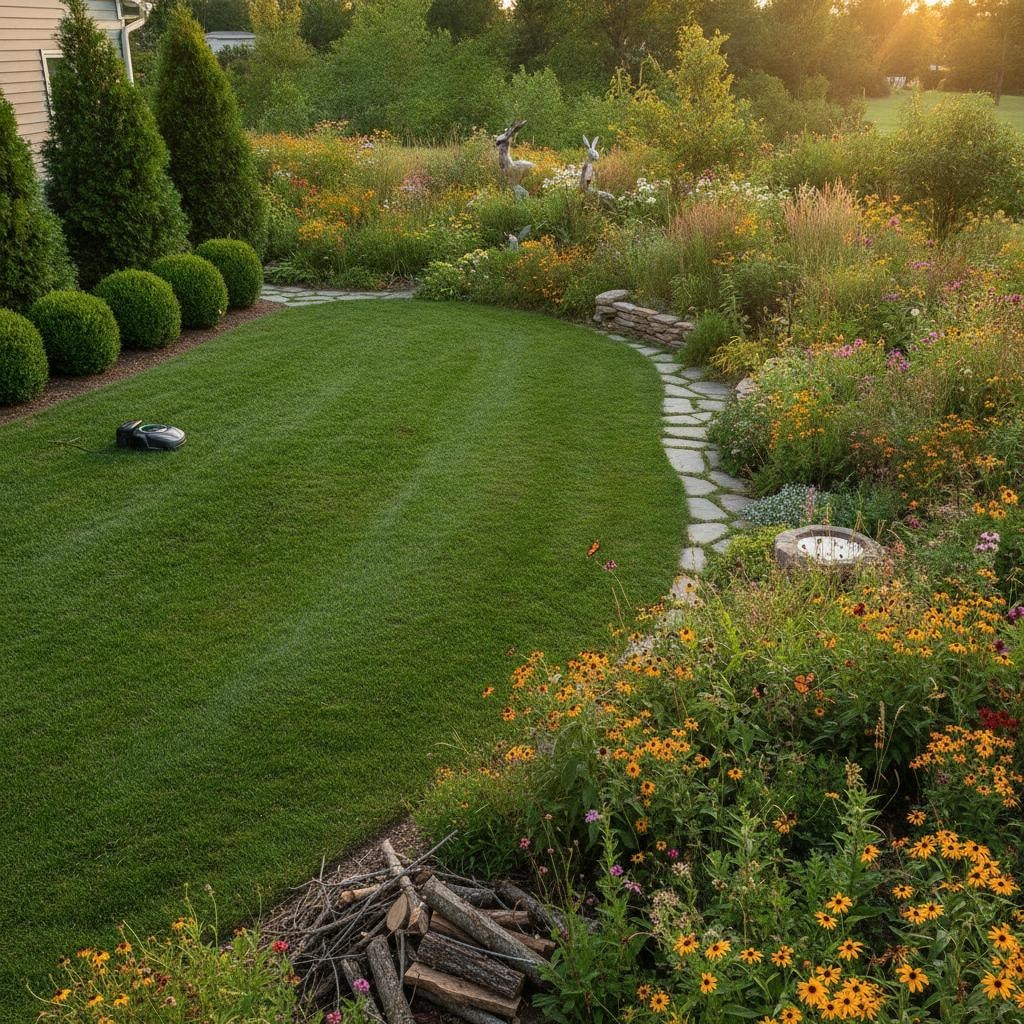
- Replace one grass strip with native perennials.
- Place a shallow water dish for birds and insects.
- Build a brush pile in a back corner for shelter.
- Permit clover to spread in lawn areas.
These measures shift the yard toward steady ecological function.
Supporting Returning Wildlife
Wilder growth brings visible activity as bees move between flowers and birds nest in shrubs. Each visitor contributes to balance by pollinating plants and controlling pests. The space becomes a refuge that also offers calm for the gardener.
Adjusting Maintenance Practices
Maintenance shifts from weekly mowing to seasonal path trimming. Leave some branches to decay and pull only invasive weeds. In cooler months keep seed heads and stems in place to protect soil and feed wildlife.
Add compost from kitchen scraps and leaves to build soil nutrients. Richer soil produces stronger plants and fewer diseases over time.
Discovering Value in Natural Form
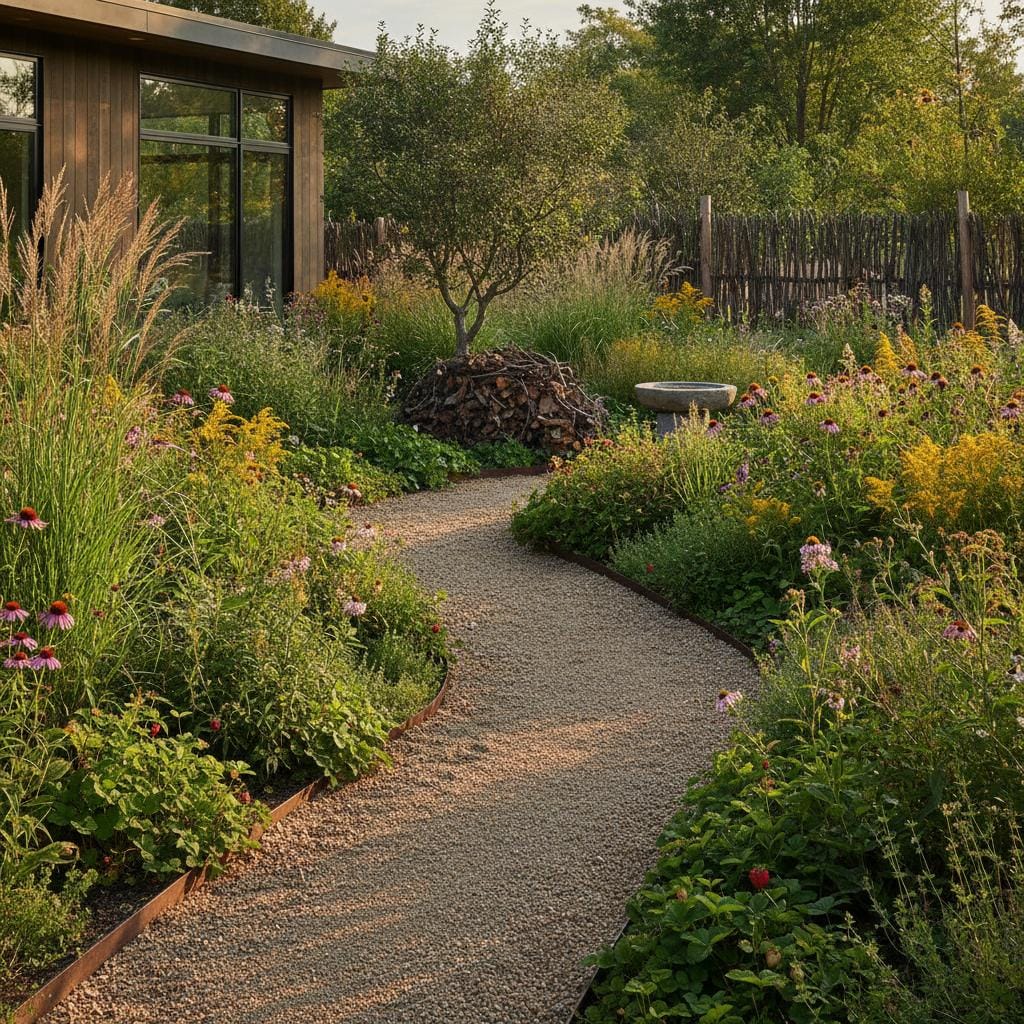
Texture and seasonal change replace the demand for uniformity. Goldenrod beside stone or tall grass in evening light provides visual interest without pruning. Neighbors may question the free growth yet results appear in active pollinators and healthy ground.
Realizing Environmental and Personal Gains
Fewer chemicals protect nearby water sources while native roots limit erosion. The gardener gains mindfulness through noticing first blooms or returning birds. These observations build patience and lasting connection to the space.
Sustaining the Established Garden
Observe conditions before acting and add organic matter each season. Protect small undisturbed zones for insects. Accept uneven growth as evidence of active life. Over successive seasons the yard settles into its own resilient rhythm.