Why Messy Gardens Will Transform Your Yard in 2026
A quiet satisfaction emerges when a garden develops without constant intervention. For generations, the ideal yard appeared as a neatly manicured expanse, with hedges precisely shaped and flowers aligned in rows. However, an increasing number of gardeners now appreciate the appeal of a more organic approach. This subtle wildness infuses a yard with vitality that surpasses the static perfection of a uniform lawn.
The Beauty in Letting Go
A messy garden represents intentional harmony rather than neglect. Nature contributes to the layout, creating fluid forms instead of strict patterns. Sunflowers may arch toward a walkway, ferns extend past designated areas, and bees navigate through grasses that undulate with the wind. Such dynamic elements generate a sense of energy and plenty, drawing people into the garden's rhythm.
By releasing the need for total control, observers notice subtle wonders previously overlooked. Dew gathers on milkweed leaves in the morning light, while a overlooked clover section supports butterflies and bees throughout the day. Messy gardens encourage mindful presence, shifting focus from domination to appreciation.
What “Messy” Really Means
The term messy carries a misleading connotation, yet in gardening contexts, it signifies equilibrium. Such spaces integrate intentionally planted species with self-seeding arrivals, structured plots with unplanned expansions. The objective involves collaboration with the environment rather than abandonment.
Characteristics of a messy garden include:
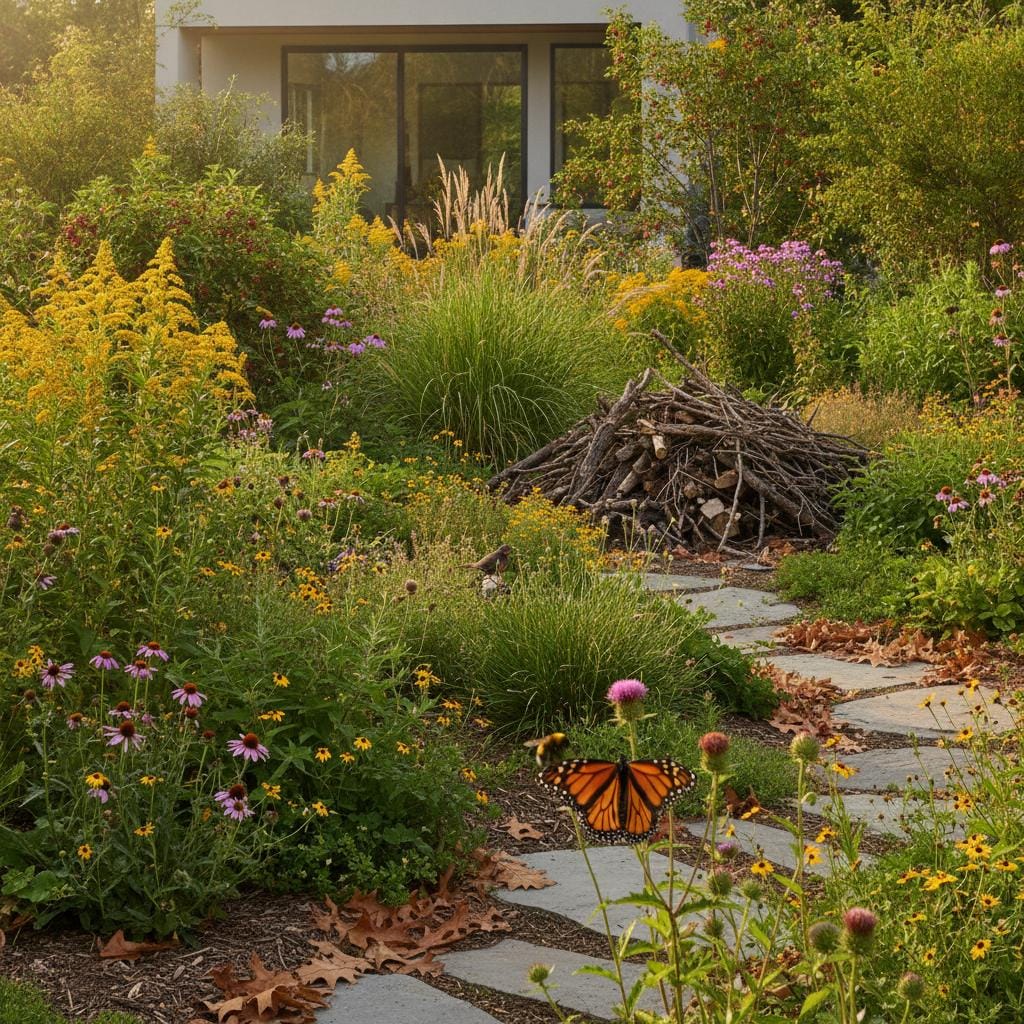
- Native plants such as black-eyed Susans or coneflowers, which perennialize reliably with minimal irrigation or amendments.
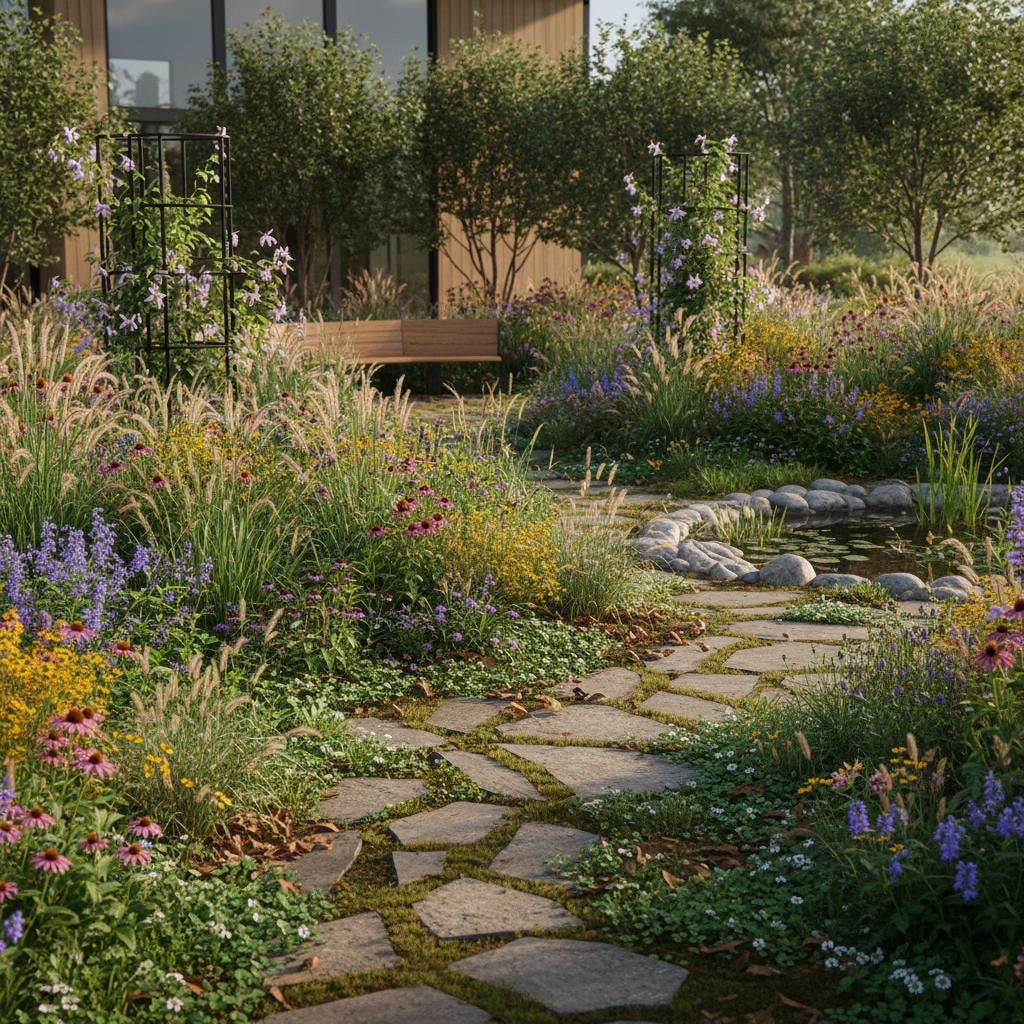
- Varied textures achieved through combinations of upright prairie grasses, blooming perennials, and sprawling vines.
- Organic matter like accumulated leaves or twigs, which insulate soil, retain moisture, and provide habitats for beneficial organisms.
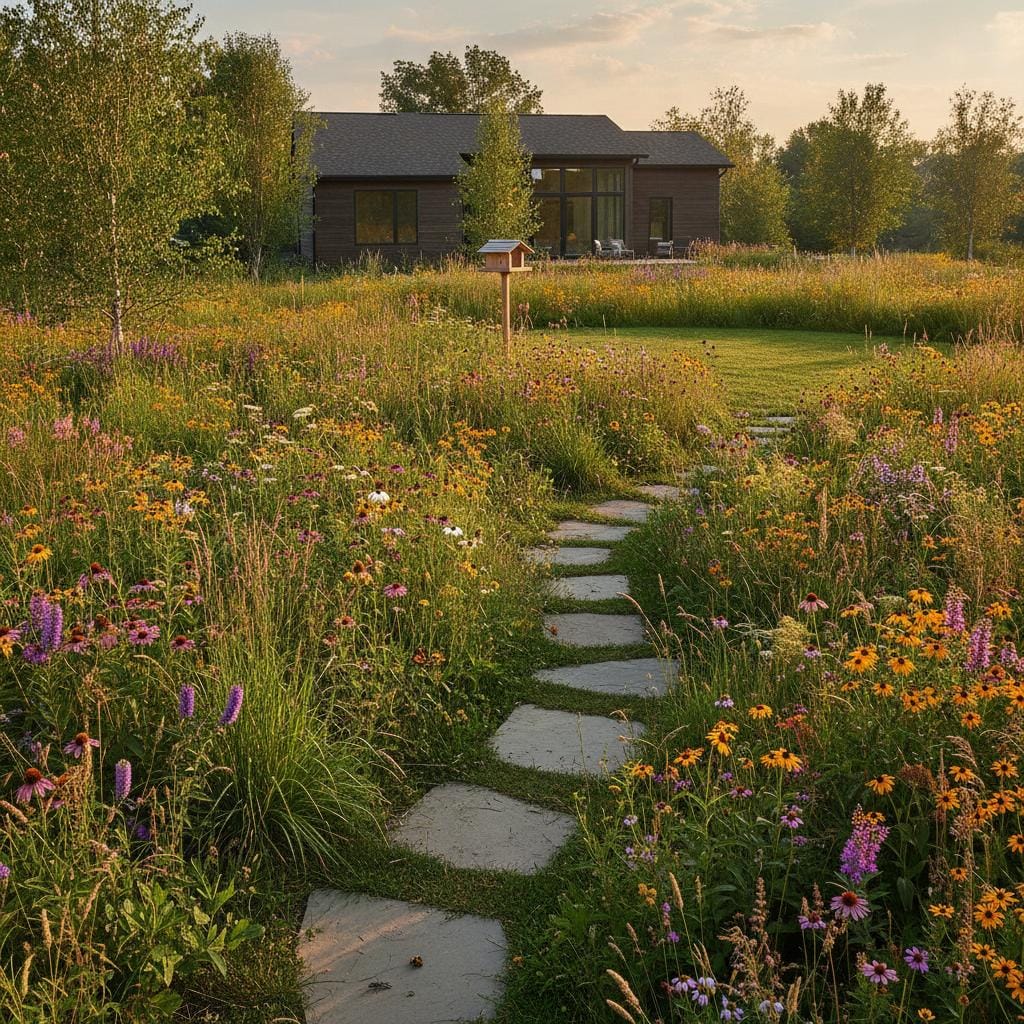
- Soft boundaries where planted areas merge seamlessly into lawns or paths, promoting a cohesive landscape.
This style projects ease and invitation. It honors variation in flora and the creatures that interact with it, fostering a resilient and visually engaging environment.
Why It Works for Modern Yards
Homeowners value messy gardens for their straightforward demands. After initial establishment, upkeep diminishes significantly, with reduced needs for frequent mowing, supplemental water, or synthetic inputs. Soil quality improves through natural processes, supporting robust plant health and surrounding wildlife.
These gardens align with demanding schedules. Rather than dedicating hours to relentless trimming or eradication of growth, individuals engage in brief, purposeful tasks. Remove invasive weeds during a morning break, selectively prune overreaching branches, and permit the majority to evolve independently.
Environmental consciousness further drives this shift. Conventional turf demands nutrients and treatments that pollute streams and harm aquatic life. In opposition, rewilded areas absorb stormwater, stabilize earth, and attract pollinators, avian species, and rodents, restoring ecological balance to urban settings.
Finding Your Balance
Embracing natural growth does not require abandoning all organization. View the garden as a partnership, offering gentle direction amid freedom. Strategic decisions ensure the area remains purposeful without appearing unkempt.
Consider these strategies:
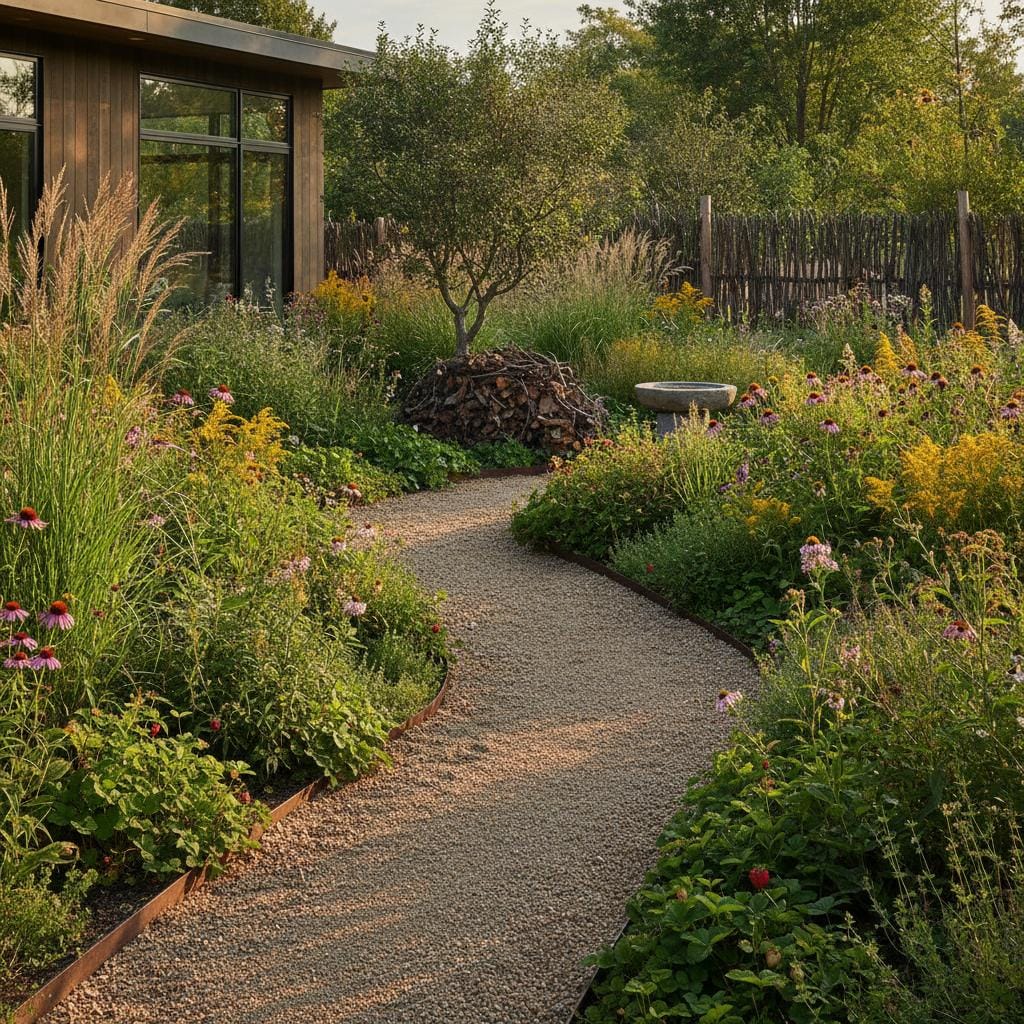
- Establish borders. Incorporate mulch borders, wooden dividers, or gravel walks to delineate wild zones from structured ones.
- Incorporate repeats. Select three to five signature plants, such as lavender or switchgrass, to unify the composition and avoid disorder.
- Blend elements. Combine wispy ornamental grasses with bold hosta foliage or fragile daisies alongside robust hydrangeas for depth.
- Install anchors. Position a stone sculpture, arbor, or water feature to create stability and encourage relaxation within the space.
As seasons progress, the garden reveals preferences. Certain species, like goldenrod, prosper unattended, whereas others, such as roses, benefit from occasional support. This ongoing dialogue builds intuition and refines the landscape.
Living with Your Design
Adopting a messy garden cultivates appreciation for seasonal shifts. Wilted summer flowers yield to seed pods that sustain finches in autumn, while decomposing foliage enriches the ground for spring emergence. These cycles weave a narrative of continuity and renewal.
A rewilded yard emphasizes vitality, variety, and linkage over flawlessness. Initiate changes modestly, such as permitting a border to naturalize or substituting sod with a pollinator meadow of asters and bee balm. Gradually, tranquility and motion permeate the area, evolving the garden into an interactive sanctuary rather than an obligation.
Messy gardens embody confidence in natural processes, endurance, and reverence for environmental cycles. By granting space for independent development, the yard responds with spontaneous energy grounded in enduring stability.