Discover the Transformative Potential of Rewilding for Yard Biodiversity
A yard that appears overly manicured often lacks vitality. Rewilding offers a solution by permitting nature to reclaim portions of your outdoor area, fostering the growth of plants and wildlife in their natural forms. This approach emphasizes harmony over uniformity, enabling you to maintain an attractive space that nurtures bees, butterflies, birds, and additional wildlife.
Rewilding requires no complete surrender of your yard. Instead, it involves a gentler management style where you steer development rather than dominating every detail. The result is a dynamic, varied, and largely self-regulating landscape that pulses with life.
Initiate with Modest Areas for Noticeable Impact
Rewilding demands no overhaul of your full property. Select a single zone to begin, such as a ten-foot by ten-foot area, where shifts become evident quickly.
First, decrease the frequency of mowing. Limit cuts to once monthly or designate a specific meadow zone free from regular trimming. Such practices allow clover, violets, and indigenous grasses to bloom, drawing in essential pollinators like bees and hoverflies.
Subsequently, eliminate invasive plants that dominate the ecosystem. Species such as English ivy or Japanese barberry suppress native growth and disrupt local balance. Substitute them with regionally appropriate plants, sourced from lists provided by nearby garden centers or environmental organizations. For instance, in temperate zones, consider black-eyed Susan or coneflower for their pollinator appeal and resilience.
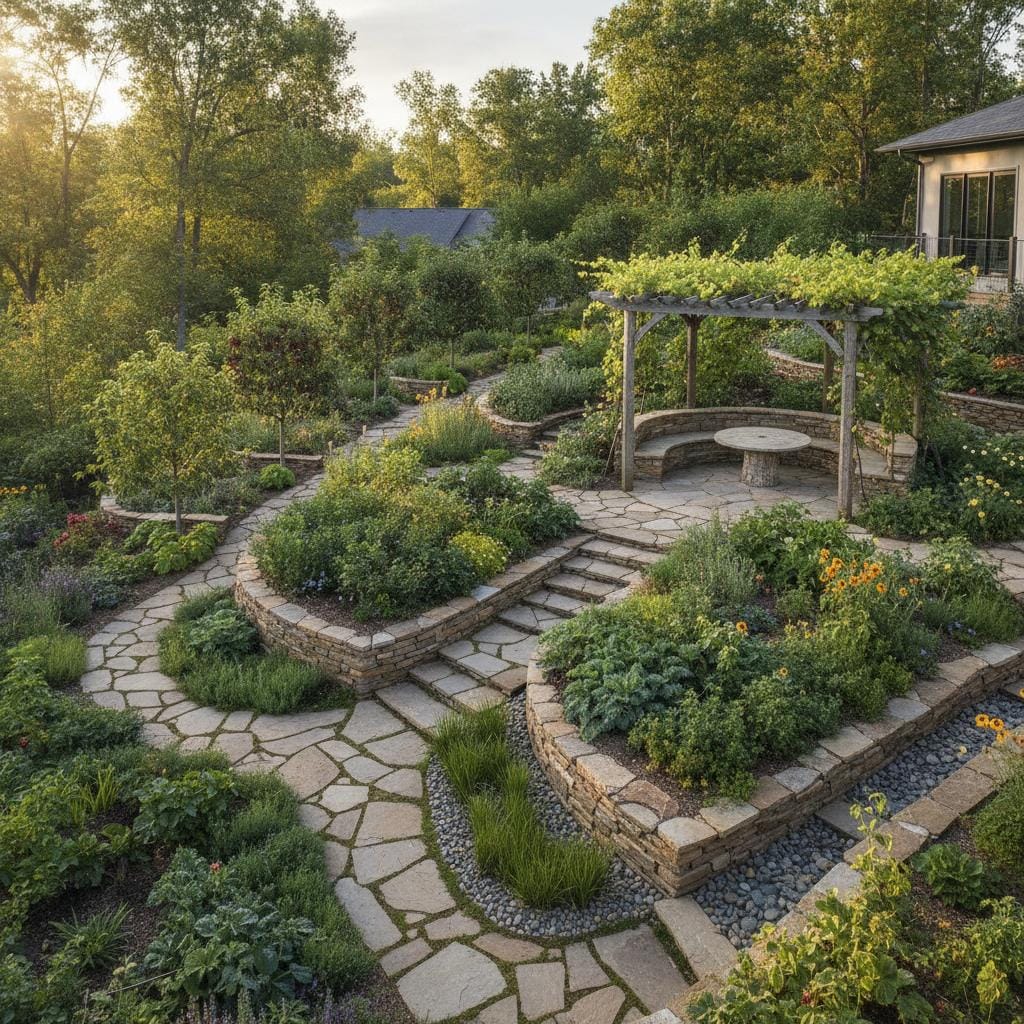
Finally, establish layered plantings to mimic natural habitats. Integrate low-growing groundcovers like creeping phlox with mid-height perennials such as bee balm and taller shrubs like serviceberry. These layers offer concealed spots for nesting and foraging, while elevated foliage generates shade to retain soil moisture and promote root health.
Provide Essential Water and Shelter to Sustain Wildlife
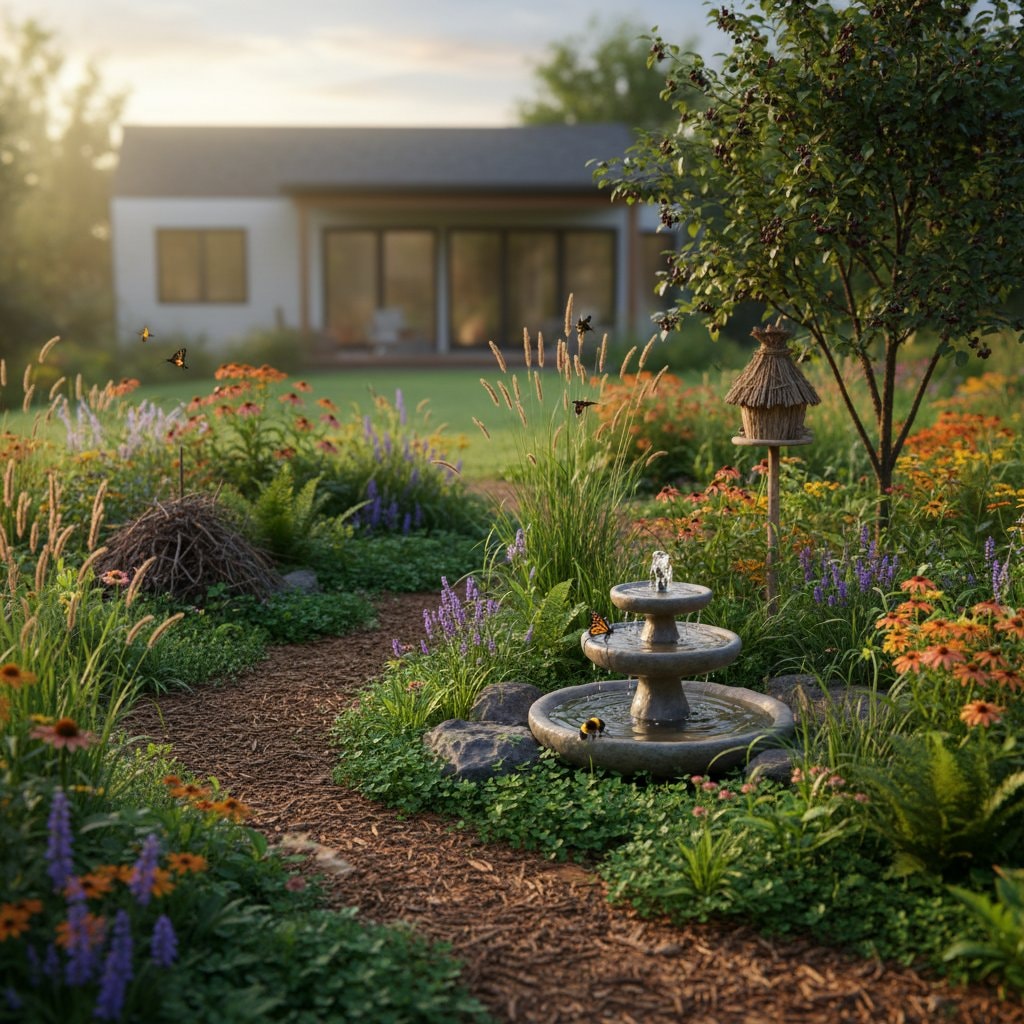
Plants alone insufficiently support wildlife; access to water and secure refuges proves equally vital. Install a simple birdbath or a shallow basin lined with pebbles to offer drinking and bathing sites. Refresh the water supply regularly and position it in a shaded, accessible location to prevent stagnation and encourage visits from songbirds and small mammals.
Construct natural hideaways using stacked logs, arranged brush piles, or grouped rocks. Retain select dead branches on trees or shrubs if structural safety permits, as these serve as habitats for cavity-nesting birds and wood-boring insects that form the base of the food chain. Supplement with purpose-built elements like wooden birdhouses sized for local species or bamboo-stuffed bee hotels to accommodate solitary pollinators.
Observe Tangible Advantages in Environment and Daily Life
Rewilding elevates aesthetics while delivering broader environmental and personal gains, benefiting both your property and surrounding areas.
Key environmental advantages include:
- Enhanced soil quality that improves water retention and minimizes erosion through deep-rooted native plants
- Diminished reliance on chemical fertilizers and pesticides, safeguarding nearby streams and groundwater from contamination
- Creation of shaded zones that lower ambient temperatures around your residence during summer heat
Direct personal advantages encompass:
- Decreased ongoing maintenance expenses as the landscape shifts toward self-reliance
- Increased visual interest through seasonal blooms, fluttering insects, and avian activity
- Deeper personal bond with the environment, accessible steps from your living space
Properties featuring rewilded designs often appeal to prospective buyers valuing eco-friendly features, potentially elevating market value.
Address Typical Hesitations with Practical Strategies
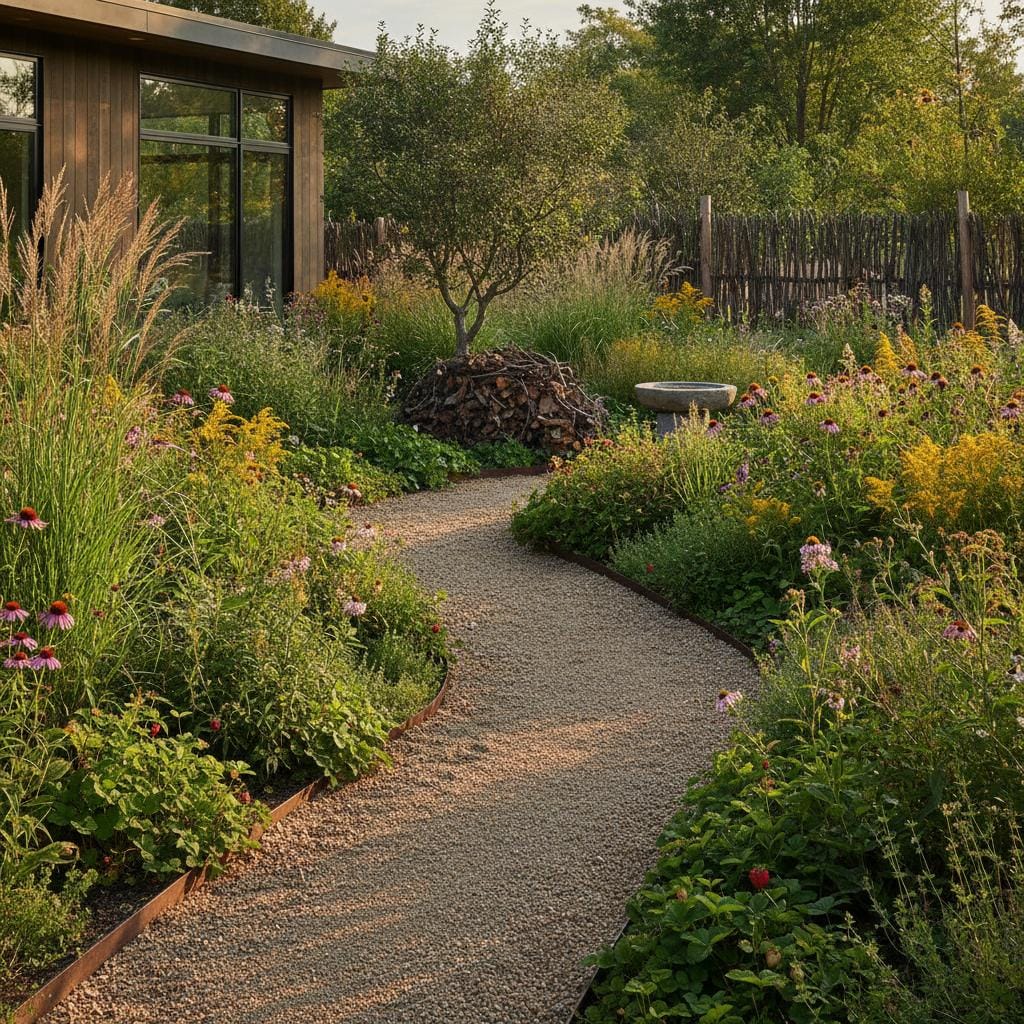
Homeowners frequently express concern that rewilding leads to unkempt appearances. Counter this by incorporating defined boundaries and access routes. Frame meadow sections with neatly trimmed borders or install edging stones and subtle fencing to convey purposeful design.
Anticipate inquiries from neighbors regarding the shift. Highlight how rewilding bolsters pollinator populations and curbs stormwater runoff into streets. As your yard flourishes with diverse flora and fauna, observers typically develop interest and may seek guidance to implement similar changes.
In regulated communities, review municipal guidelines on vegetation height and native species integration prior to alterations. Most jurisdictions permit thoughtfully tended natural areas, provided they avoid signs of neglect such as unchecked weed overgrowth.
Advance Your Rewilding Journey Step by Step
Select a compact yard section and permit natural processes to guide initial development. Swap out turf grass in that spot with a mix of native wildflowers, position a modest water feature nearby, and monitor arriving species. Document successful plant establishments and frequent wildlife sightings to inform future expansions.
Patience forms the cornerstone of rewilding alongside initial plantings. Expect progressive evolution as your yard evolves into an interconnected habitat. Ultimately, you gain a resilient domain that champions biodiversity, conserves effort and funds, and restores your intimate link to the surrounding natural realm.