Why Rewilding Your Yard Leads 2026 Garden Trends
A garden reveals much about its steward, much like the home it adjoins. Certain gardens display meticulous rows, with shrubs clipped to precise forms and blooms selected for coordinated hues. Others pulse with vitality, hosting bees, birds, and the subtle rhythm of unchecked growth. Experience has taught that each style holds merit, yet an increasing number of gardeners favor the dynamic approach known as rewilding.
Rewilding involves more than permitting a yard to descend into disorder. Professionals define it as restoring ecological equilibrium by fostering coexistence among plants, soil, insects, and wildlife with limited human intervention. This philosophy posits that true beauty arises from collaboration rather than domination. For numerous homeowners, adopting rewilding provides relief from the relentless pursuit of flawlessness through perpetual mowing, trimming, and irrigation.
The Evolving View of Lawns
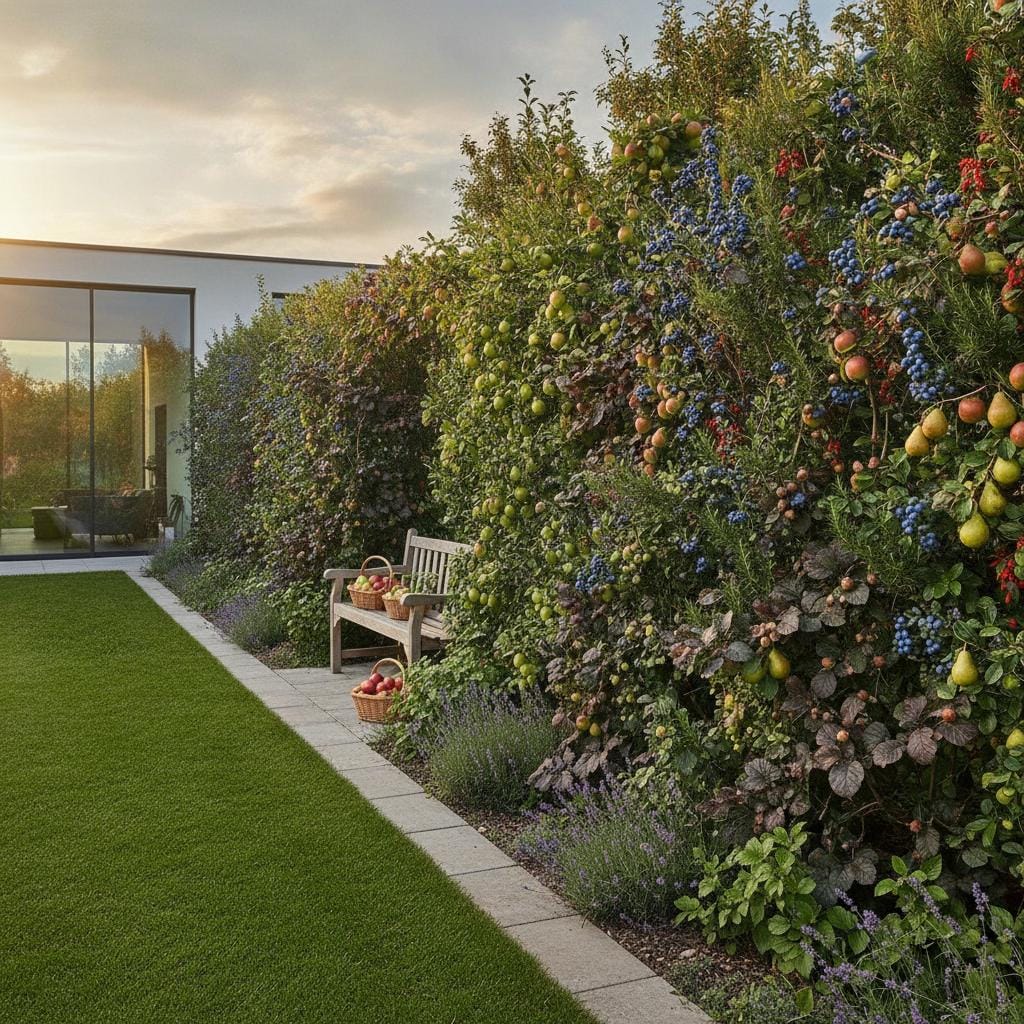
For generations, the pristine green lawn symbolized achievement and discipline. Society often equated a flawless turf with a meticulously maintained residence. However, such lawns exact a heavy toll, requiring frequent watering, fertilization, mowing, and occasionally pesticides that degrade soil health and displace local fauna. As awareness grows regarding these drawbacks, rewilding presents a compelling, low-maintenance option.
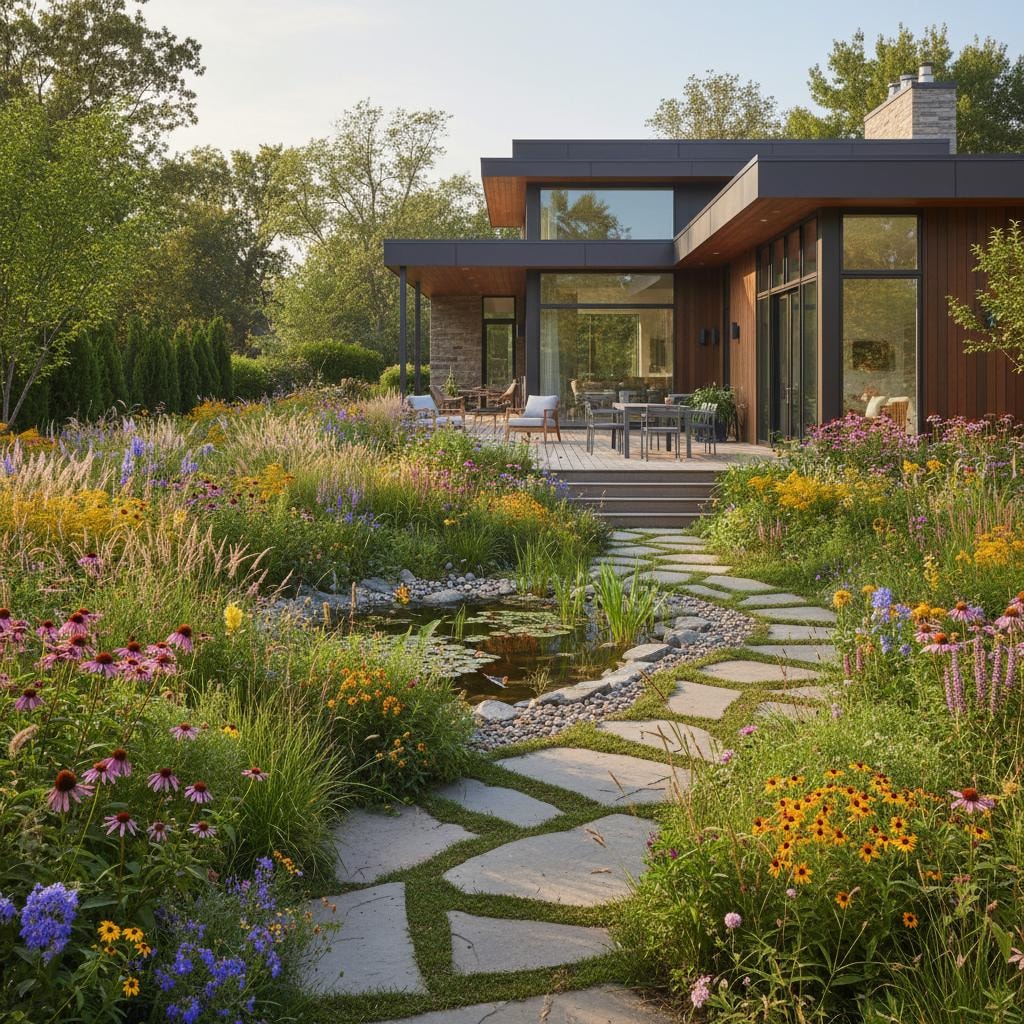
A rewilded lawn maintains visual appeal without uniformity. Consider substituting expansive grass with a mosaic of ground covers like creeping thyme, wild violets, or carex sedges. These choices demand minimal irrigation and infrequent cutting while serving as nectar sources for bees and butterflies. Alternatively, permit select areas to mature, interspersing native bunchgrasses with perennials such as black-eyed Susans or coneflowers that dance in the wind. The outcome yields a textured, lively expanse that invites relaxation.
This transition mirrors shifting priorities beyond mere aesthetics. Individuals now weigh ecological consequences alongside neighborhood standards. A thriving, pesticide-free yard alive with pollinators emerges as a contemporary emblem of environmental stewardship, prioritizing planetary health over rigid conformity.
Design Opportunities in Rewilded Landscapes
Rewilding expands the scope of beauty without sacrificing elegance. Formal gardens emphasize alignment and opposition, whereas rewilded ones celebrate layering, motion, and nuanced diversity. Intentional planning persists, but the overall effect conveys ease and authenticity.
Integrating Order and Spontaneity
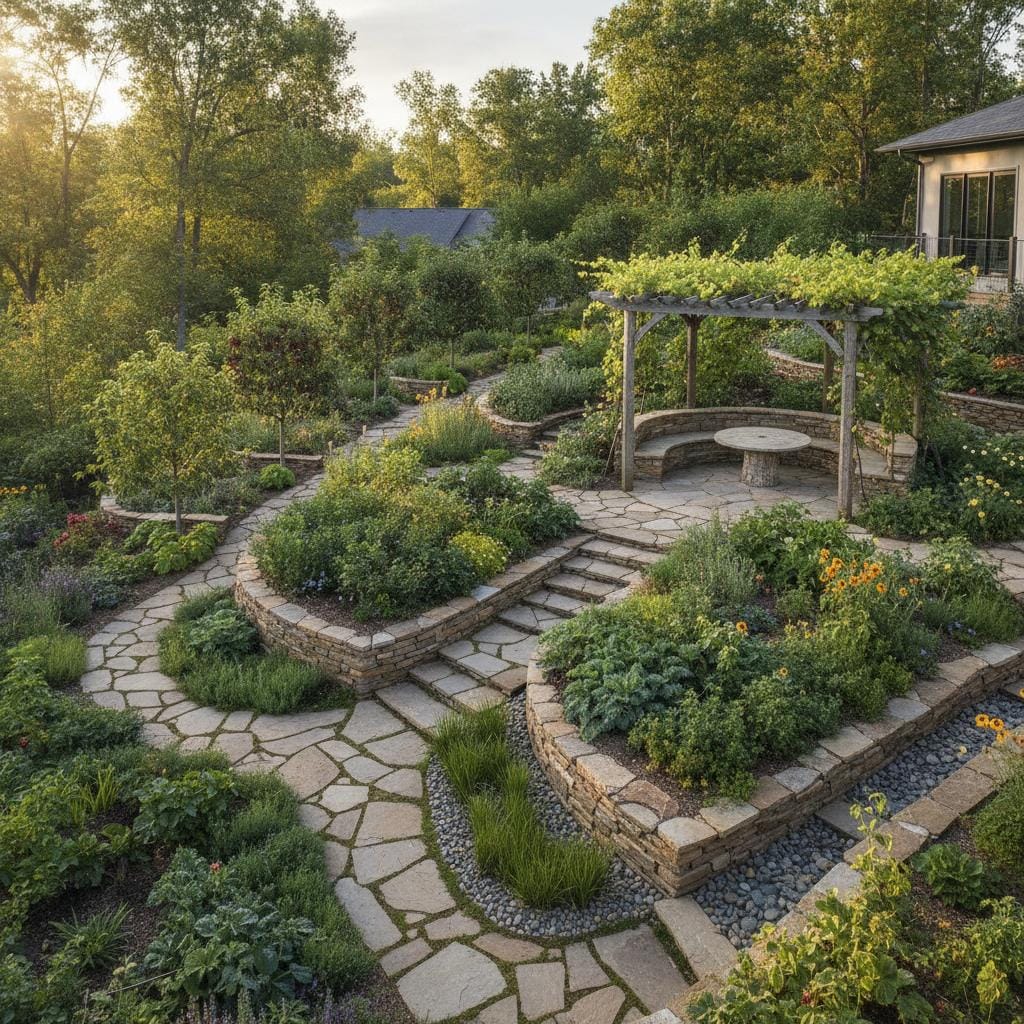
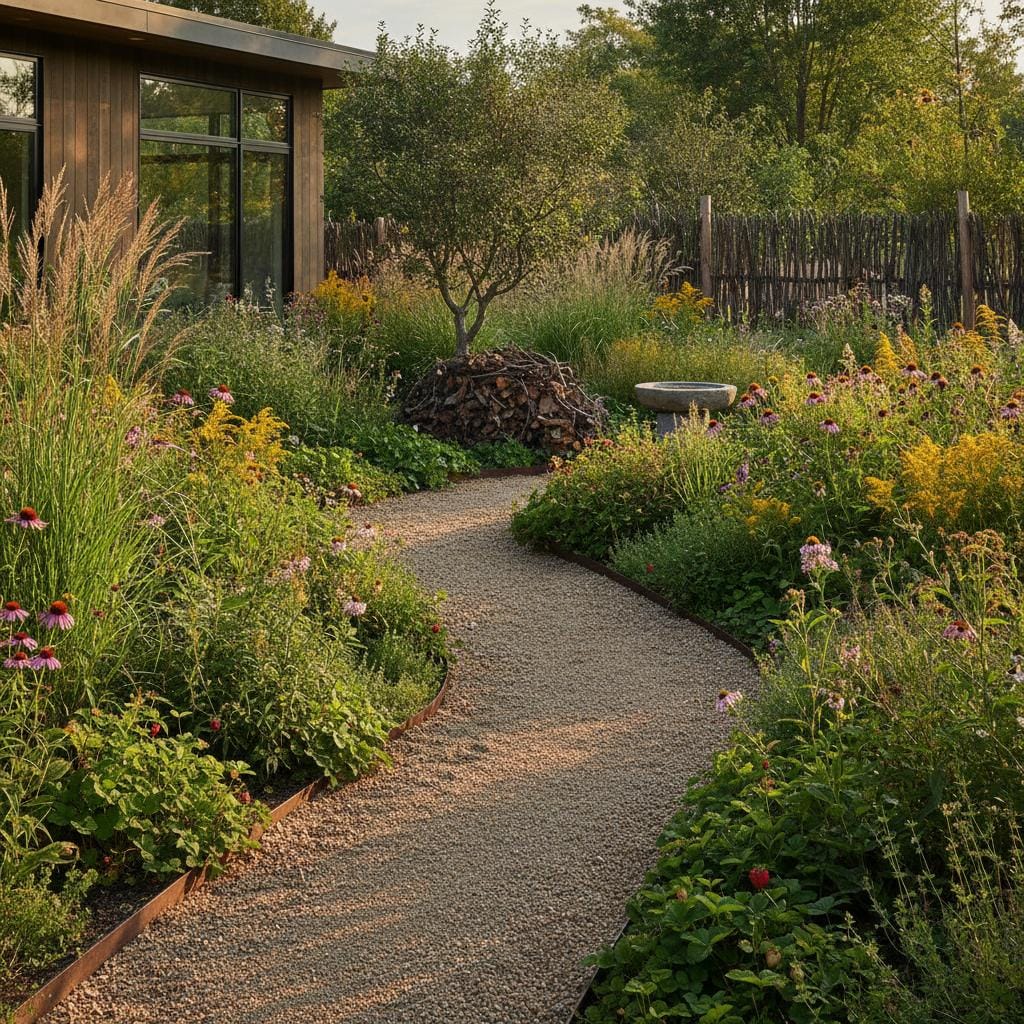
Effective rewilded designs incorporate elements of structure to anchor the natural elements. Strategic placement of gravel paths, retaining walls, or specimen trees provides visual anchors amid the fluidity. This interplay of discipline and liberty prevents the composition from appearing unkempt.
Visualize a sea of little bluestem grasses edged by a crisp boxwood hedge or rustic flagstone border. A meandering trail of decomposed granite winds through stands of switchgrass and milkweed, encouraging discovery. Positioning a wooden arbor or seating nook amid foliage transforms a feral zone into an intimate haven.
Harnessing Color and Form
Color in rewilded gardens unfolds progressively across seasons. Spring delivers delicate pastels from bloodroot or trillium, yielding to vivid midsummer displays of bee balm and goldenrod, then mellowing into russet and amber in fall. Select species with overlapping bloom periods to sustain visual engagement year-round, rather than enforcing a rigid palette.
Form contributes equally to depth. Pair the airy seed heads of Indian grass with the bold foliage of prairie dock or compass plant. These combinations evolve under varying sunlight and precipitation, offering endless observation opportunities that enhance the gardener's connection to the space.
Addressing Typical Hesitations
Embracing a less regimented yard may initially provoke apprehension regarding aesthetics or communal norms. Rewilding accommodates tidiness through deliberate choices. Establish distinct perimeters and purposeful arrangements to convey curation over carelessness.
- Establish boundaries. Employ a clipped grass edge or mulch border to delineate planted areas, affirming active management.
- Preserve access routes. Regularly clear and edge pathways to ensure safe, inviting navigation.
- Incorporate anchors. Select a standout oak tree, pollinator feeder, or sculpted rock as a central feature to guide attention.
- Engage the community. Explain your approach to neighbors via casual discussions or shared resources to build support and potentially spark interest.
These practices render a rewilded yard as composed as a conventional one, narrating a tale of alliance with the environment.
Nurturing the Rewilded Yard
Rewilding initiates a continuous dialogue with the landscape. The yard transforms seasonally, imparting lessons as the steward adapts. Certain species thrive while others recede, embodying the inherent cycles that define its allure.
Remain vigilant through regular assessments. Document successful combinations and imbalances in a journal. Introduce amendments gradually, such as supplementing with locally sourced plugs of aster or ironweed, to refine interactions.
Upkeep diverges from conventional methods. Allocate time to monitoring for non-natives like garlic mustard rather than broad mowing. Collect and redistribute seeds from asters or sunflowers to propagate coverage. These activities foster a sense of guardianship over obligation.
The benefits manifest in a cohesive habitat attuned to its locale. Butterflies alight on blooms, bees forage industriously, and soil regains fertility from deepened root systems. These developments affirm the yard's role within a broader ecological tapestry.
Steps to Implement Rewilding
Communities benefit as rewilding gains traction, with increased greenery, purified air, and revitalized biodiversity threading through urban fabrics. This practice underscores that profound beauty emerges from attentiveness to natural cues rather than imposition of will. Begin by evaluating your site's soil and sunlight, then source native plants from regional nurseries to craft a resilient, rewarding oasis.