Why Rewilding Cuts Garden Work in Half
Rewilding offers a practical solution for homeowners seeking to reduce garden maintenance without sacrificing appeal. This approach involves introducing native plants and natural elements that create self-sustaining ecosystems. Gardens designed this way require less intervention over time, allowing nature to manage growth and health.
Traditional lawns demand frequent mowing, watering, and fertilizing, which consume significant time and resources. In contrast, rewilded spaces prioritize plants adapted to local conditions, minimizing these tasks. Homeowners report spending half or less time on upkeep after the initial setup.
Understanding Rewilding Basics
Rewilding draws inspiration from natural landscapes, focusing on native species that thrive in your region's climate and soil. These plants require no special care once established, as they resist pests and droughts better than exotic varieties. Start by assessing your yard's sunlight, soil type, and drainage to select appropriate species.
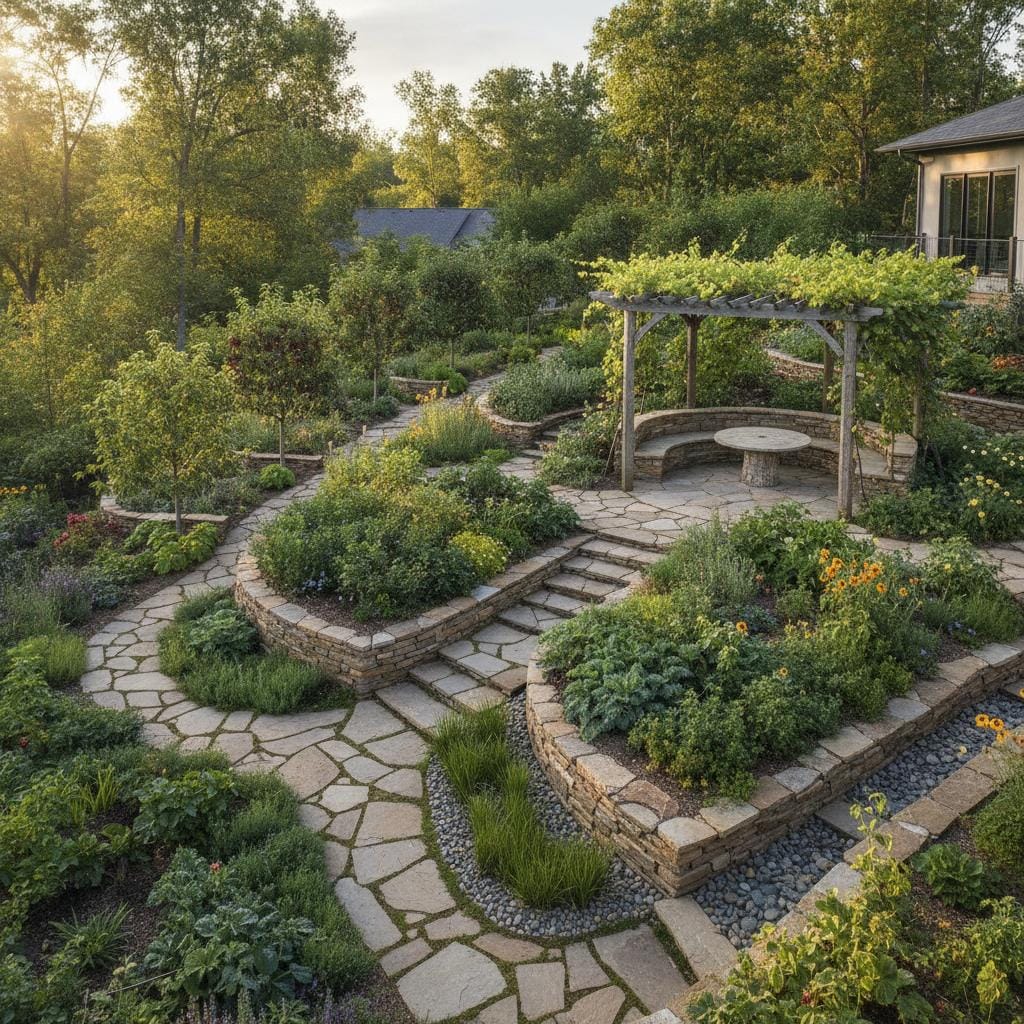
Incorporate layers such as ground covers, shrubs, and perennials for year-round interest. For example, plant tall grasses for structure and low-growing flowers for color. This diversity supports biodiversity while ensuring the garden evolves naturally through seasons.
Steps to Rewild Your Garden
Begin with site preparation to set a strong foundation. Clear existing weeds and amend soil with organic matter like compost. Aim to cover the area with mulch to suppress weeds and retain moisture during the establishment phase.
- Research local native plants through regional gardening resources.
- Sketch a simple layout, grouping plants by water and light needs.
- Plant in fall or spring for optimal root development.
- Water consistently in the first season, then taper off as plants adapt.
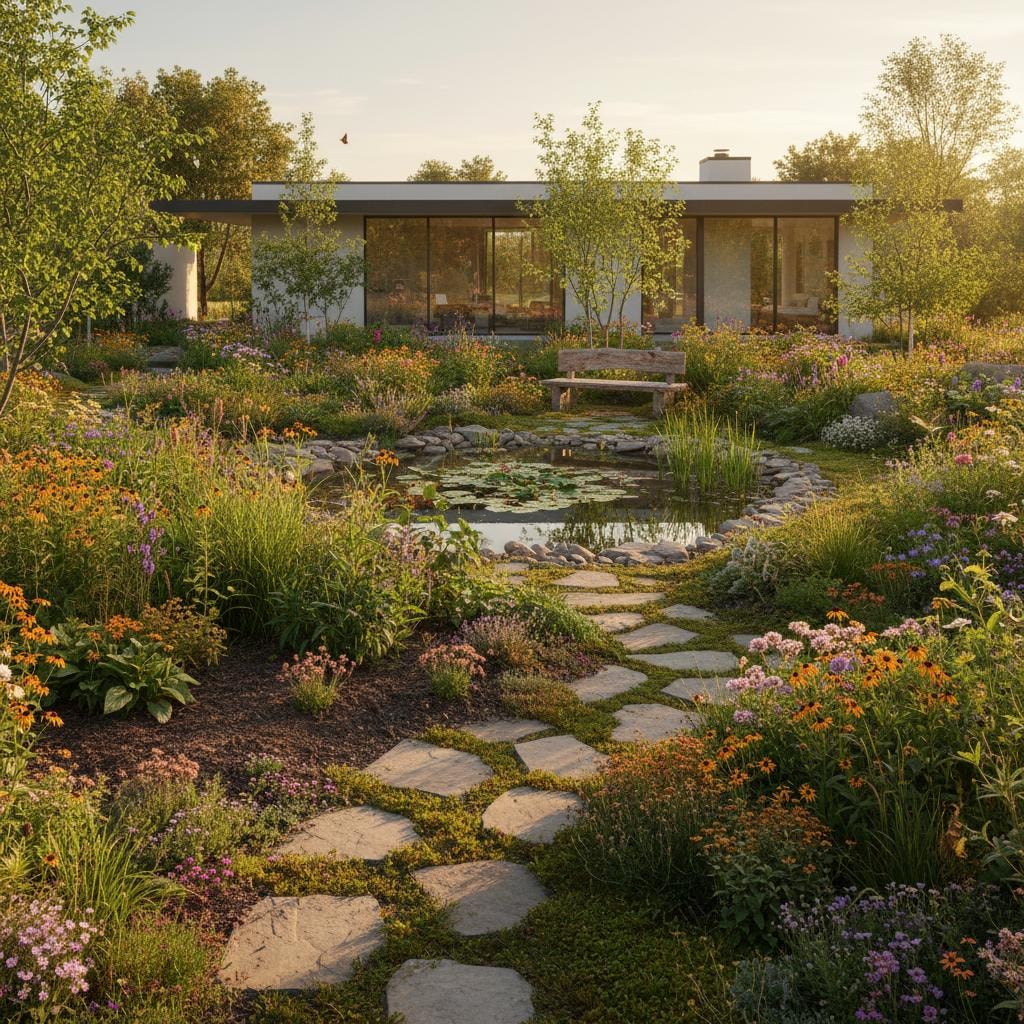
- Add features like bird baths or rock piles to enhance wildlife habitat.
These steps transform a blank yard into a functional ecosystem within one to two years.
Initial Costs and Long-Term Savings
Upfront expenses include plants, soil amendments, and tools. Native plants cost between five and twenty dollars per specimen, depending on size. A few bags of compost or mulch, around ten to fifteen dollars each, help with soil health and moisture retention in the first year.
Labor represents another factor. Most homeowners handle the work themselves using basic tools like shovels and rakes. If hiring professionals for site preparation or planting, expect costs based on local rates and yard size, typically two hundred to five hundred dollars for a small area.
Once established, maintenance decreases significantly. Eliminate routine mowing, reduce fertilizer use, and cut irrigation needs by up to seventy percent. Savings on replacement plants and pest control accumulate over seasons, often offsetting initial investments within three years.
Addressing Common Concerns
Homeowners often hesitate due to misconceptions about rewilded gardens. Proper planning resolves most issues, creating spaces that integrate seamlessly with home aesthetics.
Maintaining a Tidy Appearance
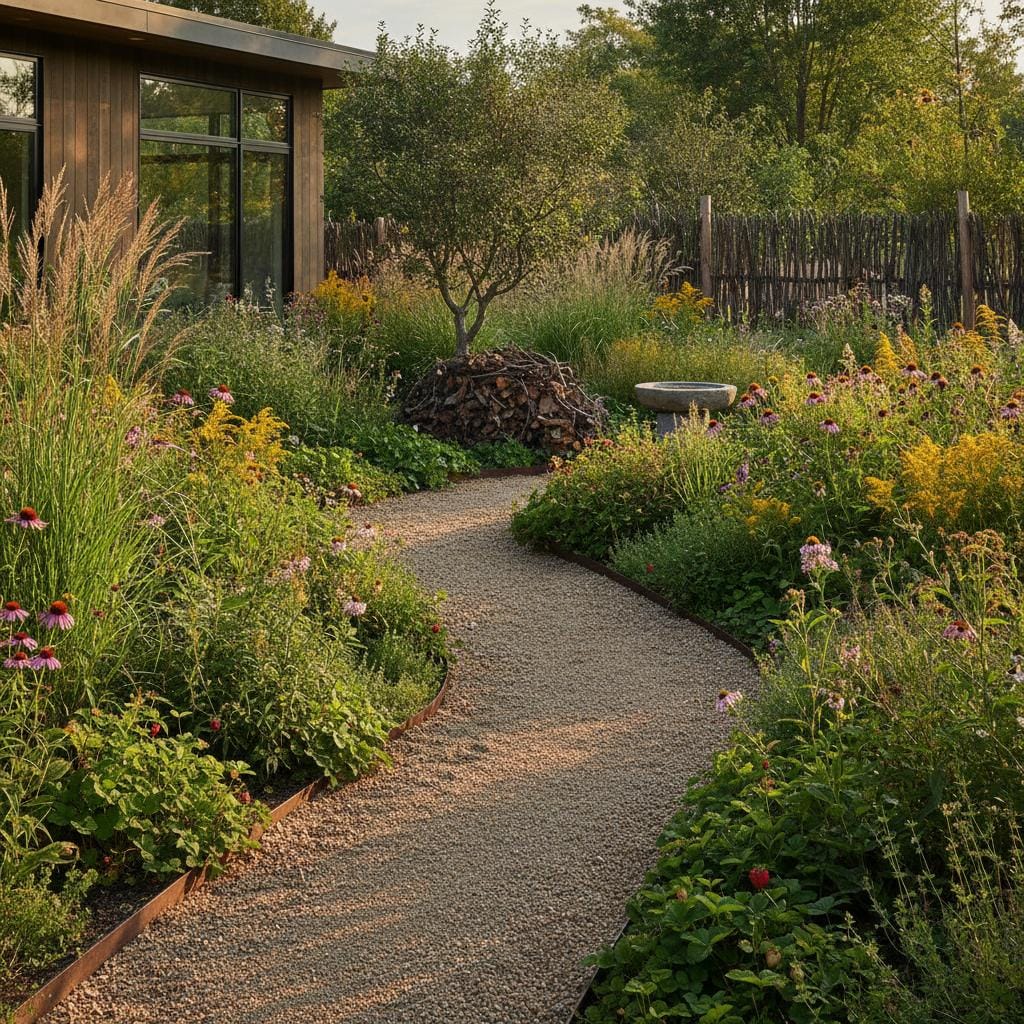
A rewilded garden appears intentional with strategic design elements. Install gravel paths or wooden borders to guide the eye and separate wild areas from manicured zones. Mow edges annually to provide crisp definition, ensuring the overall look remains polished.
Managing Wildlife Interactions
Beneficial creatures like bees and birds dominate in these gardens, aiding pollination and pest control. To deter larger animals such as deer or rabbits, select deer-resistant natives like coneflowers or switchgrass. Secure compost piles and avoid outdoor pet food to minimize unwanted visitors.
Navigating Neighborhood Expectations
In communities favoring uniform lawns, introduce rewilding gradually. Begin with a border bed or backyard section to demonstrate success. Informative signs or conversations with neighbors can foster understanding, highlighting benefits like reduced water use and increased property value.
Building Patience for Establishment
The process unfolds over time, with visible changes accelerating after year one. Focus on root establishment initially by mulching heavily and watering deeply but infrequently. By year two, expect fuller growth and blooms; year three brings maturity and self-sufficiency.
Observing Growth and Benefits
As your garden matures, observe the shifts that make rewilding worthwhile. Pollinators flock to flowers in waves throughout the growing season, while birds nest in provided habitats. Soil quality improves naturally through plant roots and leaf litter, enhancing fertility without added inputs.
This setup fosters a deeper connection to your local environment. Your yard becomes part of a broader ecological web, supporting migratory species and carbon sequestration. The reduced workload frees time for enjoyment, whether through quiet walks or casual observation.
Maintenance simplifies to seasonal tasks: light pruning in late winter, weeding as needed, and occasional division of overcrowded plants. Nature assumes most responsibilities, resulting in a vibrant, resilient landscape that demands little in return.
Rewilding demonstrates that sustainable beauty requires minimal ongoing effort. Through informed plant choices and patient nurturing, your garden emerges as a thriving haven that enhances both your home and the natural world.