
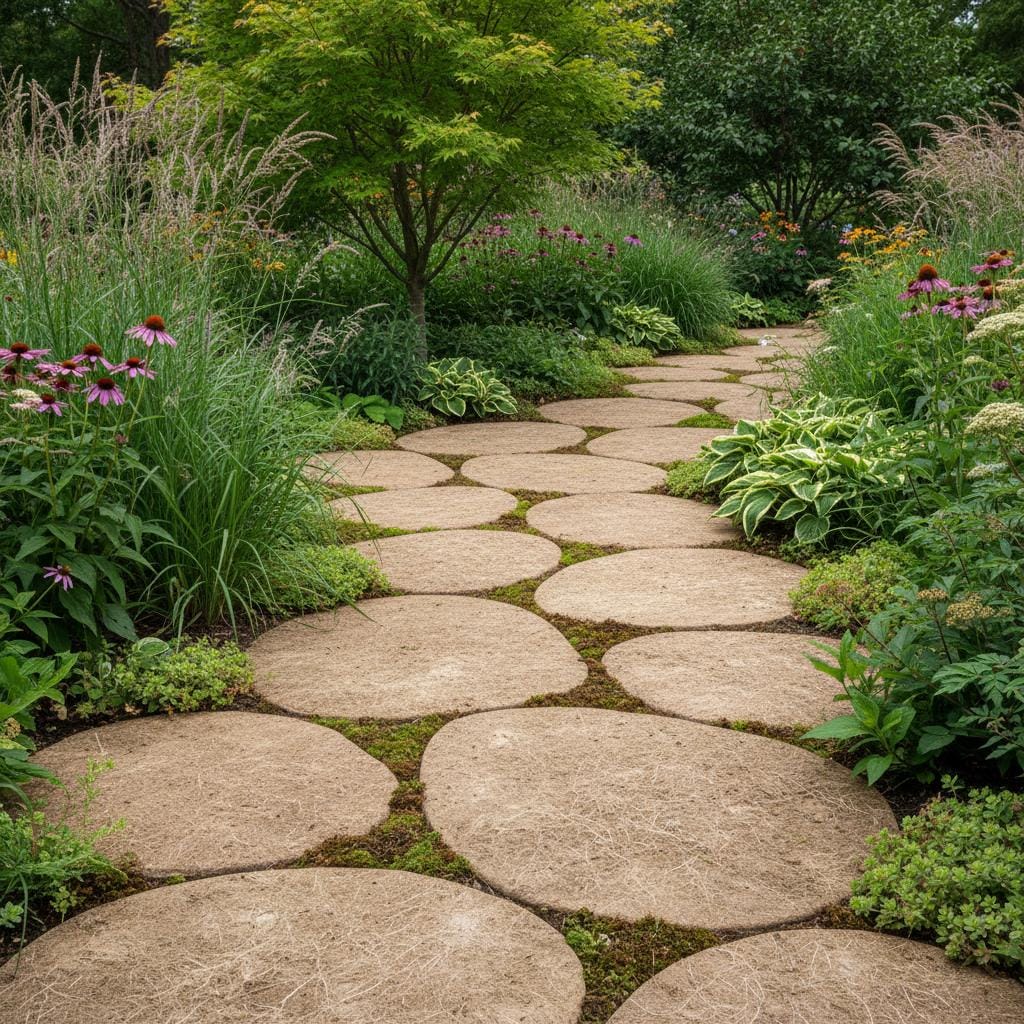
Mycelium Pavers Grow Into Sustainable Garden Paths
Mycelium pavers turn agricultural waste into lightweight, compostable hardscape that supports garden paths while returning nutrients to the soil.
By Gabe Sweeney
3 min read
Articles tagged with sustainable
Mycelium pavers turn agricultural waste into lightweight, compostable hardscape that supports garden paths while returning nutrients to the soil.
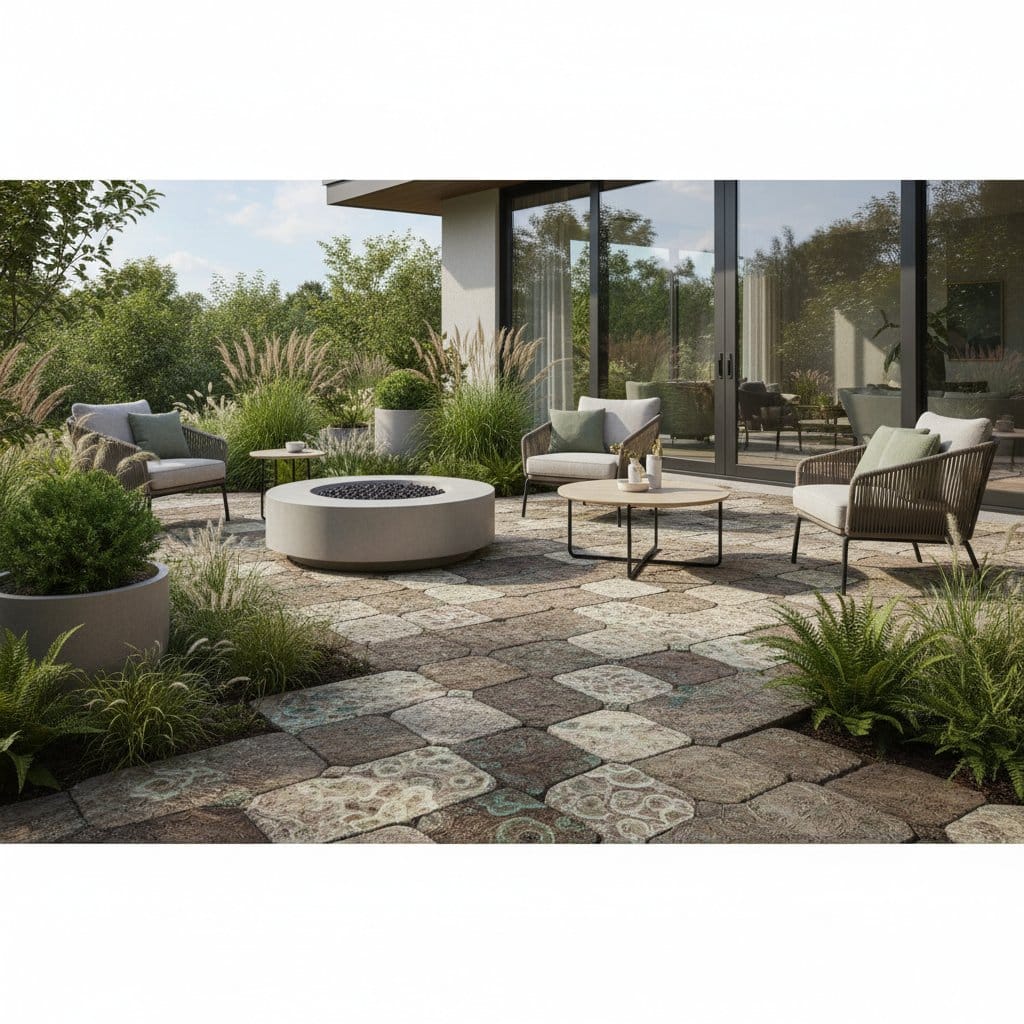
Mycelium pavers, cultivated from fungal networks and agricultural waste, offer a biodegradable alternative to traditional hardscaping. They provide strength and adaptability while promoting environmental harmony, ideal for conscious homeowners seeking living, evolving outdoor surfaces.
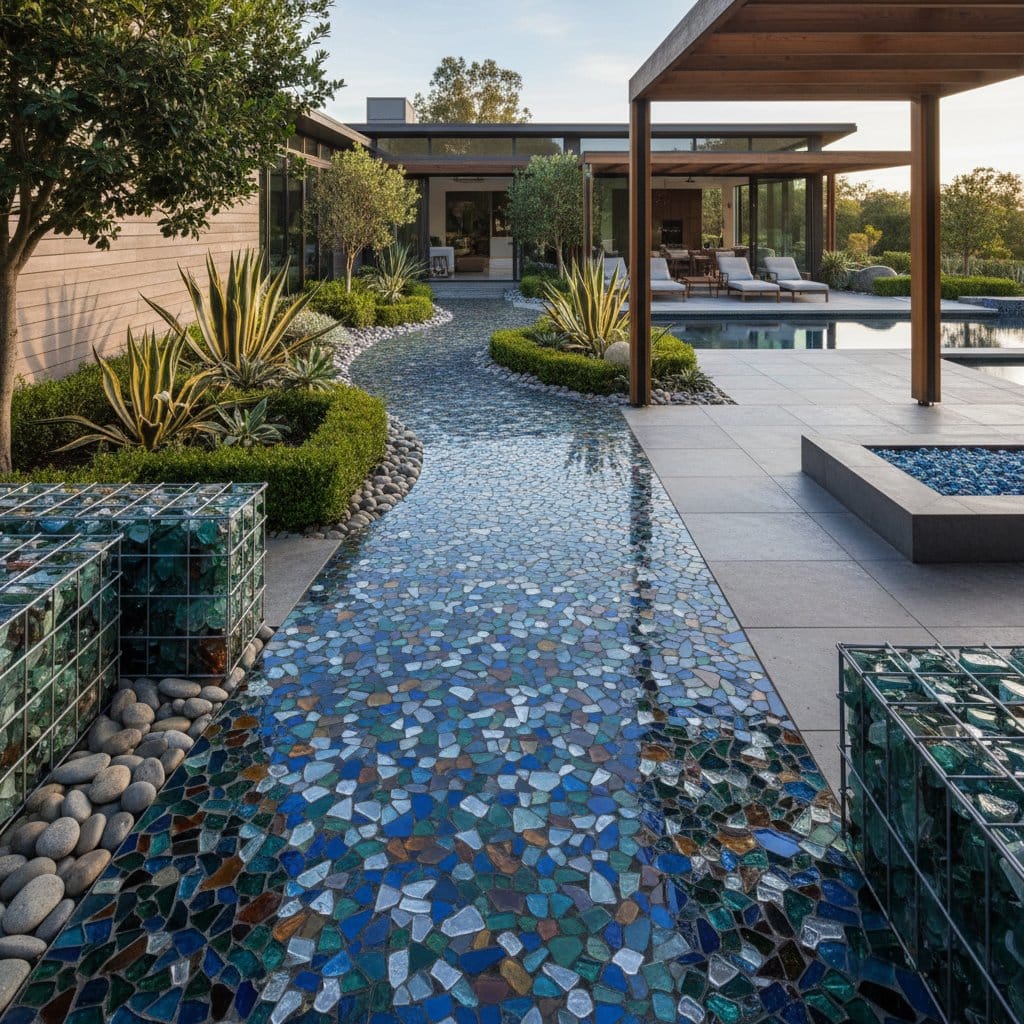
Recycled glass elevates sustainable landscaping with enduring color, resilience, and eco-conscious appeal. Repurposed from bottles and jars, it graces pathways, patios, and accents with luminous elegance. Effortless to maintain and built to last, this adaptable choice crafts refined, environmentally attuned outdoor havens embodying innovation and mindful aesthetics.
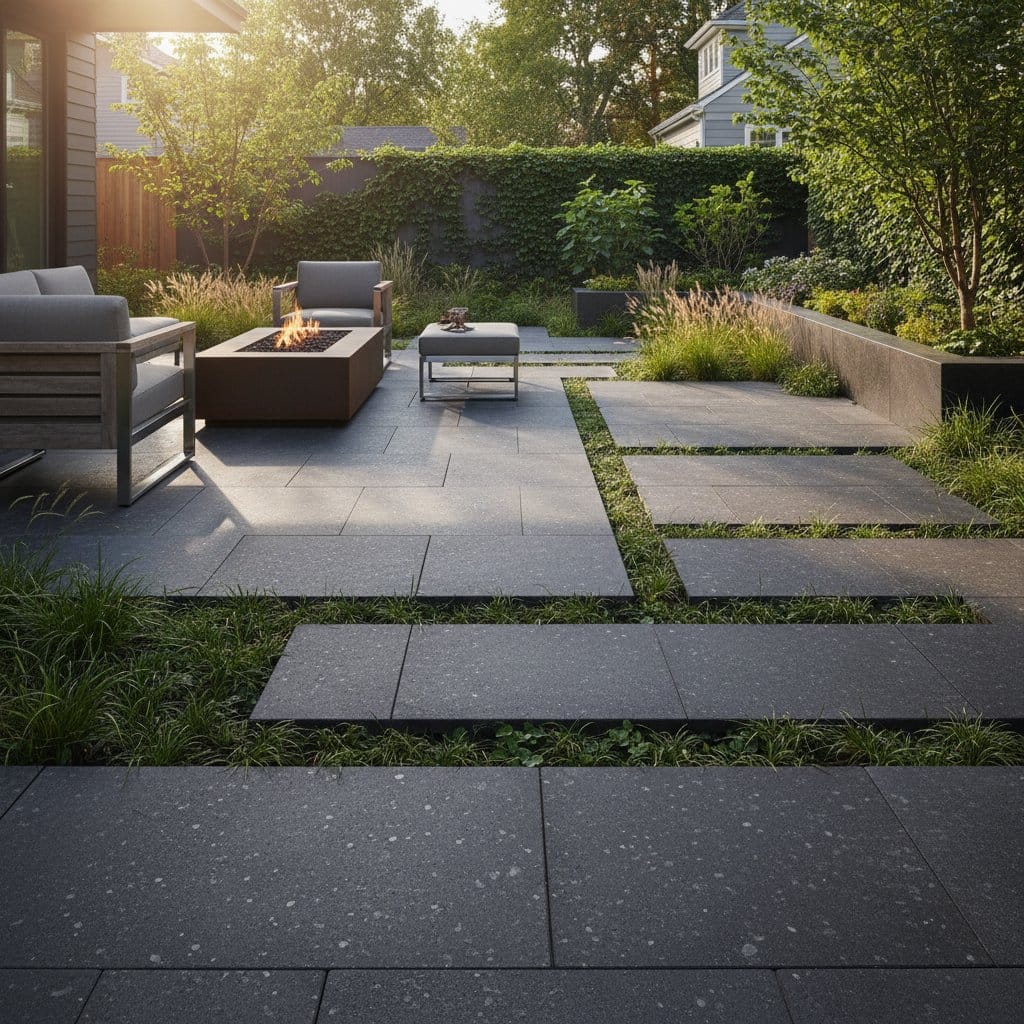
Carbon-negative hardscaping elevates patios, walkways, and driveways into active environmental allies that sequester more carbon than they produce. Incorporating recycled aggregates, biochar-infused concrete, and low-carbon cements, these solutions minimize emissions, increase durability, and advance sustainable landscapes, allowing outdoor areas to contribute positively to planetary health while maintaining aesthetic appeal.
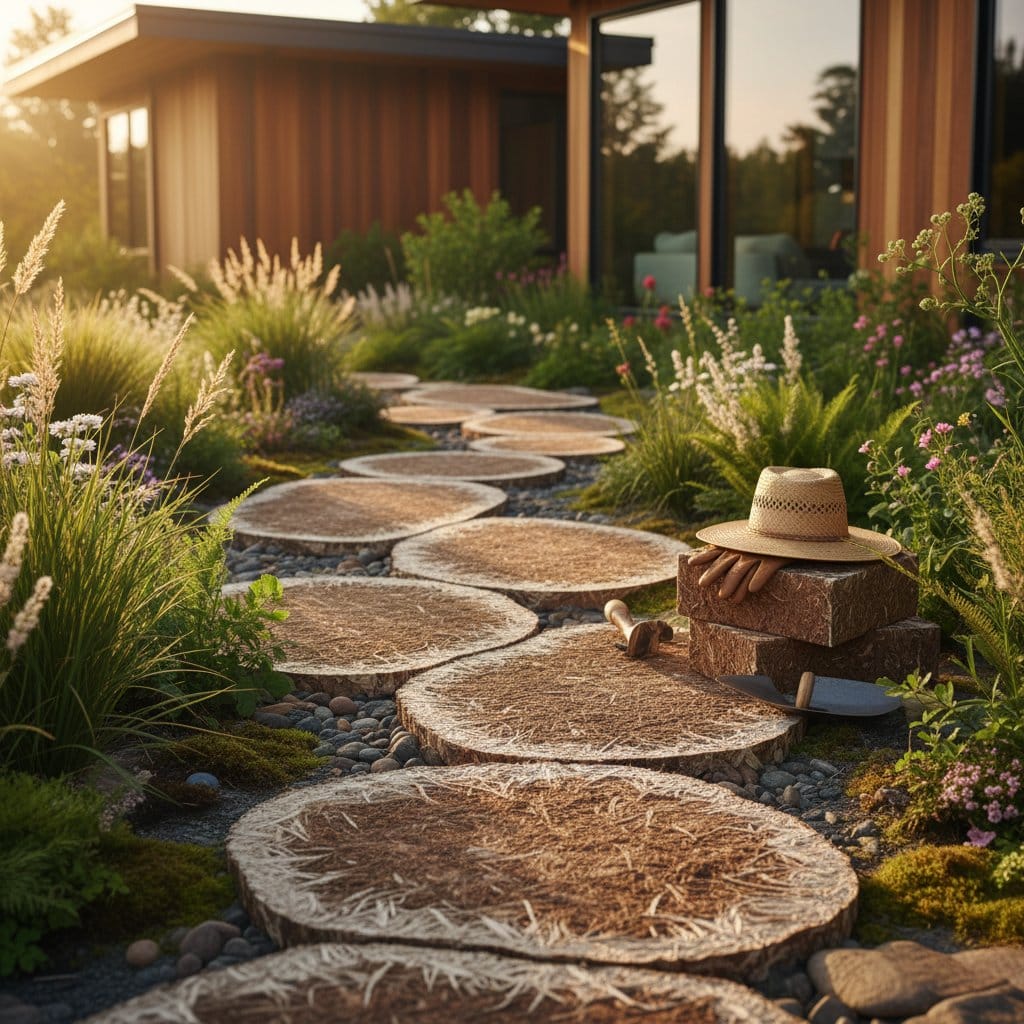
Mycelium pavers revolutionize sustainable hardscaping by converting fungal networks and garden waste into lightweight, biodegradable options that replace concrete and stone. These renewable materials provide natural insulation and integrate effortlessly into living gardens, enabling homeowners to create pathways that enhance both visual appeal and ecological health.
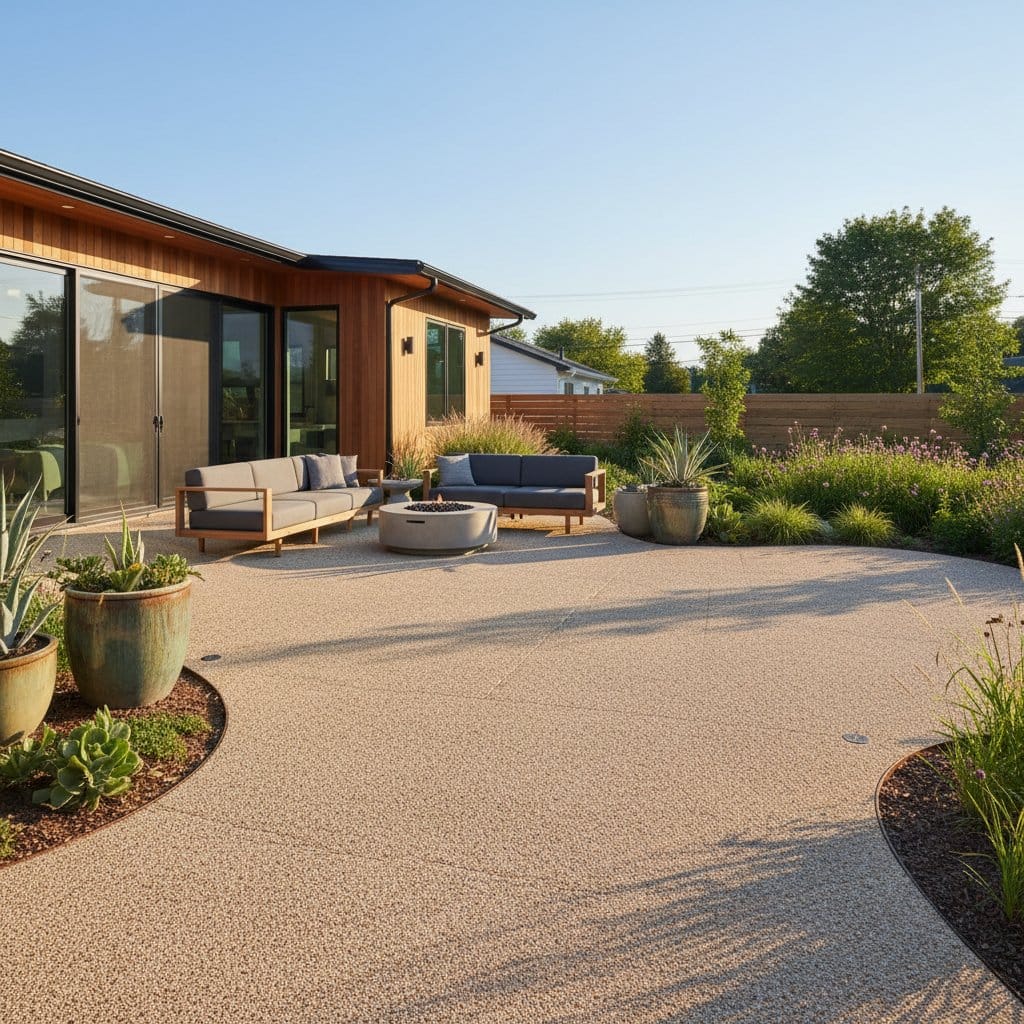
Elevate your outdoor living with decomposed granite patios, offering affordability, permeability, and seamless landscape integration over concrete. Discover selection criteria, step-by-step installation, and upkeep strategies for a lasting, stylish surface.
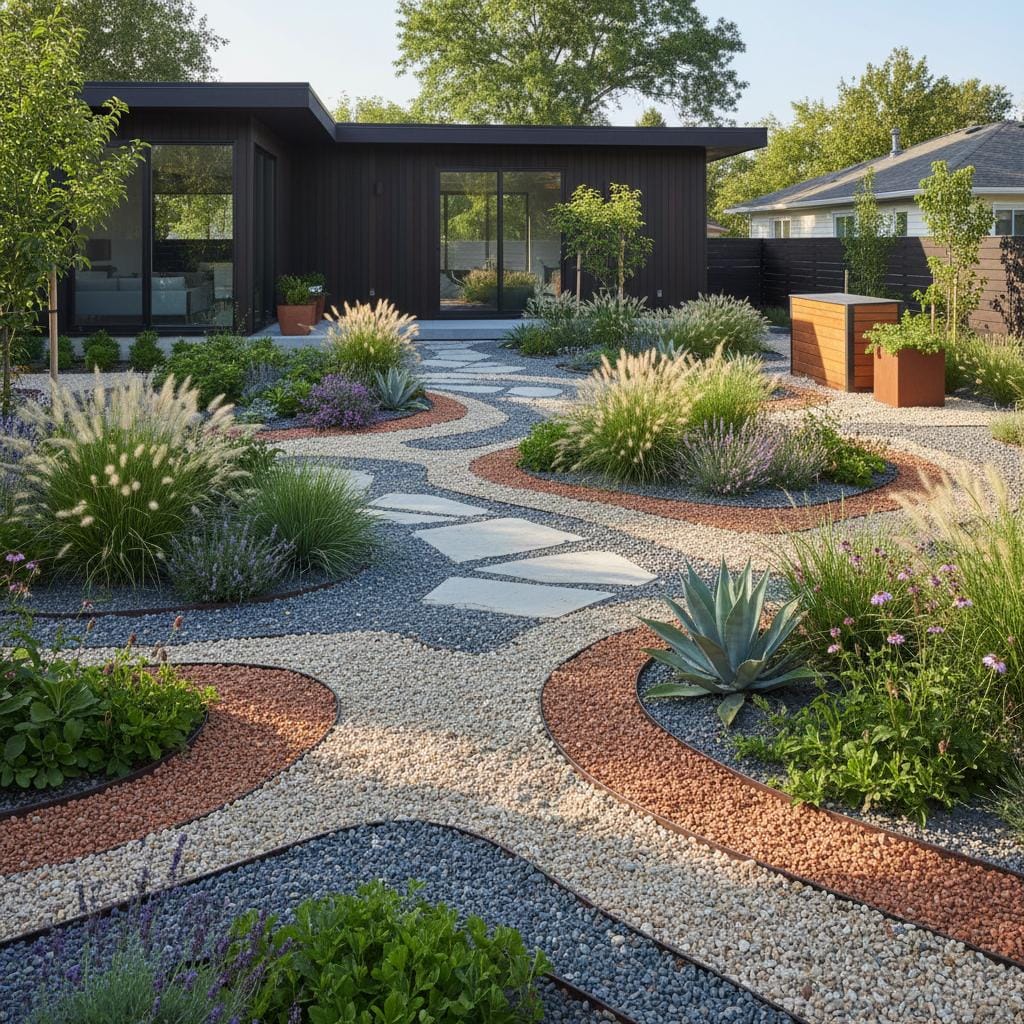
Gravel gardens emerge as a leading sustainable landscaping option for 2025, blending aesthetic appeal with durability and zero-waste principles. Homeowners replace resource-intensive lawns with layered gravel and resilient plants, achieving significant water conservation, lower maintenance demands, and elimination of chemical pollutants. This adaptable, cost-effective approach provides contemporary outdoor spaces that require minimal ongoing effort.
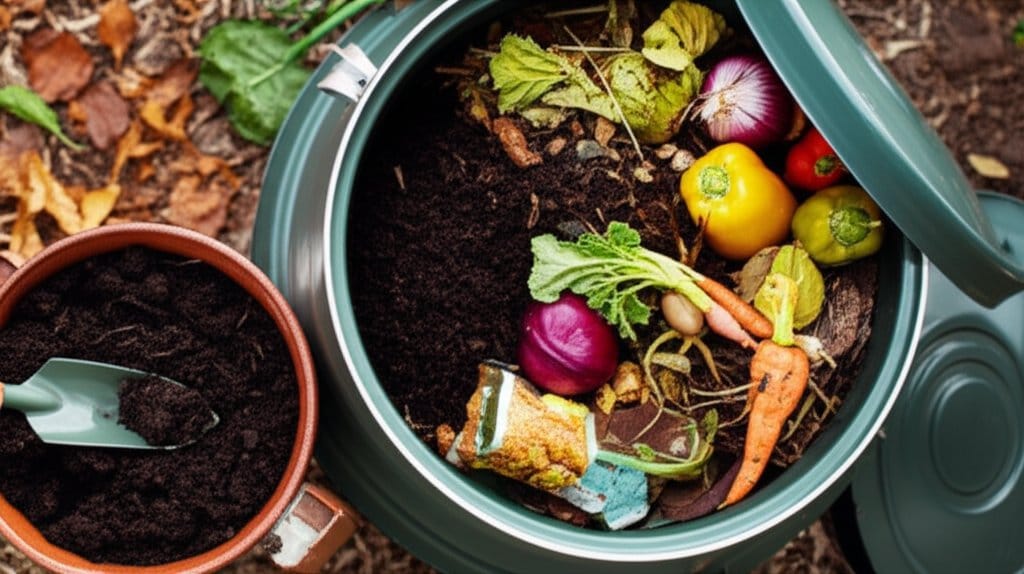
Convert autumn garden waste into valuable black gold through sustainable composting practices. Explore suitable materials, space-efficient system options, and solutions for common challenges. From basic bins to vermicomposting setups, understand how composting enriches soil, minimizes waste, cuts costs, and readies your garden for vigorous spring growth.
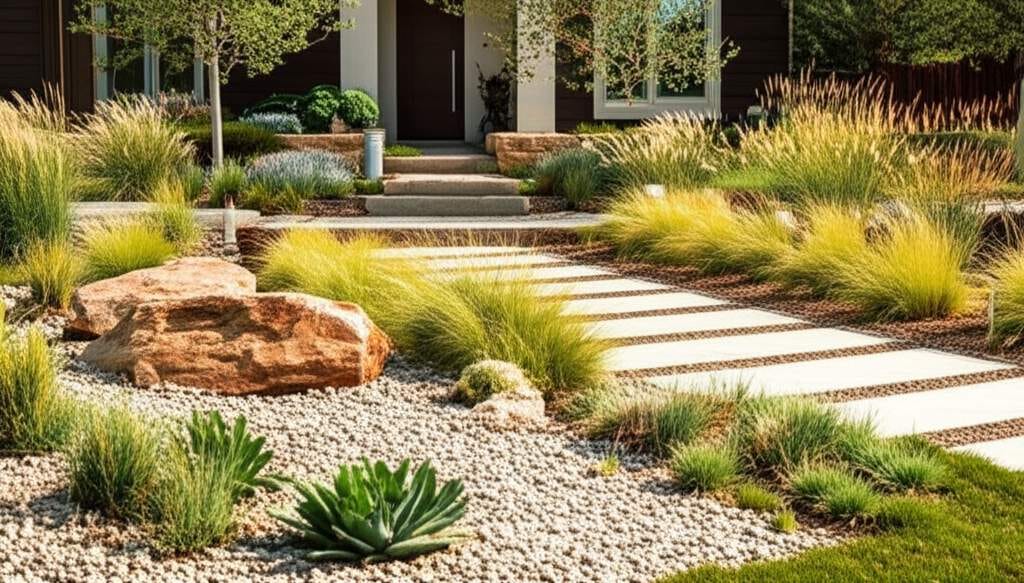
Traditional lawns often wither in summer heat despite heavy watering. Xeriscaping provides drought-resistant options like native grasses, groundcovers, and gravel designs that conserve resources while creating vibrant outdoor spaces. Learn practical steps to transform your yard into a resilient retreat.
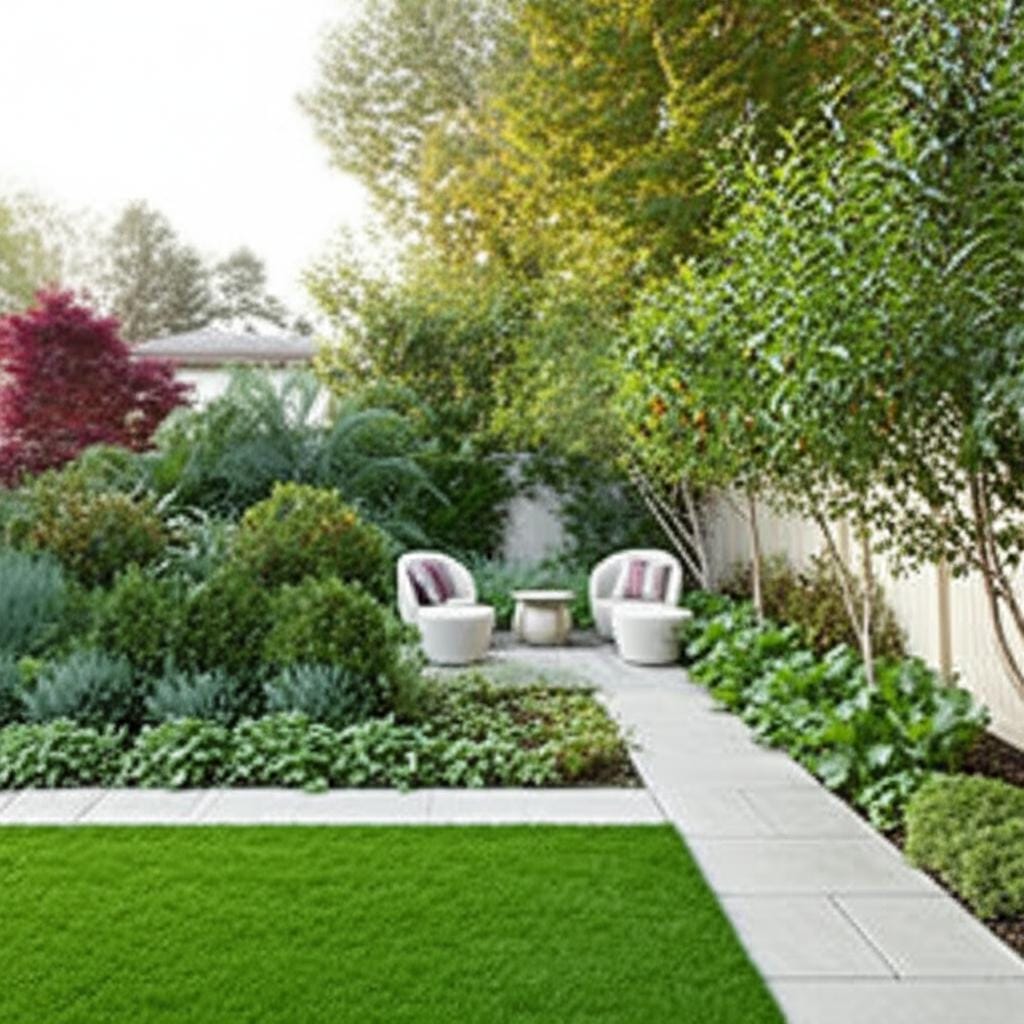
Elevate your yard design by merging beauty and function with edible landscaping. Combine fruits, vegetables, herbs, and flowers to craft a sustainable space that provides visual appeal and homegrown nourishment, evolving with each season.
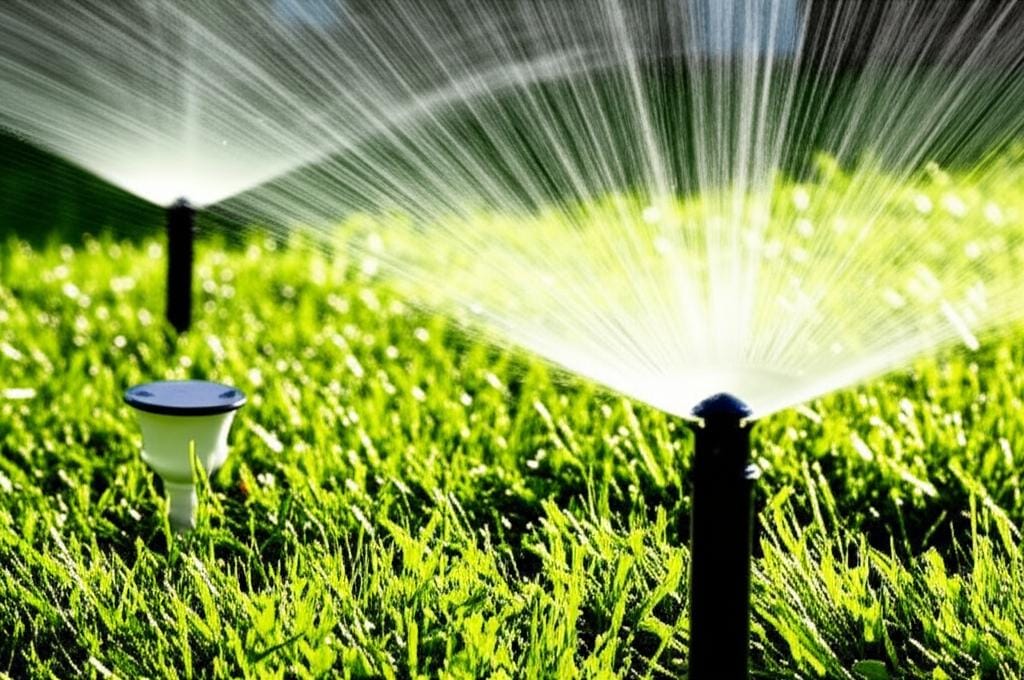
AI-powered irrigation systems optimize water use in smart gardens by analyzing soil, weather, and plant data in real time. They offer savings on bills, promote plant health, and support sustainability, despite higher initial costs. This guide covers operations, advantages, drawbacks, and suitability for your property.