Exploring Mycelium Pavers: The Next Era in Sustainable Hardscaping
Garden paths and borders shape the narrative of outdoor spaces. Homeowners often invest significant resources in patios and walkways constructed from materials that appear robust yet remain isolated from the surrounding ecosystem. Concrete and stone dominate traditional hardscaping, but these options seldom harmonize with the dynamic, organic essence of a garden. Mycelium pavers present an intriguing alternative, cultivated rather than extracted or produced industrially. This exploration reveals their potential to deliver enduring performance while fostering environmental integration.
The Fundamentals of Mycelium and Its Properties
Mycelium forms the underground, thread-like structure of fungi, composed of hyphae that interlace to create expansive networks. In natural settings, this system decomposes organic materials and recycles nutrients into the soil. Under controlled cultivation, mycelium integrates with substrates such as sawdust, hemp hurds, or straw to yield a composite that proves lightweight, resilient, and fully biodegradable.
The cultivation process avoids extreme temperatures, synthetic adhesives, or extensive machinery. Mycelium naturally colonizes and consolidates the substrate, converting byproducts into functional forms. After reaching the intended dimensions, the material undergoes dehydration to cease growth, resulting in a stable product with negligible production waste. This method appeals to individuals seeking to minimize the ecological impact of landscaping endeavors.
Contrasting Mycelium Pavers with Conventional Options
Concrete and natural stone pavers have shaped outdoor surfaces for decades, offering reliability at the expense of environmental strain. Cement production in concrete generates substantial carbon emissions, while stone extraction disrupts habitats and demands extensive hauling.
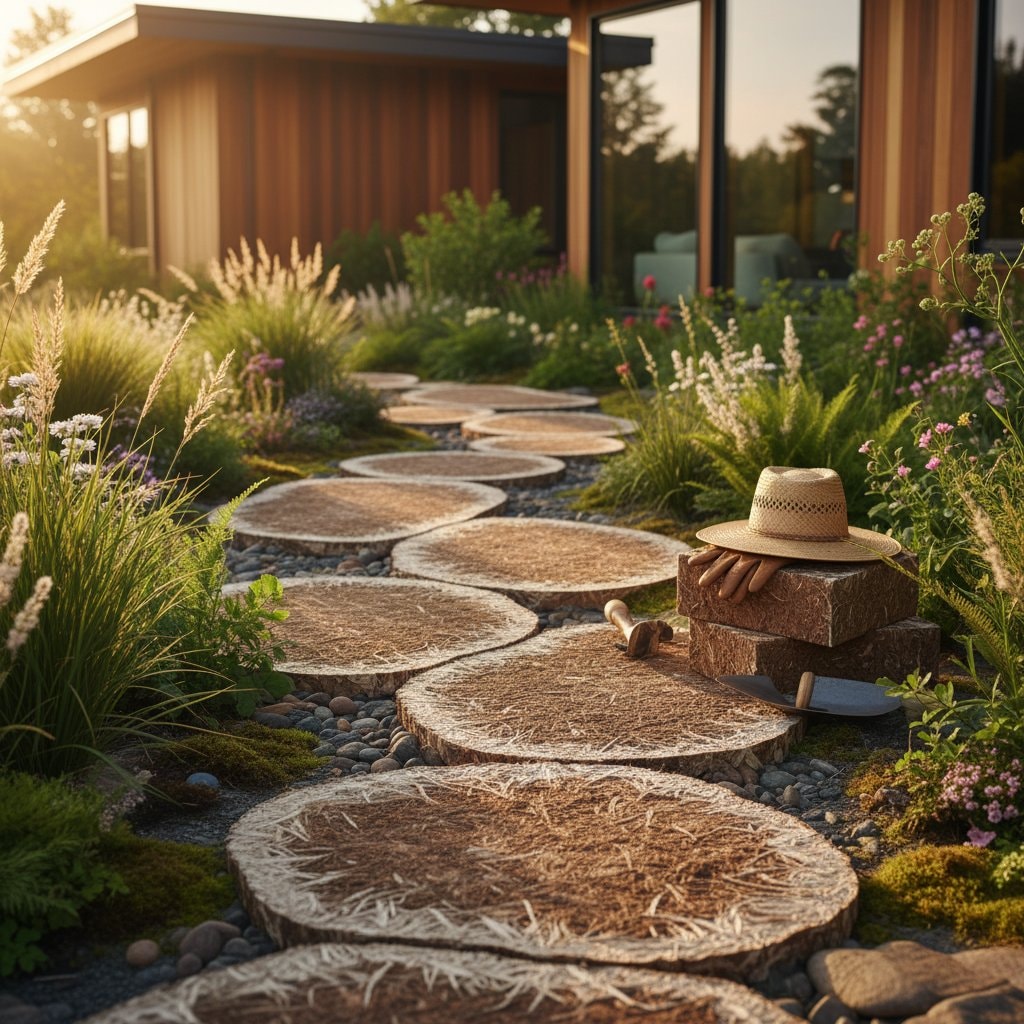
Mycelium pavers shift the paradigm through biological cultivation rather than resource depletion. They employ ambient conditions and organic binding, producing a material that retains a vital character despite its solidity post-installation. Their surface features a tactile, earthy finish with inherent variations, distinguishing them from the uniformity of molded or cut alternatives. Designers can replicate standard dimensions, but the underlying composition introduces a narrative of renewal.
Consider these key distinctions:
- Concrete pavers: Deliver uniform strength and heft, yet carry high energy demands in manufacturing.
- Natural stone pavers: Provide enduring elegance, though sourcing proves costly and ecologically disruptive.
- Mycelium pavers: Offer renewability, reduced weight, decomposition potential, and inherent thermal regulation.
Each serves specific needs, but mycelium excels in contexts prioritizing harmony with natural cycles.
The Cultivation Method for Mycelium Pavers
Production starts with selecting molds that match desired paver profiles, such as rectangular tiles or irregular stones. A substrate of agricultural residues, like corn stalks or wood chips, fills these forms. Mycelium inoculum activates growth within a humid, temperate environment, typically 68 to 77 degrees Fahrenheit, over five to ten days.
The fungi permeate the medium, forging a cohesive block. Dehydration follows, often via air-drying or low-heat ovens, to fix the structure and enhance rigidity. The outcome resembles conventional bricks or slabs, applicable in similar installations, but with far lower resource consumption.
This technique echoes natural decomposition and rebuilding, adapted for practical use. Homeowners drawn to regenerative practices find this blend of science and ecology particularly compelling.
Integrating Mycelium Pavers into Garden Designs
Begin implementation on modest scales, such as winding trails or perimeter accents, to evaluate performance. These pavers suit areas with pedestrian use, where their subtle contours and reduced mass enhance rather than overwhelm.
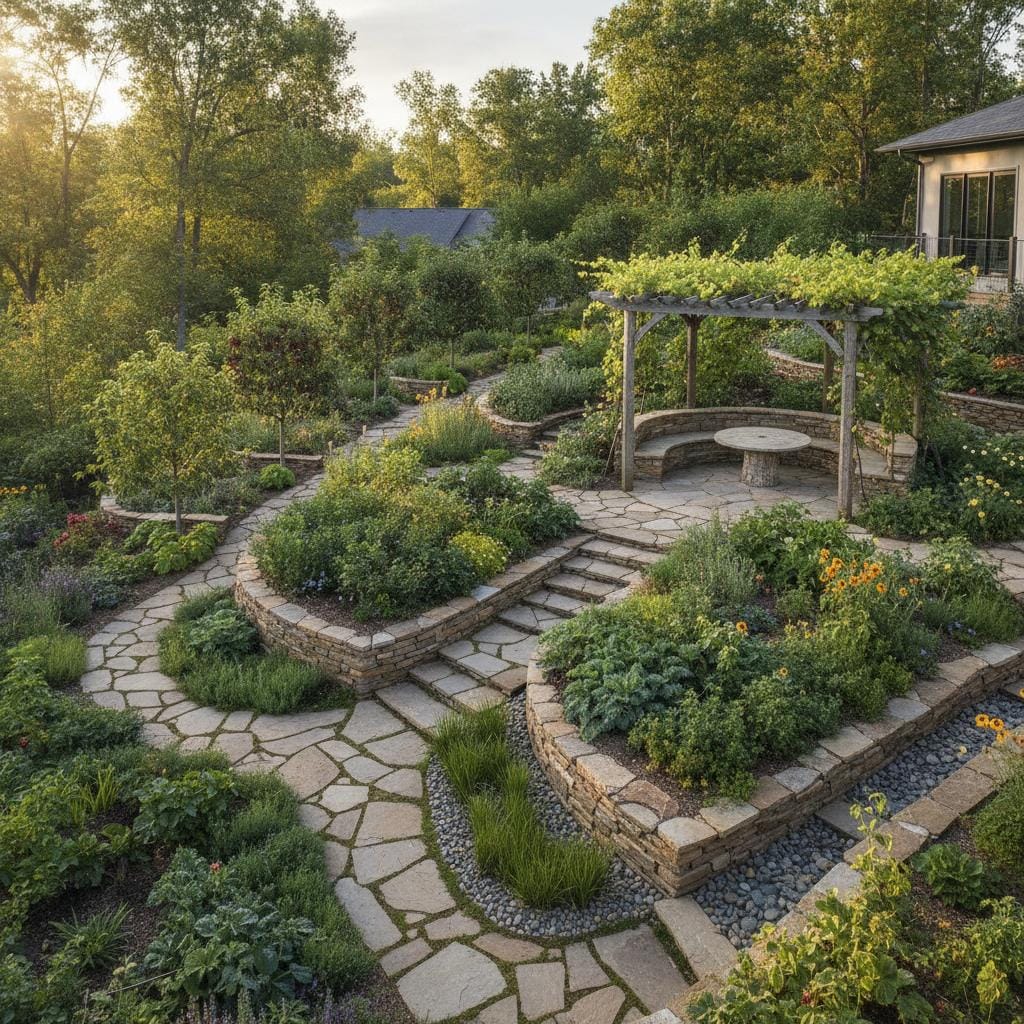
Their organic aesthetic pairs seamlessly with elements like mulch beds, perennials, or salvaged timber. In cottage-style gardens, they temper linear paths with softness. Contemporary setups benefit from their nuanced patina against minimalist lines.
Practical applications include:
- Winding trails: Arrange pavers loosely amid low-growing sedums to form an undulating, verdant surface.
- Seating zones: Position them beneath arbors or near ponds, where neutral hues amplify serene atmospheres.
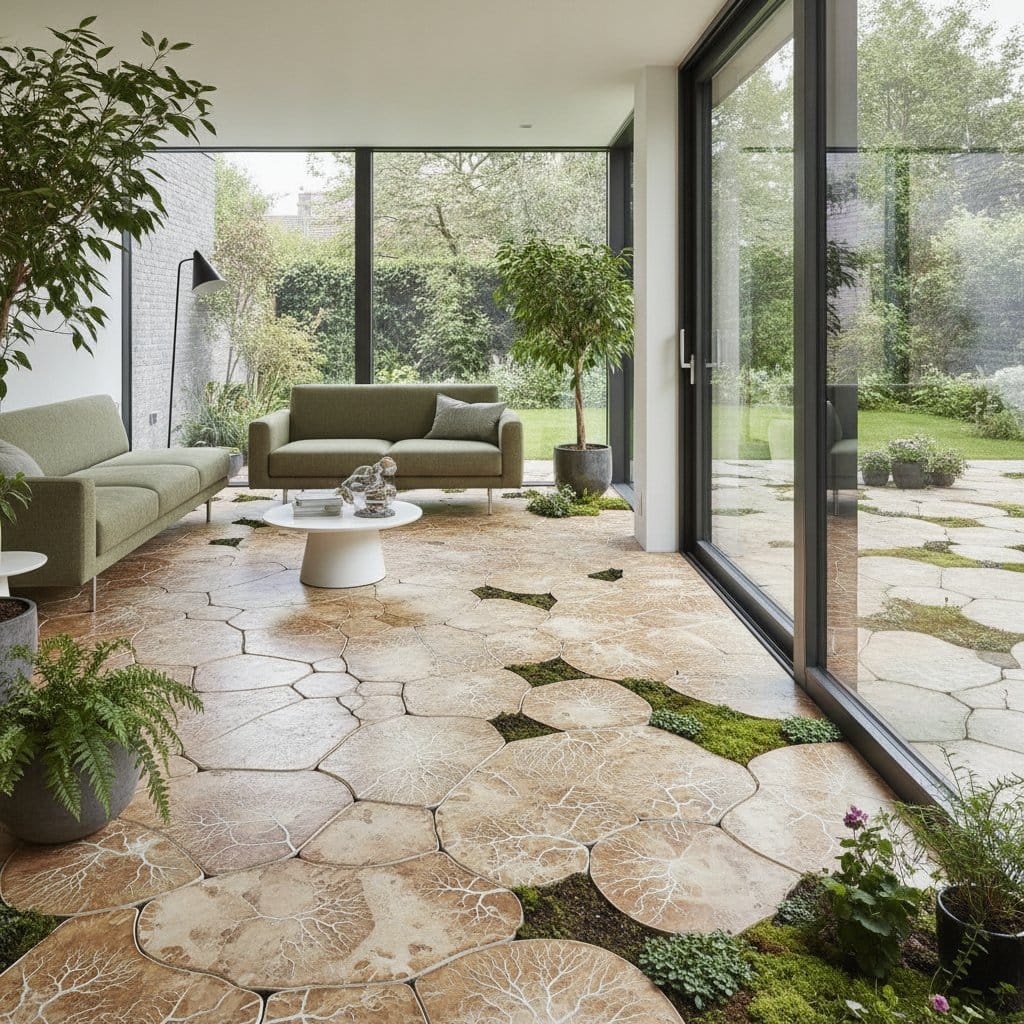
- Patio expansions: Interlay with sand-filled gaps to promote infiltration and support adjacent greenery.
- Bed edging: Line herb plots with compact units for a grounded, unobtrusive boundary.
Such configurations infuse spaces with vitality, bridging constructed features and earthbound growth.
Assessing Longevity and Installation Factors
Durability queries dominate initial discussions. Mycelium pavers withstand routine walking, lounging spots, or ornamental roles effectively. They falter under vehicular pressure or high-impact zones.
Biodegradability limits service to 5 to 20 years, depending on exposure, contrasting the permanence of inorganic counterparts. This trait aligns with regenerative ideals, as spent pieces enrich soil upon breakdown. Some manufacturers apply plant-derived sealants to bolster water resistance without compromising eco-credentials.
In variable climates, pilot small areas to monitor weathering. Regions with intense precipitation or frost cycles benefit from elevated bases or protective overcoats to prolong usability.
Key Ecological Advantages
Mycelium pavers shine through their lifecycle benefits. Inputs derive from discards like crop remnants, sidestepping virgin resource use. Energy needs remain low, bypassing combustion-intensive steps.
Notable gains encompass:
- Carbon sequestration: Growth phases capture atmospheric CO2, mitigating logistics footprints.
- Byproduct utilization: Repurposes items headed for disposal, curbing landfill contributions.
- Clean fabrication: Eliminates hazardous substances and thermal pollution.
- End-of-life integration: Decomposes without residue, fostering soil vitality.
These attributes empower backyard transformations that advance broader conservation efforts.
Incorporating Mycelium into Everyday Landscapes
Installed mycelium pavers cultivate attentiveness to subtle shifts. Water percolates through joints, averting runoff, while lichens or ferns may colonize margins over seasons. These evolutions underscore equilibrium between infrastructure and habitat.
Upkeep involves periodic sweeping and joint aeration. Damaged units swap out readily, with discards compostable. This routine embeds renewal into garden stewardship.
Embracing Regenerative Pathways
Opting for mycelium pavers embodies a commitment to growth-oriented materials and cyclical resilience. Homeowners pursuing aesthetic and ethical alignment discover an accessible entry to bio-mimicry.
Initiate with targeted applications to gauge integration and evolution. Advancing techniques promise broader accessibility, solidifying mycelium's role in resilient designs. Through such choices, gardens evolve as partners in ecological stewardship, weaving human intent with natural processes.