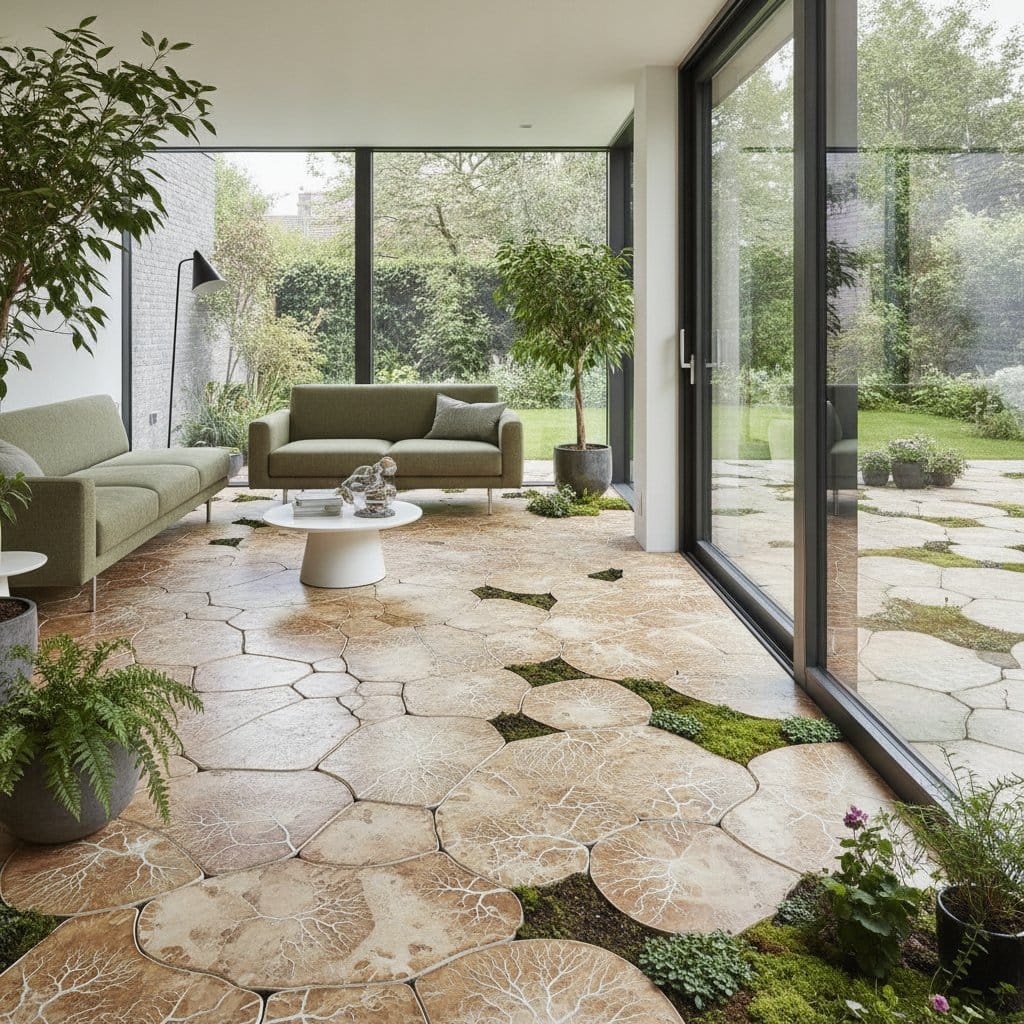
Mycelium Pavers: Transforming Landscapes with Agricultural Waste
The initial encounter with a mycelium paver pathway remains vivid. It resembled a conventional garden trail at a distance, winding through a serene courtyard. Upon closer inspection, however, the edges revealed a gentle irregularity, and the material exuded a subtle vitality absent in typical stone or concrete. This observation prompted a reevaluation of hardscaping principles, blurring the lines between inert construction and organic growth.
The Science Behind Mycelium Pavers
Mycelium pavers derive from the thread-like network of fungal roots known as mycelium. This structure binds substrates like agricultural byproducts, including corn stalks, hemp hurds, and sawdust, into a solid form. The process involves inoculating the waste material with fungal spores in a mold, where the mycelium colonizes and densifies the mixture over five to seven days under controlled humidity and temperature.
Once matured, the pavers undergo a drying phase to halt growth and enhance strength, achieving compressive resistance comparable to lightweight concrete. This method contrasts sharply with conventional materials. Cement production requires intense heat from fossil fuels and quarrying of limestone, generating substantial carbon emissions. Mycelium cultivation, by comparison, operates at ambient temperatures, repurposes waste that might otherwise decompose in landfills, and requires only a fraction of the water used in manufacturing processes.
At the end of their lifecycle, typically 20 to 50 years depending on exposure, these pavers biodegrade naturally. They integrate back into the soil, supporting microbial activity and nutrient cycling without leaving persistent pollutants.
Embracing Organic Aesthetics in Design
Conventional hardscaping emphasizes endurance against the elements, resulting in monolithic surfaces like poured concrete or mortared bricks that dominate their environment. Mycelium pavers introduce a dynamic alternative. Their composition allows for subtle weathering, where surfaces develop patinas from rainfall or integrate microflora such as lichens.
Consider these distinctions in application:
- Concrete installations project uniformity and require sealants to prevent cracking under freeze-thaw cycles.
- Mycelium pavers adapt to minor shifts in the ground, reducing the risk of fractures, and their porous nature facilitates water permeation, minimizing runoff.
Homeowners drawn to biophilic design appreciate this integration. These pavers enhance biodiversity by providing habitats for insects and small plants, fostering a living ecosystem within the landscape. In urban gardens or rural retreats, they create focal points that evolve seasonally, aligning with the rhythms of surrounding vegetation.
Installation and Maintenance Essentials
Suitable for walkways, patios, and low-traffic borders, mycelium pavers support pedestrian use and occasional furniture placement. They withstand compressive loads up to 500 pounds per square foot but require reinforcement for areas with heavier demands, such as driveways. The material's inherent texture offers superior traction, even when damp, and maintains a comfortable temperature year-round.
To install effectively, prepare a compacted gravel base at least four inches deep to ensure stability and drainage. Lay the pavers in a sand bed, using polymeric sand for joints to allow flexibility while preventing shifts. Custom fabrication is straightforward; producers can incorporate natural pigments for colors ranging from earthy browns to subtle greens, or shape them into curves for winding paths.
Upkeep involves minimal effort. Brush away debris weekly and rinse with a hose monthly to preserve appearance. In regions with heavy pollen or dust, a soft-bristle broom suffices. Damaged units can be removed, composted in a backyard bin, and replaced with new ones grown to match, eliminating the need for specialized disposal.
Integrating Mycelium into Your Outdoor Vision
Selecting mycelium pavers extends beyond functionality to embody a philosophy of harmony with the environment. They enable designs that prioritize resilience and renewal, turning outdoor spaces into extensions of the natural world.
Begin with a pilot project, such as edging a flower bed or creating stepping stones through a lawn. Monitor performance across seasons, noting how the pavers interact with soil moisture and adjacent plantings. This approach reveals their role in enhancing overall garden health, from improved water retention to reduced maintenance demands. Ultimately, mycelium pavers cultivate landscapes that thrive alongside their inhabitants, promoting enduring sustainability.