Decomposed Granite: Effortless Patio Perfection
A patio should feel like a natural extension of your home, a space that invites relaxation, entertaining, and enjoyment of the surroundings. Decomposed granite, often abbreviated as DG, has emerged as a preferred option for homeowners seeking a clean, modern appearance without the expense and upkeep associated with poured concrete or stone pavers. This compacted, gravel-like material produces smooth, stable surfaces that facilitate effective drainage and integrate seamlessly with diverse landscape designs.
If you plan to upgrade an existing patio or construct a new one, gaining insight into the advantages of decomposed granite will assist in determining whether it aligns with your objectives, financial constraints, and aesthetic preferences.
Why Homeowners Choose DG for Patios
Decomposed granite accommodates a broad spectrum of design objectives. Its affordability, sustainability, and visual appeal render it suitable for projects of varying scales, from compact urban yards to expansive rural settings.
1. Cost and Value
Installing a DG patio typically incurs lower expenses than alternatives such as concrete, brick, or natural stone. Materials generally range from two to six dollars per square foot, depending on the source and quality. Professional installation contributes an additional three to seven dollars per square foot, influenced by factors like site preparation and the incorporation of stabilizers. Even including labor costs, the overall investment frequently remains below that of pavers or stamped concrete, allowing allocation of savings toward complementary elements such as outdoor furniture, ambient lighting, or surrounding vegetation.
To maximize value, select locally sourced DG to minimize transportation costs and support regional suppliers. For a 200-square-foot patio, expect material costs around 400 to 1,200 dollars, with installation bringing the total to 1,000 to 2,600 dollars.
2. Easy Installation
Decomposed granite installation proves simpler than methods requiring mortar or exacting alignment. Begin by excavating the designated area to a depth of four to six inches, removing vegetation and debris. Establish a stable base layer of two inches of crushed stone, which you compact thoroughly using a plate compactor. Apply decomposed granite in two- to three-inch layers, wetting each lightly before compacting to achieve a firm, even surface.
For enhanced durability, integrate a stabilizer such as organic binders or polymers during the final layer. Homeowners often complete smaller projects over a weekend, but for larger areas exceeding 300 square feet, professional assistance ensures precise grading and optimal compaction, preventing settling issues over time.
3. Natural Drainage
The permeable nature of decomposed granite allows water to percolate through the surface rather than accumulate atop it. This characteristic eliminates standing water and minimizes runoff, safeguarding adjacent plantings and foundational structures from moisture damage. In regions subject to water conservation mandates or prone to flooding, DG surpasses impermeable options by promoting infiltration into the soil.
Select a stabilized DG variant for high-traffic zones to maintain permeability while resisting erosion. This approach not only complies with environmental regulations but also reduces the risk of slip hazards after rain.
4. Versatile Appearance
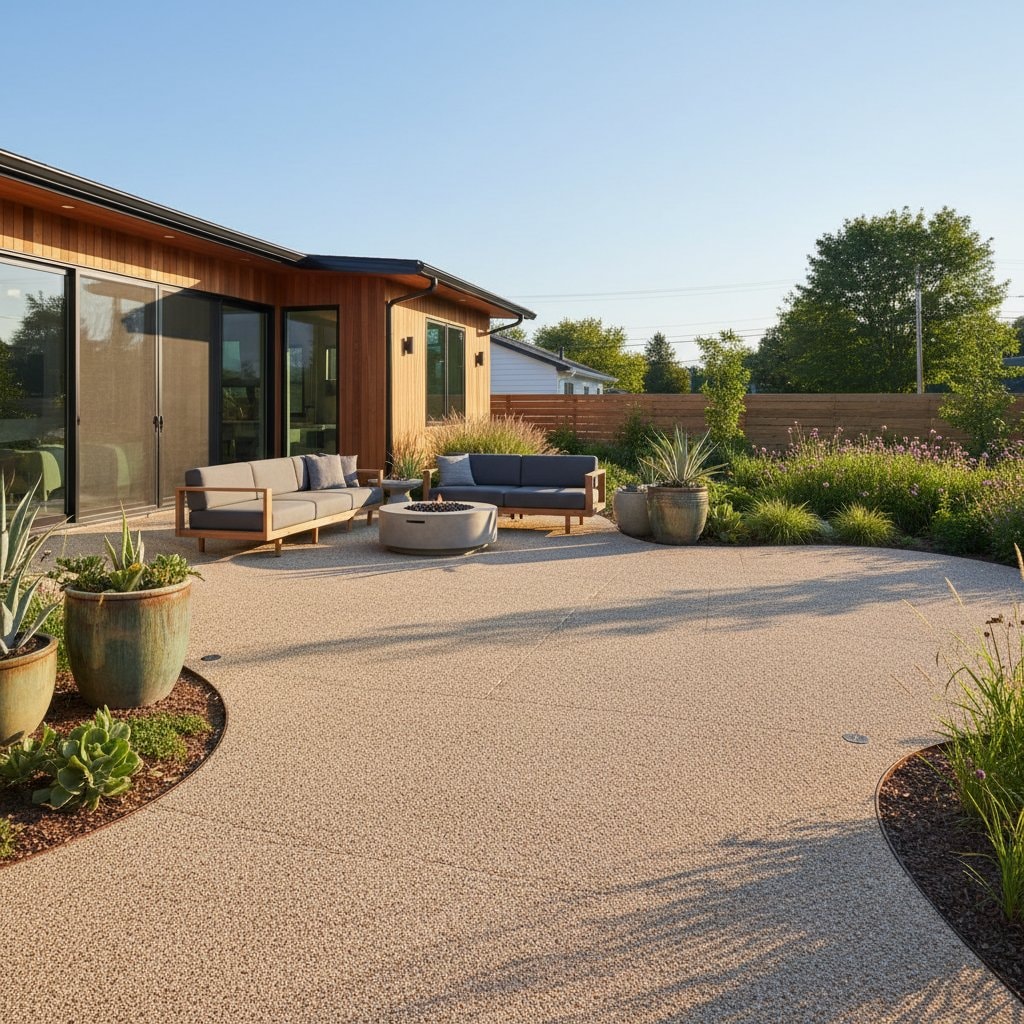
Decomposed granite adapts effortlessly to multiple design aesthetics. In arid or drought-resistant gardens, it harmonizes with indigenous flora and rock features, evoking a sense of organic integration. For contemporary residences, it provides a subtle contrast against metallic accents, sleek concrete elements, or timber decking.
Define boundaries with edging materials like corten steel, reclaimed brick, or boulders to enhance definition and introduce textural variety. The subtle granularity of DG tempers rigid architectural forms, fostering an uncluttered yet inviting ambiance. Available in hues from warm golds to cool grays, it allows customization to match existing hardscapes or seasonal plantings.
5. Environmentally Friendly
Among hardscape options, decomposed granite stands out for its ecological benefits. Derived from weathered granite rock, it often originates from nearby quarries, thereby lowering the carbon footprint linked to shipping. Its porous structure facilitates aquifer replenishment and curbs soil displacement during storms.
Pair DG with drought-tolerant species or xeriscape principles to cultivate water-efficient outdoor environments. This combination demands minimal irrigation and chemical interventions, preserving biodiversity while aligning with sustainable living practices. Over time, it contributes to healthier ecosystems by filtering rainwater naturally.
Maintenance and Longevity
Decomposed granite patios demand far less routine care than many comparable surfaces, yet periodic attention ensures enduring appeal.
- Rake the surface periodically to redistribute material and eliminate indentations from foot traffic or equipment.
- Replenish decomposed granite every three to five years if wear causes thinning or instability.
- Remove leaves, twigs, and other debris promptly to avoid decomposition that could alter the top layer's composition.
- Apply stabilizer as necessary to restore cohesion, particularly following intense precipitation events.
When installed correctly and tended to, a DG patio endures for ten to fifteen years prior to requiring significant renewal. Opt for resin-stabilized or dustless formulations in rainy climates to bolster resilience against weathering.
Design Ideas for DG Patios
Incorporate decomposed granite into your landscape with these targeted concepts to elevate functionality and style.
- Modern simplicity: Employ light gray DG bordered by slim steel or precast concrete edging to achieve a minimalist, angular composition that suits urban settings.
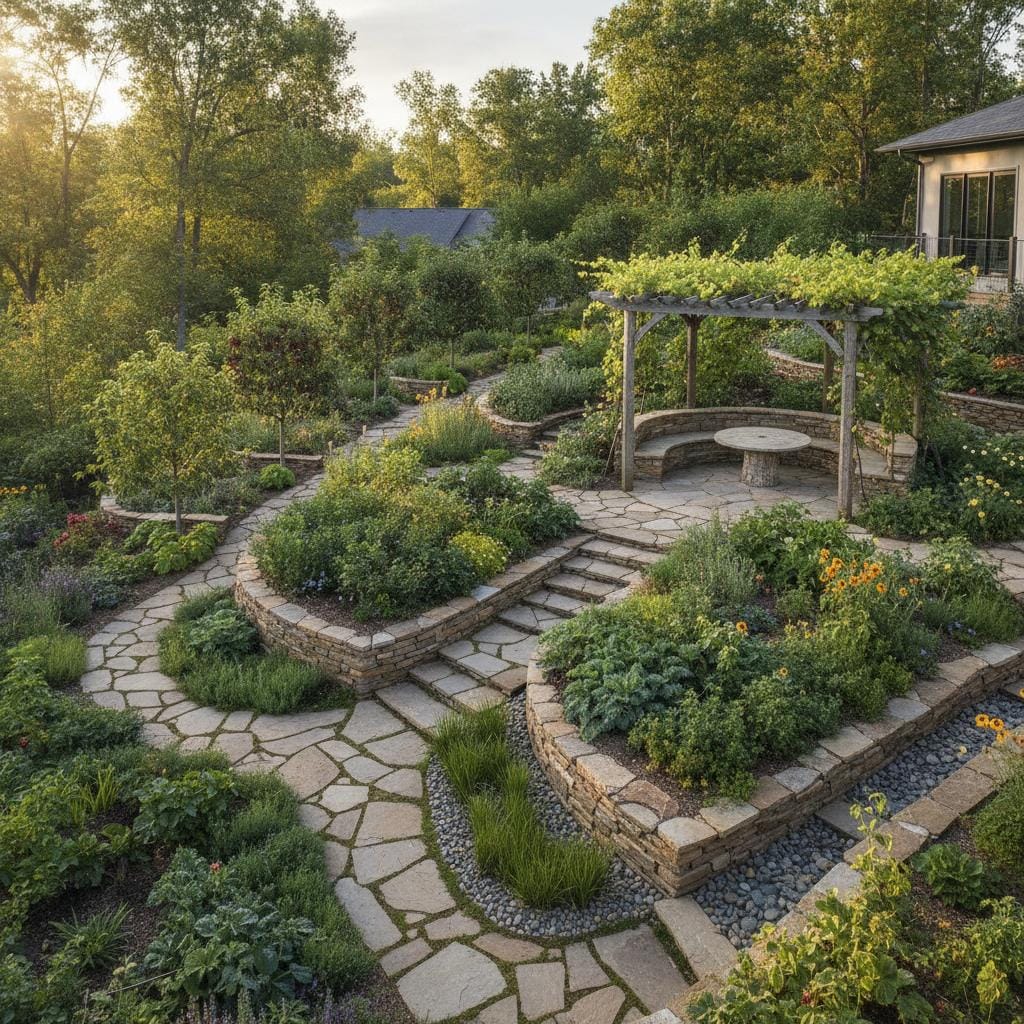
- Rustic retreat: Select warm-toned golden DG alongside irregular flagstone accents and drought-hardy perennials for a cozy, countryside vibe.
- Mediterranean courtyard: Integrate reddish DG with clay planters and textured stucco features to evoke sun-drenched European enclaves.
- Functional zones: Delineate dining and relaxation areas using varying DG shades or embedded stone dividers, optimizing space for diverse activities.
- Pathway integration: Extend DG seamlessly from the patio into winding garden trails, unifying the yard and simplifying navigation.
Enhancing Durability Through Care
Once established, a decomposed granite patio integrates effortlessly into daily life. Perform light sweeping or raking weekly during peak use, trim encroaching growth along edges, and inspect for stabilization needs biannually. In humid environments, proactive stabilizer applications every two to three seasons mitigate washout risks.
This surface delivers enduring elegance, merging natural texture with reliable performance. Whether you undertake the installation independently or engage experts, the outcome yields a versatile, eco-conscious haven that amplifies your property's allure and usability.