Understanding Carbon-Negative Hardscaping
Hardscaping elements such as patios, walkways, and retaining walls provide essential structure and beauty to outdoor spaces. Increasingly, homeowners recognize their potential to support environmental goals. Carbon-negative hardscaping represents an advanced approach where materials and processes sequester more carbon dioxide from the atmosphere than they release throughout production and use. This method enables informed decisions for projects that align durability with ecological responsibility.
Defining Carbon-Negative Hardscaping
Conventional concrete and stone production generate substantial greenhouse gas emissions, particularly from energy-intensive cement manufacturing and resource extraction. Carbon-negative alternatives reverse this impact by incorporating mechanisms that capture and store carbon. These materials often integrate recycled components, carbon-absorbing additives, or production methods powered by renewables, resulting in a net positive effect on atmospheric carbon levels over the product's lifecycle.
Key Materials in Carbon-Negative Hardscaping
Several innovative materials drive the adoption of sustainable hardscaping practices. Each option balances environmental gains with practical performance.
- Recycled Concrete Aggregate (RCA): This material repurposes demolished concrete by crushing it into usable gravel or base layers, diverting waste from landfills and eliminating the demand for virgin aggregates.
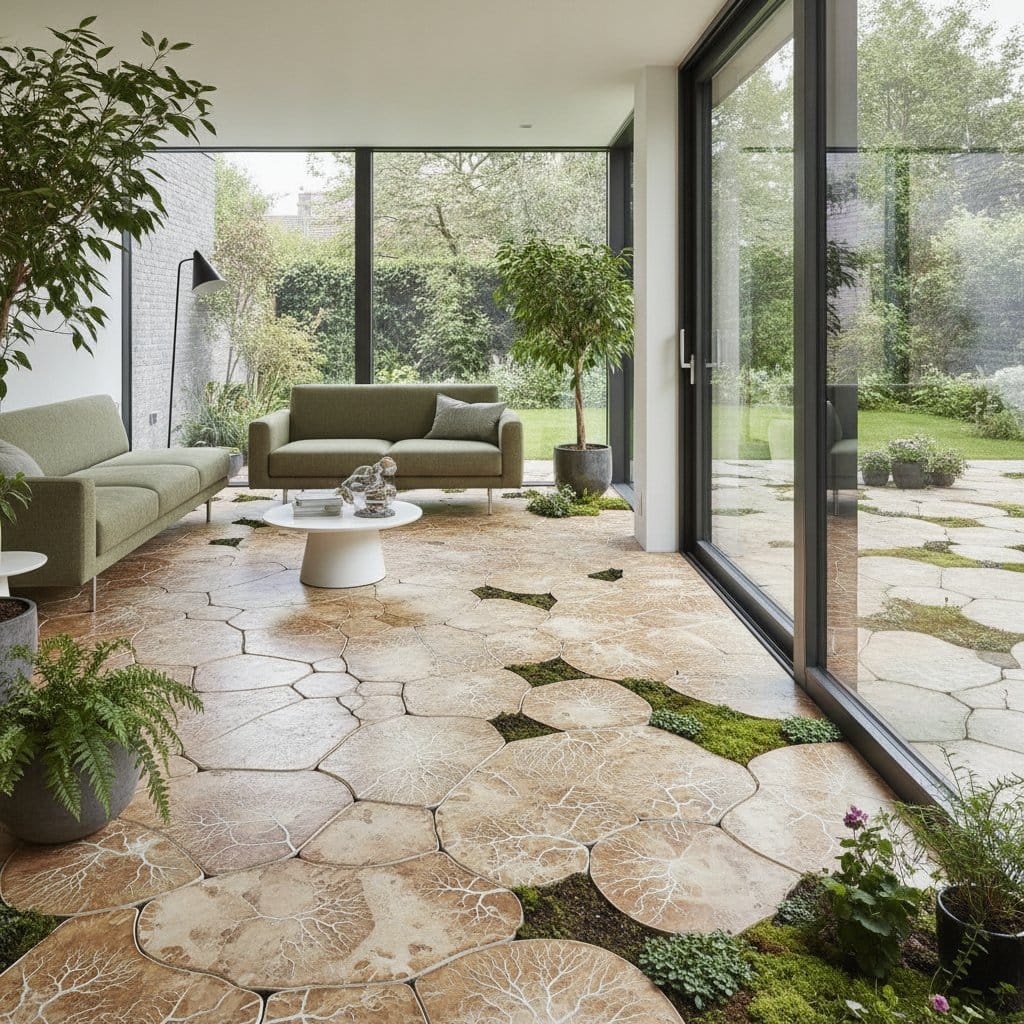
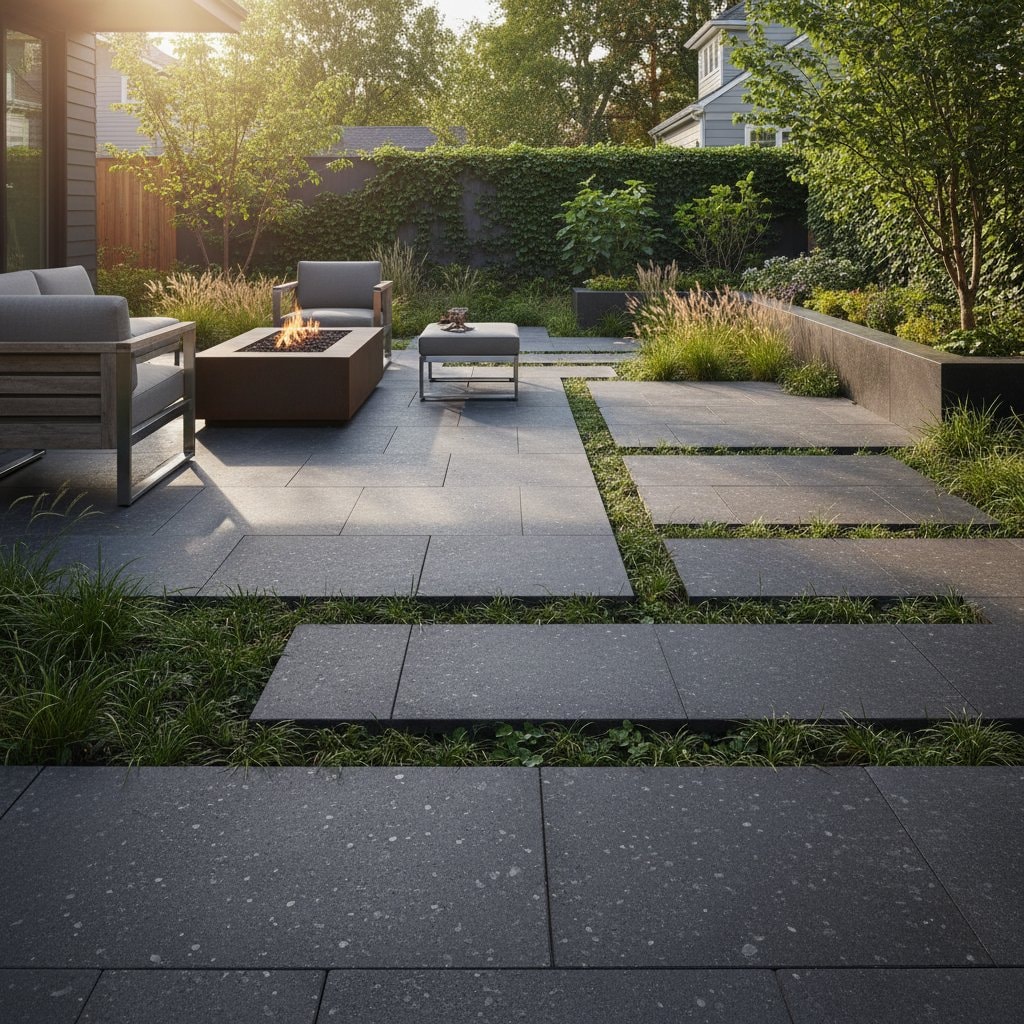
- Permeable Pavers: Designed to facilitate water infiltration, these pavers reduce urban runoff while some formulations include geopolymer binders that bind carbon during setting.
- **Biochar Concrete:**agricultural waste into stable charcoal, biochar integrates into concrete mixes to permanently sequester carbon, enhancing the material's strength without additional emissions.
- Recycled Glass and Plastic Pavers: Incorporating post-consumer glass or plastic reduces the energy required for new production and prevents landfill accumulation, with some variants featuring carbon-capturing resins.
- Low-Carbon Cement Substitutes: Alternatives like fly ash or slag from industrial processes replace Portland cement, absorbing CO2 during the hydration phase to achieve negative emissions.
These materials vary in texture and color to suit diverse design preferences, yet all prioritize long-term carbon storage.
Evaluating Costs and Installation
Sustainable hardscaping does not necessarily increase expenses significantly. Recycled aggregates and reclaimed pavers frequently prove more economical due to lower sourcing costs. Specialized options like biochar concrete may raise material prices by 10 to 25 percent, but they often offset this through reduced upkeep and superior water management.
Installation follows established protocols: prepare a stable sub-base, ensure proper slope for drainage, and compact layers thoroughly. Certain carbon-negative products demand unique adhesives or extended curing periods, so select contractors experienced in eco-materials to avoid complications.
Ensuring Maintenance and Durability
Carbon-negative surfaces demonstrate resilience comparable to traditional counterparts. For permeable pavers, routine sweeping or vacuuming clears debris from joints to maintain permeability. Recycled aggregates withstand weathering, including freeze-thaw conditions, when installed with adequate depth and stabilization.
The carbon sequestration persists as the materials degrade slowly, preventing re-release of stored CO2. Regular inspections identify minor issues early, preserving both functionality and environmental benefits.
Quantifying Environmental Impacts
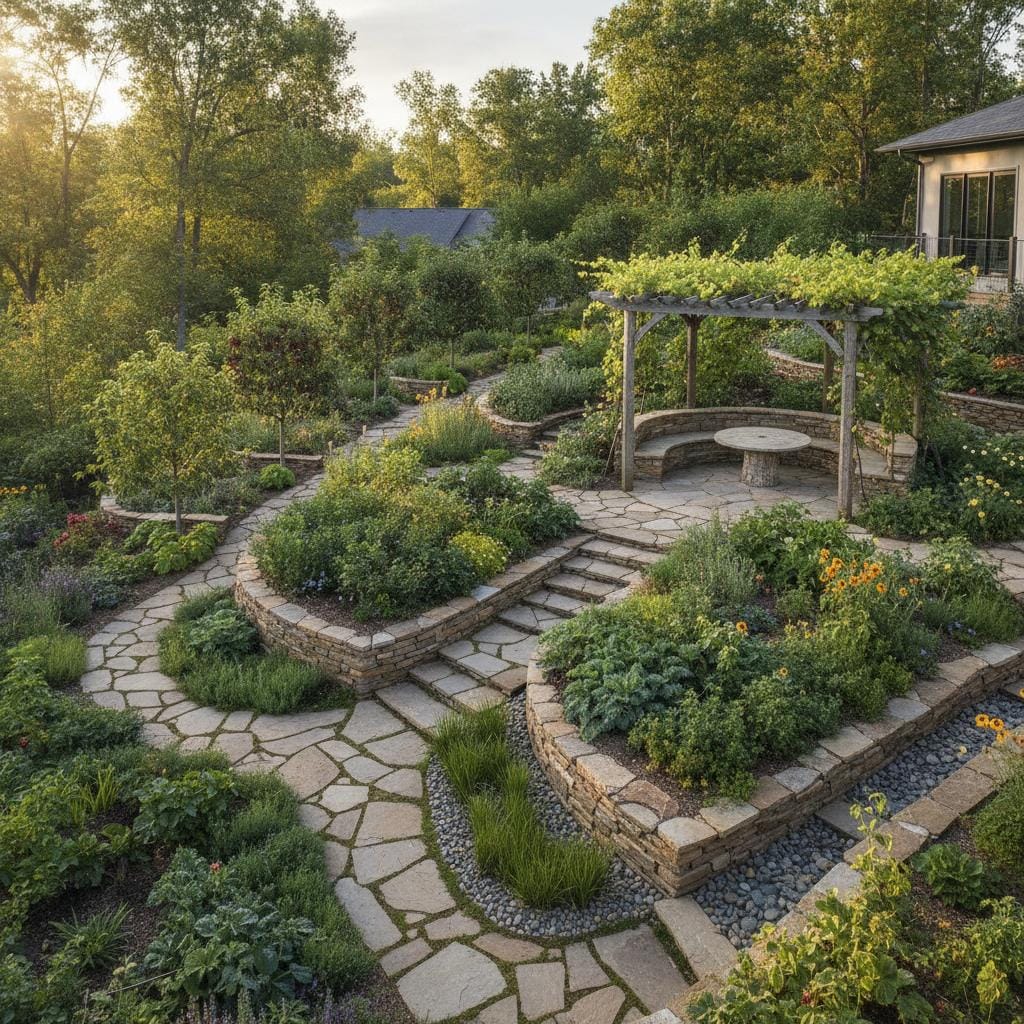
Carbon-negative hardscaping delivers verifiable advantages in emission reduction. One ton of such material can sequester two to five times the CO2 emitted during its creation, far surpassing standard concrete's profile. Integrating these elements with native vegetation and permeable designs transforms yards into net carbon sinks, mitigating urban heat islands and enhancing biodiversity.
Stormwater management improves as well, filtering pollutants before they reach waterways. Over decades, these installations contribute to broader climate resilience.
Implementing Carbon-Negative Projects
Begin your project by assessing site conditions, including soil composition, existing drainage patterns, and reusable on-site materials. Consult local suppliers for availability of certified low-emission products tailored to your climate. When reviewing bids, prioritize suppliers who provide lifecycle carbon assessments alongside pricing.
Select materials that complement your landscape vision, such as textured pavers for patios or smooth aggregates for paths. Professional guidance ensures compliance with local codes while maximizing sustainability.
Sustaining Gains Through Ongoing Choices
Adopting carbon-negative hardscaping fortifies your property against environmental challenges while advancing global efforts. Each installed feature accumulates benefits, from cleaner air to resilient infrastructure. This strategic investment yields enduring value, blending aesthetic excellence with ecological stewardship.