Why Mycelium Pavers Revolutionize Hardscaping
Landscapes thrive when materials harmonize with their surroundings. Stone, wood, and soil each contribute unique qualities that root a space in its environment. Mycelium pavers introduce a fresh perspective to hardscaping, merging ancient biological processes with modern design needs.
Understanding Mycelium
Mycelium forms the root-like network of fungi that supports mushrooms. This structure decomposes organic matter and weaves it into resilient fibers. In controlled settings, mycelium expands into lightweight, robust forms that dry into stable, compostable products such as bricks, panels, and pavers.
Garden applications shift from resource extraction to collaboration with nature. Designers guide fungal growth to produce practical elements that align with sustainable practices.
The Shift Toward Bio-Based Hardscaping
Conventional pavers rely on concrete, clay, or stone, materials that demand significant energy during production. Cement manufacturing, for instance, generates substantial carbon emissions. Mycelium pavers emerge within the realm of bio-based alternatives, prioritizing renewable resources and reduced environmental impact.
Production involves growing the material on substrates like agricultural husks or sawdust. Mycelium binds these elements into cohesive units with low energy input and negligible waste. The resulting pavers exhibit organic textures and colors, underscoring their natural origins.
Appearance and Texture Variations
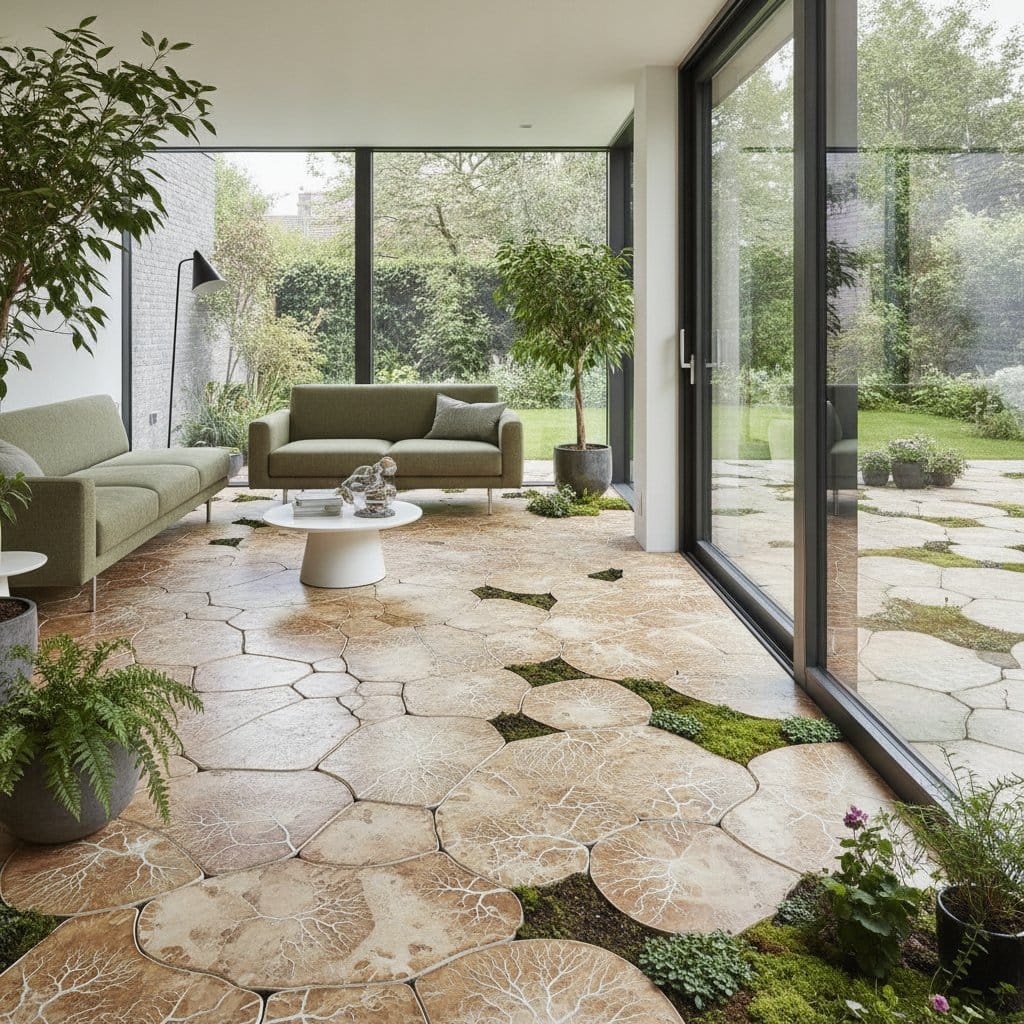
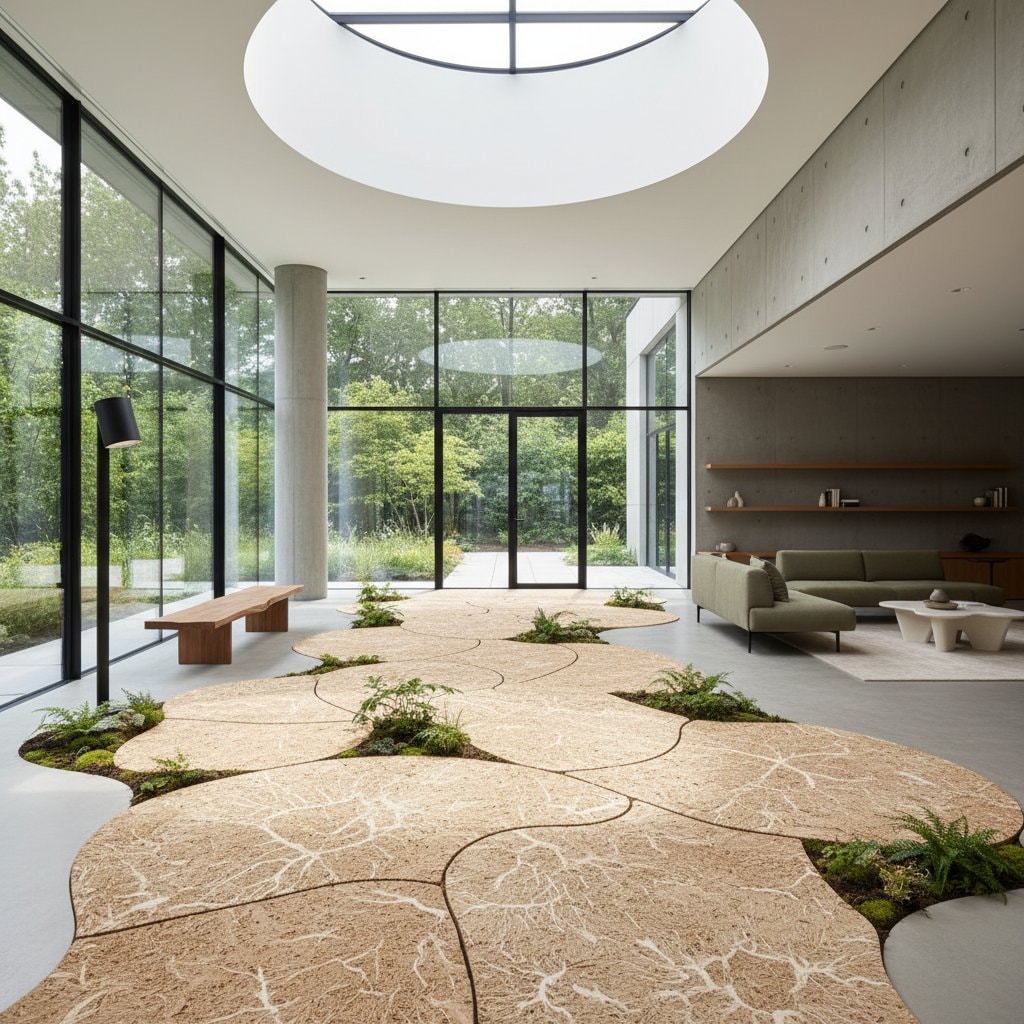
Mycelium pavers display finishes from earthy and textured to sleek and uniform. Natural versions enhance rustic paths that complement vibrant plantings or reflective water elements. Sealed options suit contemporary layouts with clean lines.
These pavers bridge the gap between rugged stone and smooth concrete. They provide warmth and subtle uniqueness while maintaining structural integrity. In shaded areas, they integrate seamlessly with surrounding soil; in open courtyards, geometric arrangements retain a soft visual appeal.
Performance in Strength and Durability
Homeowners often question the resilience of fungal-derived materials against weather and use. Mycelium pavers demonstrate notable strength, particularly with added binders or coatings. They support pedestrian traffic and typical outdoor conditions when installed on a solid foundation.
Such pavers suit residential paths, patios, and borders rather than heavy-duty driveways. Their environmental advantage lies in biodegradability; damaged units compost easily, avoiding landfill contributions. This lifecycle supports sustainable renewal.
Design Integration Strategies
Mycelium pavers encourage designs that echo natural patterns. Focus on balance rather than uniformity to highlight their organic qualities. Consider these approaches for effective use:
- Blend paved surfaces with adjacent plantings through curved edges or shared substrates.
- Incorporate complementary textures in elements like wooden benches or gravel accents.
- Ensure adequate drainage around pavers to promote airflow and prevent moisture accumulation.
- Select finishes based on exposure: seal for sunlit areas, leave untreated for shaded, moist zones.
- Begin with modest installations, such as winding walkways, to assess performance.
These steps foster cohesive landscapes that evolve with seasonal changes.
Broader Benefits for Environment and Experience
Mycelium pavers minimize reliance on finite resources and cut production emissions. They promote material reuse through composting at end-of-life. Beyond metrics, they foster a tactile connection to ecological cycles.
Underfoot, these pavers feel warmer than stone, inviting prolonged interaction. Subtle shifts in color or patina over time mirror nearby vegetation. This dynamic quality positions gardens as living ecosystems rather than fixed installations.
Maintenance and Enhancement Practices
Routine care for mycelium pavers mirrors that of other organic surfaces. Sweep or rinse periodically to remove debris. Steer clear of chemical cleaners that might compromise finishes.
Surrounding vegetation enhances longevity and aesthetics. Plant moss, sedum, or thyme in joints to stabilize the surface and create a seamless, green transition. Monitor for wear and replace pieces as needed to sustain the design.
Embracing Mycelium in Your Landscape
Adopting mycelium pavers signals a commitment to harmonious outdoor spaces. They challenge traditional notions of permanence, embracing materials that renew alongside nature. Start by sourcing samples from local suppliers to explore their potential in your project.
This choice enriches both the environment and the user experience, weaving sustainability into everyday design.