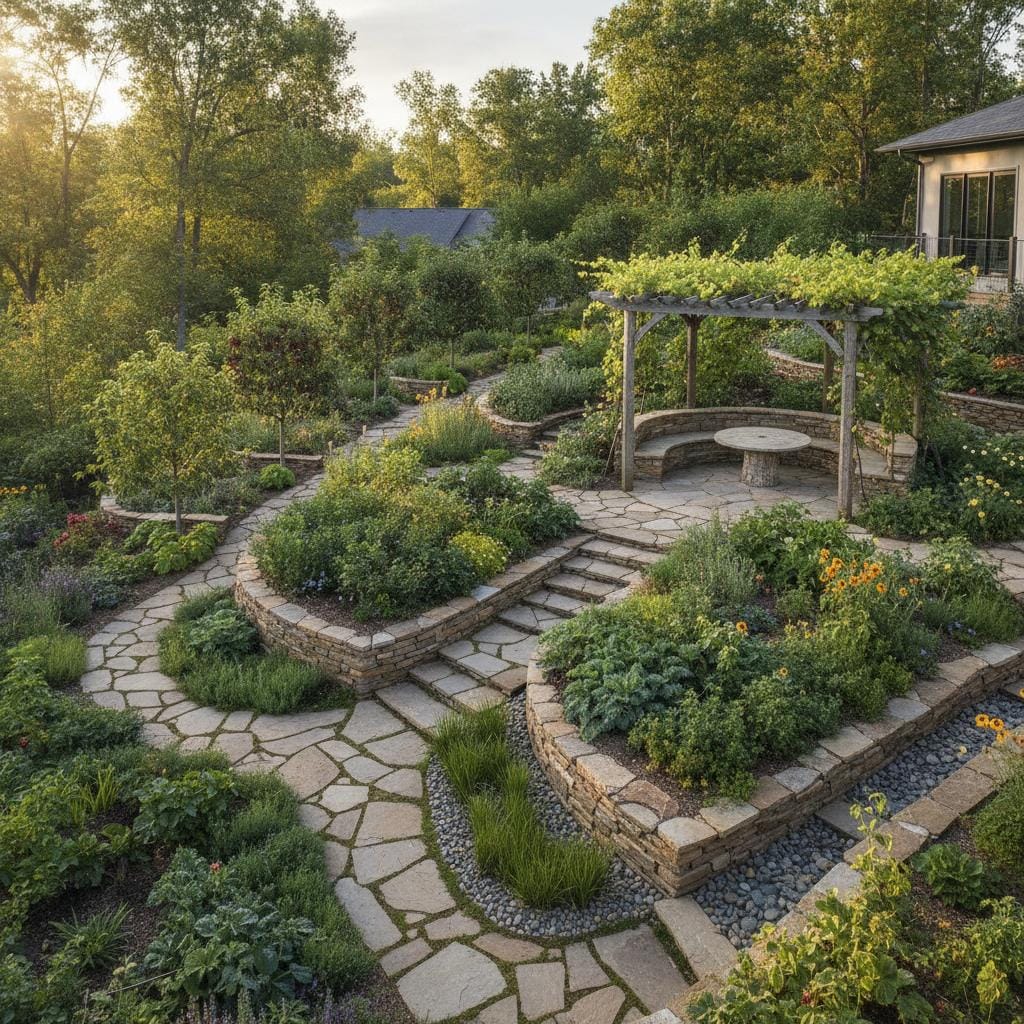
Mycelium Pathways Redefine Sustainable Hardscaping
Consider a backyard path composed of lifeless stones or faded gravel. Such surfaces often lack vitality and fail to harmonize with the surrounding landscape. Mycelium pathways address this by infusing hardscaping with biological activity, creating routes that support and enhance the garden ecosystem.
Mycelium consists of the thread-like filaments of fungi that form underground networks. These structures facilitate nutrient exchange, water retention, and soil stabilization. In pathway design, mycelium integrates with aggregates like crushed stone or permeable pavers, yielding surfaces that evolve alongside plant life and seasonal changes.
This method shifts hardscaping from rigid installations to adaptive features. Pathways become conduits for microbial activity, promoting biodiversity while providing durable footing. Gardeners gain a practical way to blend functionality with environmental stewardship.
Assessing Your Space Before You Begin
Evaluate the site thoroughly to ensure the pathway aligns with natural conditions. Observe drainage patterns during rainfall to identify low-lying areas prone to pooling. Map existing vegetation, noting tree roots and shrub bases that could integrate with the fungal network.
Key questions to consider include:
- Which sections of the yard retain moisture longest after precipitation?
- What paths follow intuitive routes between key garden features, such as patios and planting beds?
- Do adjacent plants show signs of nutrient deficiency that a mycelium system might alleviate?
Soil testing provides further insight. Sample pH levels and organic content to confirm suitability for fungal growth, which prefers neutral to slightly acidic conditions. This preparation prevents mismatches and supports long-term pathway performance.
Select a location with partial shade to moderate temperature fluctuations. Full sun can dry out the network too quickly, while deep shade limits initial establishment. By aligning the design with these elements, the pathway integrates seamlessly into the garden's rhythm.
Building and Nurturing Your Living Pathway
Prepare the foundation by clearing debris and excavating to a depth of four to six inches. Loosen the subsoil with a garden fork to encourage root penetration, then incorporate compost or aged manure at a rate of one part organic matter to three parts native soil.
Source mycelium starter from reputable suppliers, often in the form of inoculated wood chips or grain spawn. Distribute it evenly across the base layer, aiming for a concentration of one pound per square yard. Layer permeable materials on top, such as decomposed granite or recycled glass aggregates, compacted lightly to allow fungal threads to migrate upward.
During the initial establishment phase, which lasts four to six weeks, maintain soil moisture at 60 to 70 percent capacity. Use a soaker hose for even distribution, avoiding saturation that could lead to anaerobic conditions. Monitor progress by checking for white, web-like growth in test sections.
Essential practices for optimal development include:
- Sustaining moisture levels through weekly checks and supplemental irrigation as needed.
- Excluding synthetic fertilizers and pesticides, which disrupt fungal symbiosis.
- Planting companion species like native grasses or perennials along edges to foster mutual benefits.
- Selecting materials with high porosity, such as lava rock or hempcrete pavers, for enhanced gas exchange.
As mycelium colonizes the substrate, the pathway gains structural integrity. Fungal hyphae bind particles together, reducing erosion and improving load-bearing capacity without the environmental costs of traditional binders.
Maintaining the Pathway Through Seasons
Mycelium pathways require minimal intervention but benefit from seasonal attention. In spring, rake away winter debris to restore surface permeability. During dry summers, apply mulch along borders to conserve underlying moisture.
Address imbalances promptly. If sections compact from foot traffic, aerate gently with a broadfork to reinvigorate the network. Introduce fresh organic inputs, such as shredded leaves, annually to replenish nutrients and sustain microbial diversity.
Observe indicators of vitality, including resilient surface texture and increased earthworm activity nearby. These signs confirm the system's health. In colder climates, insulate edges with straw to protect against freeze-thaw cycles that might stress the fungi.
Regular upkeep ensures the pathway remains functional and aesthetically pleasing. Over years, it develops a patina from integrated moss or lichen, enhancing its natural appeal. This low-effort approach yields a feature that withstands use while contributing to soil regeneration.
Benefits of Integrated Garden Pathways
A mature mycelium pathway extends beyond mere traversal. Surrounding soil often exhibits enhanced tilth, with improved aeration and water infiltration leading to healthier root zones. Plants adjacent to the path display vigorous growth, thanks to the nutrient cycling facilitated by fungal associations.
This design fosters a self-sustaining microhabitat. Beneficial insects and pollinators find refuge in the stabilized edges, boosting overall biodiversity. Gardeners report reduced watering needs and fewer pest issues, as the living system buffers against extremes.
Ultimately, installing a mycelium pathway reorients outdoor spaces toward collaboration with nature. It transforms routine maintenance into an opportunity for observation and gentle stewardship. Each step along the path reinforces the garden's interconnected vitality, creating a lasting bond between human design and ecological processes.