Why Smart Gardeners Choose Fruit and Nut Hedges Over Boxwood
Have you ever looked at your garden hedge and felt that it could do more than mark a boundary? Many homeowners reach a point where ornamental hedges feel like static backdrops instead of living parts of a thriving landscape. If that sounds familiar, you are not alone.
More gardeners now trade traditional boxwood for fruit and nut hedges that look beautiful and give something back. These options combine structure with abundance.
Rethinking the Purpose of a Hedge
A hedge shapes pathways, defines borders, and provides privacy. Boxwood remains evergreen and easy to shape. Yet its beauty stops at the surface.
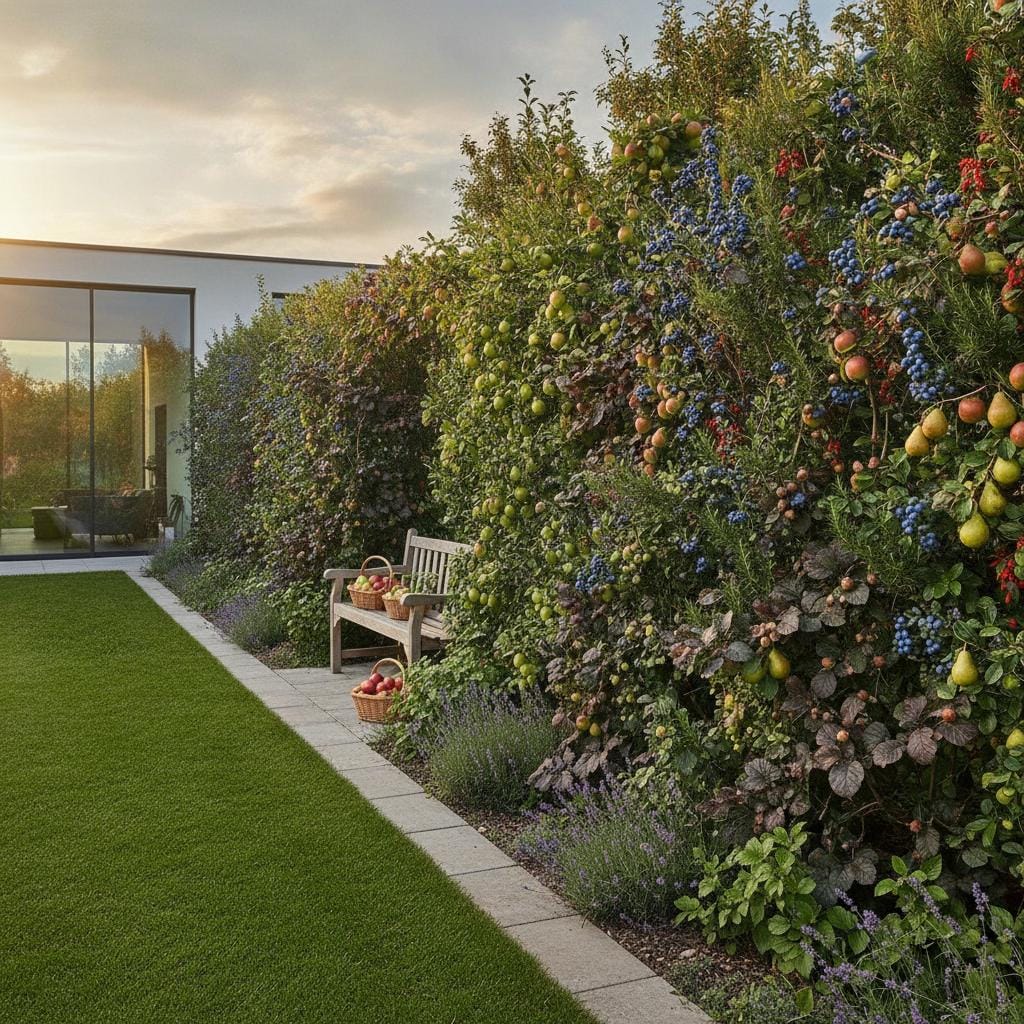
Fruit and nut hedges perform every function boxwood serves and add productivity. Imagine clipping your hedge and gathering berries or nuts at the same time. This approach turns maintenance into interaction with a living pantry.
Seeing the Beauty in Productivity
Fruit and nut hedges balance form and function. They deliver clean lines while supporting pollinators and seasonal harvests. Hazelnuts display sculptural catkins in spring. Apples produce blossoms. Blueberries show red autumn foliage.
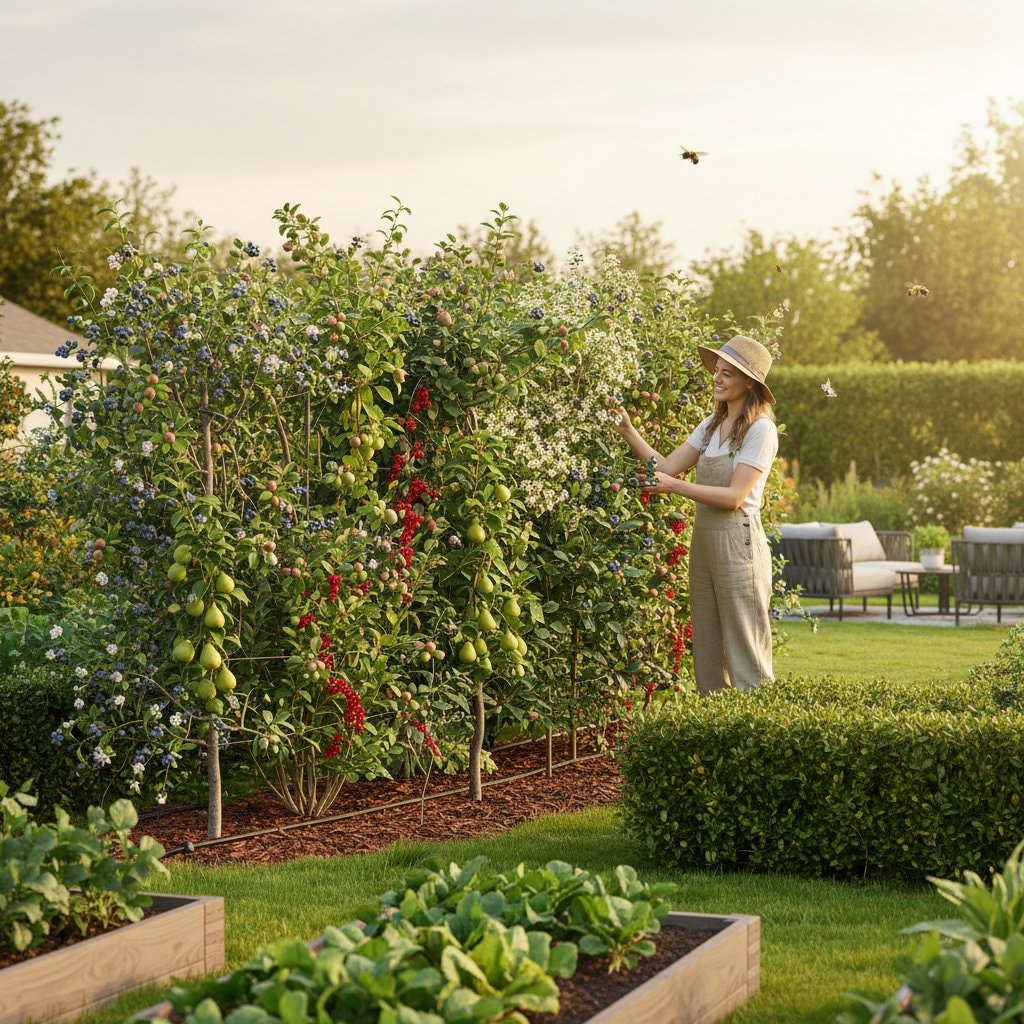
These plants create movement through visiting bees, birds, and butterflies. The result is a hedge that offers fragrance, texture, and variety beyond what boxwood provides.
Step One: Assess Your Space and Goals
Walk your property and note sunlight patterns and soil conditions. Fruit and nut hedges need full sun and well-drained soil. Blueberries require acidic soil. Hazelnuts adapt to varied conditions. Apples and plums prefer fertile ground.
Decide whether privacy or harvest is the priority. Measure available space for large shrubs or compact varieties. Combine species such as currants, gooseberries, and dwarf apples to create staggered heights and harvests.
Step Two: Plan for Structure and Longevity
Space plants according to mature size rather than boxwood standards. Most fruiting shrubs require three to five feet between individuals. This distance allows air flow that reduces disease and improves fruit quality.
Apply a three-inch mulch layer around each base. The mulch conserves moisture and suppresses weeds while enriching soil over time.
Step Three: Plant and Nurture with Care
Dig holes twice as wide as the root ball. Water thoroughly after planting and maintain even moisture during establishment. Prune lightly in the first seasons to shape growth and encourage strong branches.
Remove older wood each year to open light for new fruiting stems. Apply compost annually. Treat pests early with neem oil when needed.
Step Four: Enjoy the Harvest and the Habitat
Established hedges support bees, birds, and ripening fruit. The first berries signal summer. Cracking hazelnuts mark autumn. Children can snack while exploring the border.
Neighbors often pause to admire blossoms or inquire about yields. The hedge creates quiet connections through shared abundance.
Step Five: Maintain Through the Seasons
Prune lightly in spring and inspect for winter damage. Water deeply in summer dry periods. Harvest and shape lightly in autumn. Mulch the base in winter to prepare for the next cycle.
The hedge grows fuller and more productive each year. Seasonal changes in color and texture keep the garden engaging.
Turning a Boundary Into a Resource
Fruit and nut hedges supply privacy, shade, and fresh produce while building soil health. They reward consistent care with flavor and texture that static shrubs cannot match. Start with a single row of currants or hazelnuts. Expand as results appear. The hedge becomes a symbol of ongoing attention to growth and renewal.