Rewilding Yards With Low-Maintenance Meadow Lawns
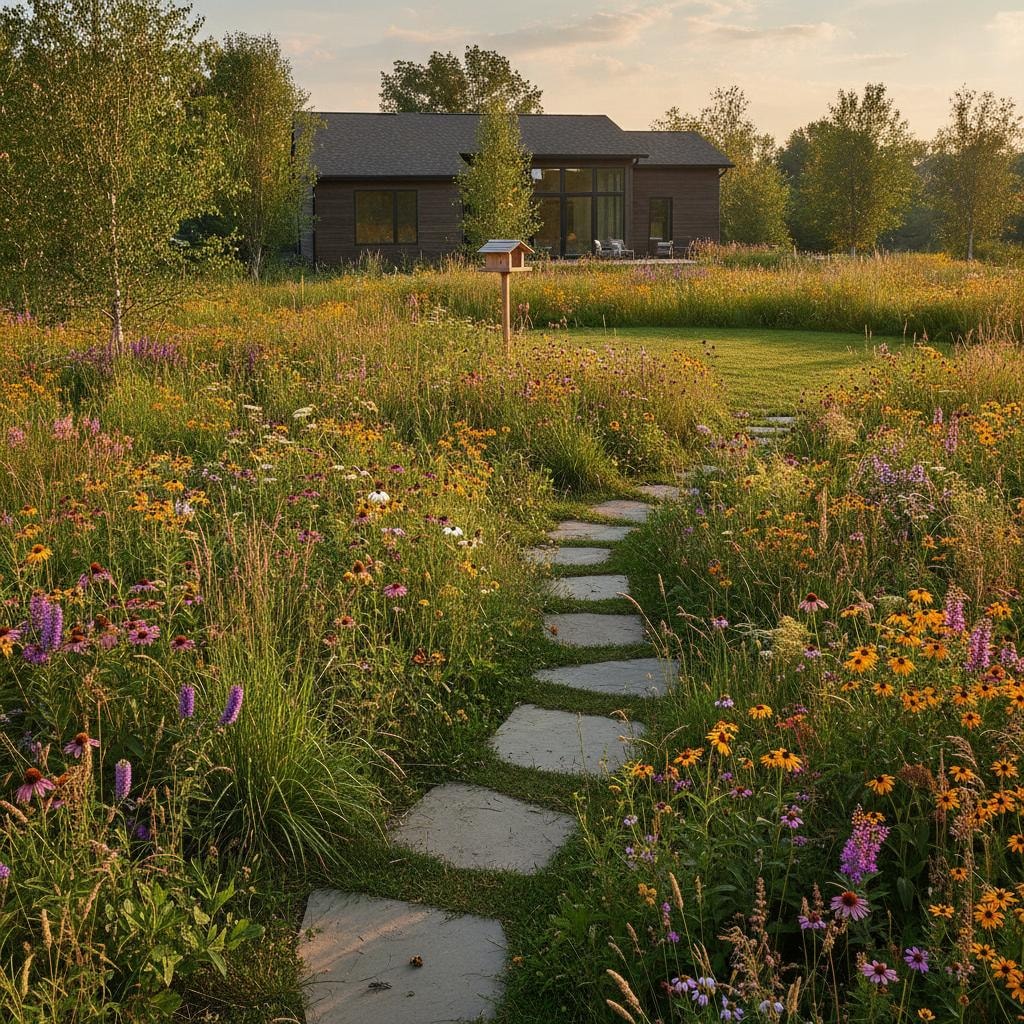
Many homeowners are rethinking their traditional grass lawns. The endless mowing, watering, and fertilizing can be costly and time-consuming. A growing alternative is the meadow lawn. This naturalistic approach replaces turf with native grasses and wildflowers. It creates a living landscape that supports pollinators, reduces maintenance, and still looks beautiful.
If you are curious about rewilding your yard, meadow lawns offer a practical way to create a healthier outdoor space with less effort.
Why Homeowners Are Switching to Meadow Lawns
The reasons for rewilding a yard are both practical and environmental.
Less maintenance: A meadow lawn can be cut as little as once or twice a year. This means fewer weekends behind a mower and lower fuel costs.
Water efficiency: Native plants are adapted to local rainfall, so they rarely need supplemental watering. This can reduce household water use and lower your utility bill.
Natural beauty: Meadow lawns have a softer, more relaxed look than turf grass. The mix of blooms changes over time, offering a new view every few weeks.
Wildlife support: Bees, butterflies, and birds thrive in meadows. By planting one, you help restore habitats that are disappearing in many neighborhoods.
Lower long-term costs: While the upfront expense may be slightly higher, maintenance is far less expensive over time. You save on mowing, fertilizer, and irrigation systems.
How to Plant a Meadow Lawn
Planting methods depend on the size of your yard and the type of seed you use.
Seeding method
Broadcasting seed by hand or with a spreader works well for most homeowners. Mix the seed with sand or sawdust to help spread it evenly. Press it lightly into the soil using a roller or your feet. Water gently after planting to help seeds settle.
Plug planting
For a quicker start, use plugs or small starter plants instead of seed. This costs more but helps control weeds early on. Space plugs about one foot apart and water well after planting.
Germination and early growth
During the first few months, keep the area lightly moist until plants establish roots. Avoid walking on it while seedlings are small. Some weeds will appear, but many will fade as the meadow thickens.
Common Challenges and How to Handle Them
Weeds: The first year can be messy as weeds compete with seedlings. Stay patient and use selective weeding rather than pulling everything. Many native plants take time to mature.
Uneven growth: Some patches may grow faster than others. Overseed thin areas in the second season to even them out.
Neighborhood perception: If you live where tidy lawns are the norm, a meadow might stand out. Adding a border of mowed grass or a simple fence can signal that your meadow is intentional, not neglected.
Seasonal Care for Established Meadows
Once your meadow lawn settles in, it becomes one of the easiest landscapes to care for. You trade constant mowing for seasonal upkeep and enjoy a yard that changes with the light and weather. Birds will return, butterflies will visit, and the yard will feel alive in a way turf never could.
Rewilding your lawn does not mean giving up control. It means working with nature instead of against it.