The Simple Swap That Turns Shrubs into Free Food
If you already have shrubs in your yard, you are halfway to growing your own food. Many decorative shrubs can be replaced with edible varieties that look just as good but also provide berries, nuts, or leaves you can eat. This small change can make your landscape more productive without adding much work.
Edible landscaping blends beauty and function. It keeps your yard attractive while giving you fresh ingredients right outside your door. With a few smart choices and a little planning, you can turn your hedge or border into a source of homegrown food.
Why Edible Shrubs Make Sense
Replacing ordinary shrubs with edible ones gives you two benefits in one space. You still get structure, shade, and privacy, but now that greenery also produces something useful. Many edible shrubs are hardy and low maintenance, which means they need about the same care as traditional landscape shrubs.
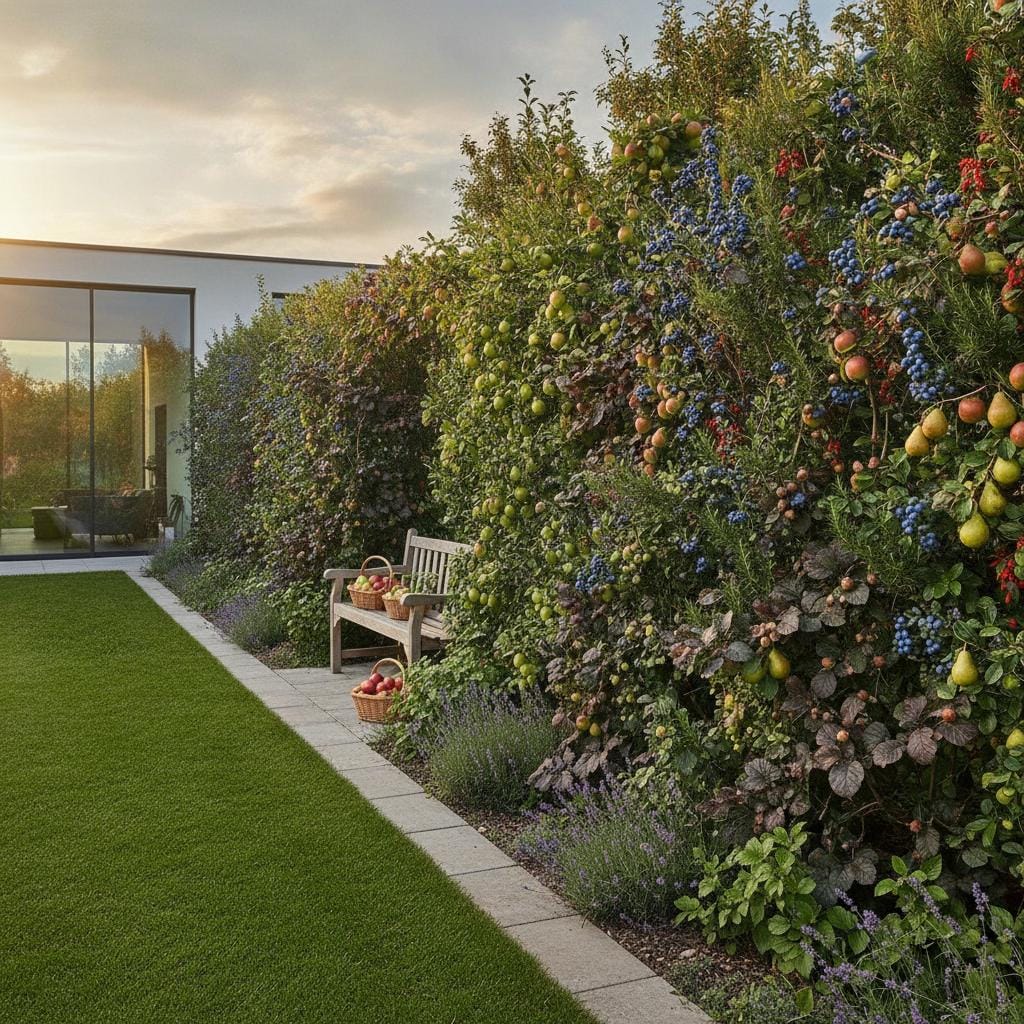
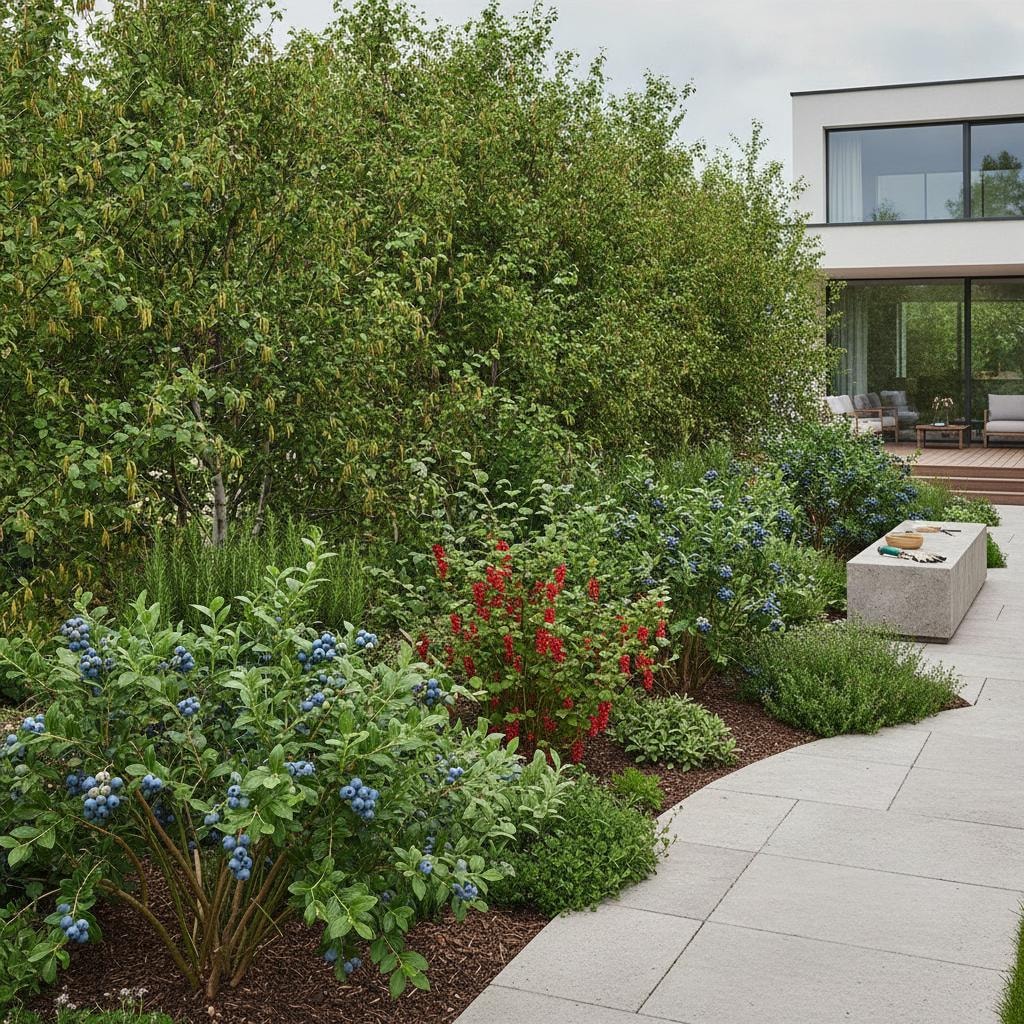
The idea is simple. Instead of a row of boxwood or privet, you could plant blueberry bushes, currants, or hazelnuts. Instead of a foundation planting of ornamental holly, you could grow rosemary or bay laurel trimmed into neat shapes. These options look tidy, smell great, and reward you with harvests through the seasons.
Top Choices for Edible Hedges and Borders
When choosing edible shrubs, look for plants that match your local climate, soil type, and sunlight. Here are some reliable options for most home landscapes.
1. Blueberries
Blueberries are one of the easiest fruiting shrubs for homeowners. They prefer acidic soil and full sun. Mature bushes can reach about four feet tall, so they work well as a hedge or border. Expect fruit in the summer and bright red foliage later in the year. You will need at least two varieties for good pollination.
Pros: Attractive year-round, long-lived, and highly productive.
Cons: Need acidic soil and regular watering.
2. Currants and Gooseberries
These small shrubs thrive in cooler climates and partial shade. They grow about three feet tall and produce clusters of tart, flavorful berries. Red and black currants are popular for jams and fresh eating.
Pros: Compact size, good shade tolerance, and reliable yields.
Cons: Can be thorny, and some types attract certain pests.
3. Serviceberries
Also known as juneberries, these shrubs can reach ten feet tall and produce white spring flowers followed by sweet, dark berries. They also have rich fall color, making them a strong choice for visual appeal.
Pros: Multi-season interest, edible fruit, and strong structure.
Cons: Birds may eat the fruit before you do, so netting may be needed.
4. Hazelnuts
Hazelnut bushes provide both edible nuts and dense foliage. They can grow into large, bushy screens about ten to twelve feet tall. They prefer full sun and well-drained soil.
Pros: Great privacy hedge, valuable harvest, and hardy growth.
Cons: Need two varieties for pollination and take several years to bear nuts.
5. Herbs as Shrubs
You can also use woody herbs like rosemary, lavender, or bay laurel as low hedges. They stay evergreen, smell wonderful, and can be harvested for cooking all year.
Pros: Easy to shape, drought tolerant, and versatile in recipes.
Cons: May not survive cold winters in some areas.
Planning Your Swap
Before you dig out your existing shrubs, check the growing conditions in your yard. Sunlight, soil type, and drainage all affect which edible shrubs will thrive.
- Sunlight: Most fruiting shrubs need at least six hours of direct sun.
- Soil: Blueberries prefer acidic soil, while currants and hazelnuts tolerate more neutral conditions.
- Water: Regular moisture helps fruiting plants set and ripen their crops.
Think about how tall and wide each plant will grow. A hedge of blueberries will look neat and uniform, while a mix of currants and herbs will give a looser, cottage-garden look. You can combine both for variety.
When planting, space shrubs far enough apart so they can spread naturally. Most edible shrubs need about three to five feet between plants. Add mulch to keep roots cool and hold moisture.
Care and Maintenance
Edible shrubs need similar upkeep to ornamental ones. Prune yearly to keep the shape and encourage fruiting. Feed with compost or a balanced fertilizer each spring. Watch for pests or diseases, but many edible shrubs are quite resistant once established.
Water deeply during dry spells, especially when fruit is forming. A drip system or soaker hose makes this easy and reduces waste. Remove weeds that compete for nutrients, and refresh mulch as needed.
Harvesting adds a new layer of enjoyment. Once the berries ripen or the herbs are ready, you can pick them fresh for cooking, baking, or preserving. The more you harvest, the more your plants will produce.
Start Your First Section
Start small by swapping one section of your landscape. Replace a few decorative shrubs with edible ones that grow well in your area. Over time, you can expand the idea to create a full edible border or privacy hedge.
This approach does not require a complete redesign, only thoughtful substitutions. You keep the structure and beauty of your landscape while gaining fresh food for your table.
Whether you choose blueberries, currants, or rosemary, each plant adds value and flavor to your property. With a little planning and care, your yard can look just as polished as before, but now every shrub has a purpose beyond decoration.