Why Rewild Your Yard for the 2026 Lawn Rebellion
Consider your yard and sense its lack of vitality, despite the neat green grass. You maintain it through mowing, watering, and fertilizing, yet it remains a static backdrop rather than a dynamic environment. Numerous homeowners share this dissatisfaction with conventional lawns and seek a more authentic, interconnected alternative. Rewilding addresses this by introducing natural elements.
Rewilding involves deliberate restoration rather than neglect. It welcomes native flora and fauna, fostering a landscape that sustains biodiversity instead of suppressing it. The emerging lawn rebellion urges a reevaluation of yard purposes, emphasizing functionality alongside aesthetics.
Developing a Tailored Plan for Your Yard
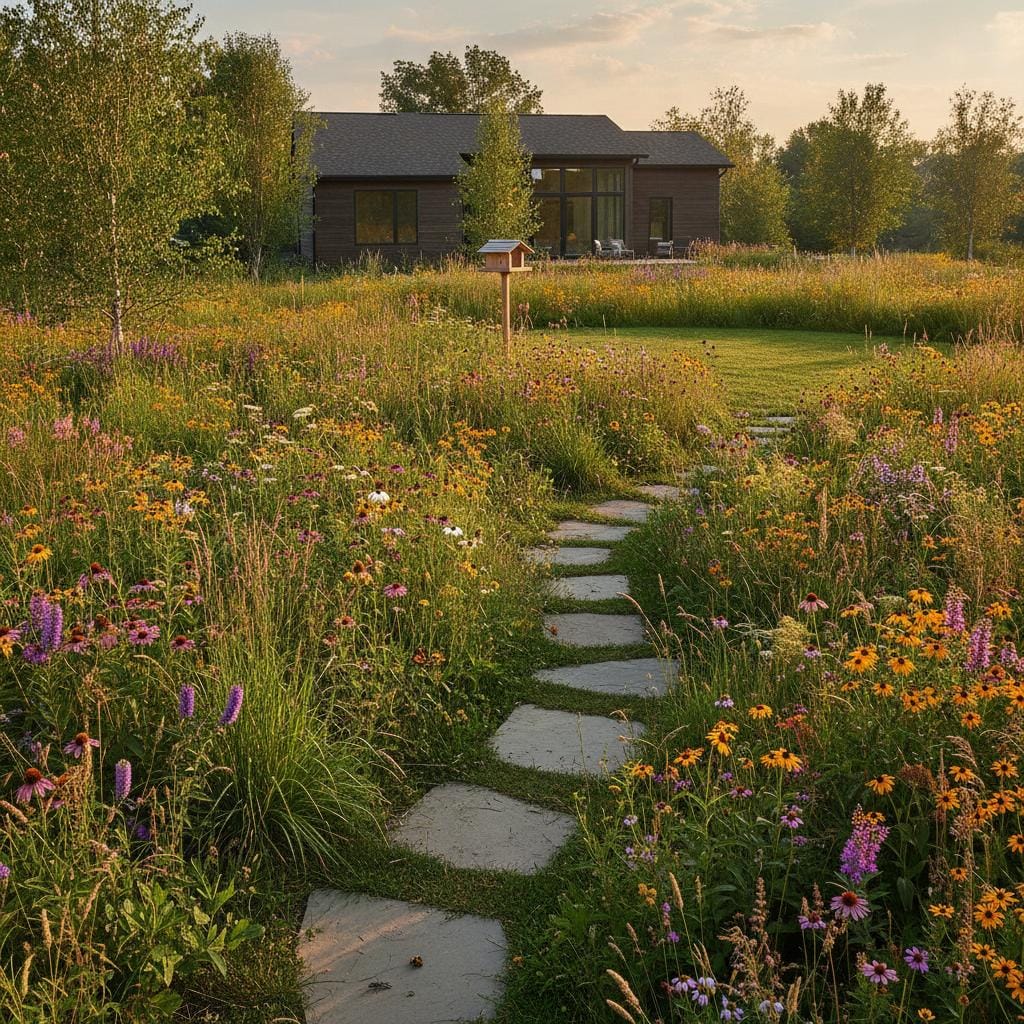
Yards vary in size, soil, and exposure, so initiate with manageable adjustments. Avoid overhauling the entire lawn at once; select a specific area, such as a border or unused corner, to convert into a pollinator meadow. Indigenous perennials and grasses can supplant turf sections affordably and with minimal disruption.
Follow these initial steps:
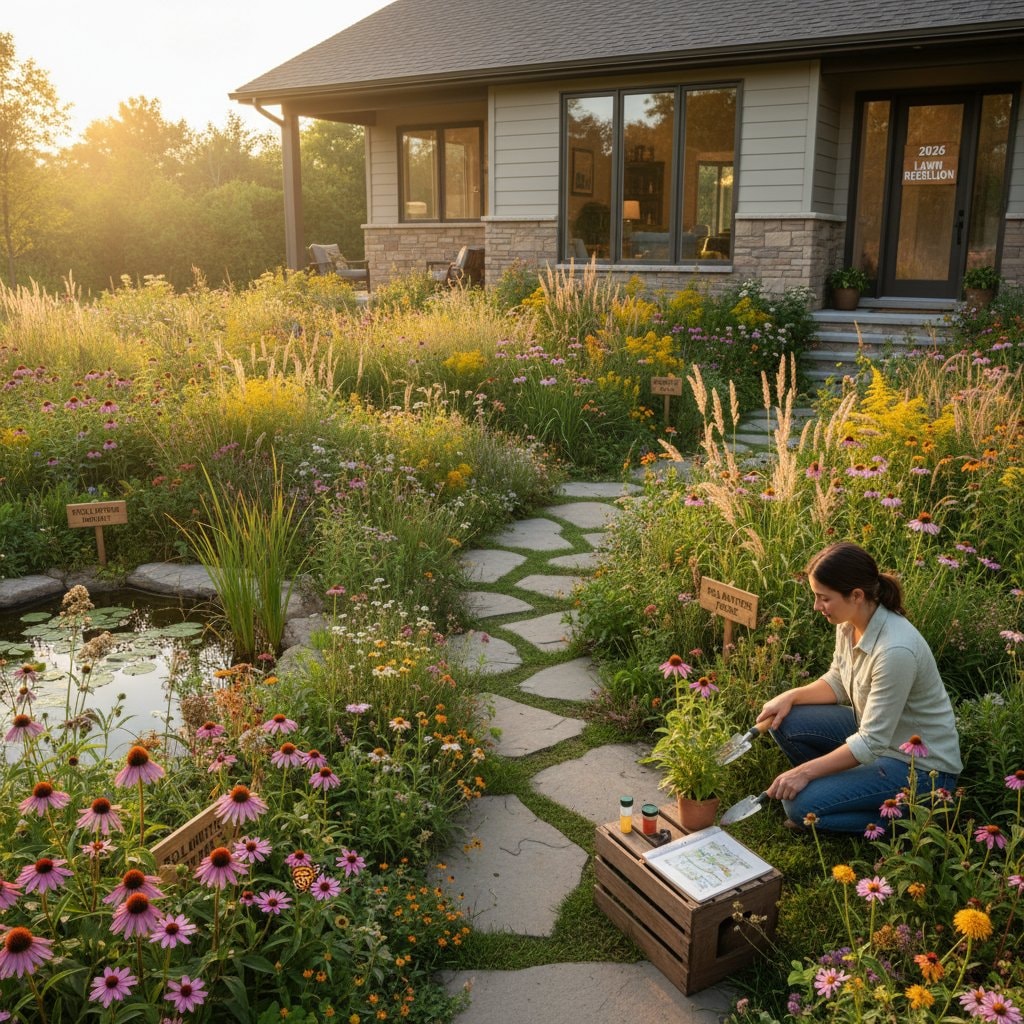
- Test soil composition and pH levels using affordable kits available at local garden centers to identify nutrient needs.
- Map sun and shade patterns throughout the day, noting full-sun areas for drought-tolerant species and shaded spots for moisture-loving plants.
- Select regional natives, such as black-eyed Susans or switchgrass, which require less irrigation and draw beneficial insects.
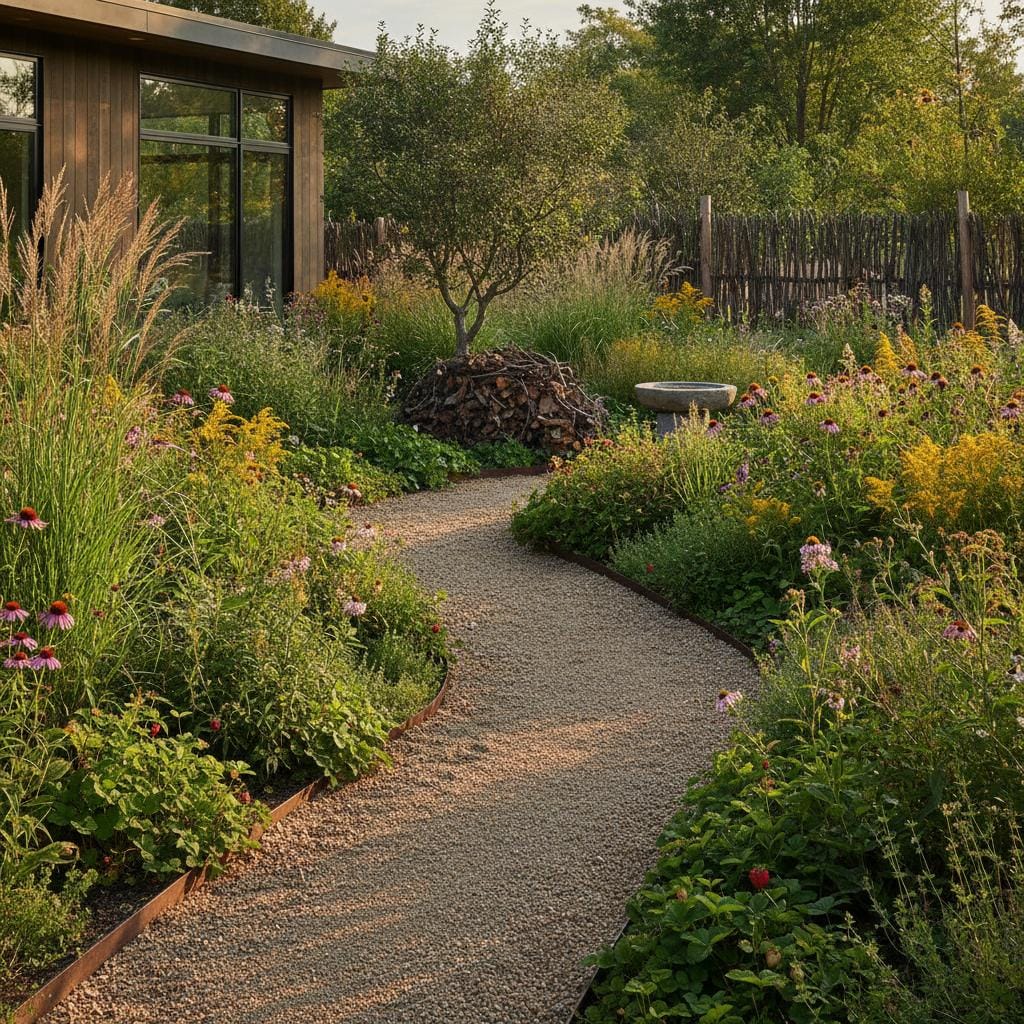
Strategic planning ensures an organized design. Integrate meandering paths, benches, or edged beds to provide form while preserving the untamed appeal.
Implementing Changes and Engaging with the Soil
With a blueprint in place, proceed to preparation and planting. Clear a modest turf section by hand-digging roots, layering cardboard topped with mulch to suppress growth, or renting a sod cutter for efficiency. Incorporate organic compost or aged leaf matter to boost soil fertility and structure.
Position plants in natural groupings to mimic ecosystems. Combine varying heights, like towering Indian grass with low-growing asters, for visual depth and ecological support. Diverse textures, from feathery ferns to broad-leafed hostas, enhance resilience against pests.
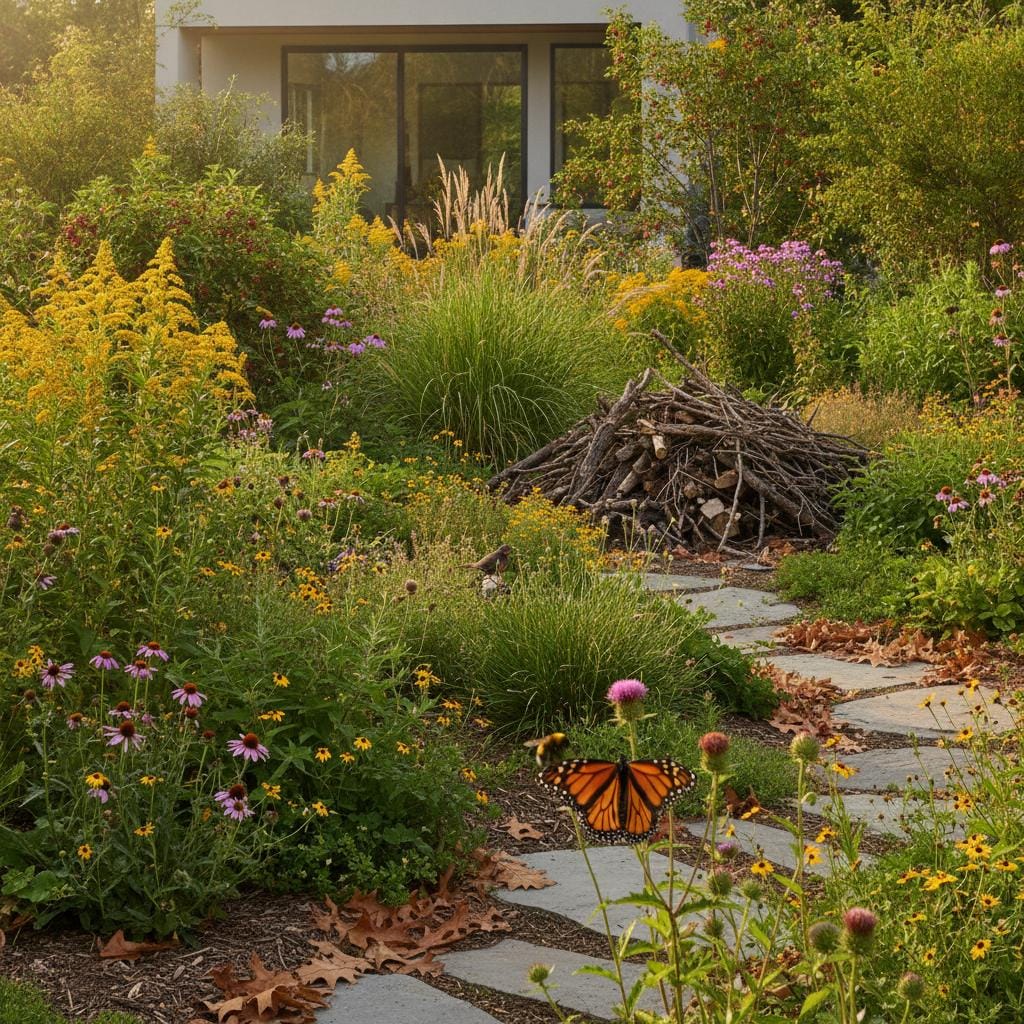
Each addition contributes to interdependence. For instance, common milkweed serves as a host for monarch butterfly larvae, while purple coneflowers provide nectar for honeybees and seeds for finches. Little bluestem offers winter cover for ground-dwelling insects. These choices establish interconnected habitats.
Provide consistent moisture to establish roots in the initial season, then rely on natural precipitation. Native selections demand significantly less upkeep than traditional grass, eliminating frequent mowing and reducing water usage by up to 50 percent.
Allowing Nature to Establish Its Patterns
Transformation unfolds gradually, requiring observation over months. Initial weed emergence signals soil recovery; distinguish invasives like dandelions, which can be hand-pulled, from beneficial pioneers that improve tilth.
Early indicators of success include buzzing bees on blooms, followed by fluttering butterflies and foraging birds. Enhanced soil retention of water leads to lush growth, and increased biodiversity infuses the space with subtle energy. This progression underscores rewilding's value in cultivating resilience.
Maintaining Balance in Your Rewilded Landscape
Sustainability demands ongoing stewardship, not rigid control. Annually prune overgrown perennials in late winter to promote fresh growth, and retain spent stems for avian forage during lean seasons. Mulch with fallen leaves to shield soil organisms and retain humidity.
Monitor for imbalances, such as aggressive spreaders like goldenrod, and selectively remove to favor diversity. Track seasonal shifts: spring ephemerals like trillium emerge first, summer brings bee balm in full color, and autumn features berry-laden serviceberry for wildlife.
Attentive watching fosters adaptive care, aligning human efforts with ecological cycles. This philosophy elevates gardening to collaborative coexistence.
Observing the Flourishing Ecosystem
As equilibrium takes hold, your yard becomes a haven where biodiversity flourishes unchecked. Time once devoted to lawn care shifts to appreciating insect symphonies, wind-swept meadows, and returning species.
Rewilding instills lessons in observation, humility, and interconnection. Even modest plots contribute meaningfully: a single nectar source sustains a pollinator, a grassy tuft harbors amphibians, and thoughtful decisions amplify local ecology.