The Shift to Meadow Gardens: A Sustainable Alternative for 2026
In communities across the United States, expansive lawns are yielding to diverse meadow gardens composed of native grasses, wildflowers, and pollinator-friendly species. This transition represents more than an aesthetic preference; it provides a strategic approach to reducing household expenses, minimizing environmental impact, and fostering wildlife habitats directly in residential spaces.
Homeowners increasingly recognize the burdens of conventional grass maintenance. These meadows deliver comparable visual appeal through natural resilience and efficiency.
The Drawbacks of Traditional Lawns and Meadow Advantages
Standard turf grass demands intensive care, including weekly mowing, supplemental irrigation, and chemical applications. In arid regions, a typical 1,000-square-foot lawn may consume up to 10,000 gallons of water annually, while fertilizers and pesticides contribute to ongoing expenses exceeding $500 per year in many areas. Gasoline mowers further exacerbate issues by emitting pollutants equivalent to driving a car several miles per session.
Meadow gardens, by contrast, rely on indigenous plants evolved for local conditions, requiring no routine irrigation after establishment. Their extensive root systems stabilize soil, prevent erosion, and promote groundwater recharge by absorbing and filtering precipitation effectively. This setup not only lowers utility bills but also enhances property resilience against drought and flooding.
Designing an Intentional Meadow Landscape
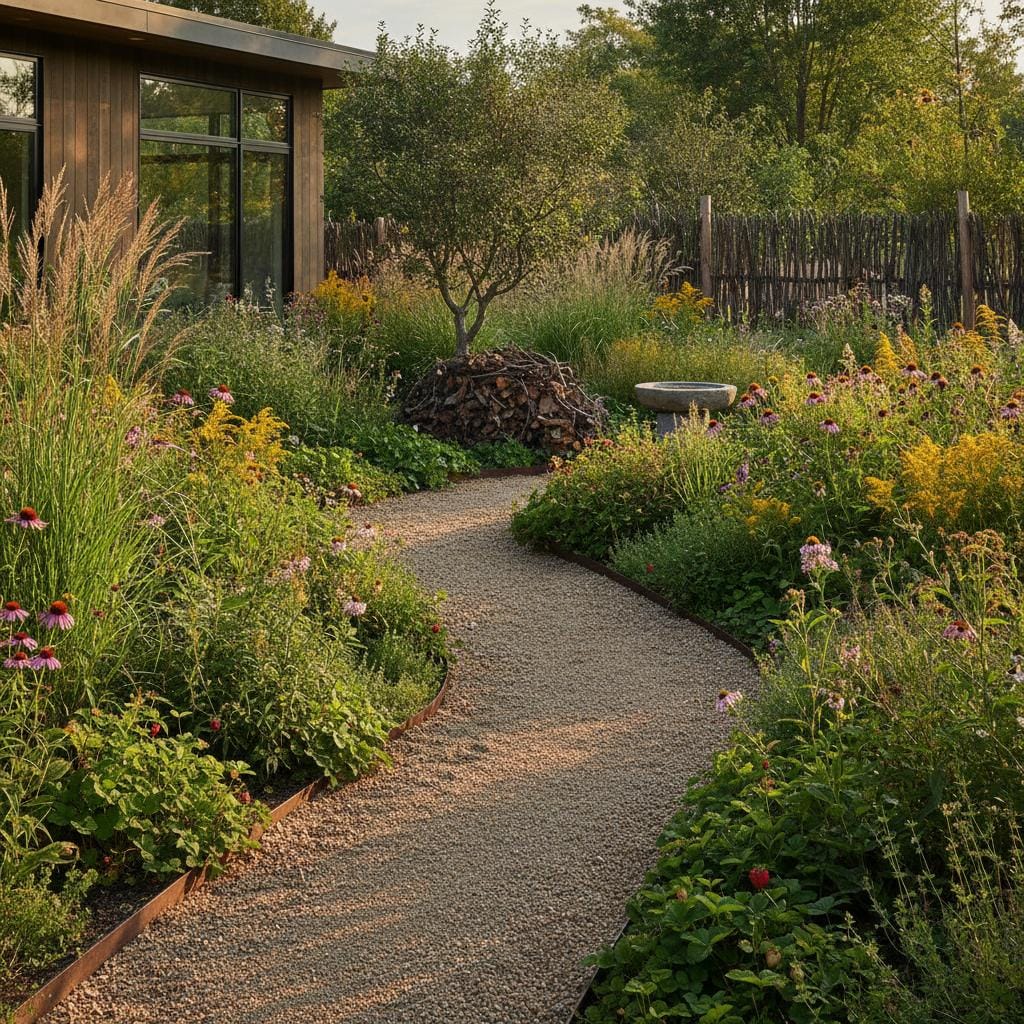
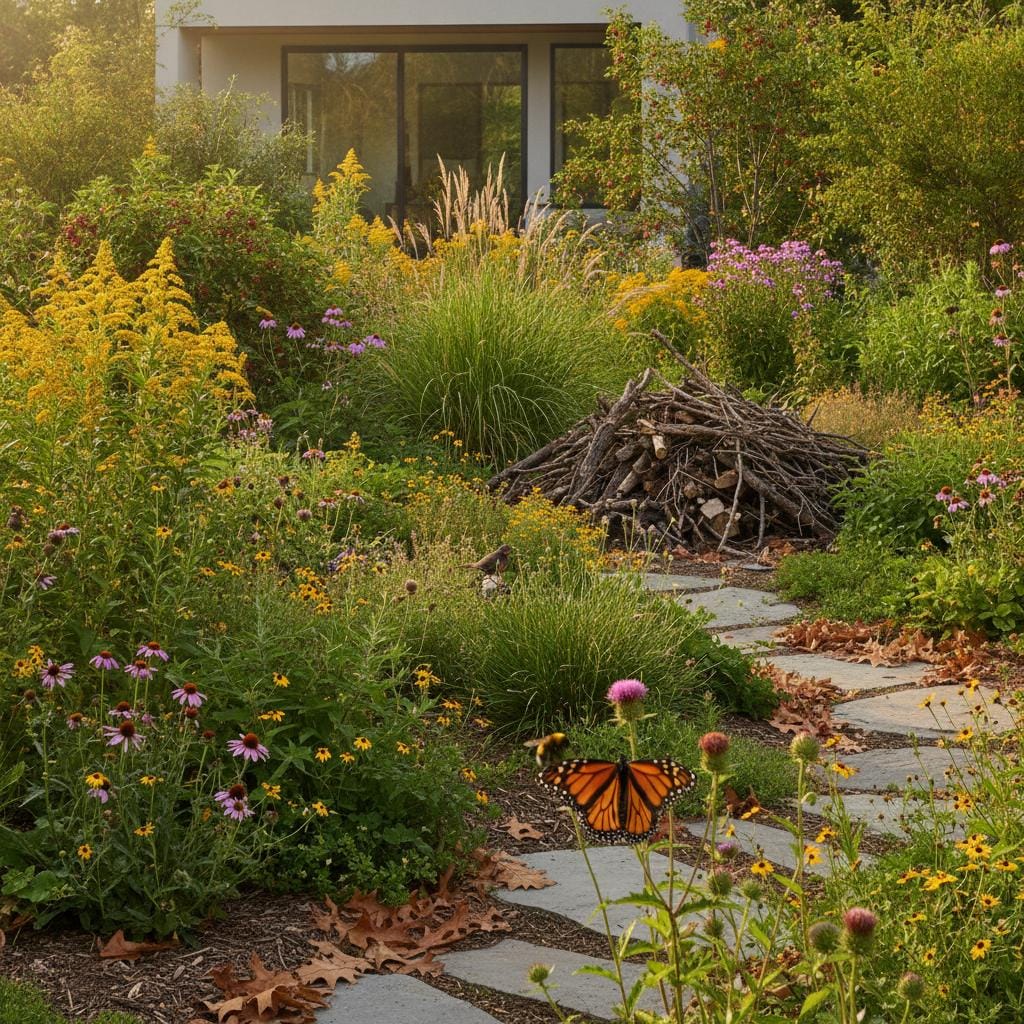
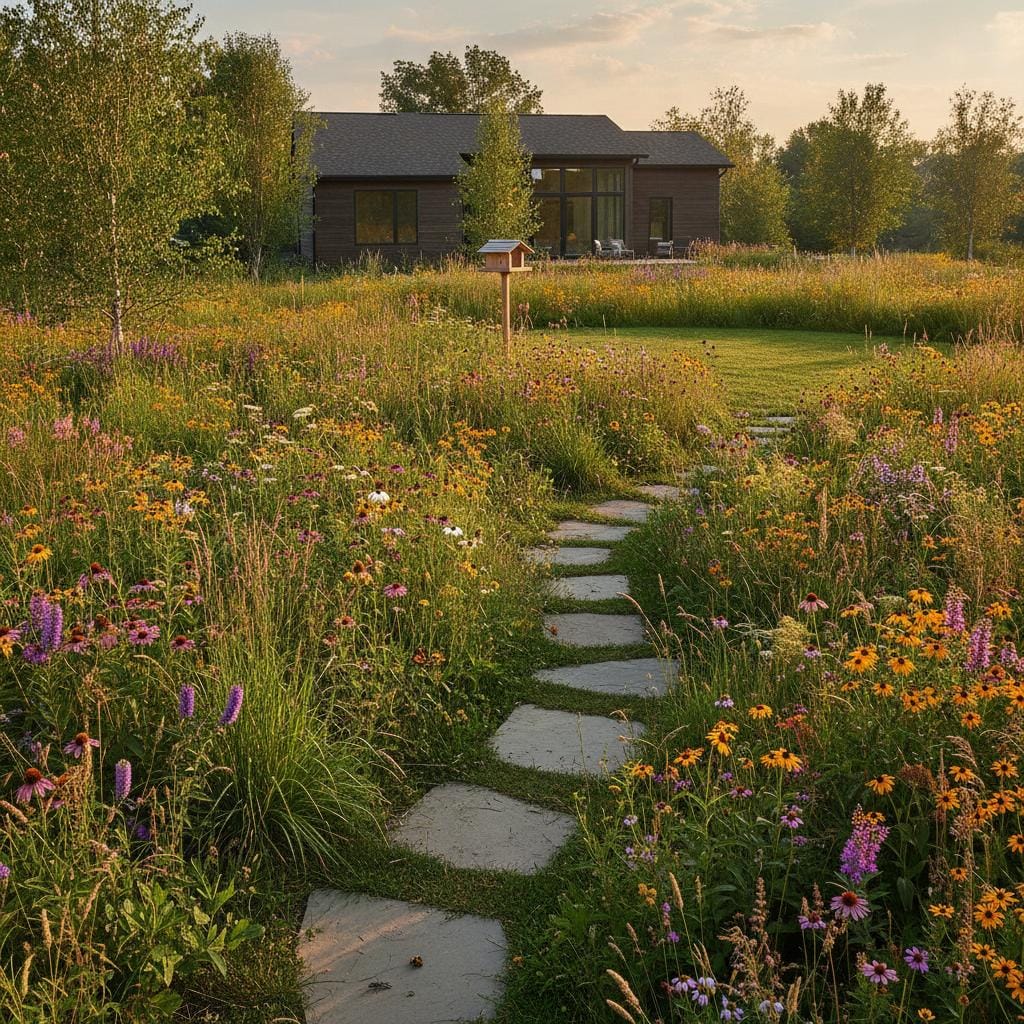
A well-executed meadow garden avoids the appearance of neglect, instead presenting a curated blend of heights, colors, and textures that evolve seasonally. Incorporate defined pathways using gravel, stepping stones, or mulch to facilitate access and maintain order. Border the edges with durable materials like fieldstone or compact evergreen shrubs to integrate the meadow seamlessly with structured yard elements.
Recommended native plants for most temperate zones include:
- Black-eyed Susan (Rudbeckia hirta): Vibrant yellow blooms that draw butterflies from midsummer to fall.
- Purple coneflower (Echinacea purpurea): Sturdy perennials with pinkish-purple flowers supporting bee populations.
- Little bluestem (Schizachyrium scoparium): Ornamental grass offering warm fall hues and erosion control.
- Bee balm (Monarda fistulosa): Fragrant red or lavender spikes that attract hummingbirds.
- Coreopsis (Coreopsis verticillata): Sunny daisy-like flowers blooming profusely in full sun.
- Common milkweed (Asclepias syriaca): Essential host plant for monarch butterflies, with pink clusters in summer.
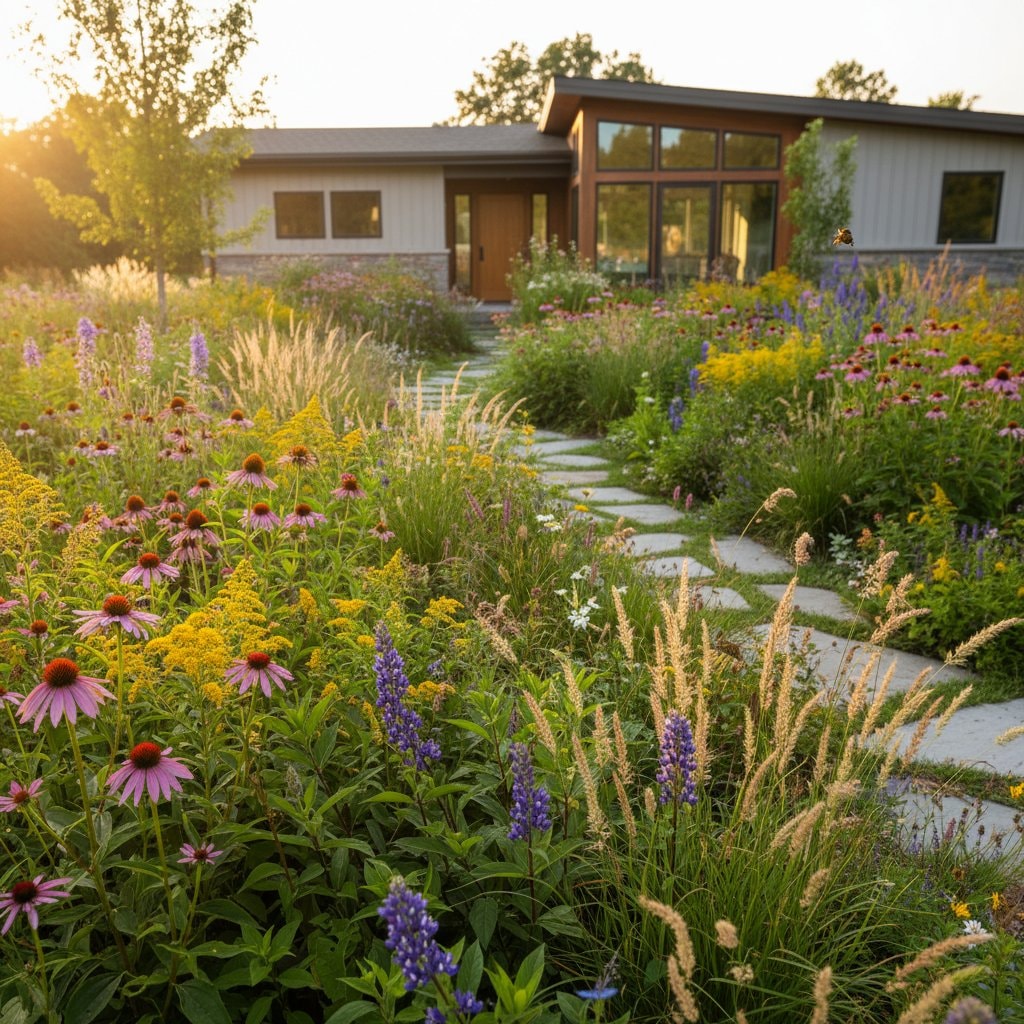
These selections create dynamic vistas, from spring greens to autumn seed heads, while bolstering local biodiversity through nectar and habitat provision.
Financial and Labor Savings: A Side-by-Side Analysis
Initial investment for a meadow garden mirrors that of lawn reseeding, typically ranging from $0.50 to $2 per square foot for seeds and preparation. Professional installation may add $1,000 to $3,000 for a mid-sized yard, yet payback occurs within two to three years via reduced inputs. Water savings alone can halve seasonal bills, while eliminating fertilizer and mowing fuel cuts annual costs by 50 percent or more.
Routine upkeep diverges significantly from lawn care. During the establishment phase, dedicate one to two hours weekly to weeding and monitoring. Subsequently, perform a single late-winter mow to 4-6 inches height, removing debris to encourage vigorous regrowth. This regimen demands far less time than the 20-30 hours per season required for turf maintenance.
Step-by-Step Guide to Establishing a Meadow Garden
Small-scale projects suit beginners, transforming overlooked areas like side yards or parking strips into ecological assets. Proceed methodically to ensure success.
- Site Selection: Identify spots receiving full sun (six or more hours daily) with well-drained soil; test pH levels aiming for 6.0-7.0 using a home kit.
- Grass Elimination: Opt for solarization by covering turf with black plastic for six weeks in summer, or apply a non-toxic smothering layer of overlapping cardboard topped with 4 inches of mulch.
- Soil Amendment: Loosen top 6 inches without enriching; incorporate compost only if drainage is poor, targeting a light, friable texture.
- Plant Sourcing: Consult regional native plant nurseries or seed catalogs for zone-appropriate varieties; aim for a mix of 60 percent grasses and 40 percent forbs.
- Installation: Broadcast seeds at recommended rates in fall for natural stratification, or plant plugs in spring; irrigate deeply but infrequently (once weekly) for the first month.
- Ongoing Monitoring: Track progress with photos; divide and replant vigorous species after year two to maintain density.
Patience yields results, as full coverage emerges within 18-24 months, rewarding with effortless vibrancy.
Overcoming Common Hurdles in Meadow Conversion
Establishment demands vigilance against invasive weeds, which may require hand-pulling or targeted organic mulching in the initial growing season. Uneven development is normal; allow plants to compete naturally for balanced coverage. In neighborhoods governed by homeowners associations, review covenants early and propose your design as a pollinator corridor to gain approval.
Educate neighbors through subtle enhancements like labeled plant markers or interpretive signs explaining the habitat benefits. These measures preserve community harmony while advancing your sustainable goals.
Long-Term Rewards of a Thriving Meadow
As your meadow matures, maintenance eases into seasonal observations, revealing cycles of bloom, bird activity, and soil improvement. Expect 40-60 percent reductions in water and energy use, alongside increased sightings of beneficial insects and wildlife. This approach redefines yard stewardship, aligning human spaces with ecological processes for enduring beauty and functionality.
Embrace the meadow model to cultivate a resilient, vibrant outdoor environment that sustains both your lifestyle and the surrounding ecosystem.