Why Meadows Are Replacing Lawns in 2026
Homeowners often recall the satisfaction of a pristine lawn, with its even expanse and fresh-cut aroma. Yet, that ideal demands significant effort and resources. In 2026, many choose meadows as a compelling alternative, providing vitality and ease while restoring balance to suburban landscapes.
Meadows evoke wildfields and rural edges, but they adapt well to modern yards. This shift prioritizes harmony with nature over rigid uniformity. Homeowners gain spaces that support wildlife and require far less weekly attention.
Understanding the Appeal of Living Landscapes
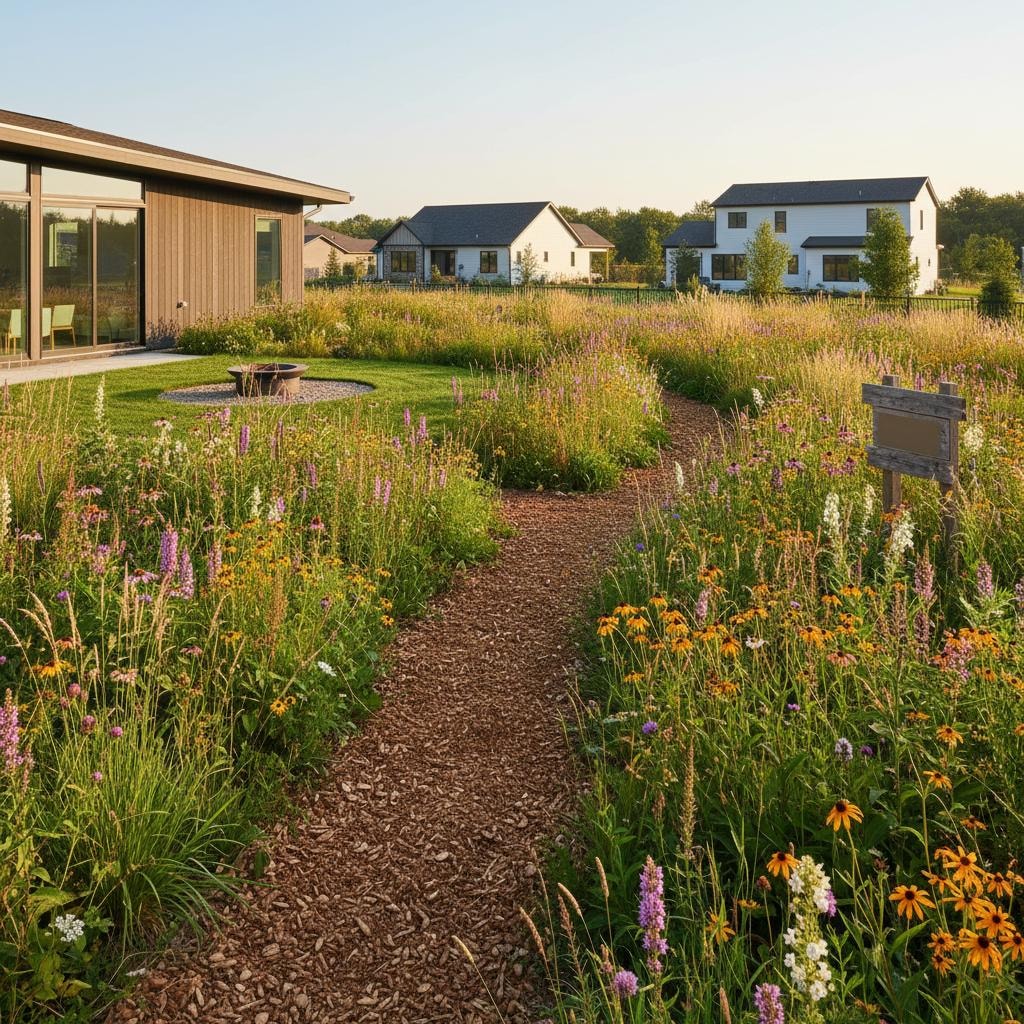
Meadows represent more than untamed grass; they form intentional ecosystems of native perennials, grasses, and wildflowers. These elements cycle through seasons, offering blooms from spring to fall. Unlike lawns that demand frequent care, meadows establish deep root systems that stabilize soil and resist erosion.
This design fosters biodiversity by attracting essential pollinators such as bees and butterflies. Songbirds nest and feed amid the varied heights and seeds. The result transforms a yard from a blank canvas into a supportive habitat that enhances local ecology.
Benefits of Reduced Maintenance
Traditional lawns necessitate weekly mowing, precise edging, and consistent irrigation to remain vibrant. Fertilizers and herbicides further add to the workload and environmental impact. Meadows, by contrast, mature into self-regulating areas that need only annual or biannual trimming.
Perform cuts in late winter or early spring to remove debris and prevent woody invasion. During the growing season, allow natural growth to build resilience. This approach saves hours of labor and lowers water bills, as native plants tolerate drought better than imported turf varieties.
Homeowners appreciate the serene motion of wind through swaying stems. Such features create peaceful retreats without the need for constant shaping. The overall effect delivers aesthetic value with practical simplicity.
Embracing Diversity for Visual and Practical Resilience
Lawns present a single shade of green, but meadows layer colors, heights, and textures for dynamic appeal. Early bloomers like lupines introduce blues and pinks in spring, followed by summer displays of coreopsis in sunny yellows. Autumn brings purples from asters and the warm golds of goldenrod.
This succession ensures continuous interest, with no bare spots after flowering. Diverse roots access water at varying depths, making meadows more tolerant of extreme weather. They retain moisture during rains and endure dry spells without supplemental watering.
Resilience extends to pest resistance; a balanced plant community naturally deters invasions. Homeowners observe fewer issues with grubs or weeds, as the ecosystem self-corrects over time.
Steps to Establish a Meadow
Begin with a modest area to build confidence, such as a 10-by-10-foot plot in full sun. Test soil pH and amend if necessary, aiming for neutral levels that suit native species. Clear existing turf by smothering it with cardboard and mulch for six weeks, or use a sod cutter for quicker results.
Select seeds or plugs matched to your region; for example, Midwest mixes often include little bluestem and wild bergamot. Sow in fall for natural stratification, or spring after the last frost. Water lightly until germination, then rely on rainfall as roots develop.
The initial year features sparse growth as plants compete and establish. Thin overcrowded seedlings in year two to promote even coverage. By year three, the meadow fills in, displaying its full potential with minimal oversight.
Monitor for invasives like thistle, removing them by hand before seeding. Adjust based on observations: add shade-tolerant options if trees cast dappled light. This iterative process ensures the space integrates seamlessly with your property.
Integrating Meadows with Structured Elements
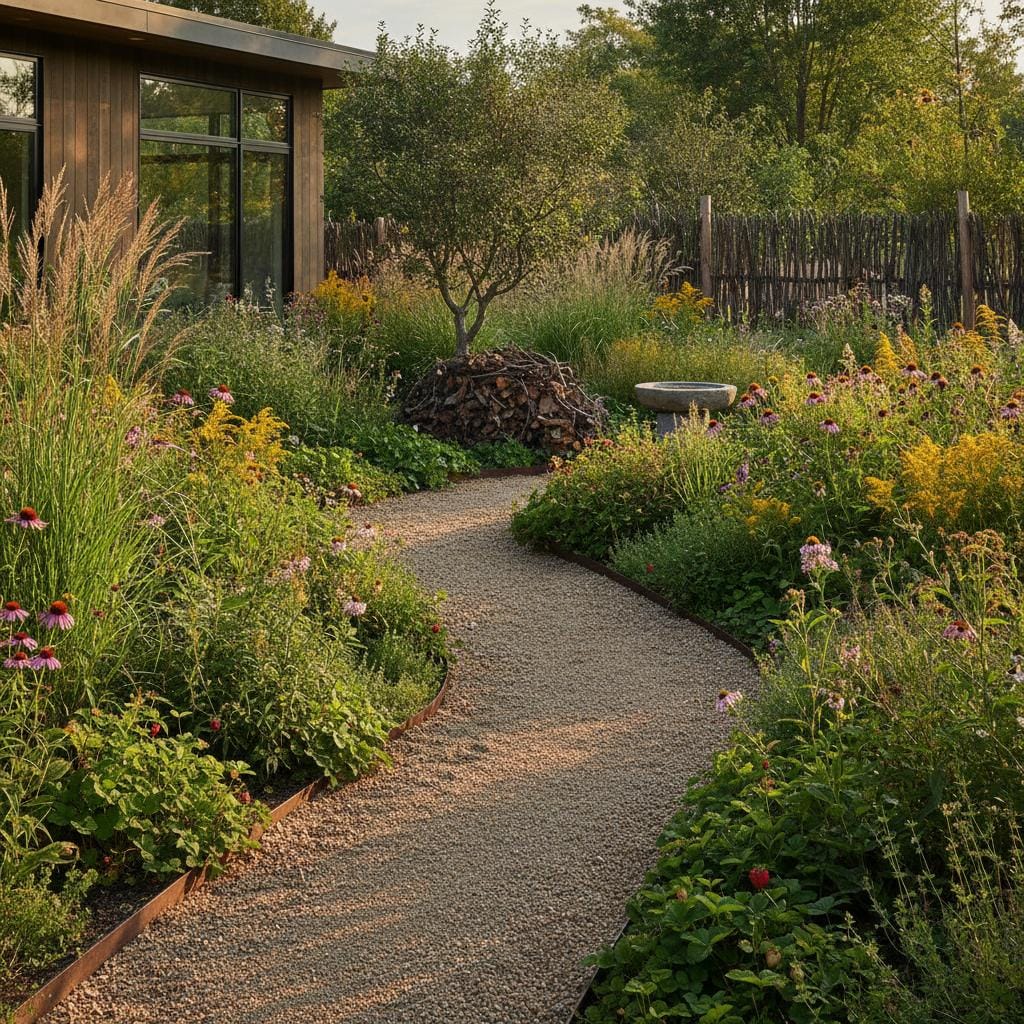
Meadows thrive alongside formal features, creating harmonious contrasts. Outline the area with mowed gravel paths or low hedges to define boundaries. These elements guide movement and prevent the space from appearing unkempt.
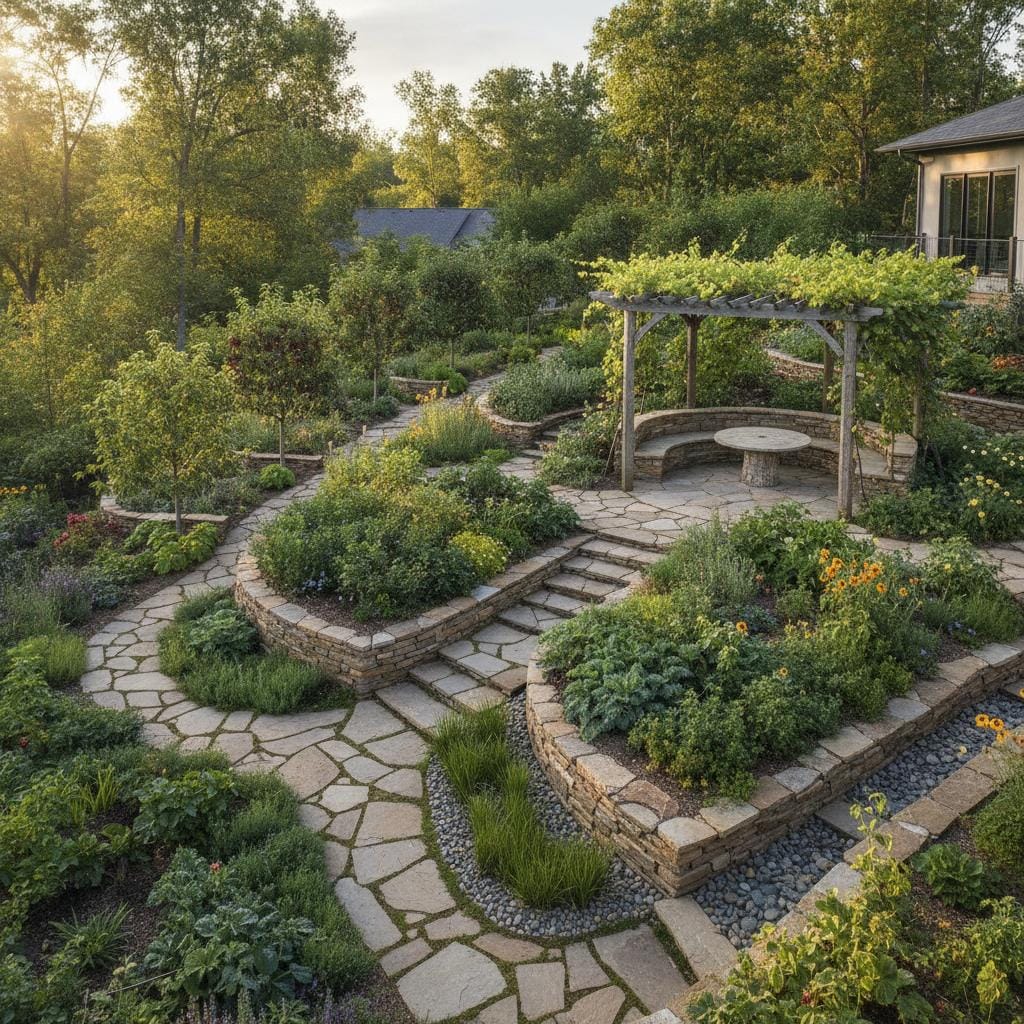
Incorporate functional accents like a wooden bench amid the grasses or a solar-powered fountain to draw visitors. Stone borders or raised edges provide clean lines that frame the organic flow. Such designs signal intentionality, blending wildness with accessibility.
Pair a meadow with a paved terrace for entertaining; the adjacent softness tempers hard surfaces. This combination invites relaxation, where guests can lounge while observing nature's subtle shifts.
Nurturing and Enjoying Your Meadow Over Time
Established meadows demand observation more than intervention. Track bloom cycles to time any needed divisions, such as splitting perennials every few years to maintain vigor. Remove spent stems in late fall to refresh the area for winter dormancy.
Engage family in the space: set up butterfly gardens nearby or install bird feeders to amplify activity. These interactions foster appreciation for seasonal changes, from spring greens to summer vibrancy and autumn seed heads.
Over seasons, the meadow evolves into a personal sanctuary. It reduces stress through its calming presence and connects residents to the environment. This enduring feature redefines outdoor living, prioritizing joy and sustainability over toil.
Realizing Long-Term Rewards
Adopting a meadow marks a commitment to thoughtful stewardship. Homeowners report greater satisfaction from spaces that contribute positively to their communities and the planet. The investment yields lasting beauty, time savings, and ecological harmony.