Edible Hedges: Privacy That Bears Delicious Fruit
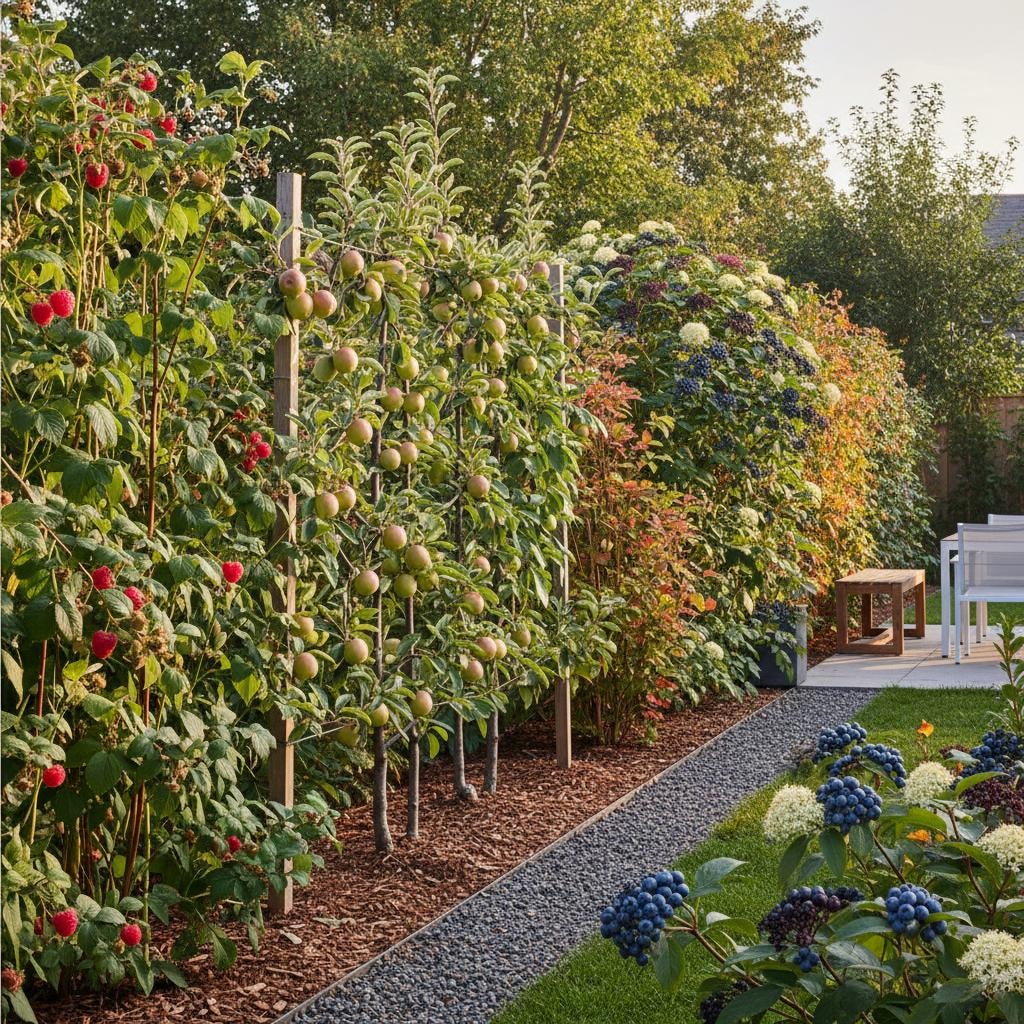
Consider the boundaries of your yard. A plain fence might block views, yet it lacks vitality and utility. Edible hedges address this by combining seclusion with productivity, forming a natural screen that yields fruit and supports local ecosystems.
These hedges consist of fruit-bearing shrubs arranged in a linear planting. They offer dense foliage for privacy, draw in pollinators with their blooms, and produce edible yields from spring through fall. Proper selection and maintenance turn this feature into a multifaceted asset for any landscape.
Assessing Your Space Before You Plant
Evaluate your planting site thoroughly to match plants with local conditions. Measure daily sunlight exposure, typically ranging from full sun over six hours to partial shade under four hours. Test soil by digging a hole and observing drainage; ideal soil holds moisture without waterlogging.
Address these factors:
- Sunlight duration: Full sun suits berries like raspberries, while shade-tolerant options include serviceberry.
- Soil type and pH: Acid-loving plants such as blueberries require pH below 5.5; amend alkaline soils with sulfur.
- Desired height: Select compact varieties like dwarf mulberry for under six feet or vigorous types like elderberry for taller screens.
- Climate zone: Choose hardy species, such as zones 4-8 for most currants, to ensure winter survival.
Conduct a soil test kit analysis for nutrients. If drainage proves poor, incorporate raised beds or gravel for better percolation. This preparation minimizes transplant shock and promotes vigorous establishment.
Designing for Beauty and Function
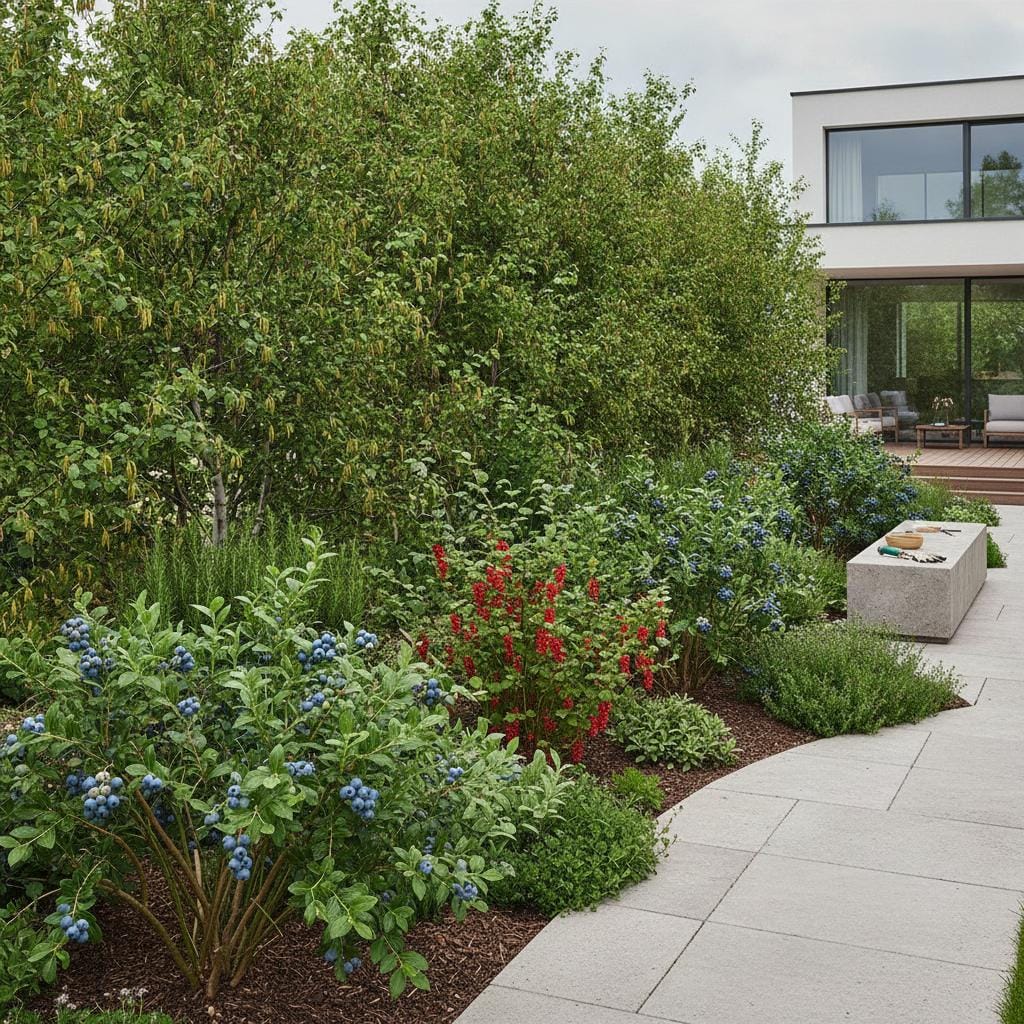
Plan the hedge layout to integrate seamlessly with your yard's aesthetics and purpose. Visualize views from inside and outside the property, ensuring balanced density without overwhelming adjacent areas. Use a mix of species for varied textures and colors, such as pairing glossy-leaved huckleberry with feathery-foliaged gooseberry.
Apply these strategies:
- Layer heights: Position back-row plants like hazelnut at eight feet tall, fronted by knee-high lingonberry for depth.
- Extend seasonal appeal: Include spring-flowering forsythia alternatives like flowering quince, followed by summer-fruiting blackberry and autumn-persisting viburnum.
- Facilitate access: Designate harvest zones with 18-inch gaps between clusters, allowing easy reach without full disruption.
Account for mature spread, often three to five feet wide per shrub. Sketch a scale diagram on graph paper to predict growth patterns. This approach optimizes space, reduces long-term maintenance, and enhances overall landscape harmony.
Preparing the Ground and Planting
Cultivate the soil to create an optimal root environment. Clear the area of perennial weeds using a hoe or glyphosate-free herbicide, then till to a depth of 12 inches. Incorporate two to three inches of aged compost per square yard to boost organic matter and microbial activity.
Select planting times in early spring or fall for root development before extremes. Dig holes twice as wide as the root ball but no deeper, positioning the crown at soil level. Space plants according to variety: raspberries at two feet, elderberries at four feet, to allow interlocking branches within two to three years.
Water each new planting with five to ten gallons immediately after setting, then apply two to three inches of organic mulch like bark nuggets. Maintain this layer annually, keeping it two inches from stems to prevent rot. Initial care focuses on consistent moisture to establish deep roots.
Caring for Your Living Boundary
Sustain hedge health through routine practices tailored to fruit production. Provide one inch of water weekly during the first year, using drip irrigation for efficiency in dry periods. Monitor for wilting leaves as an early drought signal.
Apply fertilizer judiciously: Spread a 10-10-10 granular formula at half the recommended rate in early spring, or use fish emulsion for organic nutrition. Prune annually post-harvest; for example, remove one-third of older canes on raspberries to stimulate fresh shoots, and thin interior branches on currants for airflow.
Protect crops from pests with integrated methods. Drape bird netting over ripening clusters in late summer, securing edges to ground stakes. Scout for aphids weekly and rinse with a strong water spray or introduce ladybugs as natural controls. These steps preserve yields while minimizing chemical use.
Sharing the Space with Wildlife
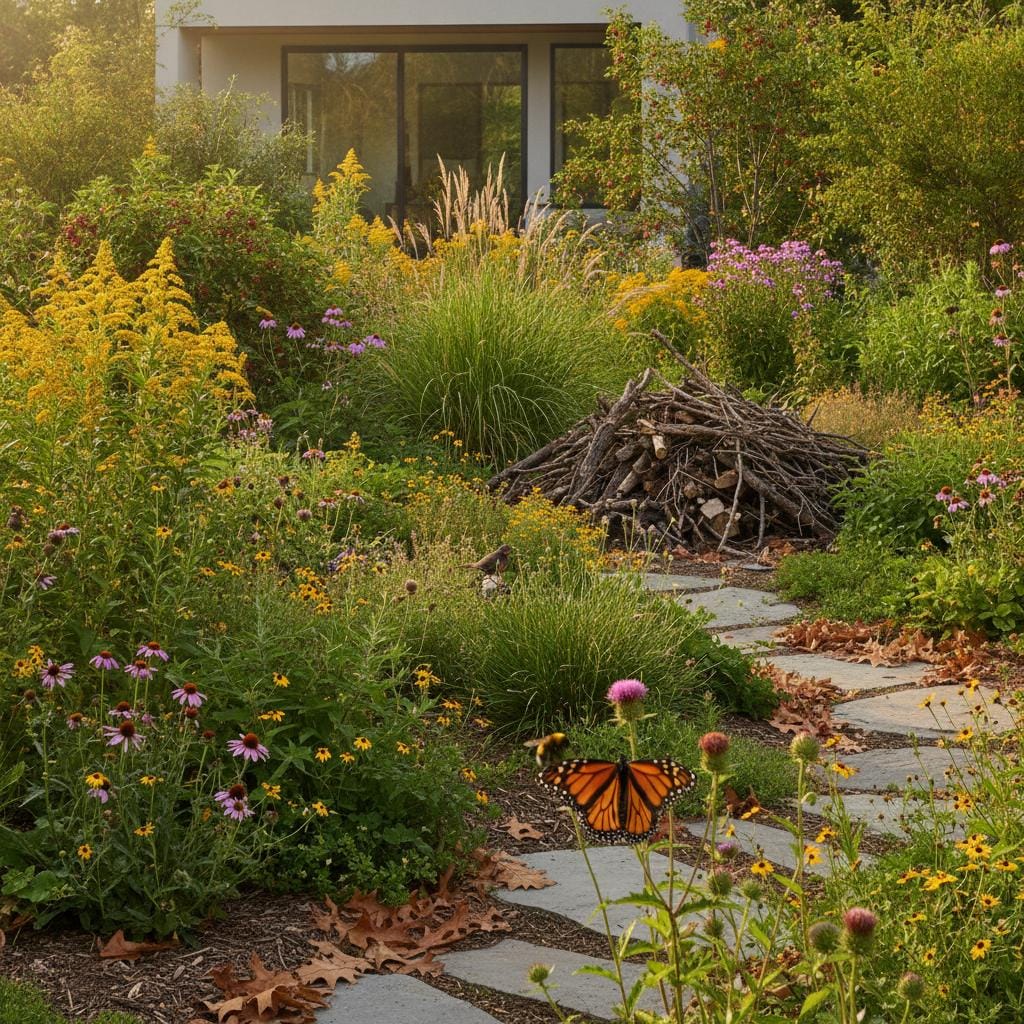
Edible hedges naturally foster biodiversity by offering food and habitat. Spring flowers attract bees essential for pollination, increasing fruit set by up to 30 percent in some species. Dense branches provide bird nesting sites, while ground-level fruits support ground foragers.
Incorporate supportive elements:
- Native selections: Plant serviceberry or highbush cranberry to align with local flora and fauna.
- Resource provision: Retain understory plants like wild ginger for insect cover.
- Balanced sharing: Allocate 10 to 20 percent of fruits for wildlife, placing overripe drops in compost to avoid waste.
Observe interactions to adjust; if deer browse heavily, install temporary fencing around young plants. This coexistence enhances ecological value and enriches your gardening experience.
Harvesting Rewards from Your Hedge
As your hedge matures, it delivers escalating benefits in privacy and produce. Third-year plants often yield one to two quarts per shrub, scaling with proper care. Regular light shaping after leaf drop maintains form without stressing the plants.
Monitor for issues like powdery mildew on gooseberries, treating with a baking soda spray if spotted. Rejuvenate by dividing overcrowded sections every five years, replanting vigorous offsets. These ongoing adjustments ensure sustained productivity and visual appeal.
Ultimately, an edible hedge transforms yard edges into dynamic features. It supplies fresh, homegrown fruits that enhance meals and connect you to natural rhythms. Through dedicated nurturing, this boundary evolves into a source of nourishment, beauty, and environmental harmony.