Fruitful Boundaries: Edible Hedges for 2026 Gardens
Hedges possess a quiet utility that defines spaces subtly, softens property edges, and evolves with the seasons to maintain a sense of vitality. In recent years, gardeners increasingly view hedges as opportunities for harvest alongside their structural role. An edible hedge merges traditional landscaping with food production, transforming ornamental elements into generous, productive features.
Benefits of Dual-Purpose Design
An edible hedge functions similarly to conventional hedges by offering privacy, wind protection, and enclosure. The distinction lies in its edible components, such as leaves, blossoms, or fruits, which provide practical yields. This approach attracts gardeners seeking landscapes that balance aesthetics with utility, replacing purely decorative options like boxwood or privet with fruit-bearing, nut-producing, or flavorful plants.
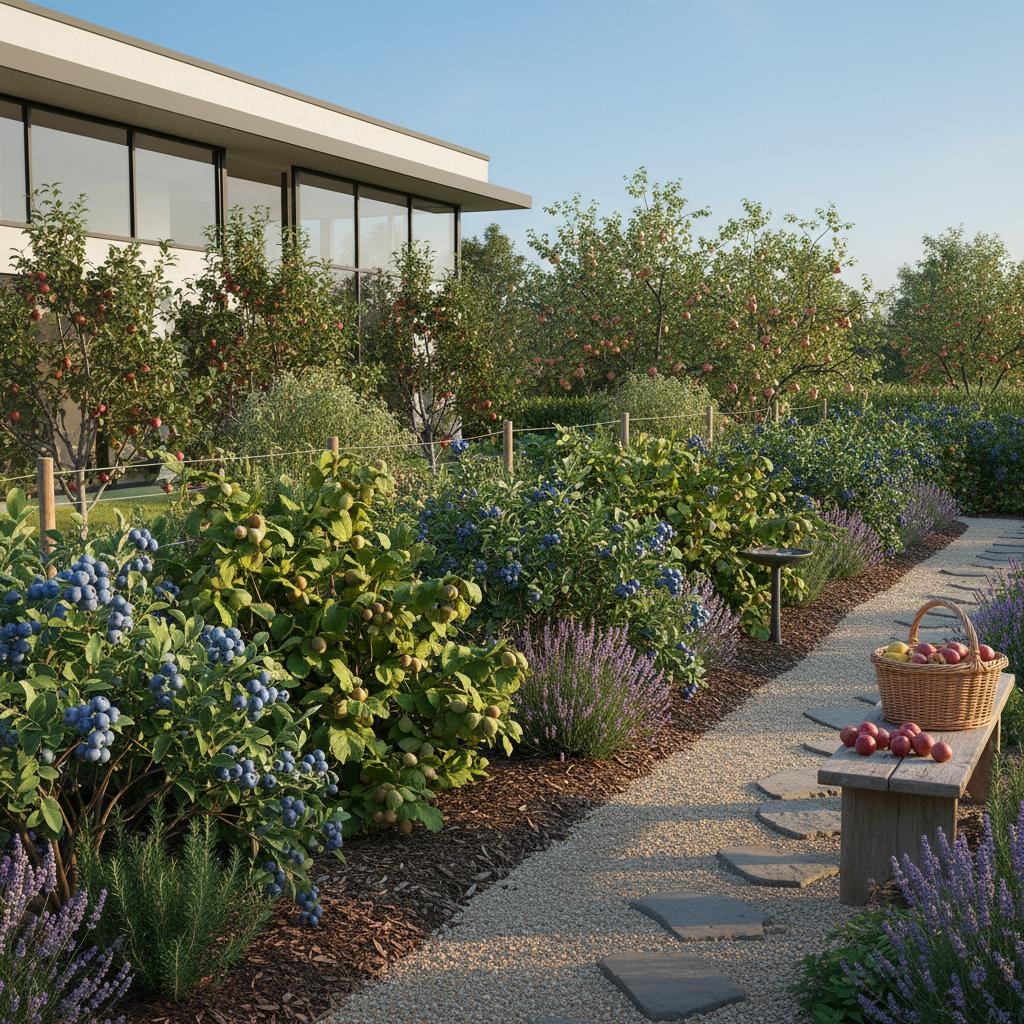
These hedges adapt to diverse garden styles. For cottage gardens, combine currants, gooseberries, and raspberries to achieve a natural, slightly wild appearance. In formal layouts, espaliered apples or pears form neat, productive borders. Select plants that align with the garden's character and the gardener's maintenance preferences to ensure harmony.
Selecting Appropriate Plants
Plant choice determines the hedge's success, as varying growth habits and textures require careful combination. Consider mature height, spread, and seasonal interest when assembling the mix. The following options provide reliable performance:
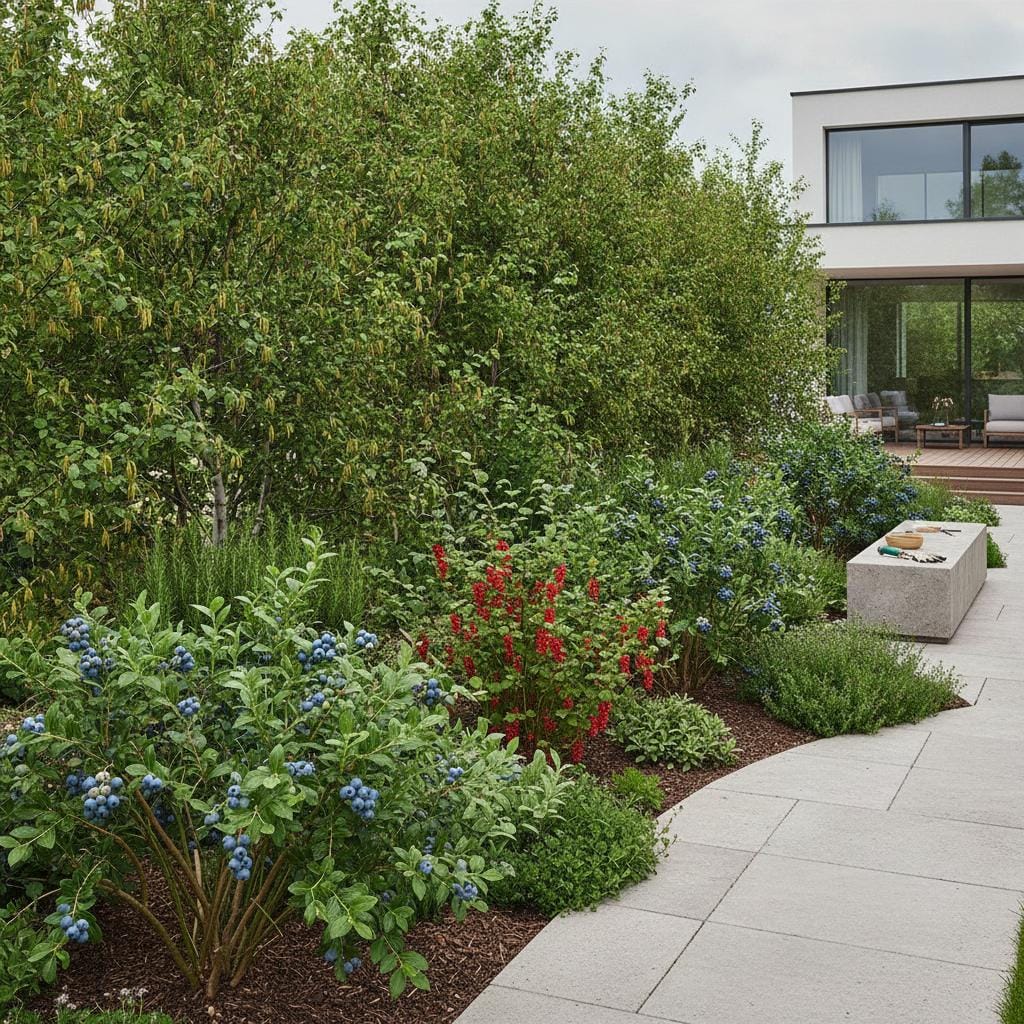
- Blueberries: Offer dense, glossy leaves that shift to red in fall, yielding sweet berries in summer. Plant in acidic soil with full sun for optimal production.
- Currants and Gooseberries: Thrive as compact shrubs in partial shade, bearing tart fruit clusters ideal for jams or desserts. Space them 3 to 4 feet apart to allow air circulation.
- Raspberries and Blackberries: Grow vigorously to establish screens rapidly, but require annual pruning to control spread and encourage fruiting. Choose summer-bearing varieties for consistent harvests.
- Hazelnuts: Serve as taller shrubs for structure, delivering nuts after 3 to 5 years. They tolerate various soils and provide catkins for early pollinator interest.
- Rugosa Roses: Feature fragrant flowers and hips rich in vitamin C, suitable for teas or preserves. Their thorny canes enhance privacy while tolerating coastal conditions.
Balance growth rates during selection to avoid dominance by vigorous species. Group plants with comparable vigor to promote even development and a uniform appearance.
Shaping for Form and Productivity
Train edible hedges formally with precise lines or permit looser growth for natural appeal, depending on the garden's context. Geometric clipping complements modern courtyards or paved areas, whereas mixed plantings suit rural boundaries. Assess how the hedge integrates with surrounding elements to guide the style.
Prune regularly to foster density, enhancing both privacy and yields. Perform major cuts immediately after harvest to allow bud formation for the following year. Apply mulch annually and incorporate compost to replenish nutrients, as fruiting plants deplete soil more than ornamentals.
Layering for Enhanced Output
Layer plants strategically to maximize productivity and visual interest. Position taller elements like hazelnuts or serviceberries as the framework, underplanting with berry shrubs to fill lower spaces. Incorporate base-level herbs such as sage or thyme for added aroma and edging softness.
This configuration builds depth while supporting pollinators across seasons. Integrate nearby perennials like lavender or comfrey to draw bees and insects, which improve pollination and fruit quality. Such biodiversity enriches the hedge's ecological role.
Integrating Aesthetics and Year-Round Appeal
A productive hedge demands consistent visual appeal beyond harvest periods. Blend evergreen and deciduous species to prevent winter bareness. For instance, intersperse evergreen huckleberries with deciduous currants to ensure coverage and seasonal variety.
Focus on foliage hues, bloom sequences, and fruit colors for intentional design. View the hedge as a dynamic element that matures over time, requiring occasional replacements based on local conditions. This perspective fosters adaptability and ongoing engagement.
Daily Integration and Maintenance
Established edible hedges integrate into garden routines, demanding attentive care that yields flavor and form. Observe bird activity and allow children to harvest berries, turning the hedge into an interactive feature. It evolves into a pantry, seasonal indicator, and testament to functional charm.
Begin modestly with a segment near a walkway or patio to test performance. Monitor seasonal behaviors before scaling up. Repeat key species in extended sections for unified maintenance and design cohesion.
Implementation Steps
Establish an edible hedge through deliberate planning and patience. Evaluate soil pH, drainage, and sunlight to match plant needs. Space according to mature sizes, ensuring consistency with the property's architecture.
Water deeply during the first two years to promote root development. Fertilize with balanced organic options in spring, and inspect for pests annually. These practices yield enduring benefits in fruit, scent, and boundary definition.
Mature hedges blend seamlessly into landscapes, providing graceful evolution with minimal intervention. Opt for espaliered fruits in structured settings or berry medleys for abundance, creating boundaries that nourish both body and garden vitality.