Messy Gardens Support More Wildlife Than Manicured Lawns
Messy Gardens Are Rewilding Yards for Biodiversity
Every season, I find myself drawn to the corners of my garden where nature seems to take over. A patch of tall grass, a tangle of wildflowers, or a fallen branch that shelters a beetle or two. These places, once dismissed as messy or neglected, now feel alive in a way that freshly clipped lawns never do.
This quiet shift in perspective is part of a growing movement among homeowners who are rethinking what a beautiful yard can be.
The Meaning of a Messy Garden
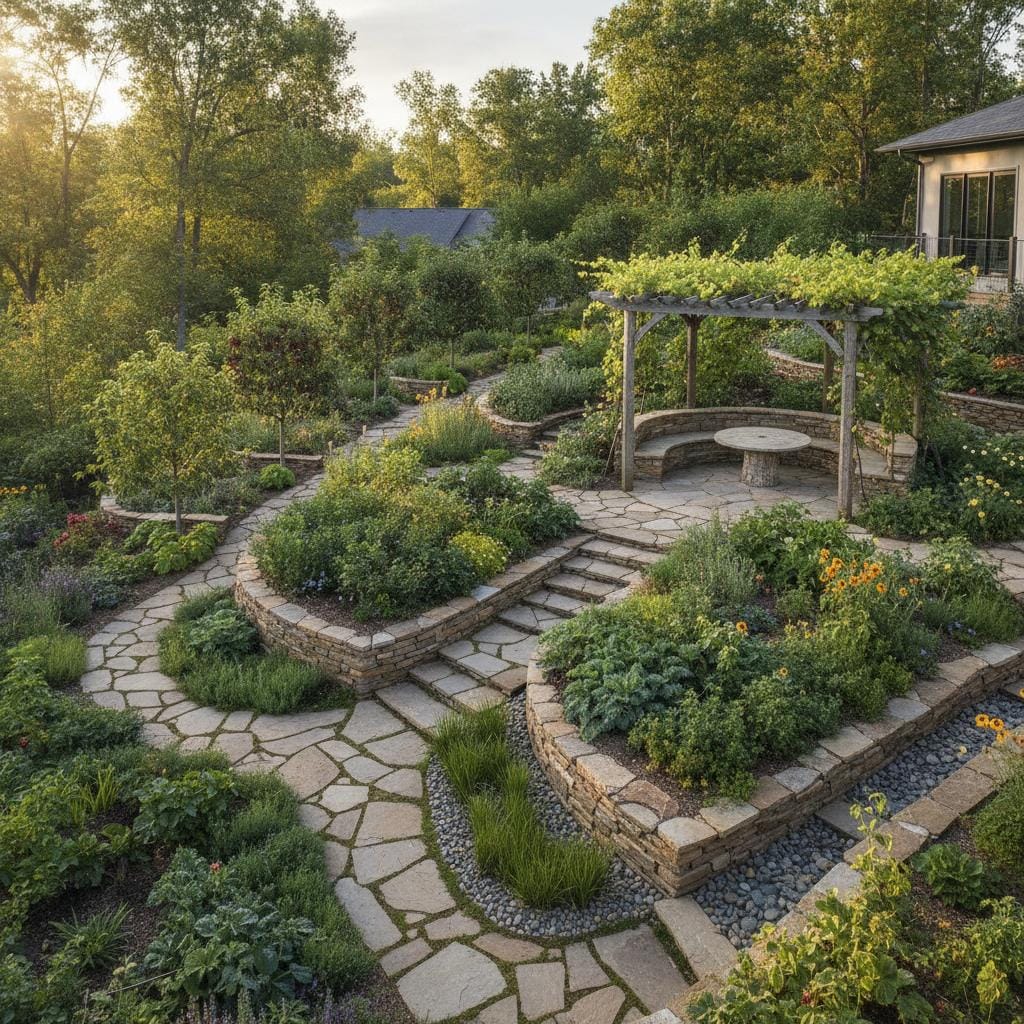
A messy garden is not about letting everything run wild without thought. It is about allowing room for nature to express itself within the framework of your home landscape. Instead of rigid symmetry and constant trimming, rewilded gardens invite a softer, more natural rhythm.
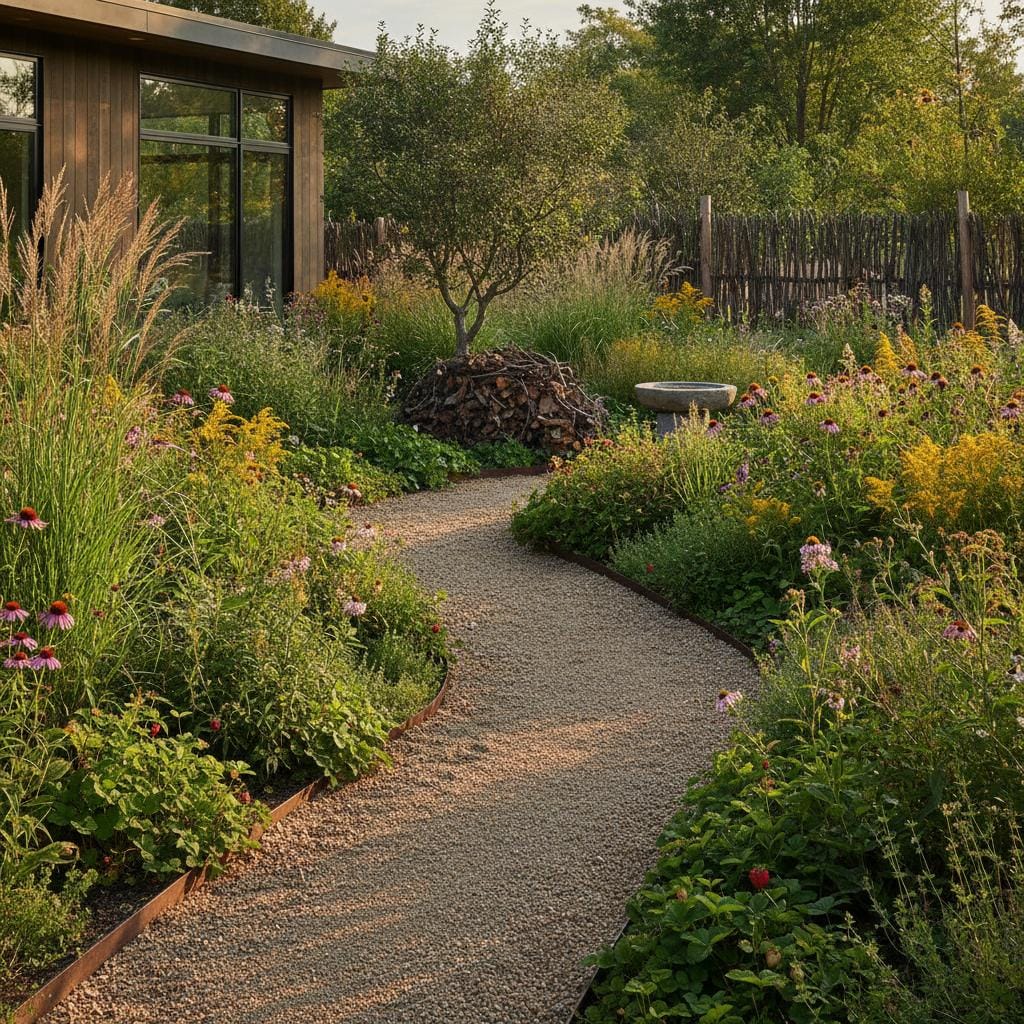
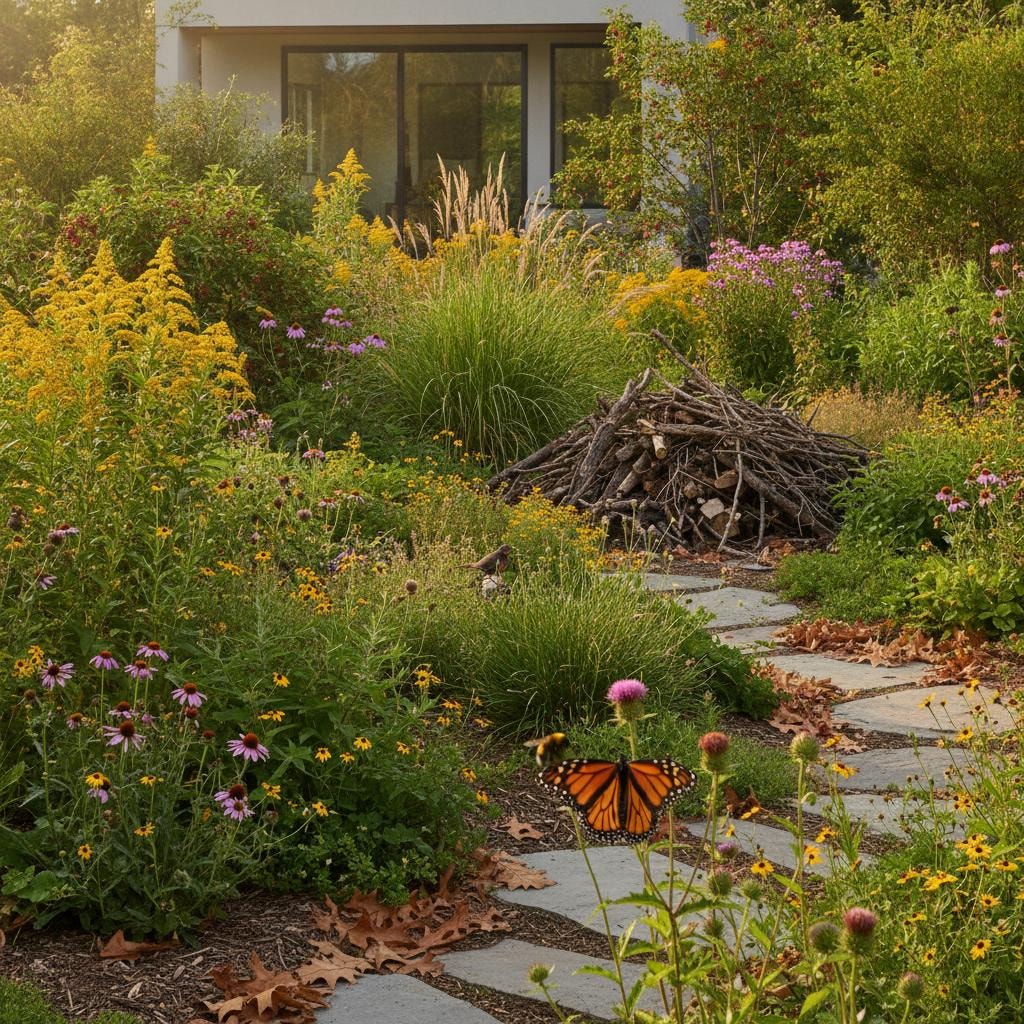
Leaves are left to decompose, flower stalks stand through winter, and native plants find their way into the mix. This approach encourages a rich diversity of life. Bees nest in hollow stems, butterflies find nectar among native blooms, and birds feed on seed heads that would otherwise be cut away.
Shifting from Control to Collaboration
Traditional landscaping often focuses on control, keeping every element uniform and predictable. Rewilding asks for a different kind of relationship. Instead of fighting nature, the gardener becomes a collaborator.
You might still weed, prune, and plan, but you do so with the understanding that some imperfection is part of the process. This shift can take time to embrace. Many of us grew up believing that a neat lawn was the mark of care.
Yet, as more people recognize the loss of pollinators and native habitats, the appeal of a perfectly manicured yard begins to fade. A rewilded space, with its layers of texture and life, tells a different story. It says the land is being cared for, not just maintained.
Simple Ways to Start Rewilding
You do not need to transform your entire yard overnight. Small, thoughtful changes can have a real effect. Try starting with these ideas:
- Leave a corner unmowed. A small patch of longer grass can provide habitat for insects and small animals.
- Plant native species. Choose plants that have evolved to thrive in your local climate and soil.
- Let leaves and twigs stay. Natural debris enriches the soil and provides shelter for beneficial creatures.
- Reduce chemical use. Fewer pesticides and fertilizers mean a healthier, more balanced ecosystem.
- Add water features. Even a shallow dish of water can attract birds and pollinators.
Each step invites more life into the garden, and over time, those small areas connect to form a thriving habitat.
Living with a Wilder Landscape
A rewilded yard will always surprise you. Plants may self-seed in unexpected places, and wildlife will come and go with the seasons. These moments remind us that a garden is not a static design.
It is an evolving conversation between soil, weather, plants, and people. The beauty of this approach lies in its generosity. As you loosen your grip on perfection, the garden begins to reward you with movement, sound, and discovery.
You will notice the hum of bees, the flutter of wings, and the scent of wildflowers carried on the breeze.
Practical Steps for Ongoing Rewilding
Start small, observe, and let your garden teach you what it needs. A messy garden is not neglect. It is participation.
It is an invitation to see your yard as part of a wider landscape that supports life in all its forms. When you give space for nature to return, your garden becomes more than a collection of plants. It becomes a living, breathing part of the world around you.