Chaos Gardens: Why Wild Yards Need Structure to Thrive
A chaos garden appears loose and natural by design. Plants grow in mixed layers, paths curve instead of following straight lines, and selected areas remain untouched so wildlife can use them. The result feels different from a lawn edged with formal beds.
This style matches growing interest in rewilding, biodiversity, and lower maintenance landscapes. It also gives you room to work with the conditions you already have. Instead of forcing every plant into a fixed position, you observe your yard, choose suitable species, and allow the garden to develop over time.
A wild landscape still needs planning. Without clear limits, a relaxed planting can become difficult to manage. The best chaos gardens combine freedom with a few practical rules.
What Defines a Chaos Garden?
Chaos gardening uses a relaxed approach to planting and maintenance. You might scatter seeds, mix flowers with herbs, leave fallen leaves under trees, or allow selected plants to self-seed. Some areas remain open, while others support dense growth.
The word chaos describes the appearance, not a lack of care. You still decide where plants can spread, which species belong in the space, and how much access you need for mowing, pruning, watering, and repairs.
Common features include:
- Native flowers mixed with grasses
- Self-seeding annuals and perennial plants
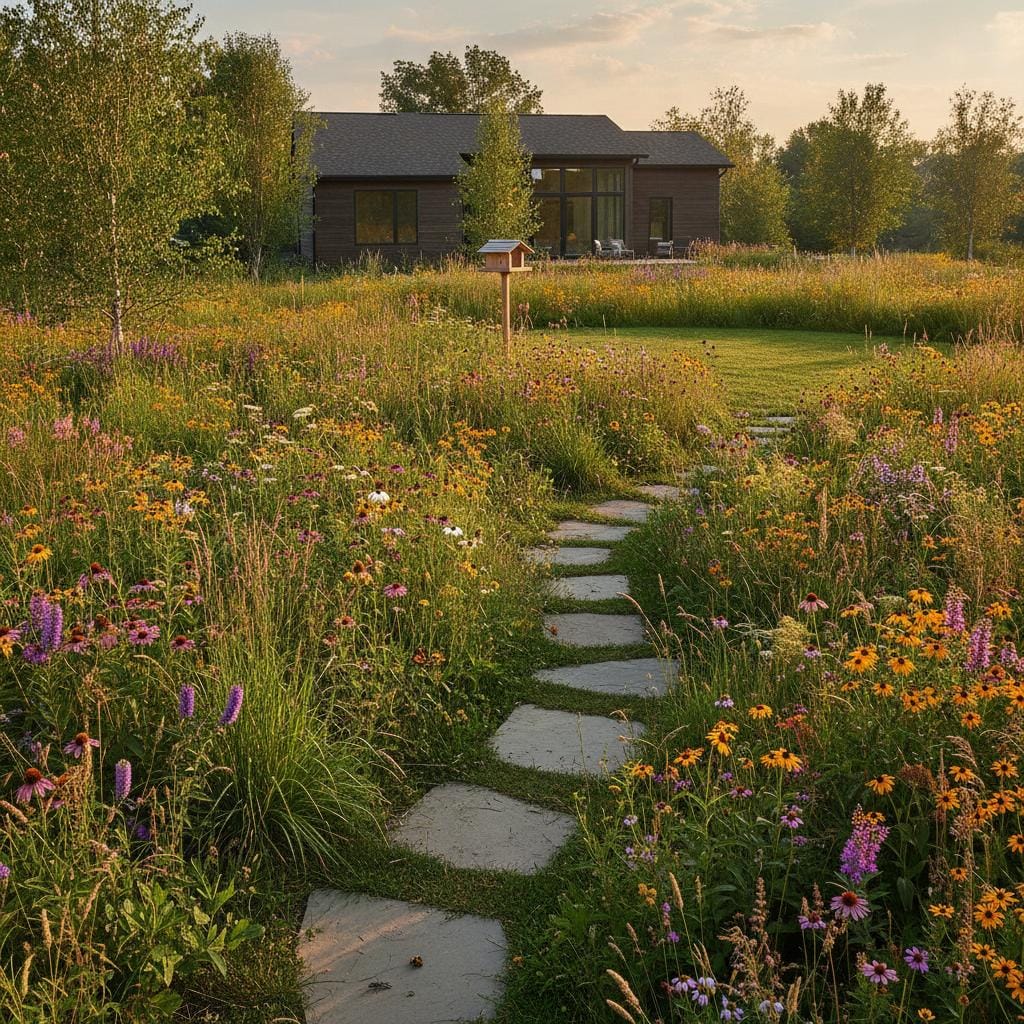
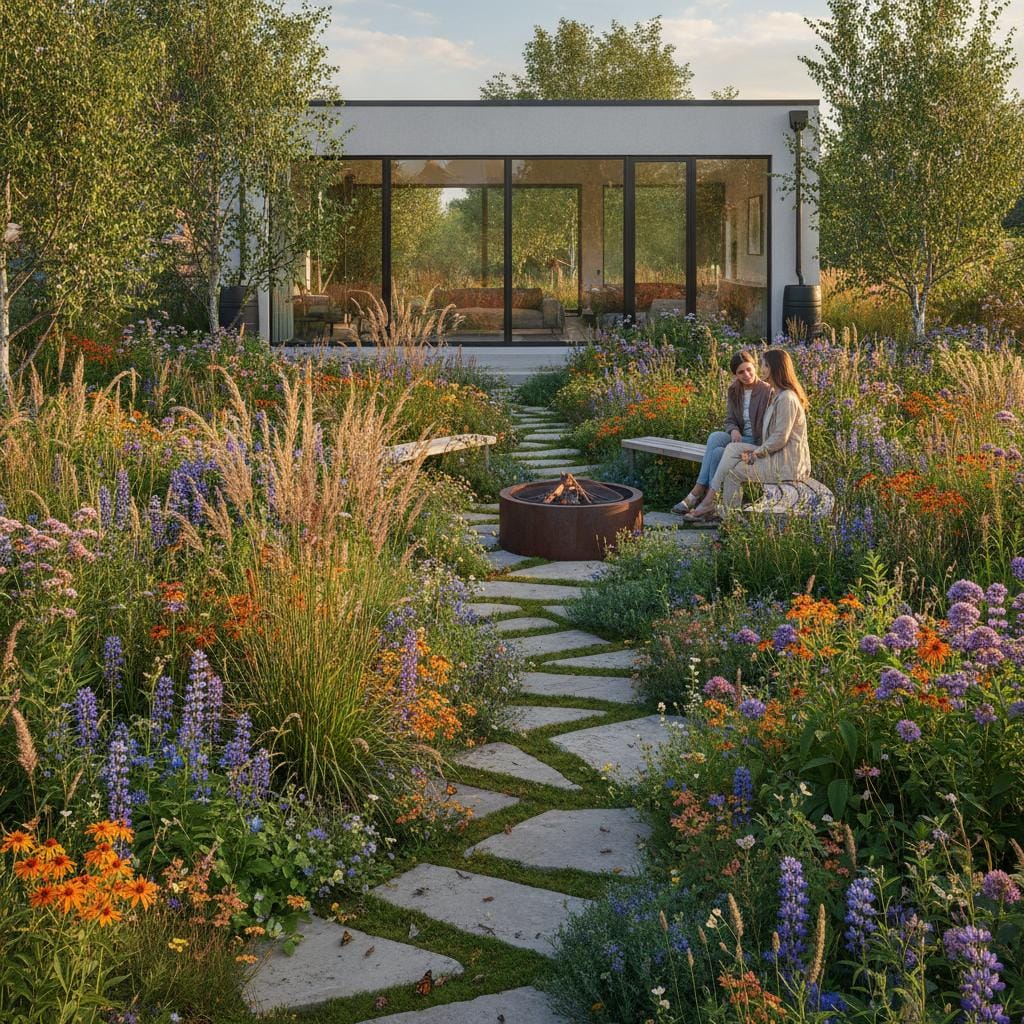
- Curving paths made from stone, mulch, or lawn
- Shrubs and small trees arranged in loose groups
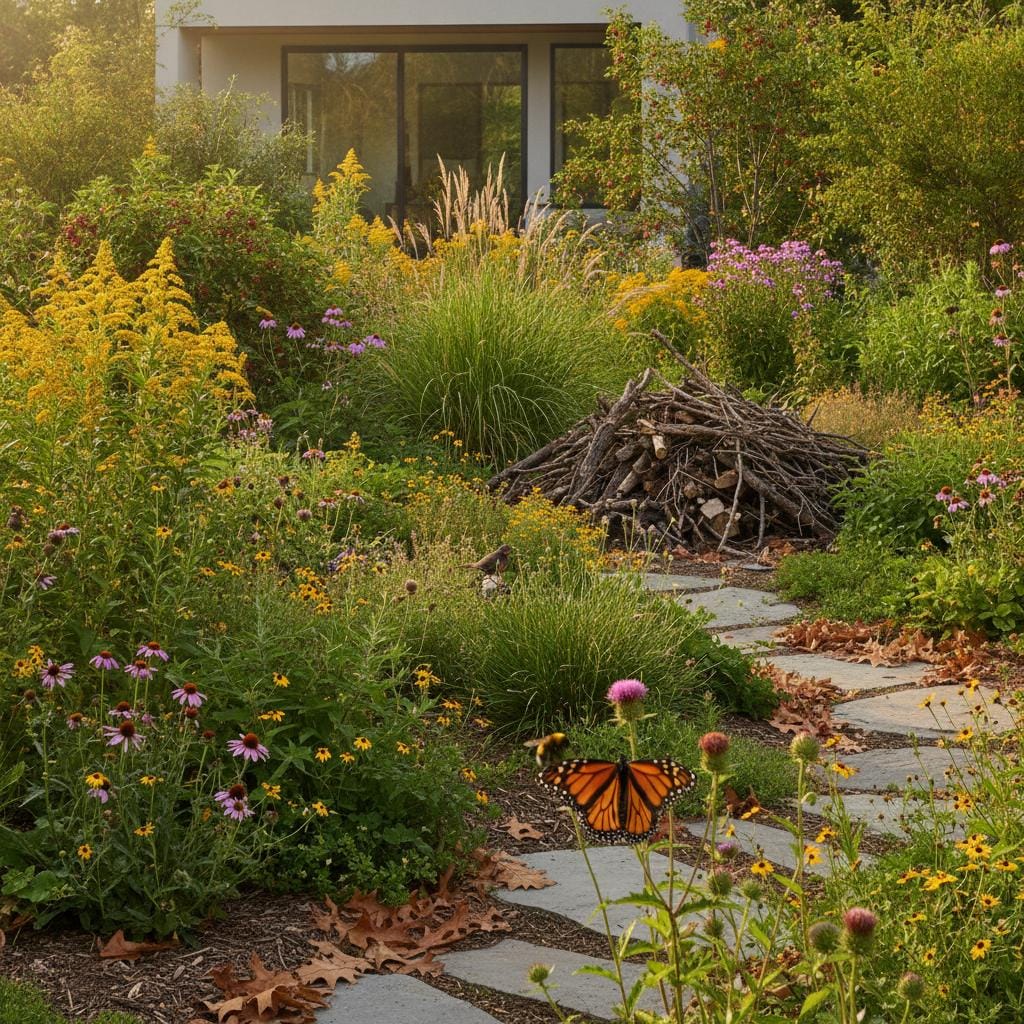
- Logs, stones, and leaf piles that provide wildlife habitat
- Less frequent mowing in selected areas
- Informal edges between planting beds and open space
You can use this idea across an entire property or limit it to one corner. A narrow strip beside a fence, a front garden, or a drainage area can become a useful starting point.
Why Wild Landscapes Appeal to Homeowners
Many homeowners are tired of lawns that need frequent mowing, edging, feeding, and watering. A chaos garden offers another option. It can reduce the amount of turf you maintain, especially when you replace lawn with plants suited to your soil and moisture levels.
Wild planting also supports more forms of life. Flowering plants provide nectar for pollinators. Seed heads feed birds. Dense stems give insects places to hide. Leaf litter protects soil organisms and helps retain moisture.
The visual change matters as well. A mixed planting creates movement and seasonal interest. Tall grasses sway in the wind, flowers appear at different heights, and shrubs provide structure after the flowering season ends. You do not need perfect symmetry to create an attractive yard.
This style can also help you respond to difficult conditions. Ground that stays damp, slopes that are hard to mow, or dry areas beside paving may work better as naturalistic planting zones than as formal beds.
Start With a Clear Garden Plan
Before buying plants or scattering seed, study your yard. Watch how sunlight moves across the space. Note areas that stay wet after rain, spots that dry quickly, and places where wind is strong.
Test the soil if you are unsure about its condition. A basic soil test can show acidity and nutrient levels. This information helps you select plants that are likely to establish without heavy amendments.
Make a simple sketch that marks:
- Existing trees and shrubs
- Utility covers and access points
- Drainage routes and low spots
- Areas used for walking, play, or storage
- Views from windows and outdoor seating
- Locations that receive full sun or shade
Keep a clear route to gates, bins, meters, and outdoor equipment. A garden can look informal while still having practical circulation. Curved paths should be wide enough for comfortable walking, usually at least three feet, and wider where two people need to pass.
Choose Plants That Fit Your Site
Plant selection determines how manageable your chaos garden will be. Start with species that suit your local climate, soil, light, and moisture. Native plants are often useful because they are adapted to regional conditions and can support local insects and birds.
That does not mean every native plant belongs in every yard. Some spread aggressively in rich soil or favorable conditions. Research the mature size and growth habit before planting.
Build several layers for a natural appearance:
- Ground layer: Low flowers, sedges, mosses, and spreading plants cover bare soil.
- Middle layer: Perennials and ornamental grasses provide most of the seasonal color.
- Shrub layer: Bushes create structure, shelter, and nesting space.
- Upper layer: Small trees add shade, height, and long term interest.
Mix plants with different bloom periods so the garden does not depend on one short display. Include seed producing plants and species with stems that remain upright through colder weather. These features can benefit wildlife and give the garden visual structure when flowers are absent.
Avoid planting one species across a large area unless you are confident it will remain contained. A varied mix reduces the chance that one pest or disease will damage the entire bed.
Control the Chaos With Edges
Edges help a wild garden look intentional. They also keep plants from spreading into places where you need order.
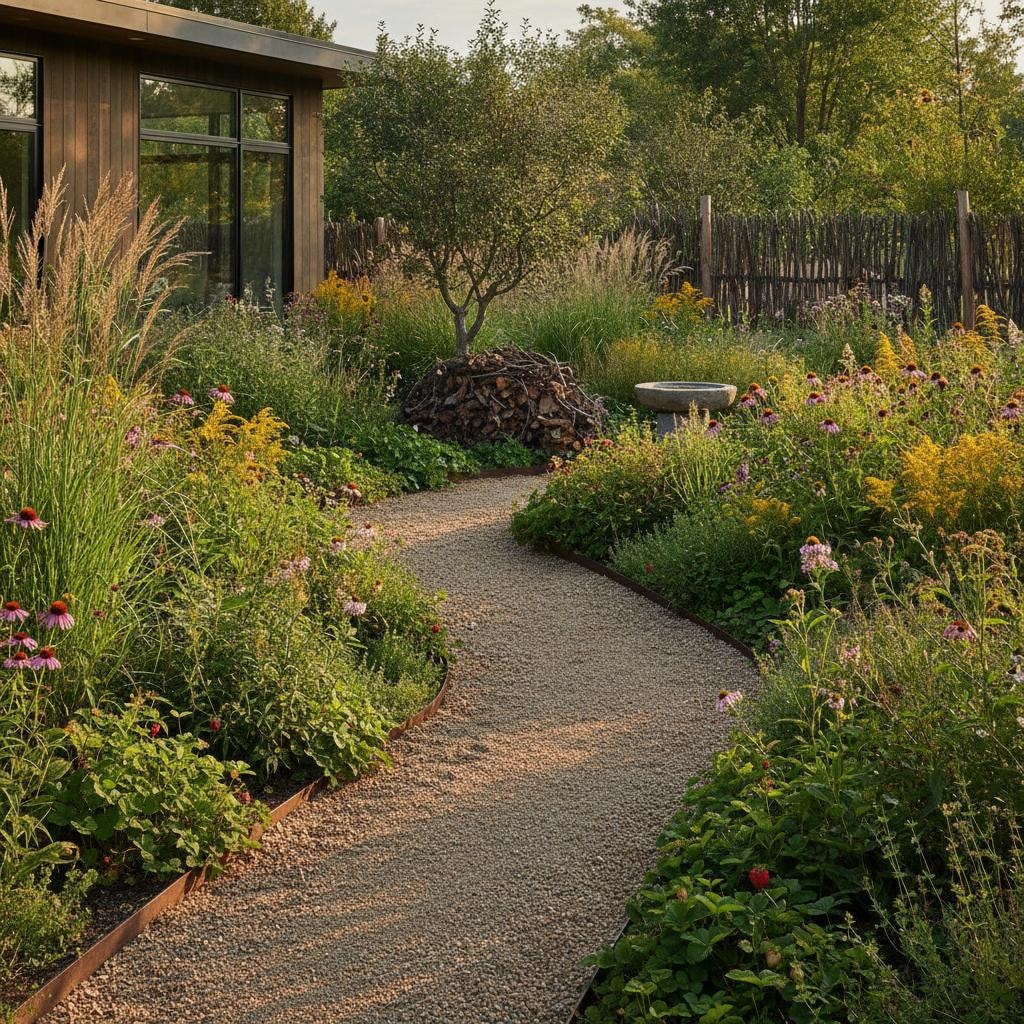
You can define a bed with:
- A narrow strip of stone
- Brick or concrete pavers
- Timber edging suited to outdoor use
- A shallow trench between lawn and planting
- A maintained strip of short grass
- Mulch around selected plants
A clean edge around an informal bed creates useful contrast. The planting can be loose inside the border, while the boundary gives the eye a clear stopping point.
Keep invasive or fast spreading plants away from neighboring properties and drainage systems. Remove unwanted seedlings while they are small. Deadhead plants if you want to limit seed spread, or leave seed heads when wildlife value matters more than strict control.
Manage Water, Soil, and Mulch
New plants need regular watering while their roots develop. After establishment, watering needs depend on rainfall, soil, and species. Deep watering at wider intervals usually encourages stronger roots than shallow watering every day.
Mulch helps reduce evaporation and suppress weeds. Apply a layer about two to three inches deep, keeping it away from plant stems and tree trunks. Too much mulch can hold excess moisture against bark and create problems.
Compost can improve poor soil, but avoid adding large amounts without testing the site. Some wildflowers grow best in lean soil. Very fertile ground may produce tall, weak growth and encourage weeds.
Use fallen leaves thoughtfully. A thin layer under trees and shrubs can protect soil and provide habitat. Thick layers over small plants may block light and air, so spread them out or move some material to a compost area.
Build Habitat Without Creating Problems
Wildlife features do not need to look artificial. A shallow dish of water can help birds and insects, but refresh it often and keep it clean. A small pile of untreated logs can shelter beetles and other decomposers. Dense shrubs provide cover for birds, while flowers offer food for pollinators.
Keep water containers shallow and place them where you can monitor them. Remove standing water that becomes stagnant. Do not release nonnative plants or animals into natural areas.
Leave some stems standing through the dormant season, then cut them back in stages. This protects overwintering insects and spreads garden work over a longer period. Check local guidance before planting species that may spread beyond your property.
Understand the Tradeoffs
Chaos gardens can reduce routine lawn work, but they are not maintenance free. You still need to weed, water new plants, cut back growth, inspect paths, and remove damaged or unwanted vegetation.
The main advantages include:
- Less turf to mow
- More habitat for insects and birds
- Better use of difficult areas
- A flexible, changing appearance
- Lower watering needs when plants fit the site
- More opportunities to grow useful herbs and flowers
Potential drawbacks include:
- An untidy appearance if edges are not maintained
- Weeds that are difficult to identify among desired plants
- Plants spreading into paths or nearby beds
- Extra watering during establishment
- Local restrictions or neighbor concerns
- Seasonal bare patches when plants die back
A clear design reduces these problems. Keep the wildest planting away from doors, walkways, and property lines. Use shrubs, edging, or a mown strip to frame areas that are allowed to grow freely.
A Practical Maintenance Routine
Set aside time for short, regular checks. Walk through the garden and look for seedlings, broken branches, blocked paths, and signs of plant stress.
Your routine may include:
- Removing invasive or unwanted plants before they produce seed
- Trimming growth that blocks paths or windows
- Watering new plantings during dry conditions
- Clearing debris from drains and paved surfaces
- Dividing crowded perennials when growth weakens
- Cutting back selected plants after wildlife use declines
- Refreshing mulch where soil is exposed
Do not judge the garden by the same standards as a formal landscape. Some leaf litter, bent stems, and faded flowers are useful parts of the design.
Making Your Wild Garden Work
Start with one manageable area rather than changing the entire yard at once. Remove a small section of lawn, improve the soil only where needed, and plant a mix of species suited to the site.
Track which plants thrive, which spread too quickly, and which need more water than expected. Adjust the planting as you learn.
Choose order where you need it, then allow room for natural growth beyond those boundaries. With suitable plants, clear edges, and steady care, your wild landscape can support wildlife while giving you a practical and personal outdoor space.