Edible Hedges That Boost Your Property Value
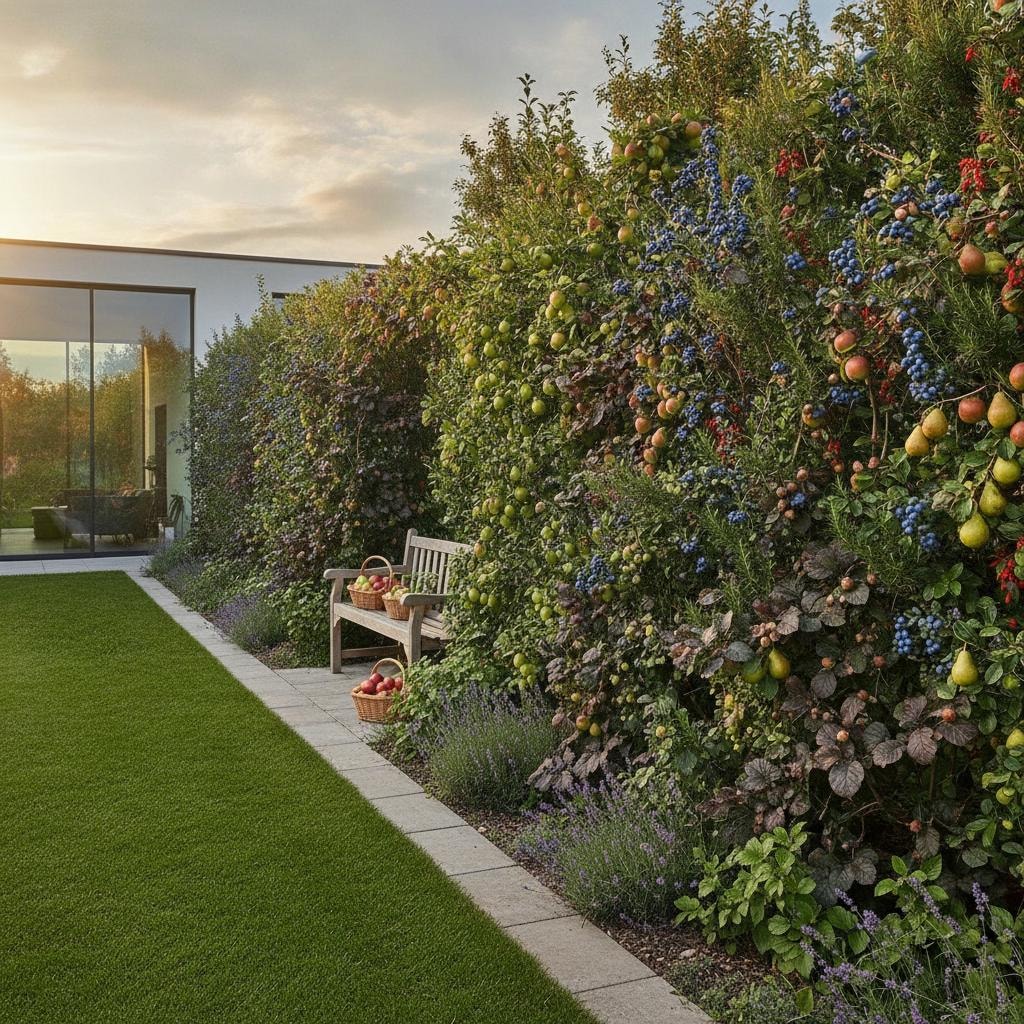
A tired landscape often lacks both privacy and purpose. An edible hedge solves both problems by creating a living boundary that produces food while improving curb appeal. Homeowners who plant fruiting shrubs along property lines gain seasonal interest, fresh harvests, and a landscape feature that buyers notice.
The concept works because productive plants serve multiple roles at once. Instead of installing a fence or a row of ornamental shrubs, you can choose plants that screen views, attract pollinators, and deliver berries or herbs. This approach turns unused edge space into a functional part of the garden.
Buyers respond to outdoor areas that feel intentional. A well-maintained edible hedge signals that the property has been cared for with purpose. The plants look attractive year-round, and the harvest provides a tangible benefit that standard landscaping cannot match.
Why Edible Hedges Appeal to Homeowners
A hedge gives structure to a property. It can define a walkway, screen a patio, frame a driveway, or separate garden beds from lawn areas. When the plants also produce fruit, the landscape gains another layer of interest through flowers, foliage changes, and harvest periods.
This combination makes efficient use of space. Rather than dedicating an entire bed to ornamental shrubs, you can select plants that provide privacy, food, and visual appeal simultaneously. The result feels generous without requiring additional square footage.
Edible hedges also help a garden feel established. Even young plants create a sense of direction when arranged in repeated patterns with consistent spacing. This repetition makes outdoor areas appear calmer and more complete than scattered plantings.
Start With the Right Location
Before selecting plants, study the growing conditions in your chosen area. A healthy hedge begins with suitable sunlight, soil, and drainage rather than a rushed shopping list.
Observe how much direct sunlight reaches the planting area throughout the day. Most fruit-bearing plants need at least six hours of sun to produce well. Note whether nearby fences, trees, or buildings cast long shadows that might limit growth.
Check how water moves through the soil after rain. If water pools for more than a few hours, choose plants that tolerate moisture or improve drainage before planting. If the soil dries quickly, add organic matter and plan for regular watering during establishment.
Consider mature plant size as well. A small nursery plant can eventually become a broad shrub or compact tree. Leave enough room for air movement, pruning access, and comfortable harvesting. Crowded plants often struggle with disease and become difficult to maintain.
Choose Plants That Fit Your Landscape
The best edible hedge plants match your climate, soil conditions, available light, and preferred level of care. They should also complement the architectural style of your home.
Berry Bushes for Full, Productive Rows
Berry bushes create dense, attractive screens that produce generous harvests. Blueberries offer glossy leaves, spring flowers, and colorful fruit that persists into fall. Many varieties prefer acidic soil, so a soil test helps determine whether your location suits these plants.
Raspberries and blackberries produce abundant crops but often need support and regular pruning. Their spreading habit requires either a trellis system or clearly defined beds with barriers. Thornless varieties make harvesting safer near patios and walkways.
Currants, gooseberries, and elderberries work well in smaller yards. Their moderate size and attractive flowers make them suitable for productive landscapes where space is limited. Research mature dimensions and pollination requirements before purchasing multiple varieties.
Edible Shrubs With Strong Landscape Value
Some shrubs offer refined appearance while producing useful fruit. Aronia, also called chokeberry, displays white flowers, dark berries, and vivid autumn foliage. The berries taste tart when raw but work well in cooked applications.
Serviceberry produces delicate spring flowers, edible fruit, and attractive branching structure. It can grow as either a shrub or small tree, making it suitable for transitions between hedges and mixed borders.
Hardy kiwi covers fences or sturdy trellises with lush foliage and produces fruit. The vines require firm support and adequate space to spread. Some varieties need separate male and female plants for fruit production, so verify pollination requirements before purchasing.
Roses with edible hips add charm to mixed hedges. Their flowers attract attention, and the hips can be harvested for teas or preserves. Choose varieties suited to your region and consider thorn placement near walkways.
Plan for Beauty in Every Season
An edible hedge should remain attractive even when not producing fruit. Combine plants with different bloom times, leaf textures, and mature heights to maintain visual interest throughout the year.
Evergreen edible plants provide structure during dormant periods. Rosemary works in mild climates, while bay, feijoa, or certain citrus varieties offer year-round foliage where conditions permit. In colder regions, deciduous shrubs still provide strong branch structure and winter form.
Place taller plants toward the back of borders or along property edges. Use shorter shrubs near paths and seating areas where flowers and fruit can be enjoyed up close. Repeating a few reliable plants creates a more polished appearance than collecting many unrelated varieties.
Consider how the hedge will look from inside your home. A row of flowering shrubs outside a kitchen window brings movement and seasonal color into daily views. A fruiting screen near a patio connects outdoor meals to the garden.
Build Healthy Soil Before Planting
Good soil supports strong roots, reliable growth, and better harvests. Before planting, remove competing weeds and loosen soil across the entire hedge bed rather than digging individual holes.
A soil test reveals acidity, nutrient levels, and other conditions that affect plant health. Add compost to improve soil structure and encourage beneficial soil organisms. Compost helps sandy soil retain moisture and helps heavy soil drain more freely.
Avoid placing fresh manure directly against roots. Well-aged compost provides gentler nutrition. Set plants at the same depth they grew in containers unless the plant label specifies otherwise.
Water deeply after planting. A thorough soaking encourages roots to grow downward, which helps plants handle dry periods later. Apply mulch around plants, leaving a small gap around each stem. Mulch conserves moisture, limits weeds, and protects soil from temperature fluctuations.
Protect the Hedge From Common Problems
Healthy plants resist pests and disease more effectively. Give each plant adequate space, water at soil level, and remove damaged leaves or fallen fruit promptly.
Good air circulation matters, especially for dense berry shrubs. Prune crowded stems so light and air reach the plant center. Avoid trimming every hedge into a solid wall if that shape creates heavy shade and poor circulation inside.
Inspect leaves and stems regularly. Look for curled foliage, discolored patches, holes, or unusual growth. Early attention often makes problems easier to manage. A strong spray of water may dislodge some pests, while hand removal works for small infestations.
Use plant protection products carefully and follow label directions. Since you plan to eat the harvest, pay close attention to application timing and harvest intervals. Healthy soil, careful watering, and proper pruning remain your primary management tools.
Use Pruning to Shape Value and Abundance
Pruning keeps an edible hedge attractive and productive. It removes weak, damaged, or crowded growth and helps plants maintain useful size.
Learn how each plant produces fruit. Some shrubs fruit on older wood, while others produce best on newer growth. Pruning at the wrong time can remove next season's flowers, so follow guidance specific to each species.
Remove branches that cross, rub against each other, or grow toward paths. Cut damaged stems back to healthy wood. Thin older canes when shrubs become crowded, and retain the strongest young stems for future production.
Aim for natural, balanced shapes rather than severe uniformity. A hedge does not need to look clipped to appear cared for. Gentle shaping preserves flowers and fruit while keeping the planting neat.
Make Harvesting Easy and Pleasant
A hedge adds value when you can comfortably use it. Install stepping stones, a narrow path, or a simple mulch strip along the planting. This keeps feet out of soil and makes pruning, watering, and harvesting more convenient.
Choose plants according to how you enjoy eating. If you make pies or preserves, focus on berry bushes. If you prefer fresh snacks, select fruit that ripens over extended periods. Herbs, edible flowers, and compact fruit trees can fill gaps around larger shrubs.
Keep a basket or bowl near the garden entrance during harvest periods. Pick fruit regularly and remove overripe pieces before they attract pests. Sharing extra produce with neighbors helps integrate the hedge into the wider community.
Maintain the Investment With Simple Habits
A valuable edible hedge does not require constant attention. It benefits from steady, manageable care routines.
Follow these practices to keep the planting healthy:
- Water deeply when soil feels dry, especially during establishment
- Refresh mulch as it breaks down, keeping it away from plant stems
- Prune according to each plant's fruiting pattern
- Remove weeds before they compete for moisture and nutrients
- Check supports, trellises, and ties before branches become heavy
- Harvest ripe fruit promptly
- Replace weak plants rather than allowing empty spaces to remain neglected
These small tasks protect the hedge's appearance and productivity. They also demonstrate that the landscape has been maintained with purpose, a quality that makes strong impressions on visitors and prospective buyers.
Watching Your Productive Landscape Thrive
An edible hedge develops its value through consistent care over multiple seasons. The first planting day may bring only small shrubs and open soil. With time, those plants become a living boundary filled with flowers, foliage, fruit, and wildlife activity.
Choose plants suited to your property conditions, prepare soil thoroughly, and allow adequate space for development. Keep access paths clear, prune with attention to each species' needs, and harvest regularly. Each season reveals more about the garden and makes maintenance feel more natural.
Your property can be beautiful, useful, and welcoming simultaneously. An edible hedge offers a lasting way to create that combination, one healthy plant and one thoughtful habit at a time.