Front Yard Edible Farms: The 2026 Surge in Productive Landscaping
Homeowners increasingly observe neighbors cultivating tomatoes alongside driveways or herbs near mailboxes. This observation reflects a broader movement toward edible landscaping. Individuals reconsider the purpose of front yard spaces, favoring gardens that delight the senses and supply fresh produce over expansive lawns requiring frequent mowing. This approach harmonizes aesthetics with utility, aligning seamlessly with the emphasis on sustainable lifestyles.
Edible landscaping, also known as foodscaping, integrates fruits, vegetables, and herbs among conventional ornamental elements. It converts underutilized lawn areas into efficient garden beds that maintain a refined and purposeful appearance. While interest has grown gradually, the acceleration in 2026 signals a profound evolution in perceptions of outdoor environments.
Factors Driving the Popularity of Front Yard Edible Farms
Multiple elements contribute to the increasing adoption of food production in front yards. Escalating food prices render homegrown yields particularly attractive. Greater awareness of environmental impacts also plays a role. Traditional lawns demand substantial water, fertilizers, and upkeep, whereas diverse edible gardens foster pollinators, minimize runoff, and decrease reliance on store-bought groceries.
The appeal of self-reliance further fuels this trend. Access to fresh herbs or greens directly outside enhances convenience and empowers dietary choices. Moreover, front yard farming fosters social interactions, as neighbors pause to discuss plant progress, thereby strengthening community bonds.
Designing an Effective Edible Front Yard
Prior to commencing any planting, evaluate layout, sunlight exposure, and overall aesthetics. A front yard garden must appear orderly and cohesive to complement the surrounding neighborhood. Strategic planning ensures productivity without sacrificing visual harmony.
Develop a Thoughtful Layout
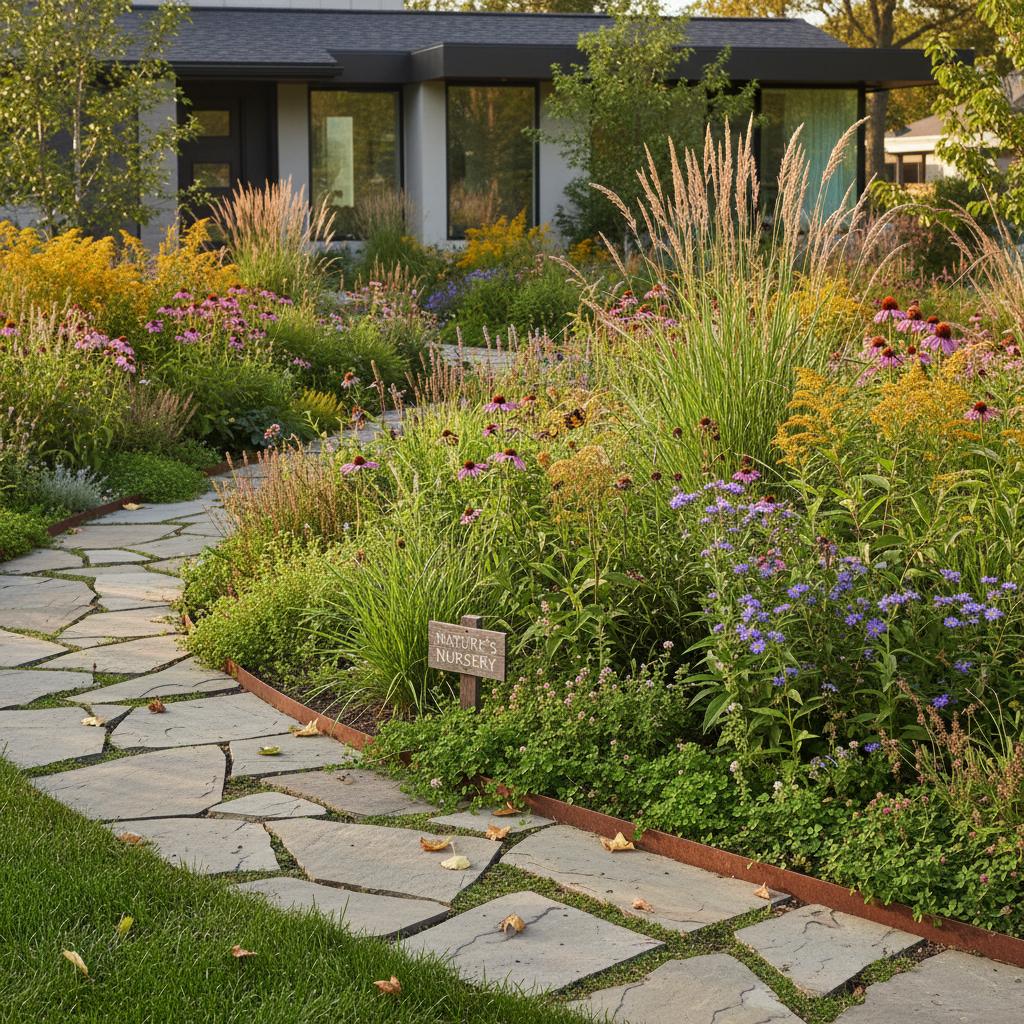
Begin by mapping the yard to identify viable planting zones. Incorporate defined pathways and edging to delineate garden sections clearly. Opt for gently curving beds or elevated planters to enhance softness and simplify upkeep. Arrange plants according to stature, hue, and maturation periods to achieve equilibrium in the composition.
Assess Sunlight and Soil Conditions
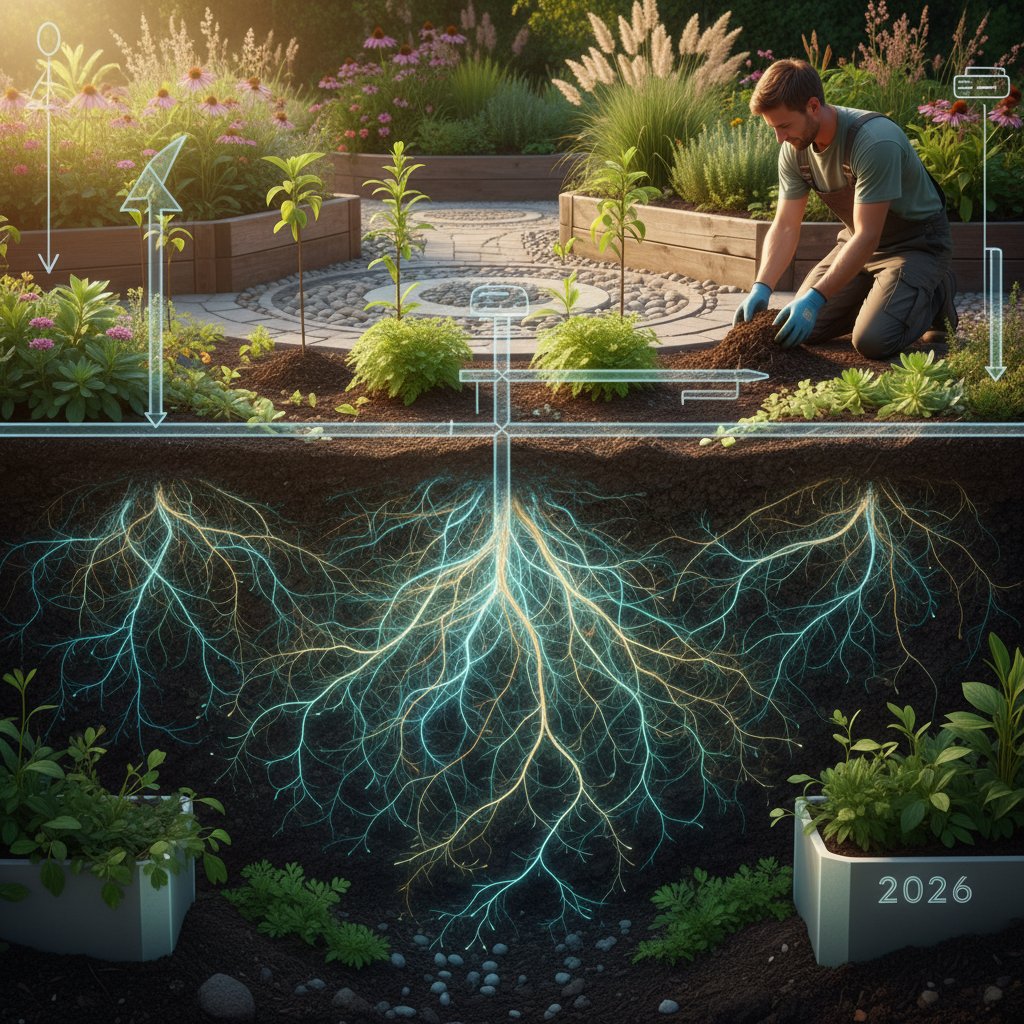
Vegetables and fruits typically require at least six hours of direct sunlight daily. Monitor shadow patterns throughout the day to position crops optimally. Conduct a soil analysis to determine necessary amendments, such as compost or organic materials, for optimal drainage and fertility.
Select Complementary Plants
Combine edible species with decorative varieties to sustain year-round appeal. Consider these versatile options that merge visual and practical benefits:
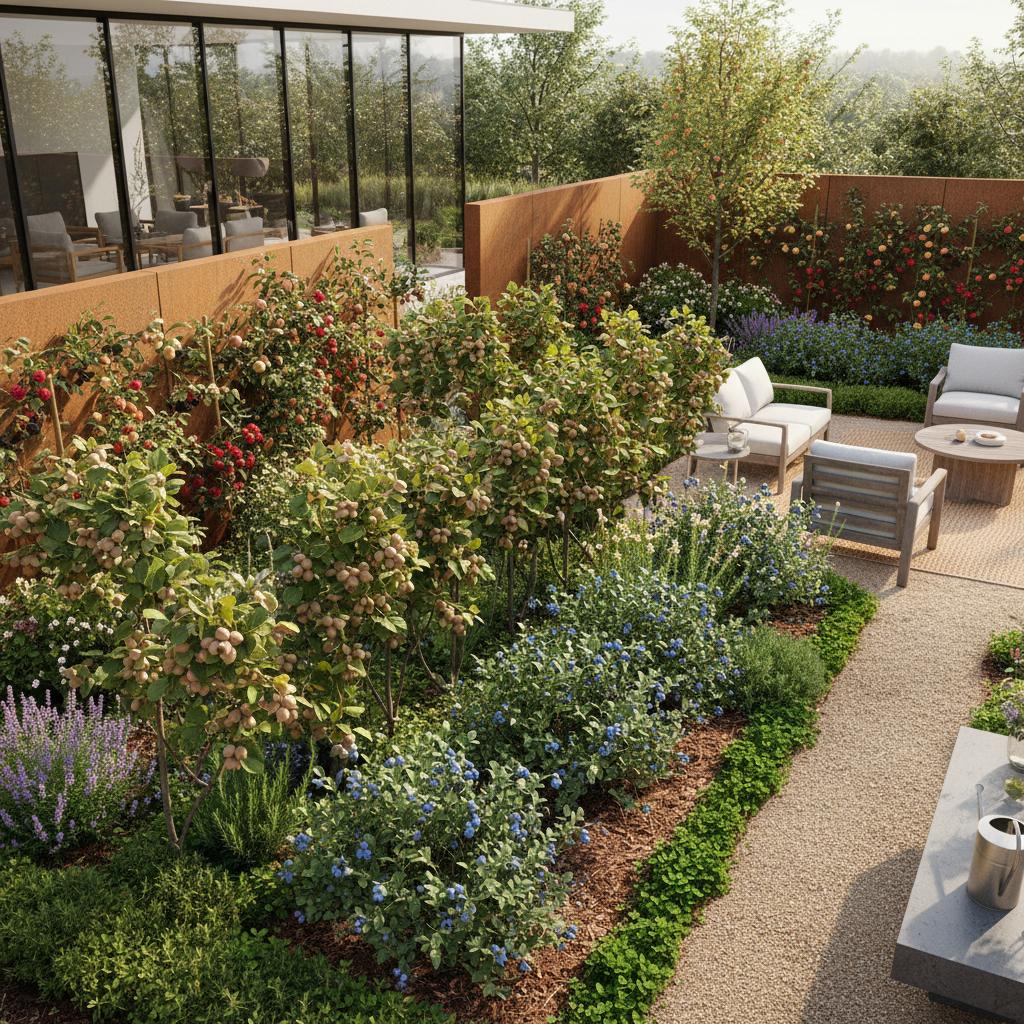
- Blueberry shrubs, which offer architectural form and vivid seasonal foliage
- Lettuce and kale varieties, providing lush texture and straightforward access
- Strawberries, serving as resilient ground cover
- Rosemary and lavender, delivering aromatic qualities and water efficiency
- Tomatoes and peppers, contributing vibrant hues and abundant output
Incorporate perennial herbs alongside annual vegetables to ensure continuous coverage across seasons.
Investment and Maintenance Considerations
Establishing an edible front yard remains accessible without excessive expenditure. Costs vary based on scale and complexity. A modest self-managed project may require only a few hundred dollars for soil, amendments, and initial plantings. Engaging professionals for comprehensive designs, including irrigation systems and raised structures, could extend to several thousand dollars.
Effort represents another key aspect. Such gardens demand more oversight than simple grass, particularly during establishment. Allocate several hours weekly for irrigation, weed control, and collection. Established plantings benefit from reduced demands, aided by mulching and efficient watering methods like drip systems.
Maintaining Curb Appeal Amid Neighborhood Guidelines
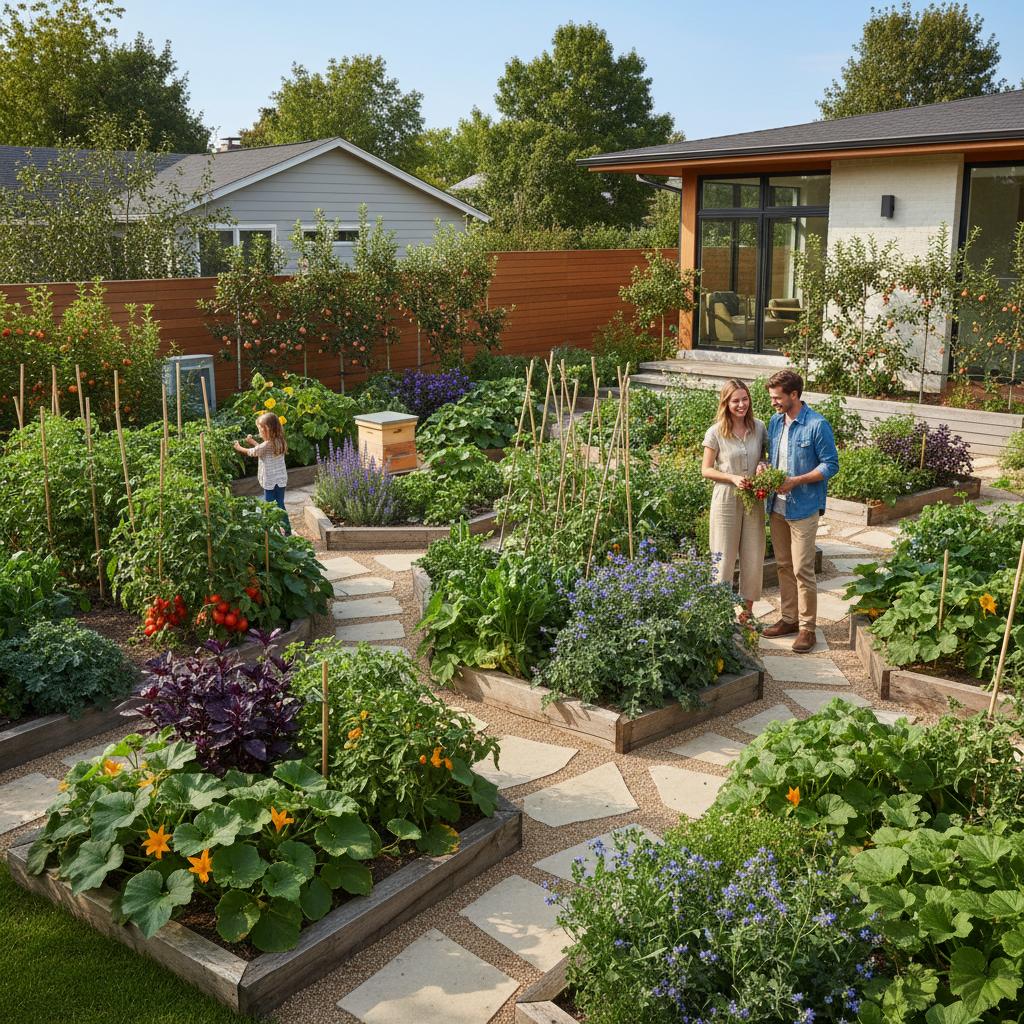
Concerns about perceived disorder or regulatory issues often arise with edible gardens. Structure addresses these effectively. Employ raised beds, stone perimeters, and uniform spacing to project professionalism. Integrate ornamental trellises for vining crops like beans or tomatoes, introducing vertical elements and intrigue.
Review homeowners association covenants prior to implementation. Numerous communities now permit edible features provided they receive diligent care. Trim edges meticulously and intersperse blooming specimens to integrate the garden seamlessly.
Implementing a Seasonal Planting Strategy
Proper sequencing enables an edible front yard to yield throughout much of the year. Employ crop rotation and climate-appropriate selections to sustain vitality and variety.
- Early season: Quick-maturing leafy greens, peas, and radishes occupy space during cooler periods.
- Mid-season: Heat-loving tomatoes, squash, and peppers capitalize on prolonged daylight.
- Late season: Hardy root vegetables such as carrots and beets endure into cooler months.
- Persistent features: Herbs, berries, and fruit trees anchor the design when annuals fade.
This method preserves aesthetic interest alongside a reliable harvest of ingredients.
Advantages Extending Past Produce
Front yard edible farms offer rewards beyond culinary output. They attract essential pollinators, including bees and butterflies, benefiting adjacent flora. Reliance on synthetic inputs diminishes, safeguarding nearby water sources. Reduced mowing and irrigation conserve time and utilities.
For households with children, these spaces serve as learning environments, illustrating food origins and basic horticultural techniques. Distributing surplus harvests cultivates neighborly relations and may motivate similar initiatives.
Addressing Typical Obstacles
Edible landscaping encounters hurdles common to gardening, such as infestations, irregular development, or suboptimal soil. Practical solutions mitigate these:
- Pests: Apply organic remedies like neem oil or attract allies such as ladybugs.
- Soil deficiencies: Incorporate compost and mulch consistently to nurture vitality.
- Irrigation demands: Deploy drip lines or soaker hoses for precise, efficient hydration.
- Visual harmony: Promptly substitute depleted plants and clear walkways to uphold attractiveness.
Routine vigilance renders these issues manageable, with advantages far surpassing drawbacks.
Steps to Launch Your Edible Front Yard
To initiate a productive front yard transformation, commence modestly. Introduce one or two raised beds or substitute a grass section with herbs and greens. Track performance to inform future expansions.
Prioritize regionally adapted or native edibles for simplified care and durability. Consult local garden specialists to identify cultivars matched to local conditions.
Edible landscaping transcends fleeting popularity, embodying a sustained commitment to functional, eco-conscious outdoor areas. A front yard brimming with hues, scents, and harvestable bounty elevates beyond mere landscaping.
Transform your front yard into an active resource. Through deliberate planning and weekly tending, it evolves into a communal asset, wildlife sanctuary, and source of shareable sustenance.