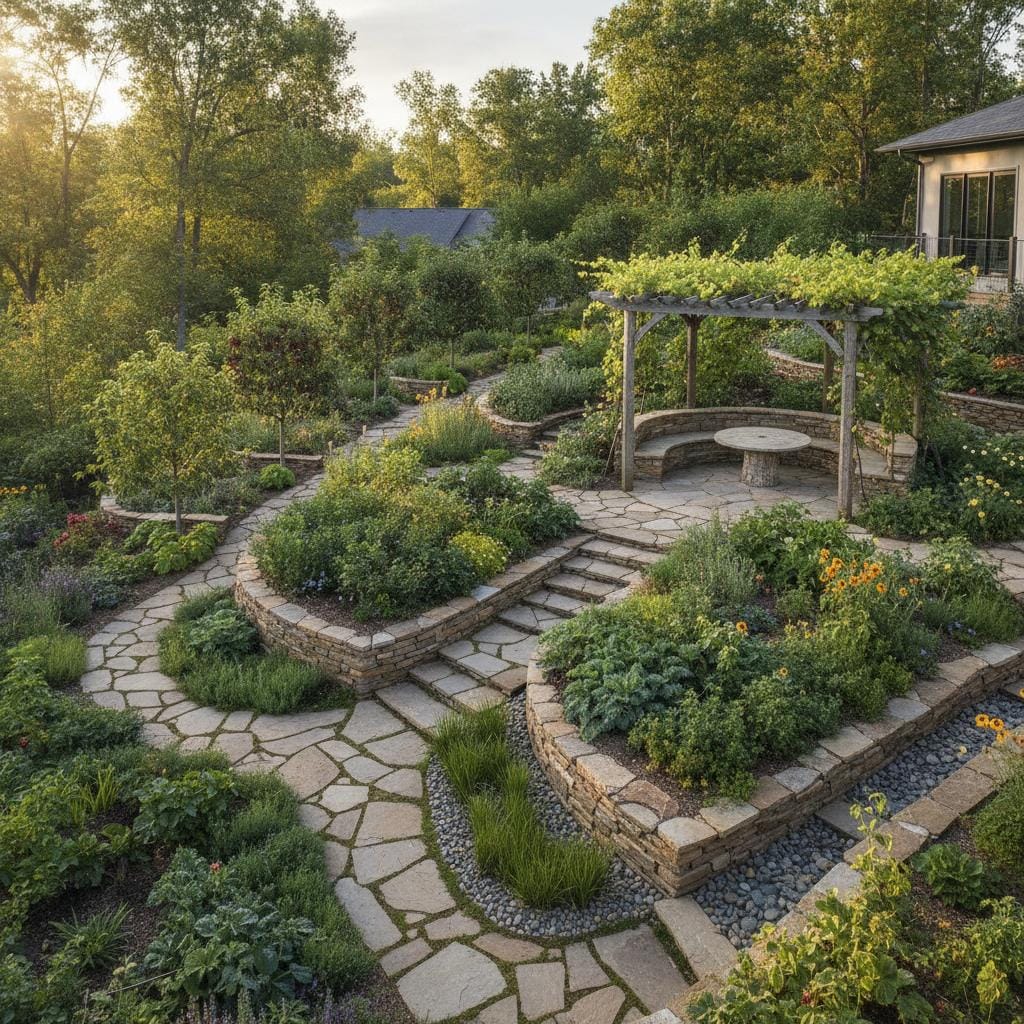
Embracing the Rewilding Movement for Effortless Gardens
Many homeowners face the challenge of maintaining a garden that demands constant attention. Weeds proliferate, lawns require frequent mowing, and flowerbeds demand regular care to stay vibrant. Yet, a shift toward rewilding offers a solution that aligns human effort with natural processes, resulting in spaces that require less work while supporting greater biodiversity.
Rewilding involves intentionally restoring elements of the natural environment to your yard. This approach focuses on native species, healthy soil, and wildlife integration rather than imposed perfection. Homeowners discover that such gardens not only save time but also enhance the overall health of the landscape.
Step 1: Assess Your Garden's Natural Potential
Start by evaluating your current space without immediate changes. Dedicate time to observe how sunlight patterns shift throughout the day, where water pools after rain, and which plants persist despite neglect. Identify areas of bare soil, thriving weeds, or self-seeding flowers, as these reveal the site's inherent strengths.
Document your findings with simple notes or sketches. Consider the soil type—whether clay-heavy, sandy, or loamy—and test its drainage by digging small holes and pouring in water. This assessment reveals opportunities for natural growth and highlights zones that resist traditional maintenance.
Through this process, you gain insight into what your garden supports naturally. Such knowledge forms the basis for targeted adjustments that promote sustainability over time.
Step 2: Select Native Plants and Enhance Soil Health
Once assessed, choose plants adapted to your local climate and soil conditions. Native species like black-eyed Susan, bee balm, or switchgrass require minimal watering and fertilization because they evolved in similar environments. These plants support local pollinators and resist pests better than exotic varieties.
Improve soil vitality by incorporating organic matter such as compost or aged manure. Spread a two-inch layer over garden beds and work it lightly into the topsoil to boost microbial activity. Avoid chemical fertilizers, which disrupt natural balances; instead, rely on leaf mulch to retain moisture and suppress weeds.
Planting natives in diverse groupings creates resilient ecosystems. For example, combine drought-tolerant perennials with deep-rooted shrubs to stabilize soil and provide year-round interest. This step reduces long-term care needs while fostering a self-sustaining yard.
Step 3: Implement Gradual, Low-Effort Changes
Rewilding succeeds through incremental actions rather than overhaul. Begin in one small area, such as a 10-by-10-foot section, to test and refine your approach. Allow changes to unfold over seasons, adjusting based on observed results.
Consider these practical steps:
-
Adjust mowing practices. Mow lawn areas every two to three weeks instead of weekly, allowing grass to reach four inches tall. This encourages seed production and invites wildflowers like dandelions and clover.
-
Convert underused spaces. Transform compacted lawn into pollinator meadows by sowing native seed mixes. These areas need no irrigation once established and provide natural erosion control.
-
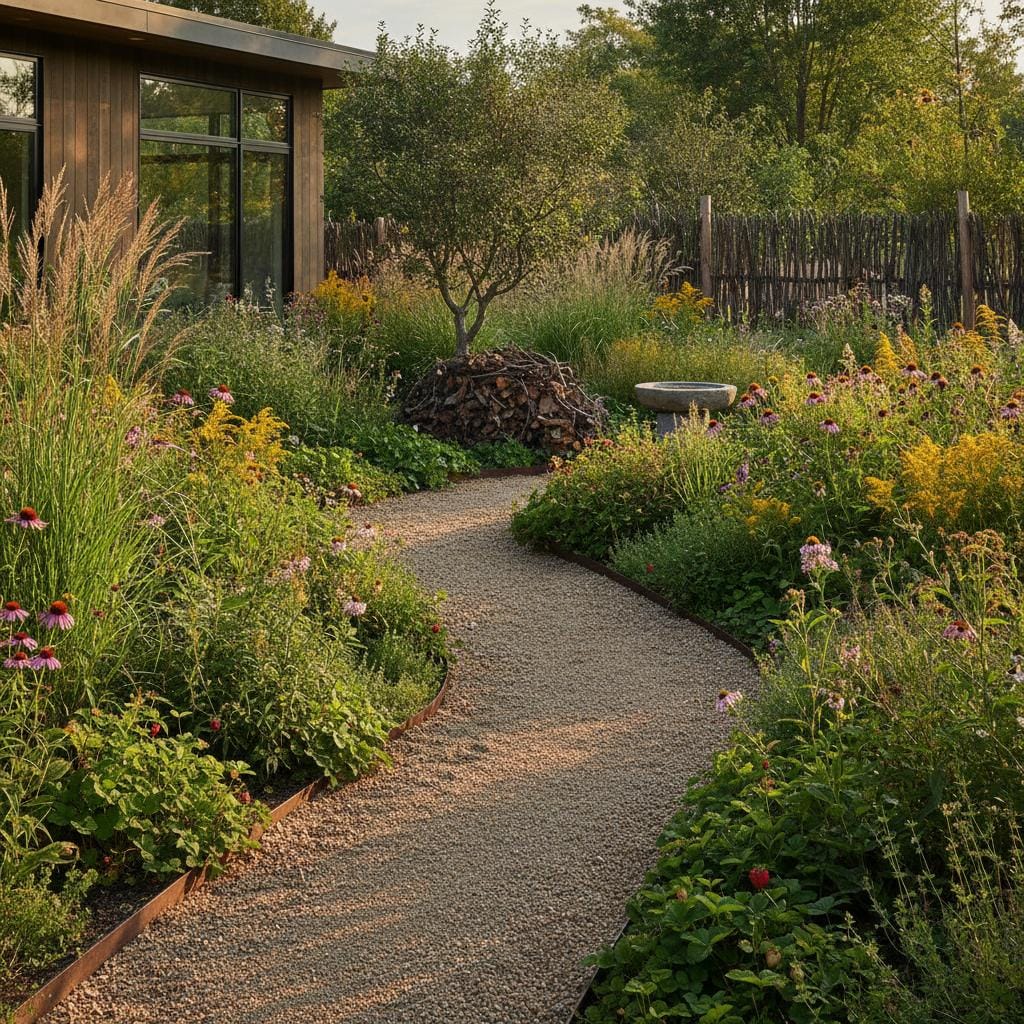
Incorporate natural features. Place branches, rocks, or brush piles in corners to offer shelter for insects and amphibians. These elements decompose slowly, enriching the soil without added cost.
-
Apply organic mulches. Cover bare soil with a layer of wood chips or straw to conserve water and deter weeds. Refresh annually with on-site materials like fallen leaves.
-
Design in vertical layers. Position tall elements like ornamental grasses at the back, mid-height shrubs in the middle, and ground-hugging plants at the front. This mimics woodland edges and reduces competition for resources.
Each action builds toward a garden that maintains itself, freeing you from routine tasks.
Step 4: Invite and Support Wildlife
A rewilded garden gains vitality from its inhabitants. Pollinators such as bees and butterflies aid plant reproduction, while birds consume insects that might otherwise become pests. Small mammals till the soil through their activities, enhancing aeration.
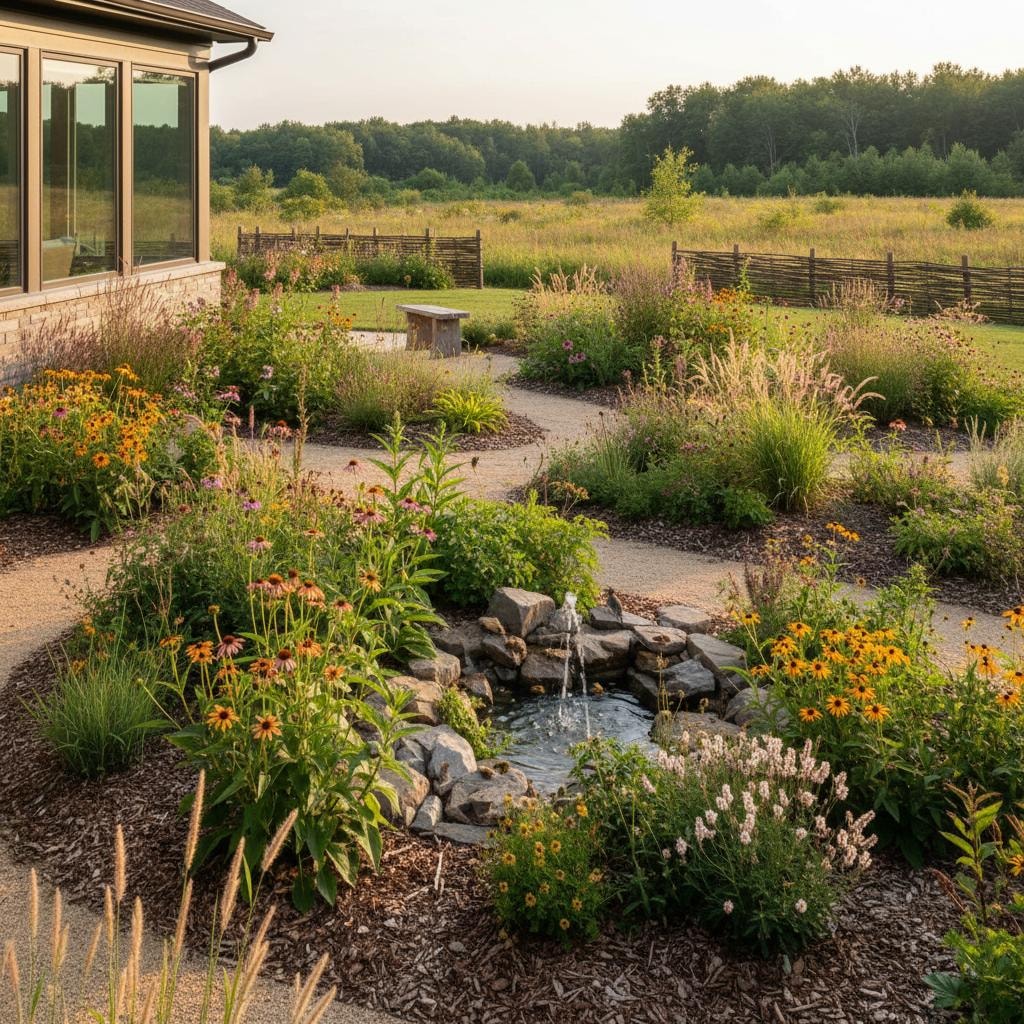
To attract these allies, select blooms with abundant nectar, including goldenrod, aster, or lavender. Position them near sunny spots for maximum appeal. Install a simple water feature, like a saucer filled with pebbles and refreshed weekly, to provide drinking sources without standing water that breeds mosquitoes.
Retain plant remnants through winter, such as dried flower stalks, to offer food and nesting materials. Eliminate broad-spectrum pesticides in favor of targeted, organic options if necessary. Observe how these visitors interact; their presence indicates a healthy, balanced system requiring minimal human input.
Step 5: Adapt to Seasonal Rhythms
Rewilded spaces evolve with the calendar, offering distinct phases of activity and rest. In spring, tender greens emerge alongside early bloomers like violets. Summer fills the air with color from peak-flowering natives, drawing in insects and birds.
Autumn shifts focus to seed production and foliage color, while winter reveals structural beauty in bare stems and evergreen accents. Monitor these cycles to perform light maintenance, such as removing dead material in late winter or dividing overcrowded perennials every few years.
Embracing seasonal changes cultivates appreciation for the garden's dynamic nature. You learn to intervene only when necessary, allowing the landscape to guide its own care.
Sustaining the Rewilding Journey
As your garden matures, track improvements in soil quality through easier digging and healthier plant growth. Biodiversity increases, with more species appearing unbidden. This evolution rewards patience with a space that feels alive and integrated into its surroundings.
Homeowners often report reduced stress from gardening chores, replaced by enjoyment of the yard's spontaneous beauty. Rewilding aligns personal well-being with environmental stewardship. Step into your transformed space and witness how nature's resilience creates lasting harmony.