Why Messy Gardens Are the Future of Landscaping 2026
Have you ever looked out at your garden and felt both comfort and guilt at the same time? Maybe your flower beds are overrun with wild growth, or your lawn has patches where the grass has given up. You might see the beauty in it, yet still feel pressure to tidy things up.
Many homeowners have been taught that a good garden is trimmed, neat, and controlled. But what if the future of landscaping looks a little messier, a little wilder, and a lot more alive? Messy gardens are becoming a new standard for beauty and resilience.
They blend nature rhythms with human care in a way that feels both freeing and responsible. If you have been longing for a garden that requires less work, supports pollinators, and feels more connected to the land, embracing a wilder style might be exactly what you need.
The Shift Toward Rewilding
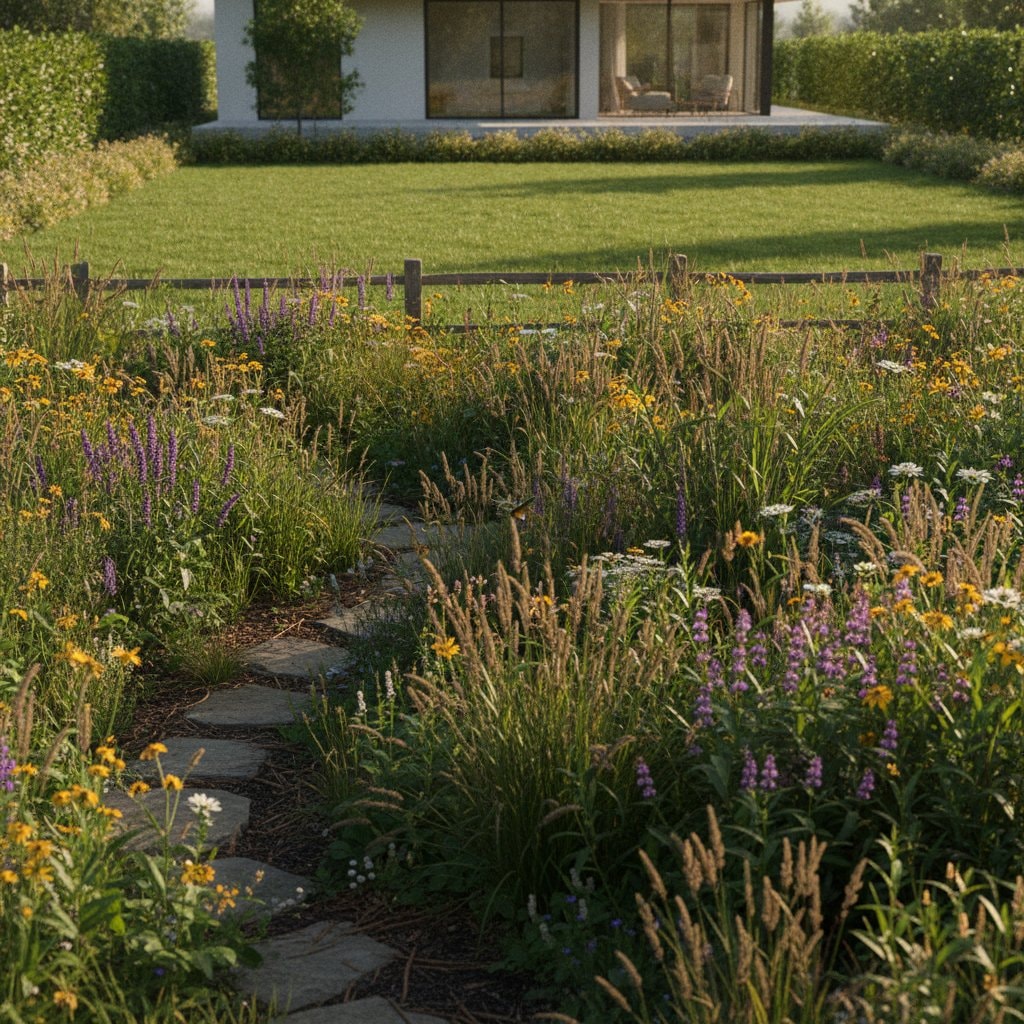
Rewilding is a term often used to describe restoring natural systems on a large scale, but it can also fit beautifully within your own yard. The idea is simple. Give nature more freedom to thrive. This means reducing chemical use, planting native species, and allowing natural processes like seed spreading and self-seeding to happen.
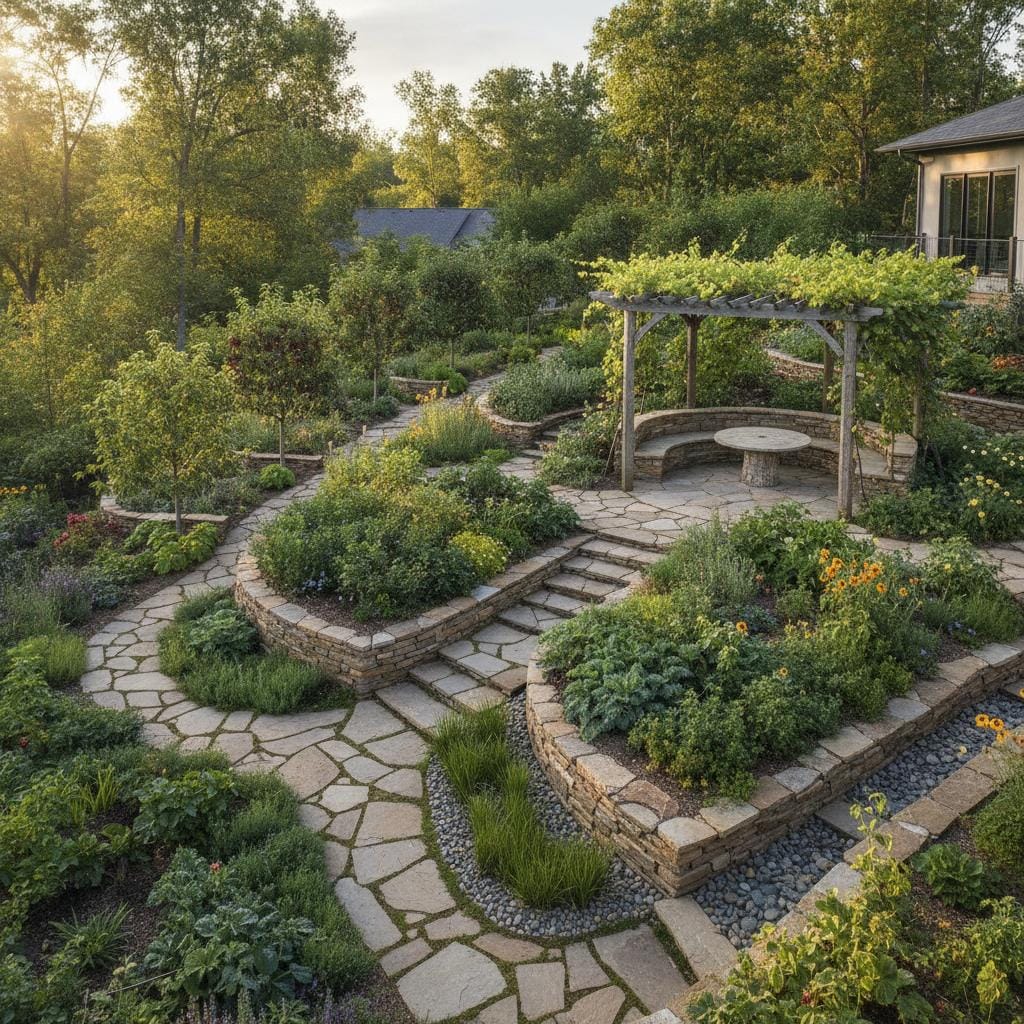
A rewilded garden does not have to look like a forest. It can still hold structure and intention. You can keep pathways clear, include seating areas, and highlight your favorite plants. The difference is that the garden becomes a living ecosystem, not just a display.
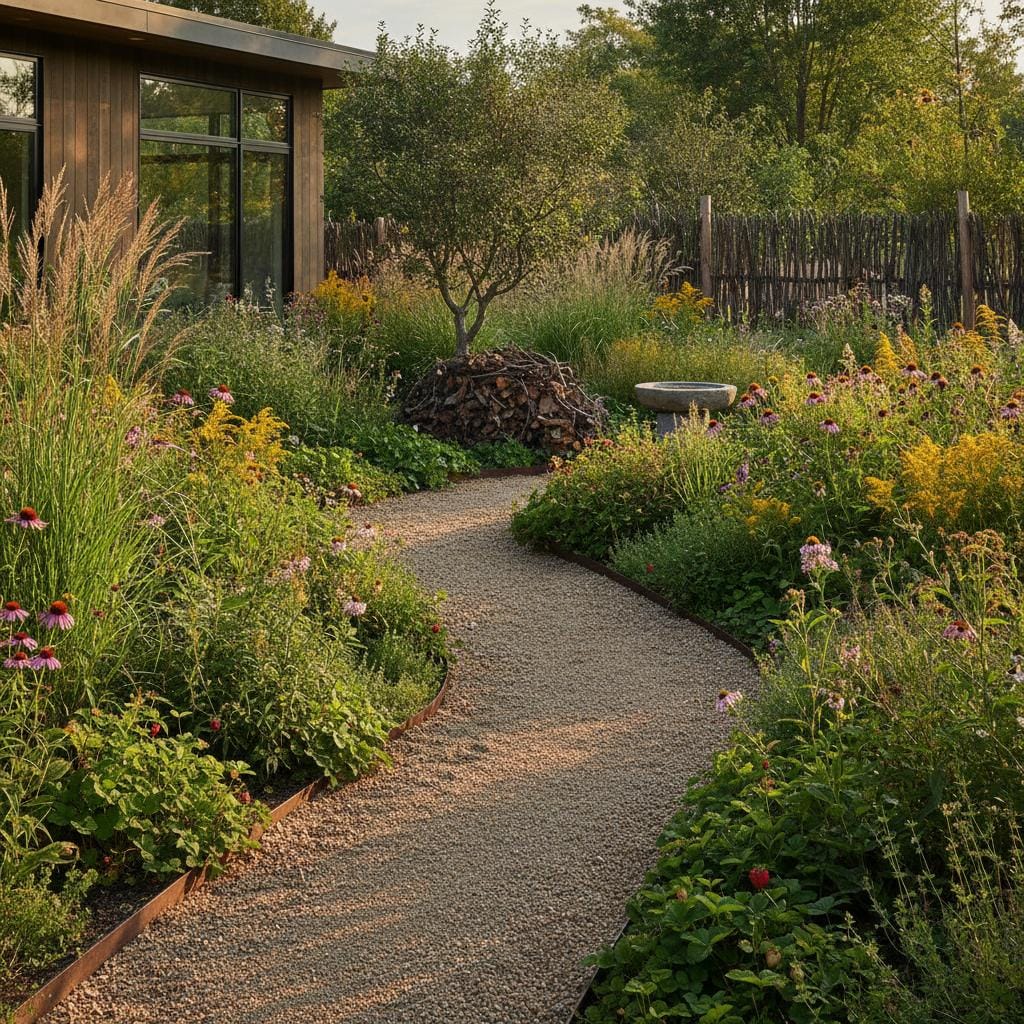
By letting plants grow in clusters, allowing leaves to stay through winter, and welcoming volunteer plants that pop up on their own, you create a landscape that supports more than just visual appeal. This shift is not about giving up control. It is about learning to garden with nature instead of against it.
Assessing Your Current Space
Before you start transforming your garden, take time to really look at what is already there. Walk through your yard and notice which areas feel alive and which feel tired. Pay attention to where the water gathers after rain, which parts get the most sun, and what already grows without much help.
Ask yourself which plants seem happiest without much care. Notice where insects, birds, or butterflies gather. Identify areas you could let relax a bit without losing function. You may discover that your garden already holds the beginnings of a wilder landscape.
Working with Nature Instead of Against It
Traditional landscaping often tries to control every element of nature. It pushes back against weeds, insects, and weather. A messy garden works differently. It listens and responds. You become a caretaker rather than a director.
Here are a few gentle practices that support this balance:
- Compost in place. Instead of hauling away leaves or clippings, let them break down where they fall or use them as mulch around plants.
- Use rainwater. Collect rain in barrels or direct runoff into low planting areas to reduce waste and keep soil hydrated.
- Skip the chemicals. Pesticides and synthetic fertilizers may give quick results, but they can harm beneficial insects and disrupt soil health.
- Let plants seed naturally. Self-seeding plants like coneflower or black-eyed Susan will spread in ways that look natural and fill gaps over time.
Over months and seasons, these choices create a self-sustaining rhythm. You will notice how certain plants support others, how shade shifts, and how soil improves with less disturbance.
Low Maintenance, High Reward
One of the most appealing parts of a wild garden is how little work it eventually requires. The first season may involve some planting and adjusting, but after that, nature takes the lead. Here is what to expect.
Deep-rooted plants draw moisture from below the surface, so they stay green during dry spells. Once your chosen plants fill in, they crowd out unwanted growth naturally. You can cut back dead stems in early spring or leave them for overwintering insects. Many wildflowers and grasses return year after year, spreading gently on their own.
The trade-off is patience. A wild garden matures slowly, but each passing season adds depth and character. The longer you let it grow, the richer it becomes.
Observing Nature in Action
Once your messy garden is established, your role shifts from constant gardener to quiet observer. You start to notice the relationships forming between plants, insects, and birds. You see how fallen leaves feed the soil, how seed heads feed finches, and how shade plants find their place under taller growth.
This stage is where the real reward begins. You no longer feel like you are working against time or weather. Instead, you become part of the rhythm. A messy garden teaches patience, resilience, and respect for cycles that are older and wiser than us all.