Gravel Gardens: Why Zero-Lawn Yards Are Winning Over
Many homeowners look at their lawns and feel more stress than satisfaction. Patchy grass and constant sprinkler schedules turn what should be a relaxing space into ongoing work. Gravel gardens offer a practical alternative that reduces upkeep while creating a calm outdoor environment.
Understanding the Appeal of a Gravel Garden
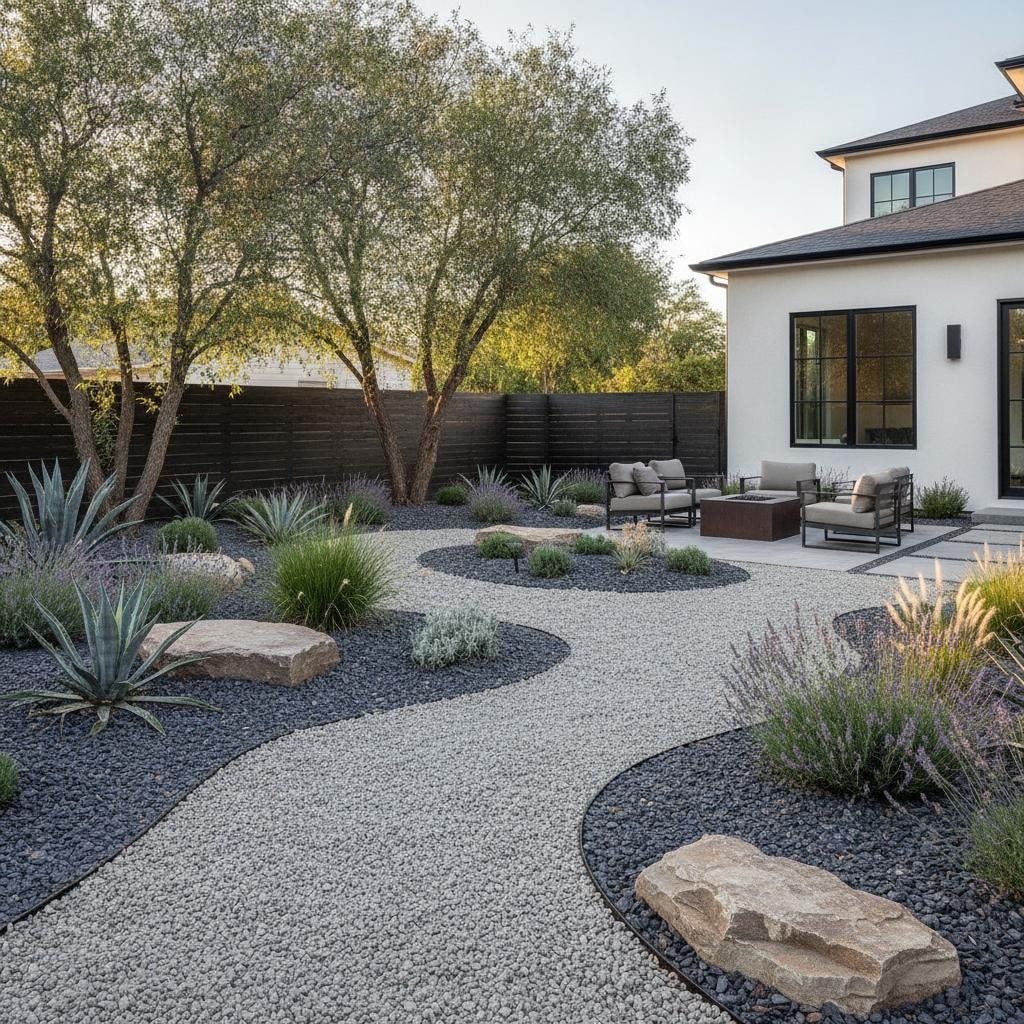
A gravel garden uses decorative stone, drought-tolerant plants, and intentional layout to replace turf. The result is a clean surface that requires no mowing or frequent watering. This approach suits homeowners who want to enjoy their yards without daily chores.
The design balances structure with natural flow. Gravel paths can curve around plant clusters or form distinct zones for seating and movement. Each choice reflects how the space will be used throughout the year.
Assessing Your Yard Before You Begin
Observe light patterns, drainage spots, and existing plant health before any installation. Note areas that stay damp or receive full sun to guide material and plant selections. These observations prevent future issues with water pooling or plant stress.
Consider these points during assessment:
- Identify primary walking routes and seating locations.
- Mark zones that receive too much shade or too little water for grass.
- Decide how much greenery should remain visible in every season.
Low spots may need larger stones or raised beds to manage moisture. The landscape itself directs the most effective layout.
Planning a Design That Fits Your Life
Match the garden scale to daily routines. An open layout with a few statement plants works well for minimal upkeep. Winding paths and mixed perennials suit those who want more visual interest.
Reserve space for a patio or fire pit if entertaining is a priority. A quiet corner with low plants supports morning use. The plan should reduce maintenance while supporting how the yard is actually lived in.
Choosing the Right Gravel
Pea gravel suits foot traffic areas because it feels comfortable underfoot. Crushed stone provides stability for driveways and main paths. Larger stones create visual weight along borders.
Pale gravel reflects light and brightens the space. Darker tones add contrast and depth. Mixing sizes defines separate zones without additional barriers.
Bringing Plants Back Into the Picture
Select species that tolerate dry, well-drained conditions. Lavender, yarrow, and Russian sage perform reliably in gravel settings. Ornamental grasses such as blue fescue add movement and soften the stone surface.
Plant in loose groups rather than straight rows. This arrangement helps roots share moisture and produces a natural appearance as plants mature. A thin gravel mulch layer around each plant suppresses weeds and moderates soil temperature.
Building the Foundation
Remove existing turf and weeds, then level the soil. Lay breathable landscape fabric to block unwanted growth while permitting drainage. Add a base layer of coarse gravel before the decorative top layer.
Install metal, stone, or brick edging to contain the gravel. These borders keep surfaces neat and prevent material from migrating into adjacent areas.
Caring for Your Gravel Garden
Light ongoing tasks maintain appearance without heavy effort. Rake the surface every few weeks to redistribute stones and clear debris. Remove weeds while they are small. Trim plants to preserve shape and encourage fresh growth. Replenish gravel every few years to keep the layer even.
These steps require far less time than lawn mowing and watering schedules.
Environmental and Emotional Benefits
Gravel gardens lower water consumption and eliminate fertilizer runoff. They remain attractive during drought periods when turf would require irrigation. The surface texture and plant movement create a steady, calming atmosphere that encourages outdoor time.
Designing for All Seasons
Choose plants with staggered bloom times and persistent structure. Evergreens and small succulents maintain color when other species go dormant. Dry seed heads and grasses provide warm tones in autumn while stones keep the space defined in winter.
Watching Your Garden Thrive
Over time stones settle and plants spread, adding subtle new textures each season. Morning light on the gravel and the scent of herbs after rain become regular observations. This gradual development is part of the garden appeal.
Starting Your Gravel Garden Project
Begin with a clear site assessment and material list. Install the foundation and edging first, then add plants and the final gravel layer. Consistent small tasks keep the space functional and attractive for years.