Front Yard Farms: 2026's Hottest Landscaping Trend
Gardens often reveal the priorities of their caretakers. Some emphasize layered perennials that reward patience. Others focus on neat rows of herbs and vegetables placed near the kitchen. Across many neighborhoods, front lawns are giving way to productive plantings that combine visual appeal with fresh harvests. This movement toward front yard farms redefines how homeowners balance beauty, utility, and community connection.
Rethinking Traditional Front Yard Design
Front yards have long served as decorative frames for homes. Homeowners maintained lawns to project order and personal taste. Rising interest in sustainability and local food sources now shifts those expectations. A well-planned vegetable bed can match the visual impact of ornamental flowers when integrated with care. Fruit trees offer shade and seasonal interest comparable to conventional shade trees.
Applying Foodscaping Principles
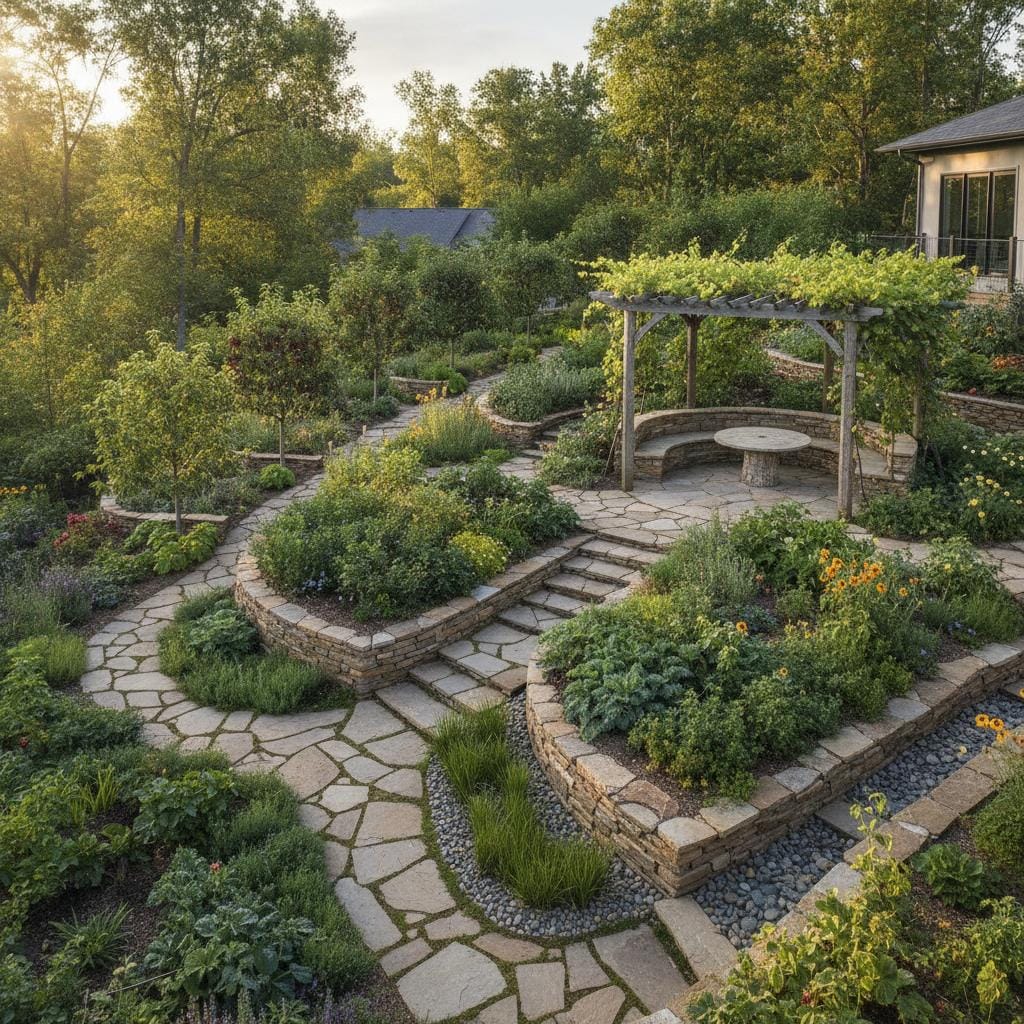
Successful front yard farms avoid the look of relocated backyard plots. They appear intentional and aligned with the home's architecture. Foodscaping mixes edible plants with ornamentals to maintain cohesion. The approach preserves flowers while introducing productive species in balanced proportions.
Use these techniques to achieve visual harmony:
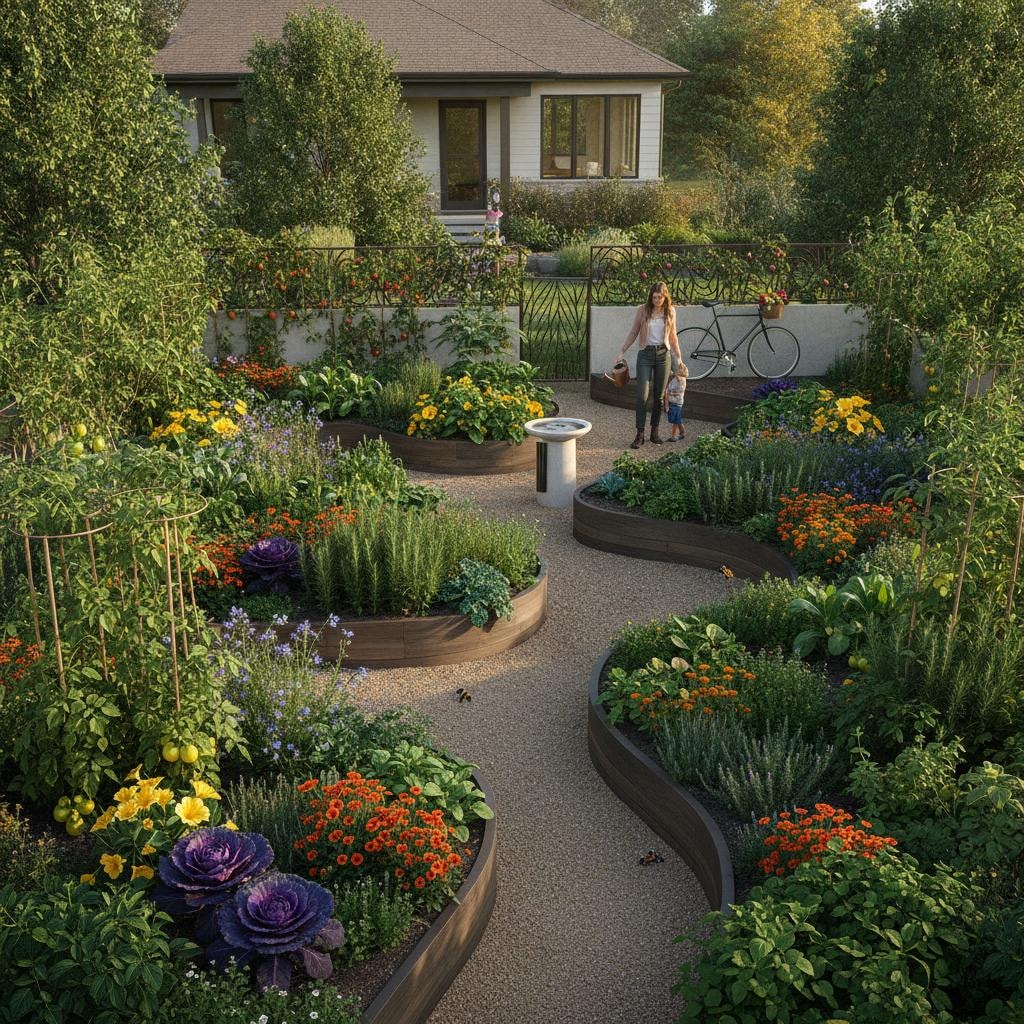
- Pair leafy greens with flowering herbs or marigolds to create texture contrast.
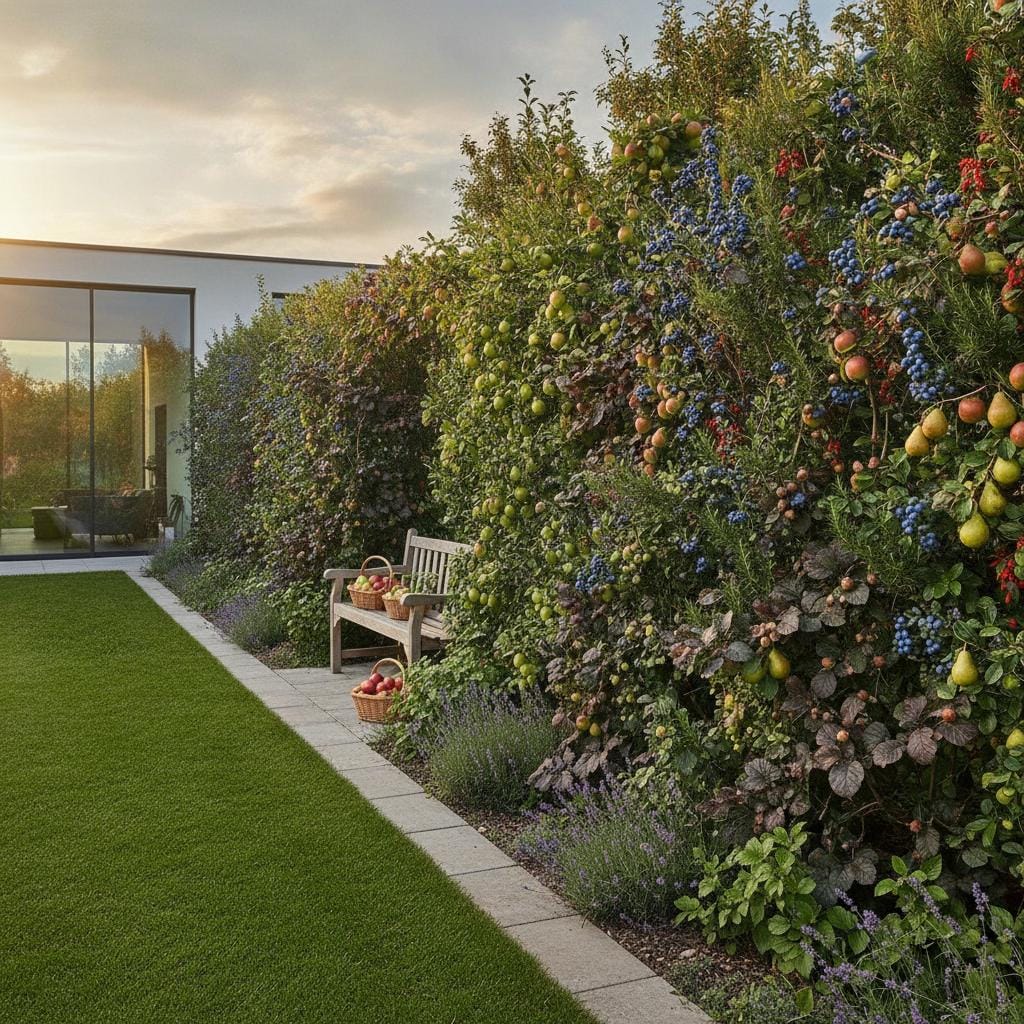
- Position taller fruit trees or trellised beans as structural anchors above mid-height shrubs such as blueberries.
- Repeat plant shapes and colors along borders to establish rhythm.
These steps draw from established landscape practices while adding edible function.
Selecting Attractive Edible Plants
Choose varieties that remain attractive for most of the growing season. Rainbow chard displays vivid stems. Artichokes form bold foliage. Strawberries cascade over edges. Compact herbs such as thyme and lavender provide fragrance and neat coverage between pathways.
Effective combinations for visible areas include:
- Low-growing oregano or creeping thyme along curbs to soften edges and release scent.
- Blueberries or currants for year-round structure and seasonal fruit.
- Nasturtiums and calendula for color that doubles as edible garnish.
- Trellised peas or beans to create living screens that permit airflow.
Planning for Daily Use and Maintenance
Paths must allow comfortable access for harvesting and care. Raised beds or clear borders contain soil and prevent spillover onto walkways. Group plants according to shared water and light requirements to simplify upkeep. Begin with one corner or bed to observe growth patterns and neighborhood response before expanding.
Building Community Through Visible Gardens
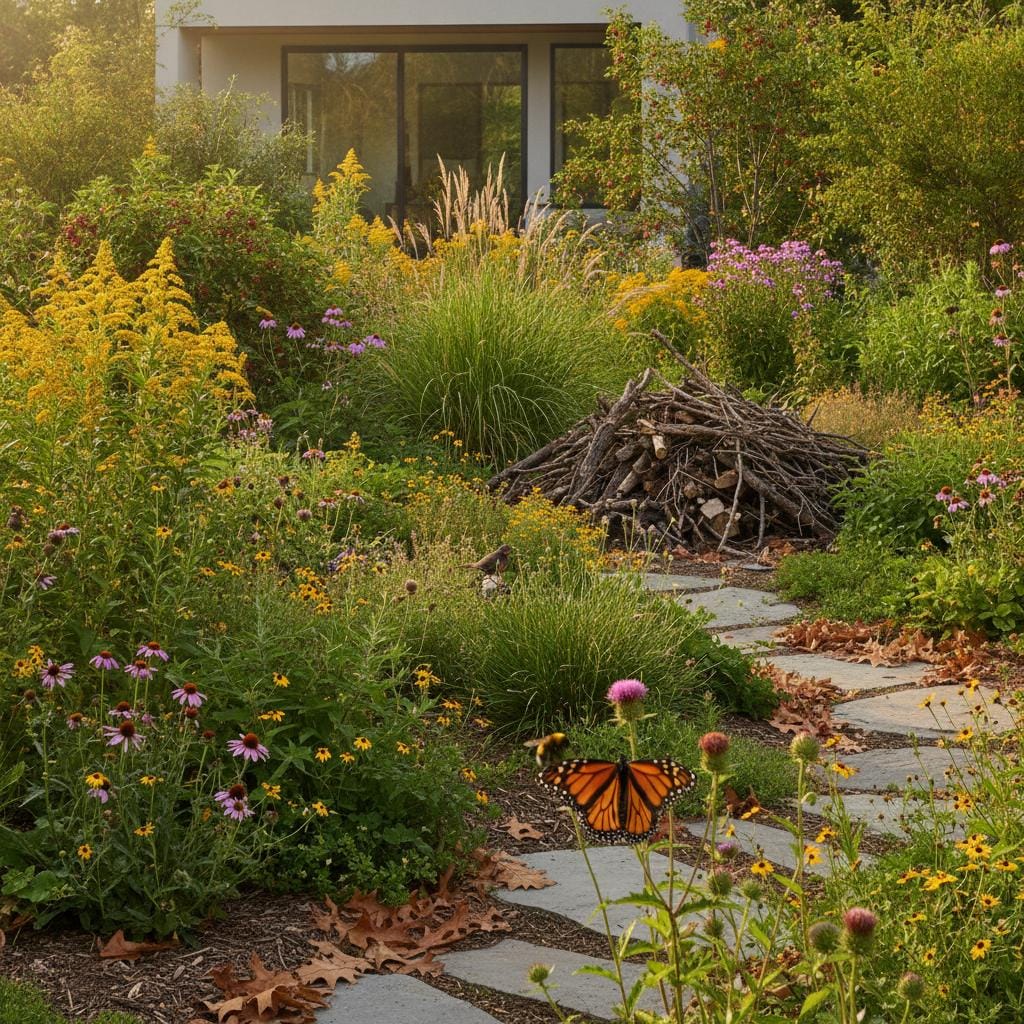
Growing food in front yards encourages interaction. Neighbors pause to inquire about ripening produce. Children observe pollinators at work. The visible process turns private gardening into shared neighborhood moments. Homeowners also gain satisfaction from tracking food sources and involving family members in the cycle from seed to table.
Aligning with Local Expectations
Neighborhood guidelines and homeowner associations often address front yard plantings. Review rules before installation. Designs that blend edibles with ornamentals typically meet both personal goals and community standards. Consistent maintenance reinforces the intentional appearance of the space.
Adapting the Garden Over Time
Ongoing care includes pruning, mulching, and soil renewal. Rotate crops to sustain visual interest. Some gardeners favor formal layouts with gravel paths. Others adopt relaxed cottage styles with mixed textures. The layout evolves to reflect individual preferences while remaining productive.
Starting Your Own Front Yard Transformation
Select a few plants that match your interests and site conditions. Strawberries or herbs near the entrance provide an immediate test. Observe changes in light, foot traffic, and seasonal appearance. Expand gradually while applying the layering and repetition principles already described. The result often becomes a daily source of fresh produce and neighborhood connection.