Rewild Your Yard: Embracing Nature's Design
A growing number of homeowners are rethinking what a yard should look like. The idea of a manicured lawn with trimmed edges and uniform flowers is giving way to something looser and more natural. Rewilding your yard means creating a space that works with nature instead of against it.
It is about restoring balance, welcoming native plants, and giving wildlife a place to thrive. The result is a yard that feels alive, requires less maintenance, and supports the environment around you.
What Rewilding Really Means
Rewilding in a residential setting is not about letting your yard turn into an overgrown field. It is a thoughtful approach that mimics natural ecosystems while still fitting your property. You choose native plants that belong in your region, allow natural layers of vegetation to develop, and reduce chemical use.
The goal is to create a habitat where birds, bees, butterflies, and small animals can live safely. This style of landscaping focuses on function as much as appearance. Instead of controlling every inch of space, you let nature guide the design.
Over time, your yard becomes more self-sustaining and less dependent on watering, fertilizing, or mowing.
Planning a Rewilded Landscape
Before you start digging or planting, it helps to have a clear plan. Rewilding works best when you understand your soil, sunlight, and drainage. Walk your property and take note of what grows naturally.
This will help you decide which areas are best suited for grass, shrubs, or trees. Think about how you use your yard. You might want one part of the space for sitting or outdoor dining, and another part left more natural.
Key planning steps
- Assess your site. Identify wet or dry spots, shaded areas, and wind exposure.
- Choose native plants. Select species adapted to your region's climate and soil.
- Plan for diversity. Include trees, shrubs, perennials, and ground covers to support various wildlife.
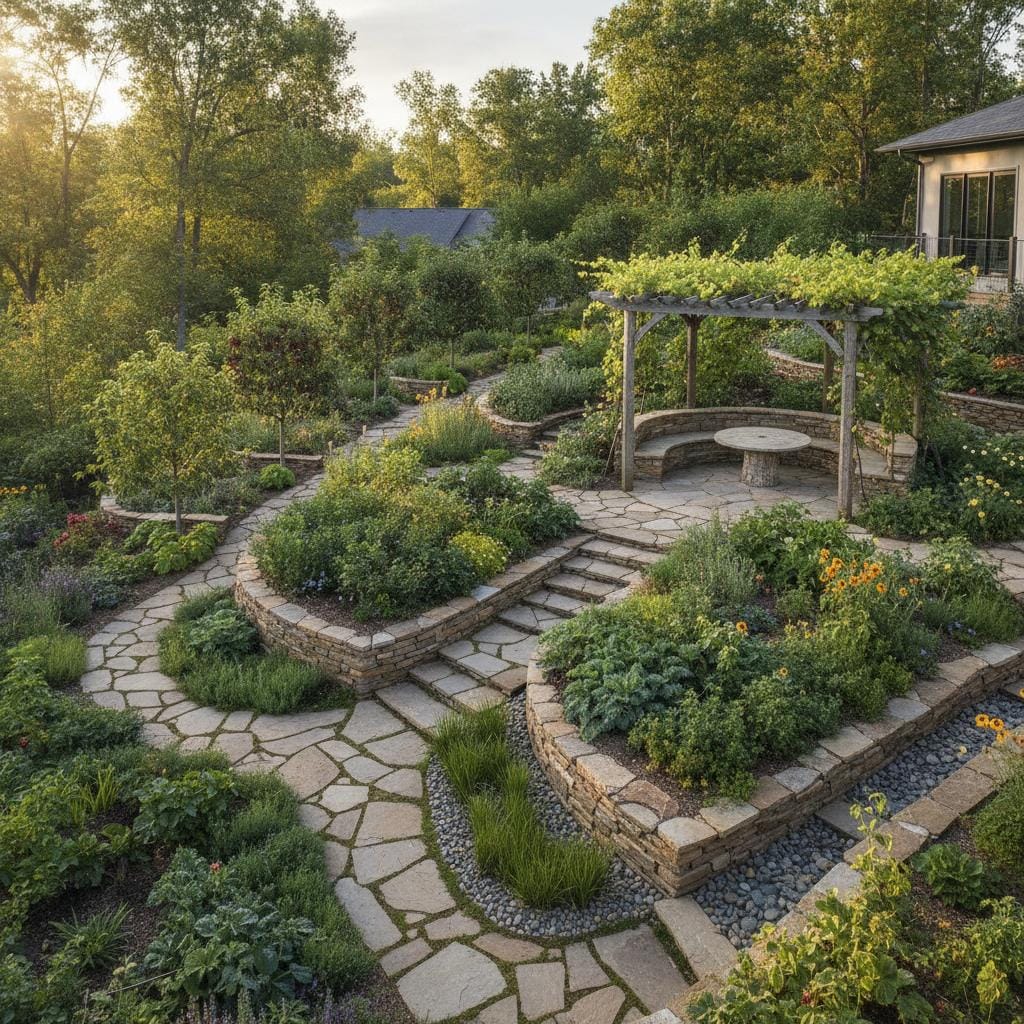
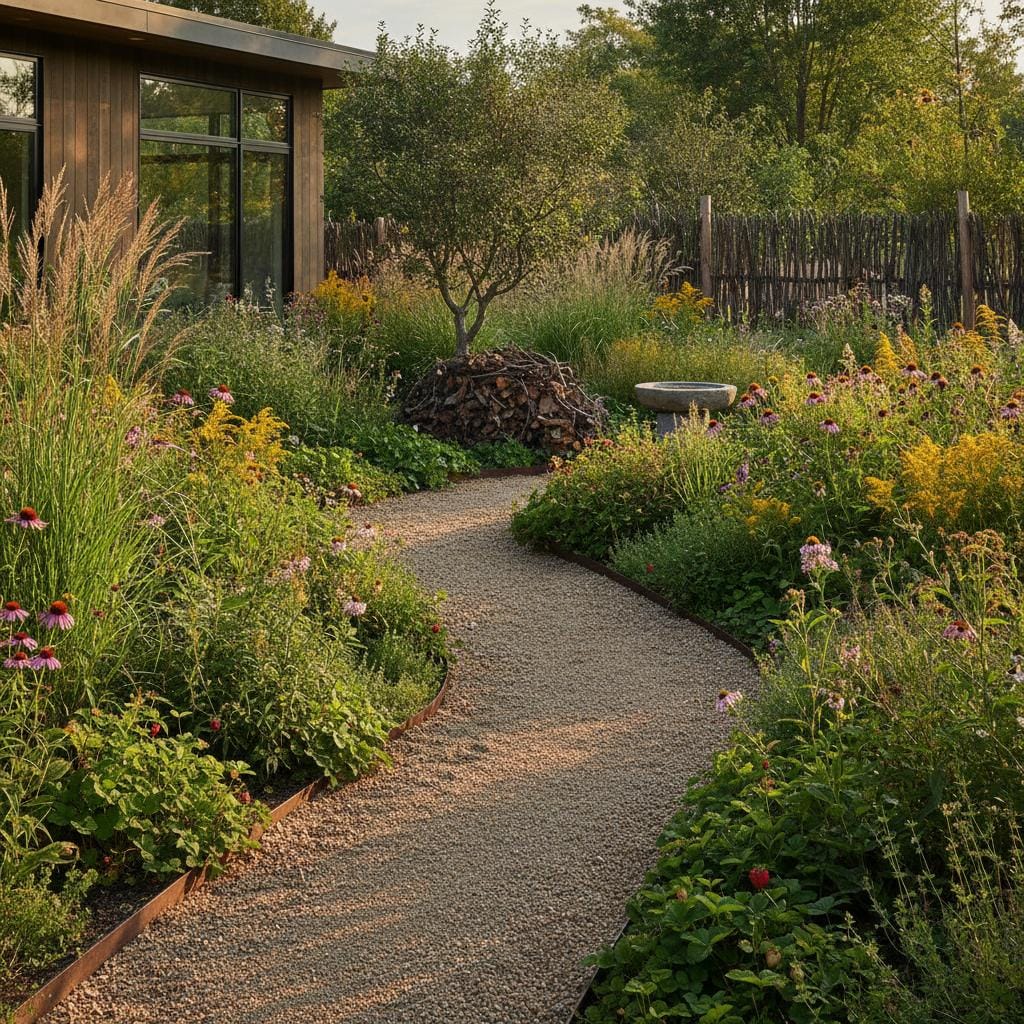
- Design pathways and edges. Natural borders, like stone or mulch paths, keep the space tidy and walkable.
- Set realistic goals. Start small with one section of your yard and expand each season.
Choosing the Right Plants
Native plants are the foundation of any rewilded landscape. They require less watering once established and resist local pests naturally. They also provide food and shelter for pollinators and birds that have evolved alongside them.
When selecting plants, focus on variety. Different heights, colors, and bloom times create visual interest and ecological balance. For example, tall grasses like switchgrass or little bluestem mix well with flowering plants such as coneflower, black-eyed Susan, or milkweed.
Shrubs like serviceberry or viburnum can add structure and support nesting birds.
Tips for plant selection
- Mix sun-loving and shade-tolerant plants according to your yard conditions.
- Use native ground covers to reduce weeds and protect soil moisture.
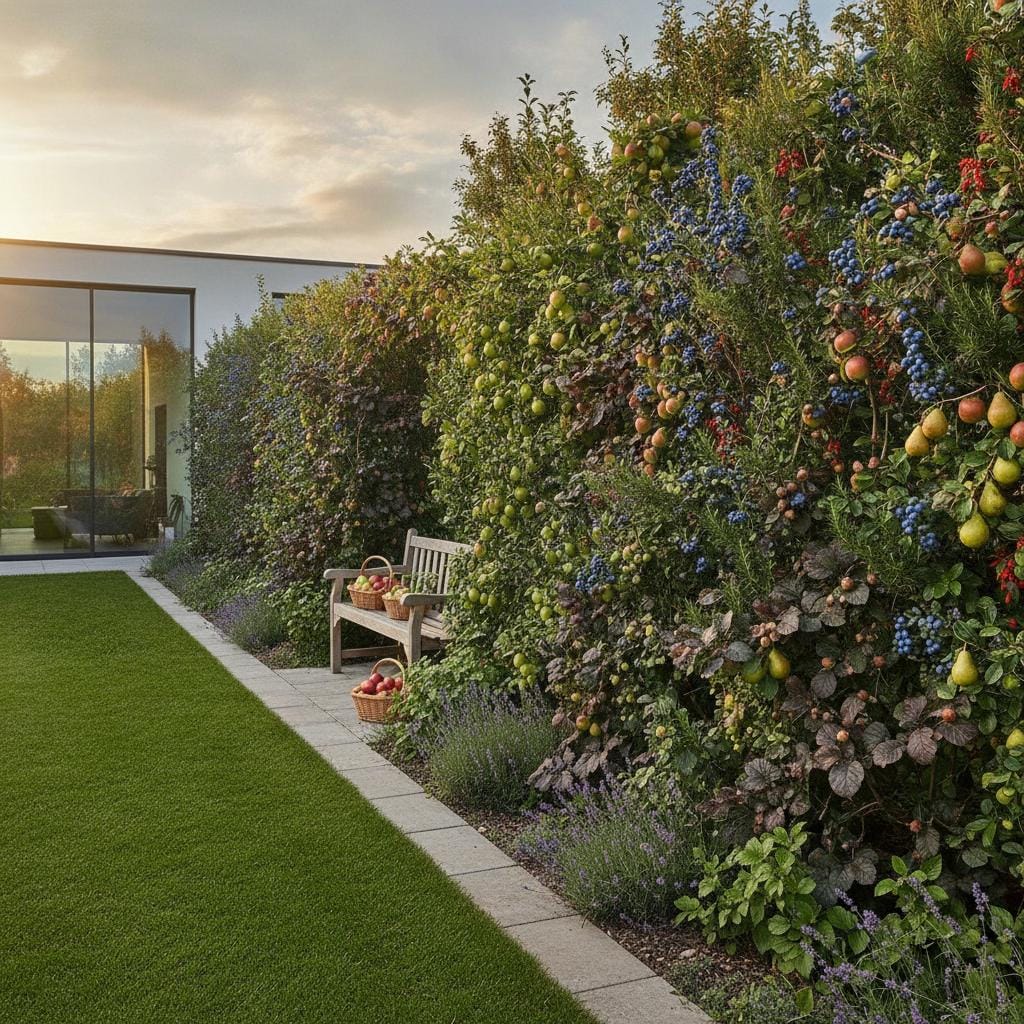
- Add a few fruit-bearing shrubs to attract wildlife.
- Avoid invasive species that spread aggressively and crowd out native plants.
Building a Habitat
A rewilded yard is more than just plants. It is a living system that includes water, shelter, and food sources. Small changes can make a big difference for local wildlife.
Elements to include
- Water sources: A shallow birdbath, small pond, or even a rain garden can support frogs, birds, and insects.
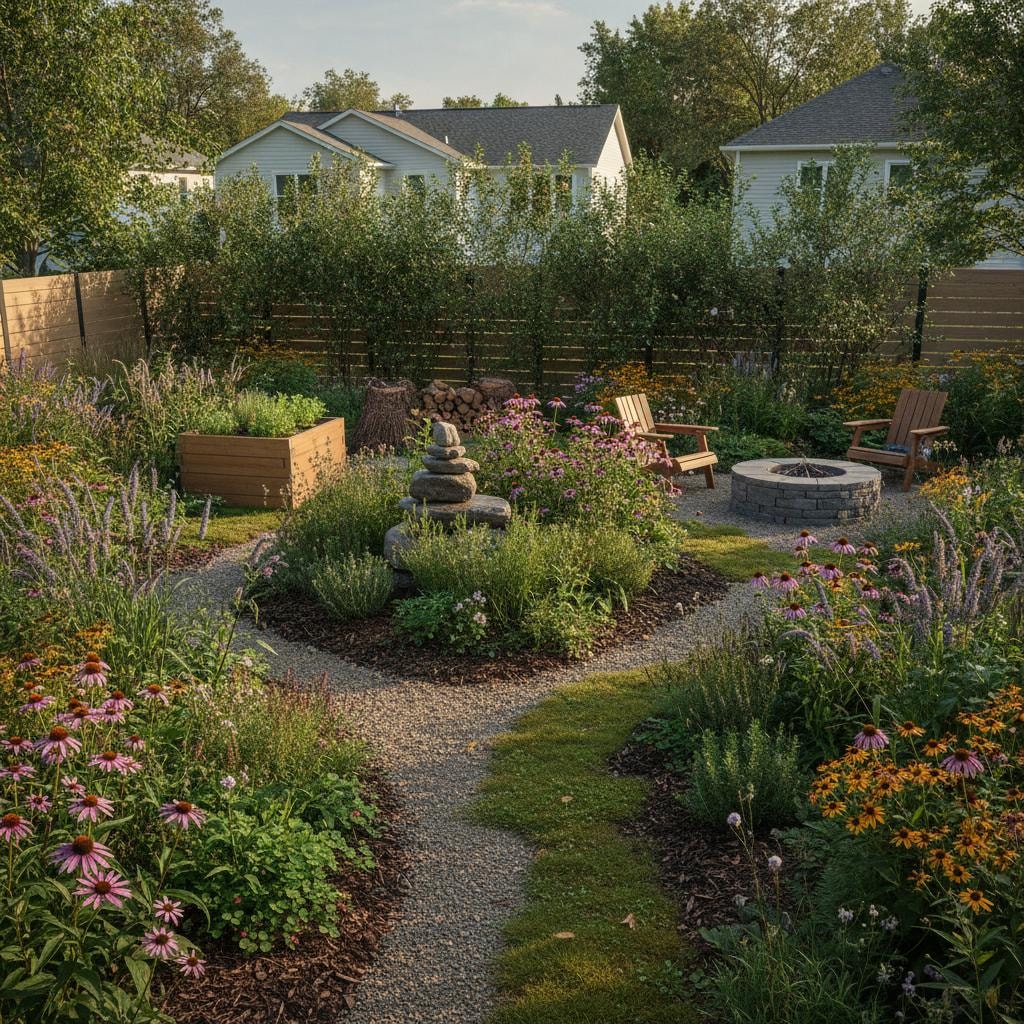
- Shelter: Brush piles, rock clusters, or hollow logs create safe spaces for small creatures.
- Pollinator zones: Group flowering plants together to make it easier for bees and butterflies to feed.
- Leaf litter: Allow some leaves to stay on the ground. They feed the soil and provide winter shelter for insects.
Creating these features gives your yard a layered, natural feel that changes with the seasons. It also reduces the need for fertilizers and pesticides since the ecosystem starts balancing itself.
The Cost of Rewilding
Rewilding can be affordable if you plan carefully. The cost depends on the size of your yard, the type of plants, and how much work you do yourself. Native seeds are far cheaper than nursery-grown plants, so starting from seed can save money.
Expect to spend anywhere from a few hundred to a few thousand dollars for plant materials, mulch, and soil amendments. Labor costs vary if you hire help for clearing or planting. You might pay more upfront to install native plants, but the long-term savings are significant.
A rewilded yard needs less mowing, watering, and fertilizing, which lowers utility bills and upkeep costs over time.
Maintenance and Timeframe
Rewilding is not instant. It takes patience for the landscape to settle and fill in. The first season often looks sparse, but by the second or third year, plants begin to mature and spread naturally.
Typical timeline
- First season: Prepare the soil, remove turf, and install initial plantings.
- Second season: Plants start growing deeper roots, and wildlife begins to appear.
- Third season and beyond: The space stabilizes with less weeding and watering needed.
Maintenance mostly involves removing invasive weeds, trimming paths, and occasionally dividing plants. You can leave seed heads and dried grasses through the colder months, which adds winter interest and provides food for birds.
Benefits Beyond Beauty
A rewilded yard offers more than visual appeal. It supports biodiversity and helps restore natural cycles in your area. Native plants absorb rainwater, filter runoff, and improve soil health.
This reduces flooding and erosion while keeping local waterways cleaner. You also save time. Without weekly mowing or chemical treatments, you can spend more hours enjoying your yard instead of working on it.
Rewilding can even increase property value, since many buyers appreciate sustainable landscaping that lowers long-term costs. There is also a mental benefit. Spending time in a yard filled with life feels more peaceful than maintaining a lifeless lawn.
The sound of birds, the movement of grasses, and the scent of wildflowers create a calm atmosphere that fosters a deeper connection to nature.
Common Challenges
Rewilding has a learning curve. You might face skepticism from neighbors who prefer tidy lawns. Communication helps. Explain that your yard is designed to support local ecosystems, not to be neglected.
You can also keep edges neat and include clear pathways to show intentional design. Weeds can be another challenge. Early on, you will need to monitor aggressive species and remove them before they spread.
Mulching around young plants helps reduce unwanted growth. Over time, native plants will crowd out most weeds naturally.
If you live in an area with strict homeowner association rules, check landscaping guidelines before making major changes. You can still apply rewilding principles in smaller ways, such as planting native flower beds or creating a pollinator strip along your fence.
Making It Happen
Rewilding your yard is a process of observation and adjustment. Start small and let nature guide your decisions. Watch how water flows across your property and how sunlight shifts during the day.
These details help you place plants where they will thrive with minimal care. If you are unsure where to begin, visit local nature centers or botanical gardens to see which plants grow naturally in your region.
Many garden centers now offer native plant sections and can suggest combinations suited to your soil type and sunlight levels. Once you begin, the transformation is rewarding.
Your yard becomes part of a larger network of habitats that support pollinators, birds, and beneficial insects. You spend less time maintaining and more time enjoying.