Discover Why Rewilding Is the Future of Low-Maintenance Yards
Have you ever looked at your yard and felt a mix of nostalgia and fatigue? The mowing, trimming, watering, and pruning can turn what should be a sanctuary into another chore. Rewilding offers a different path.
This method invites you to step back and let natural systems lead. It replaces constant control with a partnership that feels peaceful and sustainable.
Understanding What Rewilding Really Means
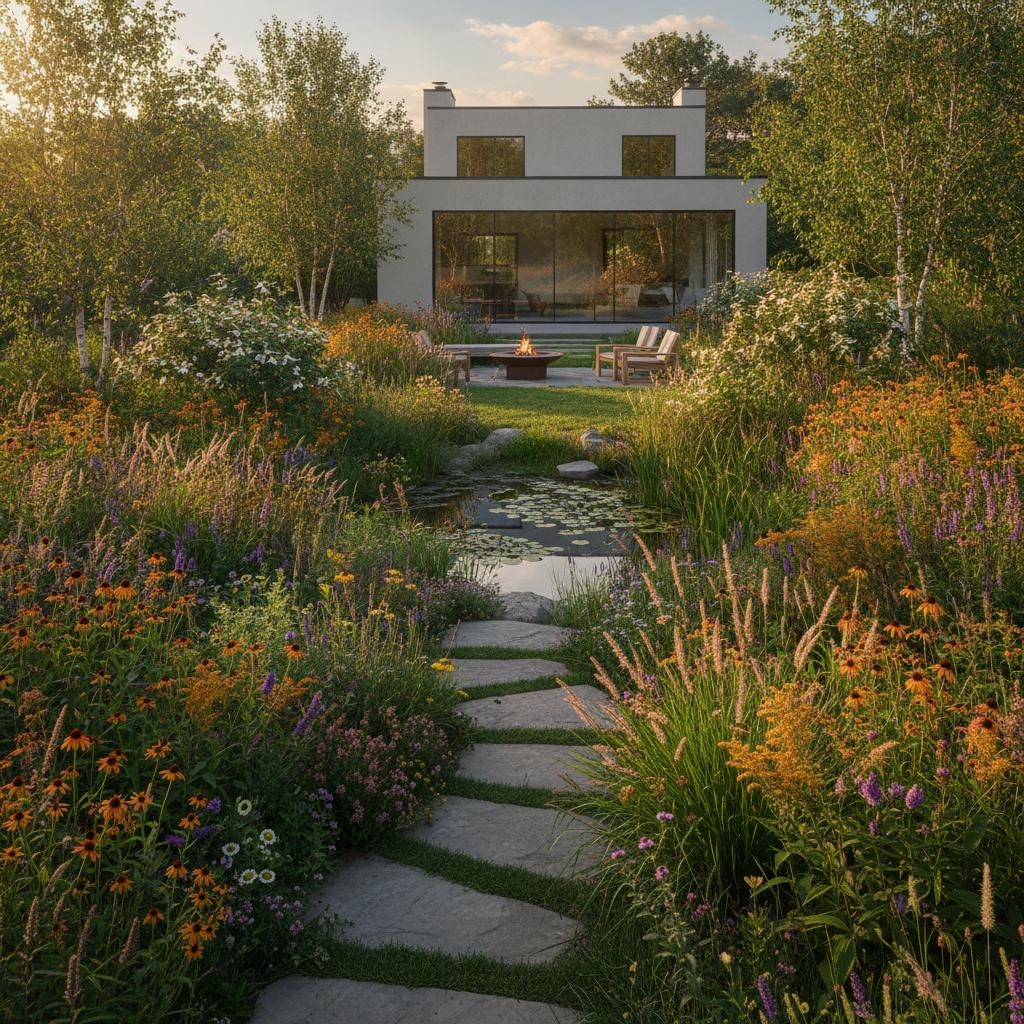
Rewilding means allowing your outdoor space to return partially to a natural state. It involves using native plants, encouraging habitats, and creating conditions where wildlife flourishes without constant intervention.
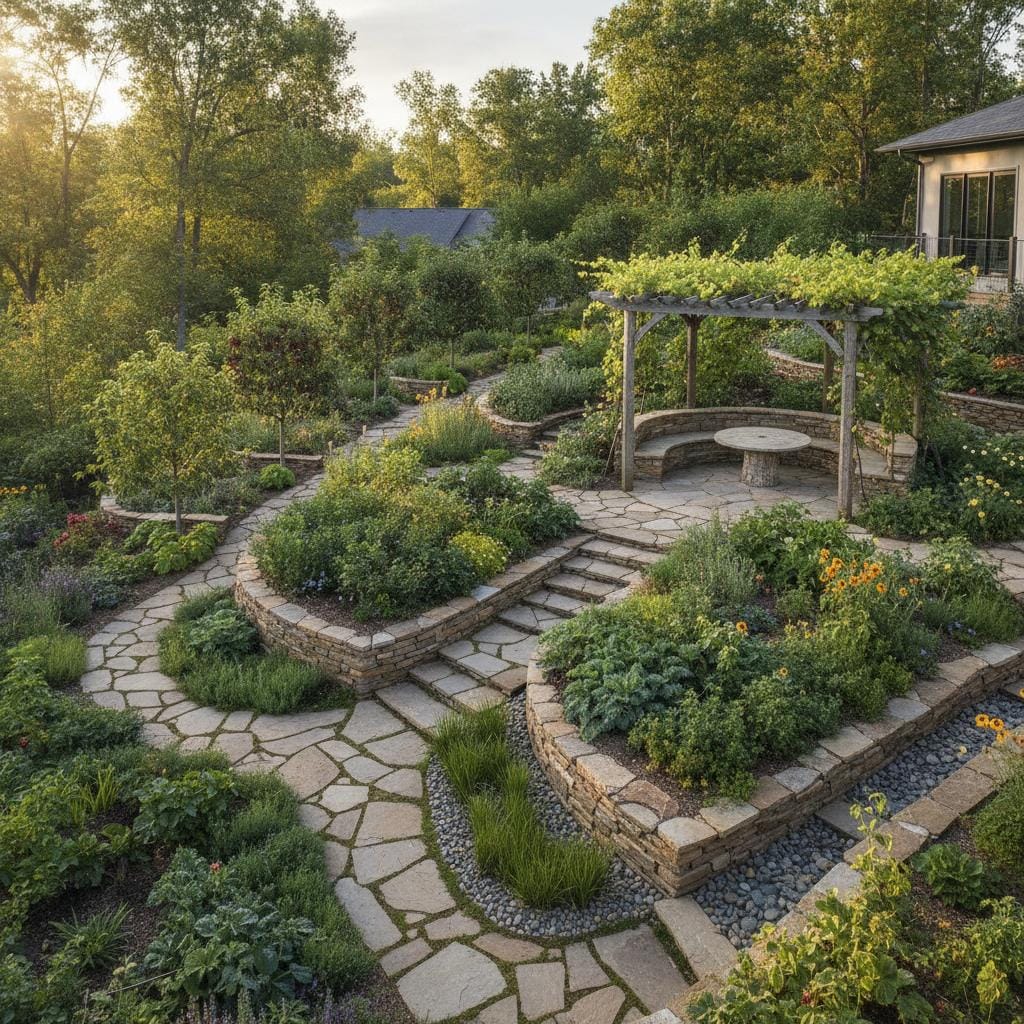
You still apply structure and intention. Instead of forcing a perfect lawn, you build a living environment that balances beauty and function. Even a small suburban yard can become a thriving ecosystem.
Why Traditional Yards Demand So Much Effort
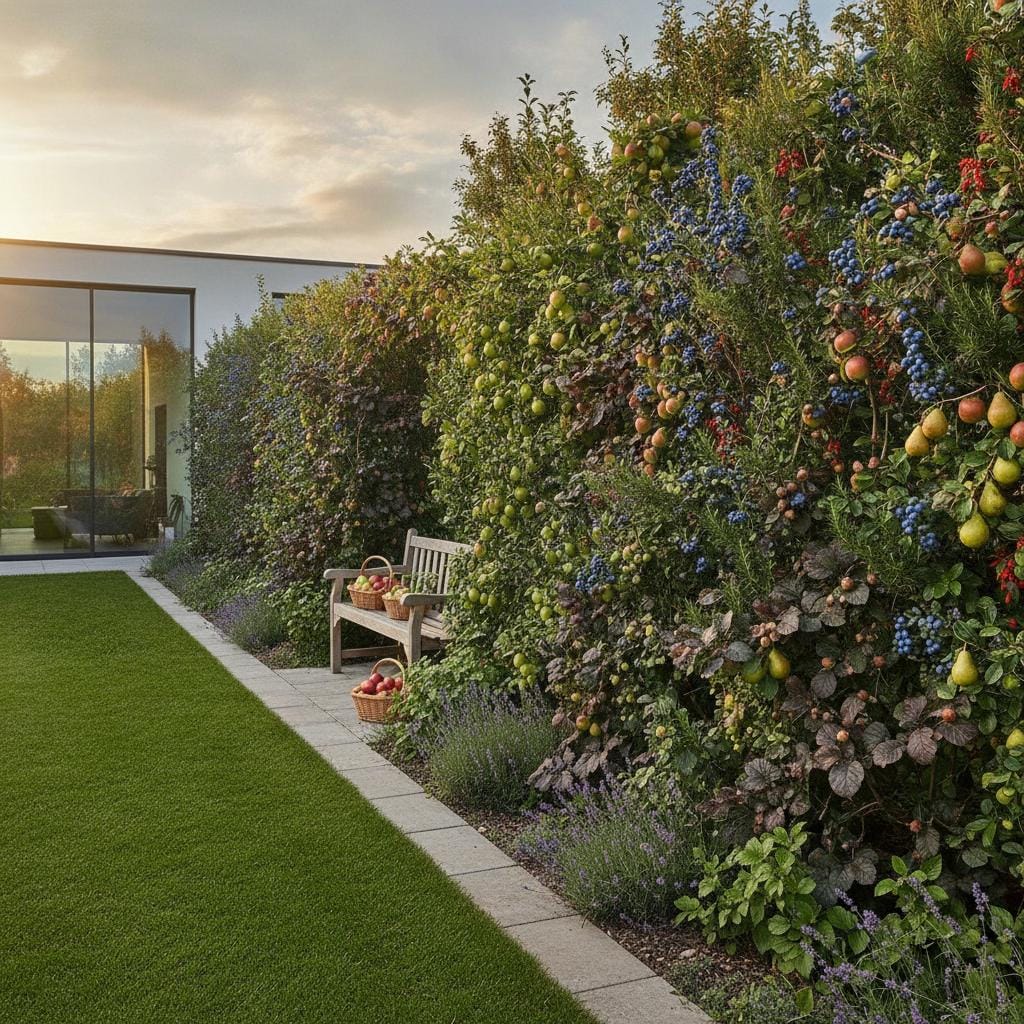
Many homeowners aim for a smooth green lawn with trimmed borders. This image requires frequent mowing, watering, fertilizing, and pest control. Monoculture lawns depend on human care because they lack natural resilience.
Such spaces offer little support for pollinators or birds. Rewilding replaces these habits with a landscape that maintains itself over time.
Starting with Observation
Observe your yard before any changes. Note sun exposure, water drainage, and existing plants. Identify areas that resist traditional upkeep.
These observations reveal the best starting points. Challenging spots for lawns often suit natural growth well.
Planning Your Rewilded Yard
Begin in stages rather than overhauling the entire space. Select one border or corner to let nature express itself. Decide on goals such as attracting pollinators or reducing watering needs.
Choose native plants adapted to local conditions. Mix heights and textures with shrubs, wildflowers, and grasses to create layered interest across seasons.
Taking Action: First Steps Toward Rewilding
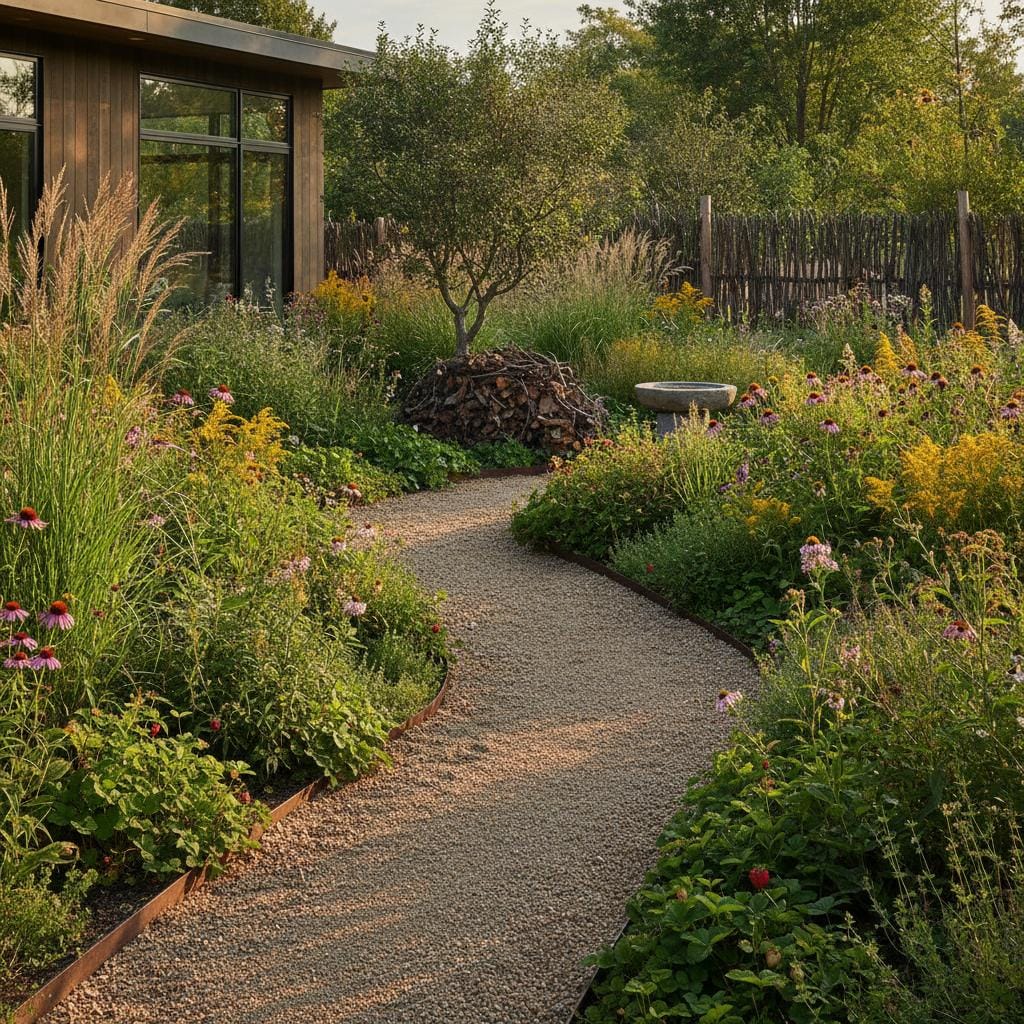
Replace a section of lawn with native groundcovers. Add logs or rocks for insect shelter. Thin invasive plants gradually while introducing natives.
Apply leaf or wood chip mulch to retain moisture. Install a shallow birdbath to support wildlife. Work with existing elements to protect soil health.
Embracing Imperfection
Rewilding teaches appreciation for uneven growth and natural surprises. The space looks alive rather than uniform. Each plant contributes to shade, pollination, or soil enrichment.
Maintenance shifts toward observation and light guidance. Tasks include seasonal pruning and removal of aggressive species.
The Hidden Benefits of Rewilding
Reduced mowing and chemicals protect soil and create safer spaces for families. Diverse roots aerate the ground and lessen fertilizer needs. Pollinators and birds return as the ecosystem strengthens.
Managing Expectations and Boundaries
Transformation occurs gradually over months. During establishment, weed as needed while natives settle. Frame wild areas with mowed paths or low edging to show care.
Maintaining Your Rewilded Space
Act as a caretaker by checking plants seasonally. Collect seeds from thriving specimens and trim grasses in late winter. Monitor water features during dry periods.
Seasonal Adjustments
In spring, add new natives and scatter seeds. Allow full growth in summer to shade soil. Leave seeds and stems in autumn for wildlife. Keep structure intact through winter for overwintering insects.
Watching Your Garden Thrive
Patterns emerge over time as birds nest and butterflies follow consistent routes. Soil improves and plants gain resilience. Share observations with neighbors to encourage wider adoption.
Moving Forward with Rewilding
Start with one small area and observe what develops. Your yard becomes self-sustaining through trust in natural processes. Each protected patch contributes to local balance and abundance.