Living Mycelium Pavers Revolutionize Modern Hardscaping
Many homeowners notice that concrete paths and patios create a rigid separation from surrounding plants. Living mycelium pavers address this issue by forming a breathable surface that supports soil health and plant growth. These pavers replace mined stone or cement with a material grown from fungi and agricultural waste.
Understanding Mycelium and Its Hidden Strength
Mycelium forms the root network of fungi and binds organic particles into a dense matrix. Growers fill molds with sawdust or straw mixed with fungal spores. The mixture colonizes for several days and then dries into lightweight blocks that tolerate moisture yet resist cracking.
This growth process stores carbon rather than releasing it during manufacture. The finished pavers remain biodegradable and integrate with soil organisms once installed.
Assessing Your Outdoor Space Before You Begin
Walk the site during rainfall to observe water flow and low spots. Note areas where existing hard surfaces shed water onto planting beds. These observations identify locations where mycelium pavers can improve drainage without additional grading.
Decide whether the path should feel soft underfoot or serve as a firm seating area. That decision guides spacing between units and the choice of ground covers to place in the joints.
Planning for a Living Material
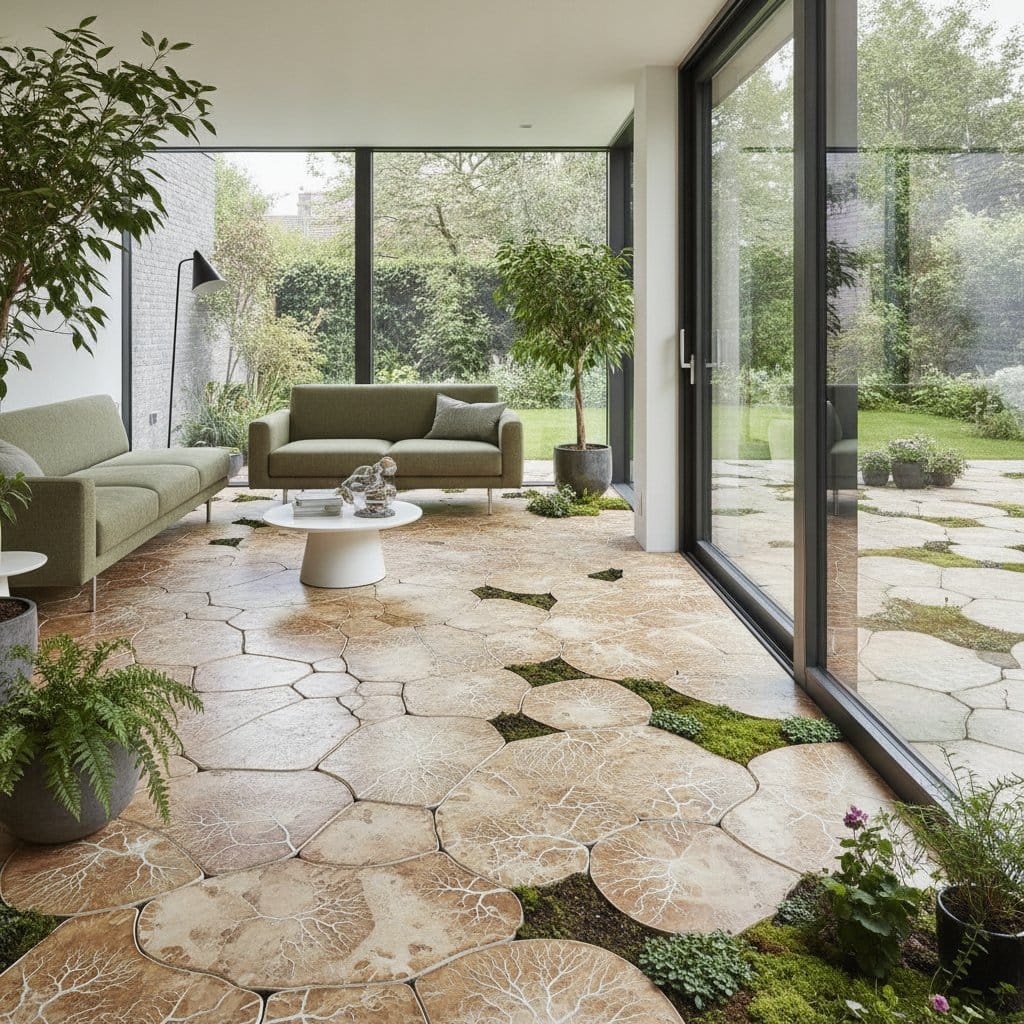
Prepare a base of compacted gravel four inches deep to provide drainage and stability. Lay the pavers with quarter inch gaps so rainwater reaches the soil beneath. Avoid polymeric sand or sealants that block air exchange.
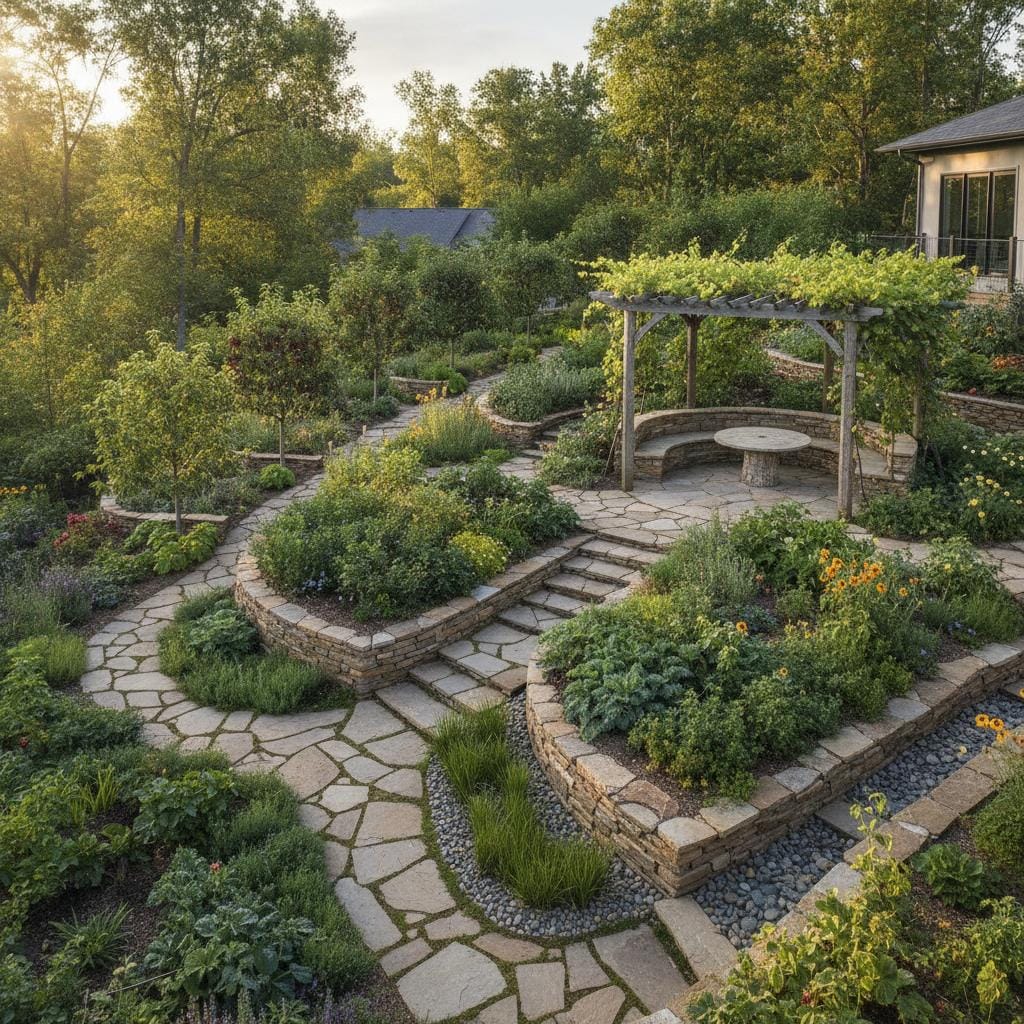
Curve paths around existing trees or beds instead of cutting straight lines through them. Small adjustments during layout reduce future root conflicts and preserve soil moisture patterns.
Bringing the Idea to Life
Position pre grown pavers directly on the prepared base and tap them level with a rubber mallet. Sweep a thin layer of sand into the joints to hold the units while still allowing moisture movement. Water the surrounding soil lightly after installation to encourage integration.
Over the first season the surface may develop a light patina as mycelium responds to local humidity. This change indicates active biology rather than wear.
Caring for Living Mycelium Pavers
Sweep leaves and debris monthly to prevent moisture buildup on the surface. Check drainage channels after heavy storms and clear any blockages with a garden hose. Replace individual units that soften by lifting them out and setting new pavers in the same spot.
Apply no chemical cleaners or coatings. The material composts at the end of its service life and returns nutrients to the soil.
The Deeper Value of Growing with Nature
Mycelium pavers moderate ground temperature and support microbial life beneath the surface. They accept natural pigments during growth so designers can match local stone tones without added coatings. Custom molds allow curved or patterned layouts that follow garden contours.
Observing Seasonal Changes in Your Landscape
Moss and low growing herbs establish along the joints within two seasons. Seedlings appear in the gaps and add seasonal color without extra planting. Track these developments each spring to decide whether additional gaps or edging adjustments will improve performance.