Living Stone Walls Blend Structure With Nature
I remember standing in a shaded garden where an old stone wall had softened under a quiet layer of moss. The stones were cool and damp to the touch. The green spread between them like a slow breath. That memory returns often when I think about living stone walls.
Understanding the Concept
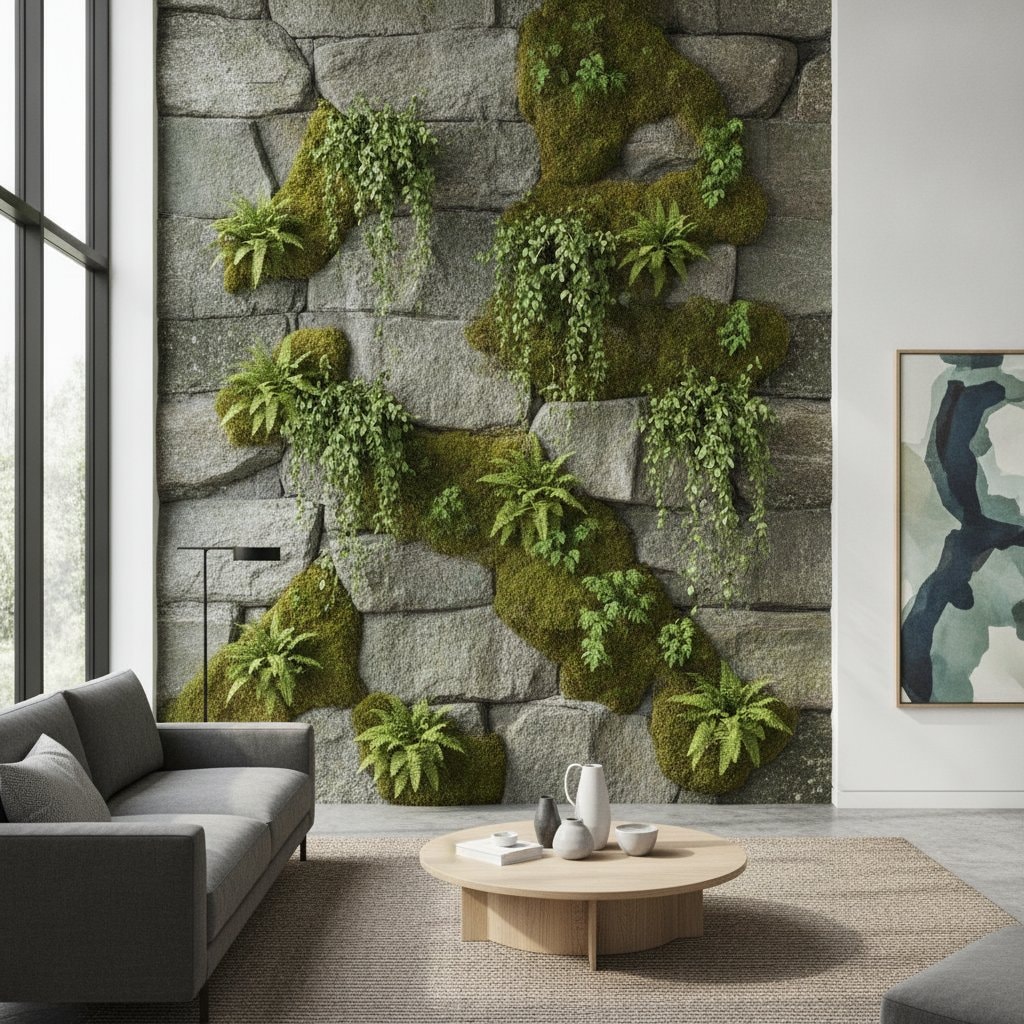
A living stone wall blends the permanence of stone with the softness of living plants. It respects both nature and structure. This approach draws on an old instinct to let nature share spaces rather than compete with them. Mosses, ferns, and creeping plants find a foothold in crevices. They turn what could be a cold barrier into a textural, breathing surface.
Biophilic design encourages a deeper connection between people and natural materials. When a wall grows and changes with the seasons, it offers a sense of calm and continuity. Plain concrete or brick cannot replicate this effect.
Selecting Appropriate Stones and Plants
The foundation begins with the stone itself. Rough, porous stones like limestone, sandstone, or granite hold moisture well. They create the right conditions for plant life. Smooth or sealed surfaces will not allow moss or small roots to attach easily.
Moss is often the easiest and most forgiving choice for planting. It thrives in shade, needs little soil, and requires minimal maintenance beyond occasional misting. Other good options include creeping thyme, sedums, or small ferns for damp corners. In partial sunlight, trailing plants such as ivy or creeping Jenny can spill over edges in soft cascades.
Construction Techniques for Durability
A living wall works best when designed for airflow and moisture balance. Mortar joints can be left slightly open to create pockets for planting. In some cases, a thin layer of soil or compost can be tucked between stones. Moss often needs only water and light to establish.
Consider these practical steps to begin:
- Start with a short section of wall to experiment before committing to a full structure.
- Mist regularly during the first few weeks to help plants take hold.
- Observe how growth develops to reveal where light and water patterns are strongest.
Over time, mosses will thicken. Roots will find their way deeper into tiny cracks. This creates a stable, natural system that looks like it has always belonged.
Achieving Visual Harmony
The beauty lies in contrasts. Smooth stone meets soft greenery. Structure meets time. A modern garden might use dark basalt paired with fine moss for a minimalist look. A cottage-style garden can welcome rough limestone covered in a patchwork of greens.
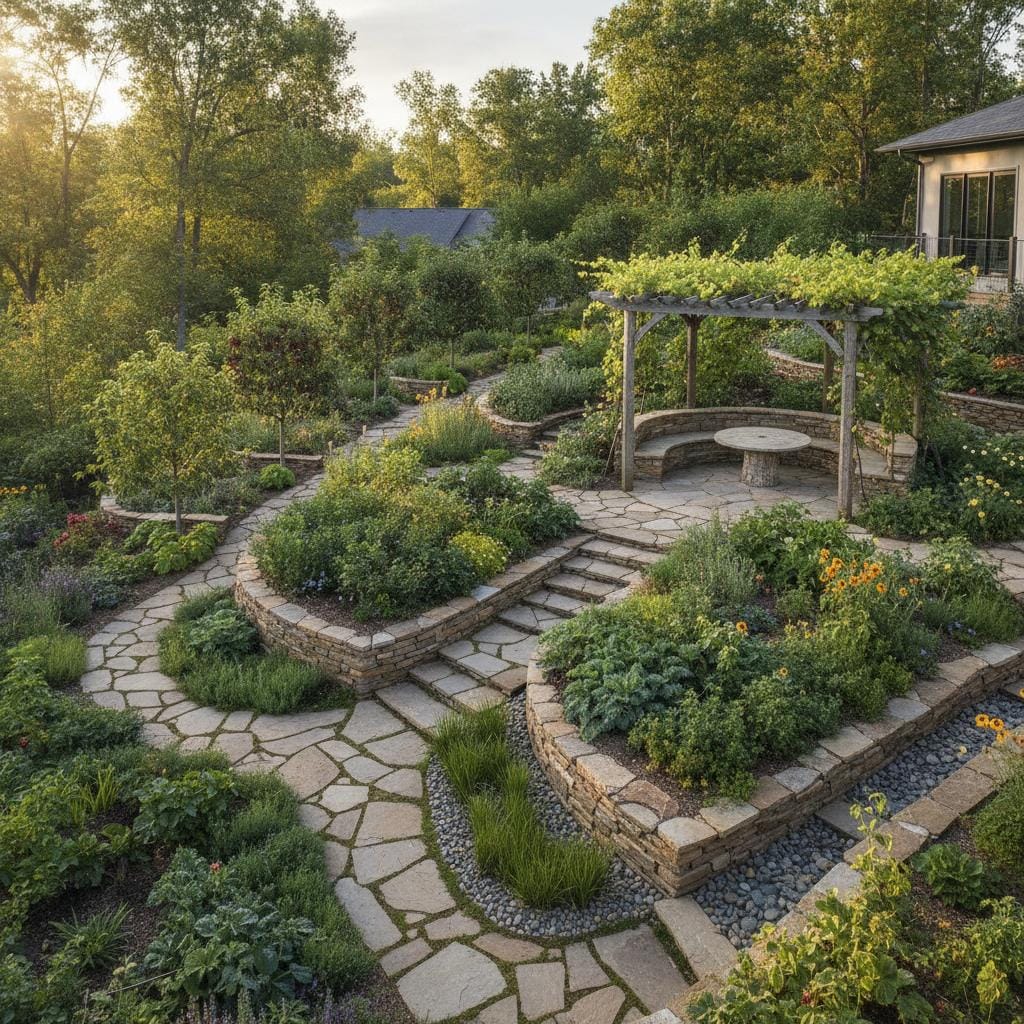
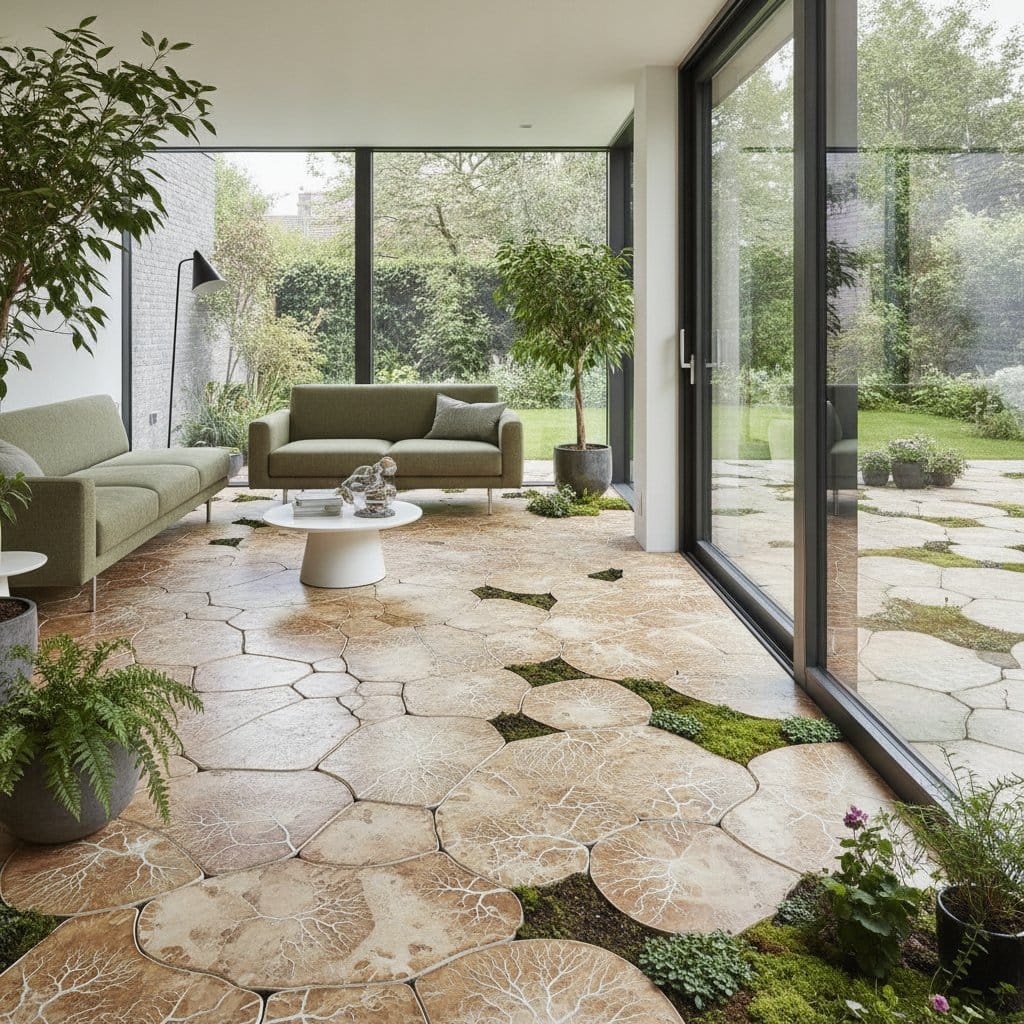
Repeating materials and textures elsewhere in the garden helps tie the wall into its surroundings. A matching stone pathway or a low planter with similar vegetation can create harmony.
Creating Enduring Garden Features
A living stone wall evolves over time. The moss thickens, new growth appears, and tiny bits of life settle in. Watching that slow transformation becomes part of the pleasure. It teaches patience and rewards gentle care. For homeowners drawn to natural textures, this approach turns a boundary into a living feature that nurtures both the garden and the people who spend time in it.