Transform Your Home with Indoor and Outdoor Living Walls
Many homeowners seek a deeper connection to nature without adding clutter from numerous potted plants. A living wall offers a solution by turning vertical surfaces into thriving displays of greenery. This approach brings calm and freshness into kitchens, living areas, or patios while maintaining an uncluttered feel.
Understanding Vertical Garden Structures
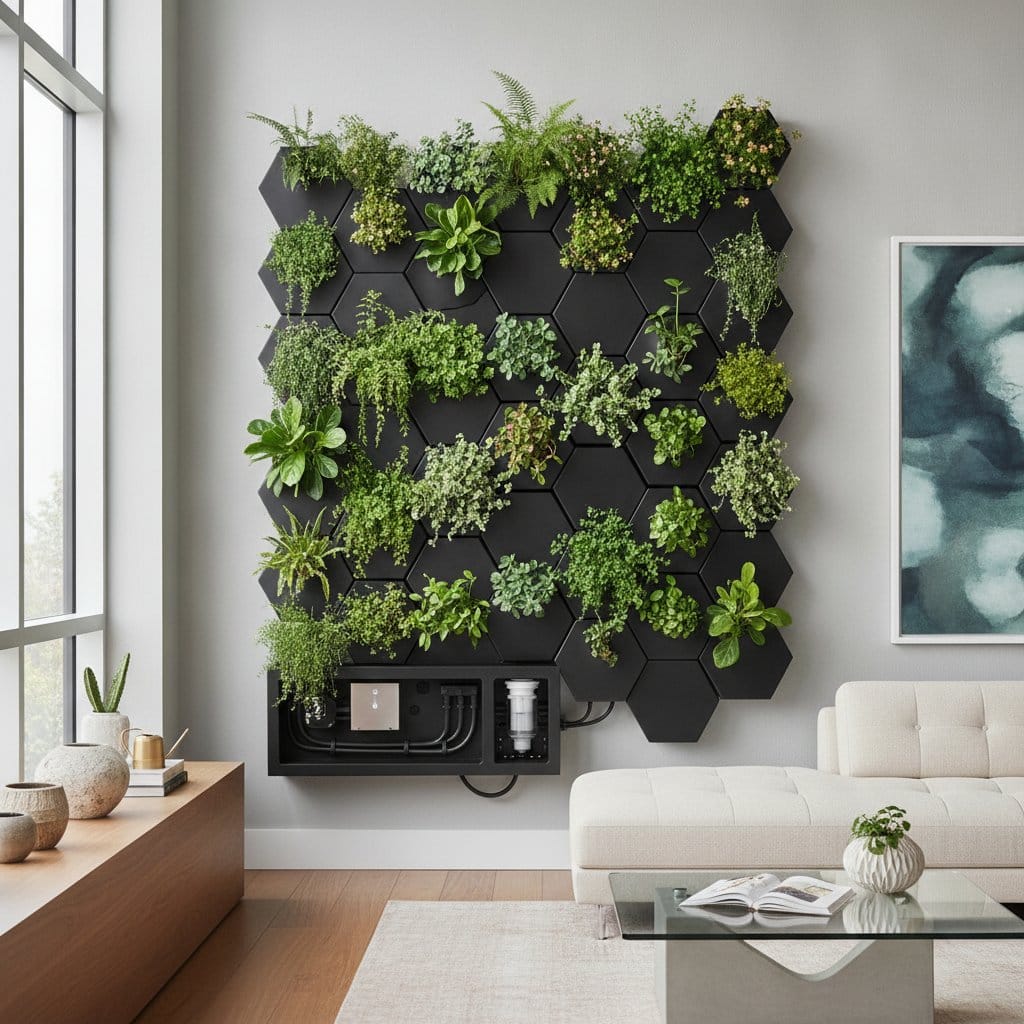
A living wall consists of plants grown on panels or pockets mounted to a wall or frame. The design turns flat surfaces into dynamic displays that draw the eye upward. Even small rooms gain a sense of openness and vitality from this upward growth.
Beyond appearance, living walls improve air quality, dampen sound, and help stabilize room temperatures. The presence of such greenery changes the atmosphere, making spaces feel fresher and more conducive to focus.
Evaluating Light and Environmental Conditions
Study the patterns of natural light in the intended location across different times of day. Note humidity levels and airflow as well. Plants selected for bright exposures, such as philodendrons or pothos, perform well in sunlit rooms. Ferns and peace lilies suit areas with softer, indirect light.
For outdoor placements, assess direct sun exposure along with wind and rainfall patterns. Choose a site that allows steady growth rather than one that requires constant intervention.
Selecting a Suitable System Type
Two primary systems exist for living walls. Soil-based versions use pockets or panels filled with growing medium, offering straightforward setup and maintenance. Hydroponic versions circulate water and nutrients, supporting quicker growth with reduced soil mess after installation.
Position the wall to complement daily activities. An herb wall near a kitchen window supplies fresh ingredients. A bathroom installation supports moisture-tolerant plants. Patio versions add privacy and soften architectural lines.
Selecting Compatible Plant Varieties
Combine plants with matching light and water requirements to simplify care. Include trailing types such as ivy to soften edges, upright forms like snake plants for structure, and flowering options for added color. Reliable choices include philodendron for trailing coverage, spider plants for air purification, ferns for shaded texture, succulents for dry bright spots, and culinary herbs for edible interest.
Avoid overcrowding so each plant has room to establish roots and receive adequate airflow.
Setting Up and Establishing the Wall
Small indoor walls can use modular panels or hanging fabric pockets. Outdoor installations typically require a secure frame attached to a stable surface. Confirm that the supporting wall can bear the added weight and moisture.
Water newly planted walls lightly and regularly. A drip irrigation system helps maintain consistent moisture for larger installations. Monitor plants closely during the first weeks, removing dead foliage and adjusting positions as needed.
Maintaining Long-Term Health and Appearance
Ongoing care includes regular watering, pruning, and application of balanced fertilizer. Remove spent leaves and control overgrowth to preserve shape and air circulation. Indoor walls benefit from added humidity during dry periods through occasional misting. Outdoor walls require seasonal plant replacements to sustain visual interest year-round.
Creating Visual Continuity Across Spaces
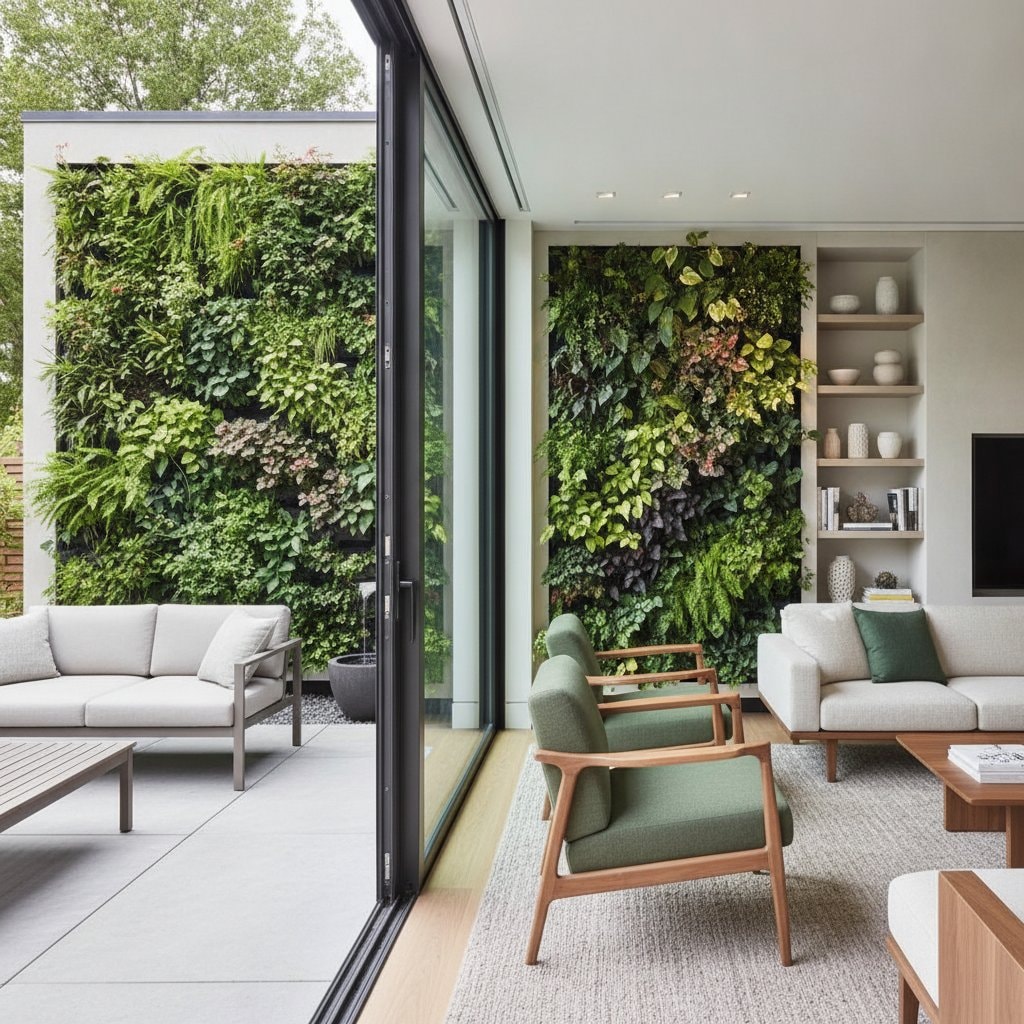
Repeating plant selections or color themes between indoor and outdoor walls unifies the overall environment. Large windows strengthen this connection by allowing the greenery to appear continuous. Extending a design from an interior wall to a balcony or patio produces a rhythmic, grounded feeling throughout the property.
Observing Long-Term Development
Over successive weeks the wall settles into its own growth patterns. Some plants establish rapidly while others develop more gradually. Adjust watering and care routines in response to shifts in light or temperature. This ongoing observation builds a practical understanding of the plants and their needs.