Mycelium Pavers Revolutionize Eco Hardscaping
The landscape of hardscaping evolves rapidly as innovative materials integrate biological processes with contemporary aesthetics. Among the most promising advancements stand mycelium pavers, derived from the root-like filaments of fungi. These bio-engineered blocks present a viable substitute for conventional concrete and stone, delivering lightness, renewability, and contributions to soil vitality. For those designing an environmentally conscious patio or pathway, a grasp of mycelium paver functionality proves essential in evaluating their suitability for specific projects.
Composition of Mycelium Pavers
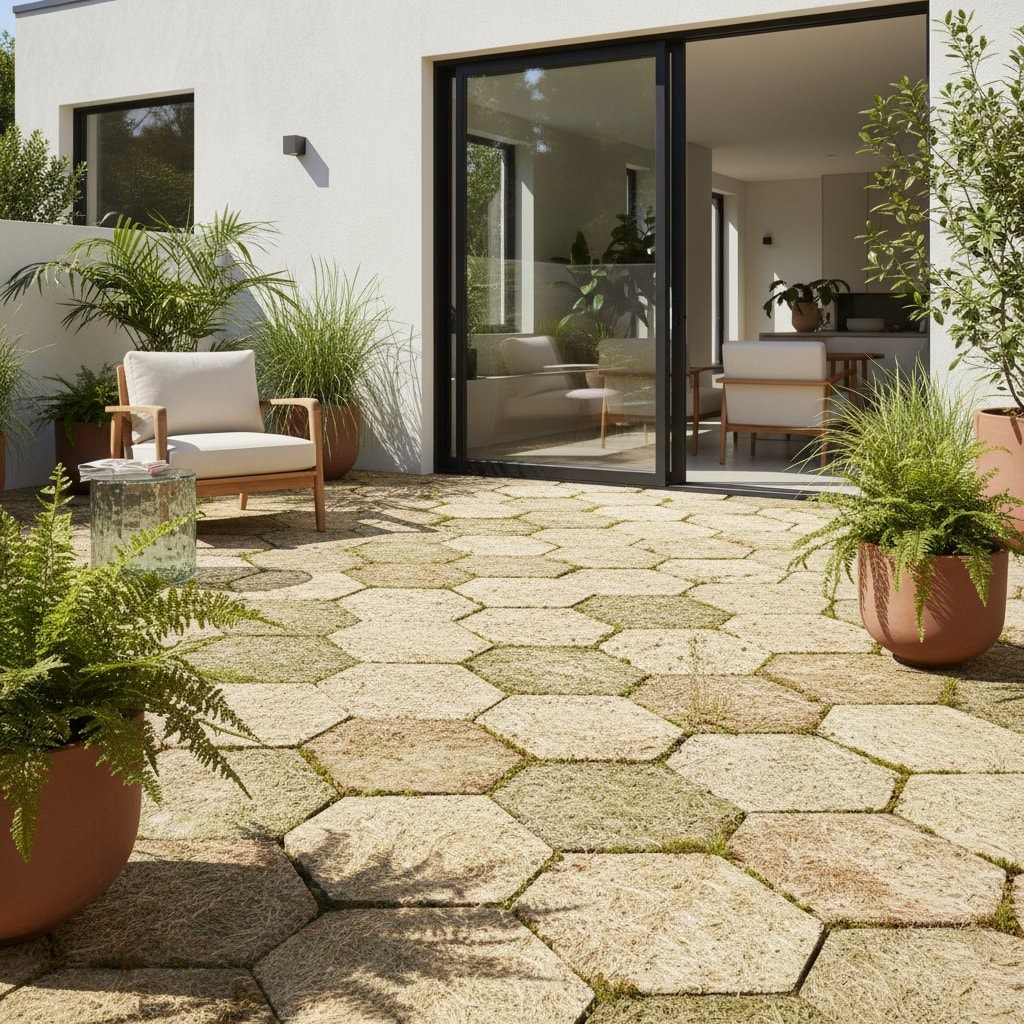
Mycelium forms the intricate, thread-like network beneath fungi that links plant roots and decomposes organic substances. Designers blend this mycelium with substrates like hemp hurds, straw, or wood chips from agricultural residues to create a resilient, foam-like composite. The blend inoculates into custom molds, where it expands over seven to fourteen days in a controlled, warm environment until it solidifies the intended form. Subsequent air-drying halts growth, preserving the interlocking structure for stability.
This process yields durable, fully biodegradable units resembling quarried stone or fired brick, yet with a fraction of the ecological burden. At the conclusion of their service life, typically after ten to twenty years depending on exposure, these pavers break down in compost systems, enriching soil with organic matter and averting landfill accumulation. Such attributes position mycelium pavers as a cornerstone for regenerative landscaping practices.
Advantages for Sustainable Hardscaping
Homeowners seeking to cultivate resilient, earth-friendly yards find mycelium pavers particularly compelling due to their multifaceted benefits.
Environmental gains encompass:
- Reduced carbon emissions through a low-energy production method that eschews kilns and cement binders.
- Utilization of renewable feedstocks, transforming crop stubble and forestry leftovers into valuable resources.
- Full biodegradability, enabling natural decomposition that replenishes soil nutrients and microbial activity.
On the practical front, these pavers deliver:
- Superior portability, with weights often half that of concrete equivalents, facilitating solo installation for smaller-scale endeavors.
- Enhanced acoustic and thermal performance via inherent porosity, which dampens sound and moderates surface temperatures in varying weather.
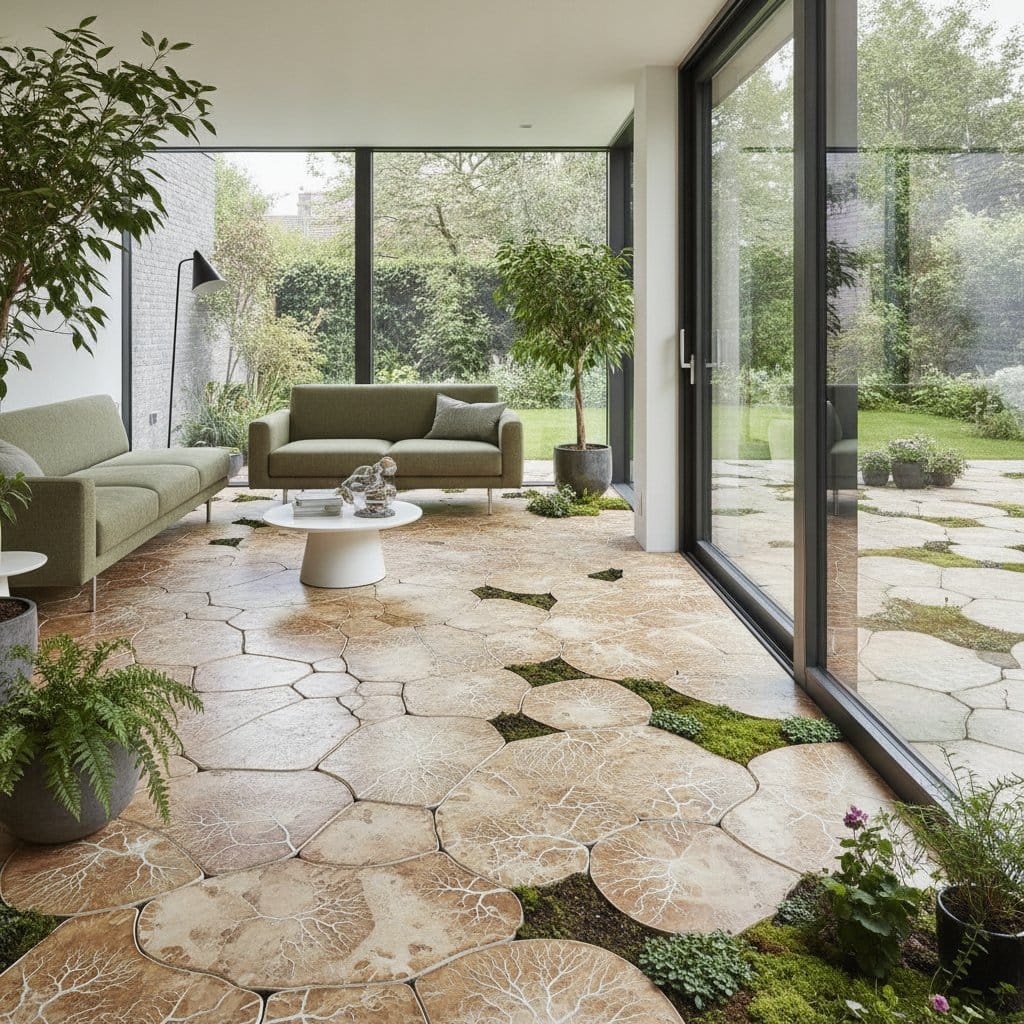
- Versatile customization, as the molding phase accommodates organic textures, curved edges, or embedded patterns to harmonize with diverse architectural motifs.
These qualities not only elevate functionality but also foster a deeper connection between built environments and natural ecosystems.
Comparison with Conventional Paving Options
Traditional concrete and natural stone pavers excel in compressive strength and longevity, yet their manufacture imposes substantial ecological tolls. Concrete fabrication demands vast quantities of water and fuel, emitting up to one ton of CO2 per ton produced. Stone extraction disrupts habitats through mining and incurs high transportation emissions from remote quarries. In opposition, mycelium pavers emerge from local, low-impact facilities, cultivated in weeks rather than extracted or cured over months.
A primary consideration remains load-bearing capacity. Mycelium composites withstand foot traffic and moderate pressures, ideal for pedestrian paths, seating areas, or decorative borders, with compressive strengths reaching 100-300 psi in optimized formulations. However, they suit lighter applications and require reinforcement for vehicular zones. Longevity varies by regional conditions; arid climates extend service life, while humid settings benefit from annual inspections and optional bio-based coatings to mitigate erosion.
Steps for Installation and Ongoing Care
The placement of mycelium pavers mirrors standard hardscape protocols, ensuring a stable foundation. Begin by excavating the site to a depth of four to six inches, then layer and compact gravel for drainage followed by a two-inch sand bed for leveling. Arrange the pavers in interlocking patterns, tapping them gently into place with a rubber mallet, and secure edges with polymeric sand or natural edging stones to prevent shifting.
Their reduced mass simplifies transport, often allowing one person to maneuver multiple units at once, which streamlines weekend projects. For enhanced stability in sloped terrains, integrate geogrid fabric beneath the base layer.
Maintenance emphasizes prevention over remediation. Weekly sweeping removes organic debris that could foster unwanted mold, while ensuring positive drainage averts water pooling. Apply penetrating sealants derived from plant oils annually to repel stains and UV degradation without impeding vapor permeability. Should damage occur from frost heave or impact, affected pavers compost easily, with replacements sourced from nearby suppliers to maintain the system's integrity.
Enhancing Landscapes with Mycelium Integration
Adopting mycelium pavers represents a deliberate choice to infuse landscapes with regenerative potential. These materials transcend mere surfacing, actively supporting biodiversity by allowing water infiltration and root penetration beneath installations. Gardeners might pair them with permeable joints filled with native seeds, creating living mosaics that evolve seasonally.
For urban dwellers or rural stewards alike, this approach aligns aesthetics with ecological stewardship. Consider trialing a modest pathway to assess performance firsthand, scaling up as confidence grows. Through such integrations, outdoor spaces become exemplars of harmony, where human design amplifies rather than overrides natural rhythms.