Living Fungal Pavers Offer Sustainable Pathways for Modern Gardens
Every garden reflects choices about how people interact with the land. Some choices appear in rigid stone or poured concrete. Others emerge from soil, roots, and living organisms. Living fungal pavers represent one such choice. These materials grow from mycelium, the root-like network of fungi, and they replace conventional hardscaping with a biodegradable surface that interacts with its surroundings.
How Mycelium Creates Usable Paving Materials
Mycelium consists of fine threads that spread through organic matter and bind particles together. When cultivated with agricultural waste such as straw, sawdust, or hemp, the threads colonize the mixture inside a mold and produce a solid block. Growth stops through controlled drying. The finished paver requires no high-temperature firing or chemical binders.
The process uses local waste streams and modest energy inputs. Once installed, the pavers remain permeable, so rainwater infiltrates the soil beneath rather than running across the surface.
Visual and Functional Qualities Over Time
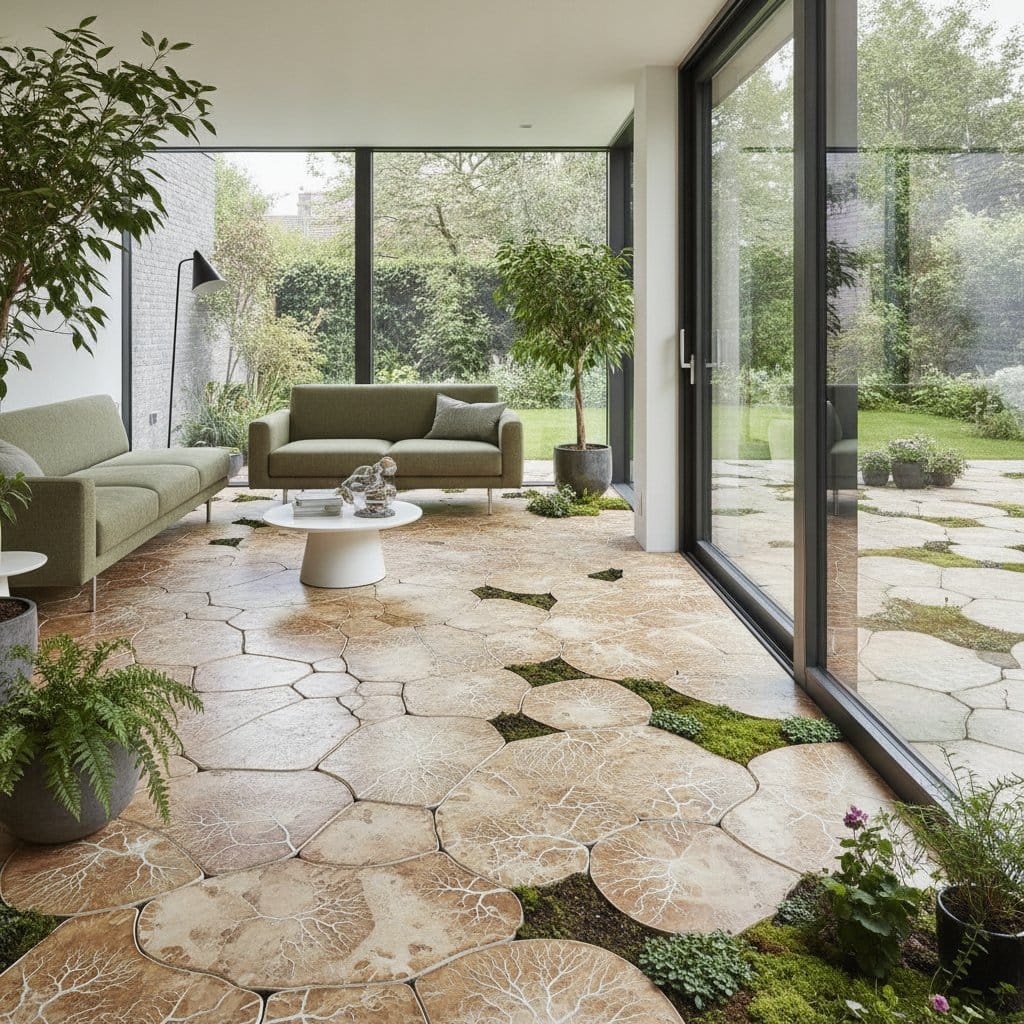
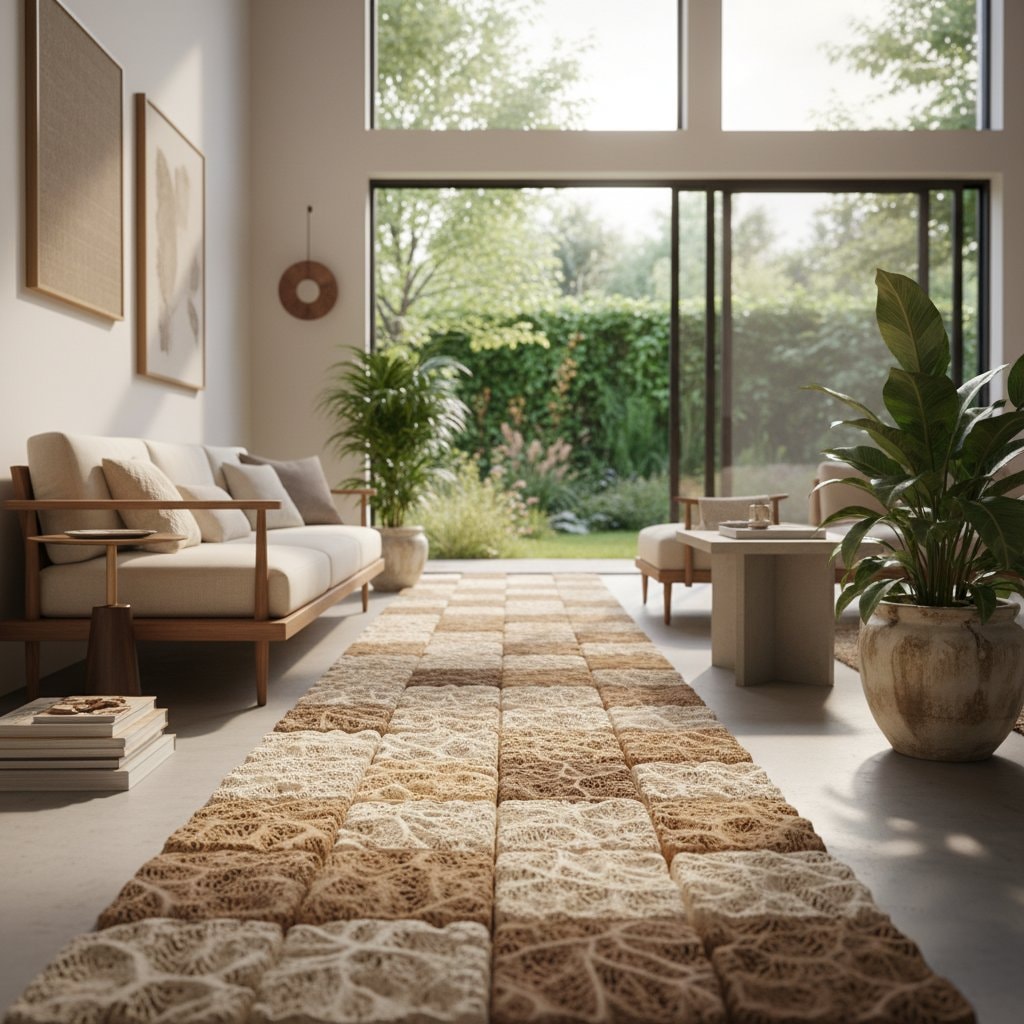
Mycelium pavers display subtle color shifts and textures that differ from uniform concrete. Surface variations can resemble limestone or aged clay. In suitable conditions, moss or lichen may colonize the material and add further texture.
This evolution suits gardeners who accept gradual change. A section that receives consistent moisture may darken slightly, while drier areas lighten. Such responses signal ongoing interaction with the local climate.
Side-by-Side Comparison With Standard Options
- Concrete pavers deliver high durability and low day-to-day care yet demand significant energy during cement production and shed water rapidly.
- Natural stone provides lasting strength and visual appeal but involves quarrying impacts and higher transport costs.
- Gravel remains inexpensive and simple to lay yet shifts underfoot and needs frequent replenishment or edging.
- Mycelium pavers weigh little, accept water infiltration, and return to soil at the end of service, typically lasting ten or more years with basic care.
Selection depends on traffic levels, desired maintenance, and the priority given to permeability and renewability.
Practical Steps for Installation and Design
Begin with a test section such as a short garden path or patio border. Observe performance through one full year of weather before expanding. Place units with narrow sand-filled joints to maintain drainage. Position edges near planted beds so ground covers can meet the pavers naturally.
Skip synthetic sealants that close pores. A light application of natural oil or beeswax can shed surface water while preserving breathability. Keep the material away from constant standing water and from vehicle routes.
Environmental Advantages in Daily Use
Production draws on renewable agricultural residues and avoids the carbon release tied to cement kilns. At the close of its service life, a paver can be broken apart and added to compost or soil. Permeability supports groundwater recharge and reduces erosion around foundations.
These traits align with landscapes that aim to work within natural cycles instead of overriding them.
Routine Care and Repair Practices
Sweep leaves and debris periodically to prevent pore blockage. Replace an individual damaged unit without disturbing the surrounding layout. In humid regions, improve airflow around the path to slow surface softening. Minor cracks sometimes accept a small amount of compost mixed with fresh spores, allowing the material to knit itself together again.
Integrating Living Pavers Into Your Landscape
A mycelium path becomes part of the garden ecology rather than a barrier across it. Seasonal shifts in scent, color, and firmness remind users that the surface participates in the same processes that govern the surrounding plants and soil. Homeowners who start with a modest installation often expand once they see how the material responds to their specific conditions and routines.