Introduction
Living fungal pavers represent a shift in how outdoor surfaces interact with the environment. Made from mycelium, the root structure of fungi, these materials create durable paths and patios that support natural processes rather than interrupt them. Homeowners gain surfaces that manage water, resist wear, and improve over time.
The approach suits properties where traditional concrete or stone creates runoff or heat buildup. Mycelium binds organic substrates into solid forms during controlled growth periods. Once installed, the pavers continue to respond to moisture and temperature changes in their surroundings.
Material Composition and Growth Process
Mycelium pavers start with agricultural byproducts such as sawdust or straw. Technicians inoculate the mix with fungal spores and place it into molds shaped for standard patio dimensions. Over several days the mycelium colonizes the substrate and forms a dense network that hardens into a lightweight block.
No synthetic binders or high temperature firing appear in the production cycle. The finished paver contains only natural fibers and fungal tissue. This composition allows the material to remain biologically active after installation, provided it receives occasional moisture.
Performance Advantages in Outdoor Settings
These pavers absorb rainfall directly into their structure and release it slowly into surrounding soil. The process reduces puddling on walkways and limits erosion along edges. Permeability rates exceed those of conventional brick or poured concrete by a wide margin.
Surface temperatures stay lower during summer months because the organic matrix retains some internal moisture. Cracks that develop from freeze thaw cycles can close as new mycelium growth fills gaps. The self repair occurs without external intervention when humidity levels remain adequate.
Practical Installation Steps
Site preparation begins with removal of existing hardscape and creation of a level gravel base. Installers lay the pavers with small gaps that permit air exchange and future expansion. A light top dressing of soil or mulch helps the material acclimate to the local microclimate.
Initial curing takes place over the first two weeks after placement. During this window, periodic misting encourages further mycelium development. Foot traffic should stay light until the surface firms completely.
Ongoing Maintenance Practices
Routine care centers on preserving biological activity. Periodic watering during dry spells maintains the internal moisture needed for regeneration. Organic debris such as leaves or grass clippings can remain on the surface because it supplies additional nutrients.
Avoid chemical sealers or pressure washing, both of which damage the living network. If sections become heavily compacted, light aeration with a garden fork restores airflow. Over several seasons the pavers integrate more fully with adjacent plantings and soil organisms.
Design Considerations for Residential Landscapes
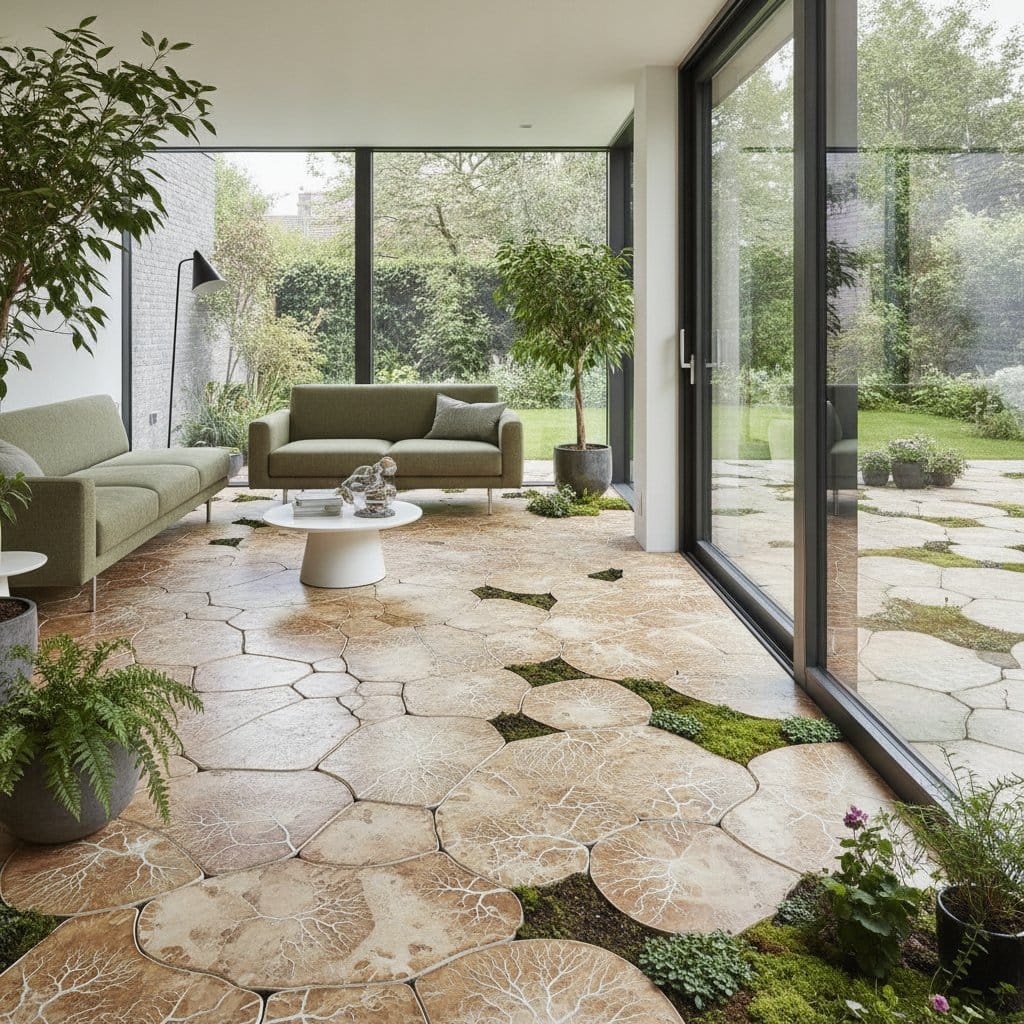
Color and texture vary naturally depending on the substrate used during growth. Earth tones predominate, allowing the pavers to blend with garden beds and lawns. Curved layouts and irregular patterns work well because the material tolerates minor shifting without structural failure.
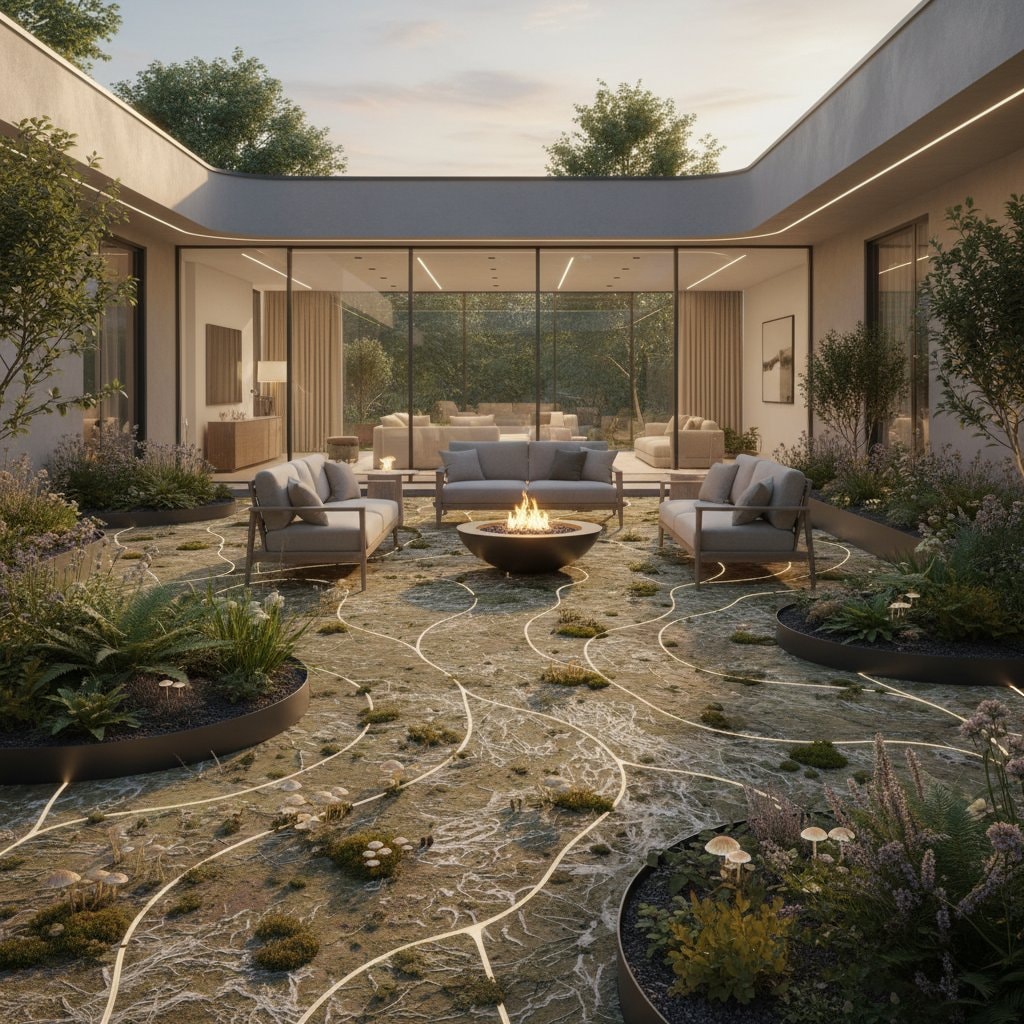
Combine the pavers with native ground covers along borders to increase overall permeability. Raised edges or timber borders help contain the installation while still permitting water movement. The result is a hardscape surface that functions as part of the larger ecosystem rather than a barrier within it.