The Smart Choice for Cost-Effective Outdoor Upgrades
Homeowners often envision patios and garden paths lined with elegant stone pavers, stamped concrete, or brick. These materials deliver impressive results, yet they demand significant investment. Decomposed granite, commonly known as DG, emerges as a versatile option that replicates this refined appearance at a minimal expense, enabling widespread adoption for enhancing outdoor areas.
Understanding Decomposed Granite
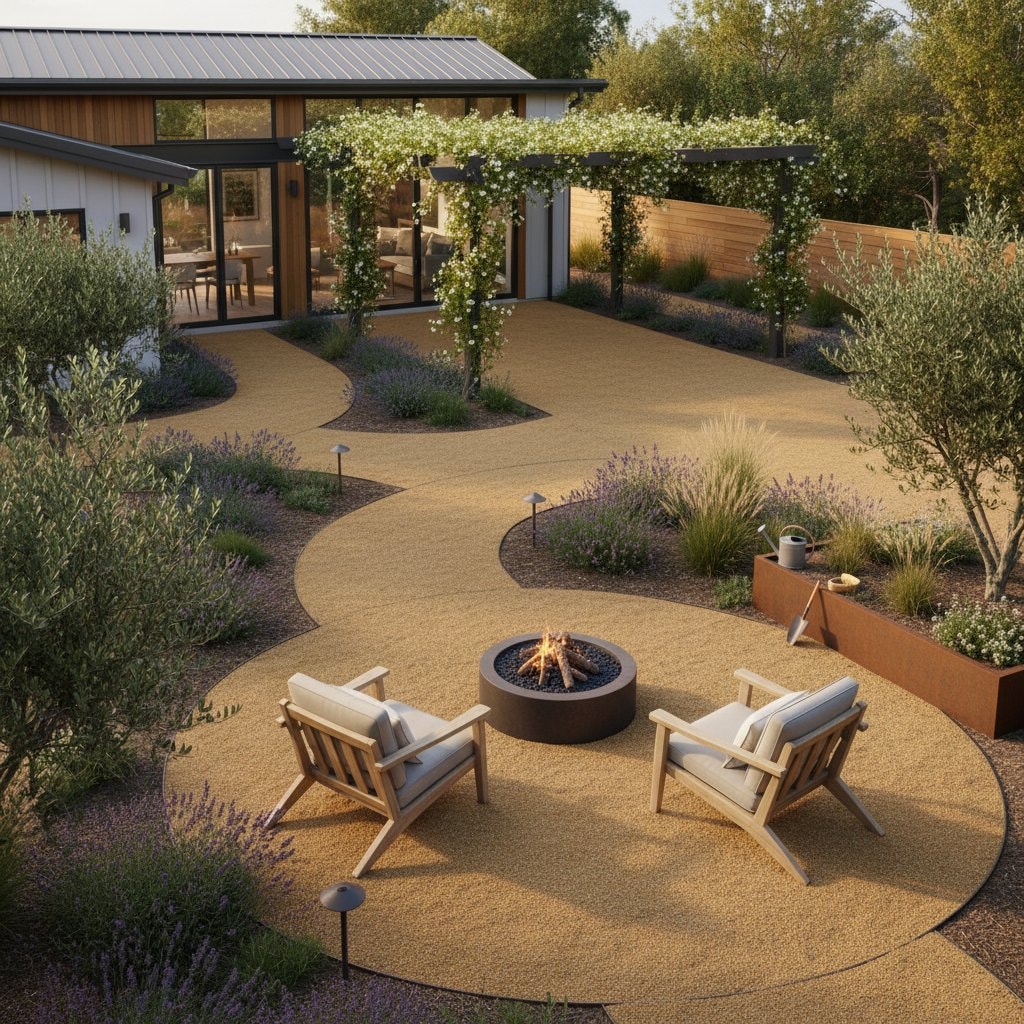
Decomposed granite originates from weathered granite rock, which fragments into a blend of fine dust, sand, and pea-sized stones. This composition yields a material available in hues like warm gold, neutral tan, cool gray, or rich reddish brown, allowing seamless integration with diverse home exteriors and plantings.
Once compacted, DG forms a firm, even surface that mimics natural terrain while providing stability for foot traffic. Professionals and DIY enthusiasts apply it to patios, walkways, driveways, and edging. Proper installation ensures excellent drainage, minimizing water accumulation and supporting low-effort upkeep.
Key Reasons to Select Decomposed Granite
Affordability drives the growing preference for decomposed granite among homeowners. It achieves the visual impact of traditional stone or gravel installations for considerably less. Materials typically range from one to three dollars per square foot, with professional installation adding one to two dollars more. In contrast, concrete or pavers often total ten to twenty dollars per square foot when fully installed, highlighting substantial potential savings.
Beyond economics, DG excels in usability, sustainability, and design versatility. The following factors contribute to its appeal:
- Economic efficiency: Reduced costs for materials and labor suit expansive projects.
- Organic integration: Subtle earth tones harmonize with surrounding greenery and architecture.
- Water permeability: Rainfall infiltrates the surface, preventing puddles and promoting groundwater recharge.
- Simple care routine: Periodic raking and replenishment suffice for sustained vibrancy.
- Accessible installation: Basic tools and moderate labor allow self-completion.
Versatile Applications for Decomposed Granite
Decomposed granite adapts to various outdoor functions, aligning with specific aesthetic and practical needs. Consider these primary uses to inspire your project:
Walkways and Garden Paths
Decomposed granite crafts inviting paths that complement any landscape style. The material offers a gentle texture underfoot, pairing effectively with embedded stepping stones or wooden borders for added definition. Aim for a compacted depth of two to three inches to secure a reliable, non-shifting walkway.
Patios and Gathering Spaces
Transform bare ground into a welcoming patio that flows naturally from your home. Decomposed granite serves as a standalone base or accents zones around furniture with contrasting pavers. Its drainage properties eliminate concerns over standing water, even after heavy showers.
Driveways and Access Routes
Opt for stabilized decomposed granite in vehicular areas to enhance durability. This variant incorporates a binding agent that fuses particles, resisting compression from tires while preserving an authentic, unpaved vibe. It withstands regular use without the rigidity of asphalt.
Borders and Planting Accents
Employ decomposed granite as a durable mulch substitute in garden beds. It deters weed growth, facilitates root-level watering, and imparts a polished edge to plantings, elevating overall curb appeal.
Step-by-Step Installation Guide
Success with decomposed granite hinges on thorough site preparation. Follow these steps for a professional outcome:
- Measure and plan: Calculate the square footage and select a color variant that suits your scheme.
- Excavate the area: Remove soil to four inches deep, ensuring a level foundation.
- Install the base: Layer one to two inches of crushed rock for drainage and support.
- Distribute the material: Evenly spread three inches of decomposed granite across the base.
- Compact thoroughly: Wet the layer lightly and use a plate compactor in passes until solid.
- Finish and cure: Add a one-inch topcoat, compact once more, and restrict access for 48 hours.
For stabilized versions, blend the binder per product guidelines and allow extended curing time. Test stability by walking the surface before full utilization.
Ensuring Durability Through Maintenance
Decomposed granite withstands years of exposure with basic attention. Foot traffic and elements may displace the upper layer periodically. Restore smoothness by raking evenly and applying a quarter-inch refresh of material annually.
Stabilizers mitigate dust in arid regions and erosion on inclines; apply them during installation or as a spray-on treatment. Install landscape fabric under the base to block weed intrusion. Routine debris removal via broom or leaf blower preserves the pristine condition.
Decomposed Granite Versus Traditional Options
Evaluating decomposed granite against alternatives clarifies its fit for your needs. Each material presents unique trade-offs in cost, installation, and performance.
- Concrete slabs: Offer unmatched strength for high-load zones but incur high expenses and risk cracks from settling soil. Decomposed granite provides comparable utility at lower cost with simpler fixes.
- Interlocking pavers: Deliver timeless style and longevity, though they require precise layout and bedding. Decomposed granite streamlines the process for quicker results.
- Loose gravel: Matches in price but shifts easily, creating uneven footing. Decomposed granite's compaction yields a more secure, walkable plane.
- Asphalt surfaces: Excel in driveways for smoothness under vehicles, yet clash with natural settings. Decomposed granite balances practicality with landscape harmony.
This material strikes an optimal balance, fostering innovative designs free from the constraints of rigid hardscapes.
Practical Considerations for Success
Decomposed granite suits most projects, yet assess these aspects upfront. In dry areas, unsealed surfaces may generate dust; stabilization addresses this effectively. Steep gradients demand reinforced edging to counter washout during storms.
Avoid it in spill-prone zones like barbecue areas, where cleaning proves challenging compared to solid surfaces. Proper edging with metal or plastic strips contains the material and enhances longevity. These precautions ensure the benefits outweigh any minor limitations.
Achieve Your Ideal Outdoor Haven
Decomposed granite empowers you to revitalize exterior spaces affordably and elegantly. Begin with a modest path to test its appeal, or scale up to encompass a patio or driveway overhaul. Select tones that echo your home's palette, and choose stabilization based on traffic levels. The result is a resilient, inviting area that enhances daily living while respecting your budget.