Introduction to Naturalized Lawns
Naturalized lawns represent a shift in outdoor design, emphasizing harmony with local ecosystems over uniform perfection. In 2026, these landscapes gain prominence as homeowners prioritize sustainability and ease. Composed of native grasses, wildflowers, and perennials, naturalized lawns require minimal intervention once established, offering a living tapestry that evolves with the seasons.
This approach contrasts with conventional turf, which demands frequent mowing, watering, and fertilizing. Naturalized options foster biodiversity, drawing pollinators and birds while reducing resource consumption. Homeowners discover a yard that not only enhances property aesthetics but also contributes to broader environmental goals.
Benefits of Adopting a Naturalized Lawn
One primary advantage lies in water conservation. Native plants adapt to regional climates, thriving with natural rainfall and eliminating the need for irrigation systems. This feature proves especially valuable in areas facing drought restrictions.
Chemical reduction forms another key benefit. Traditional lawns often rely on pesticides and herbicides to combat weeds and pests. Naturalized designs leverage plant diversity to create natural resistance, minimizing synthetic inputs and protecting soil health.
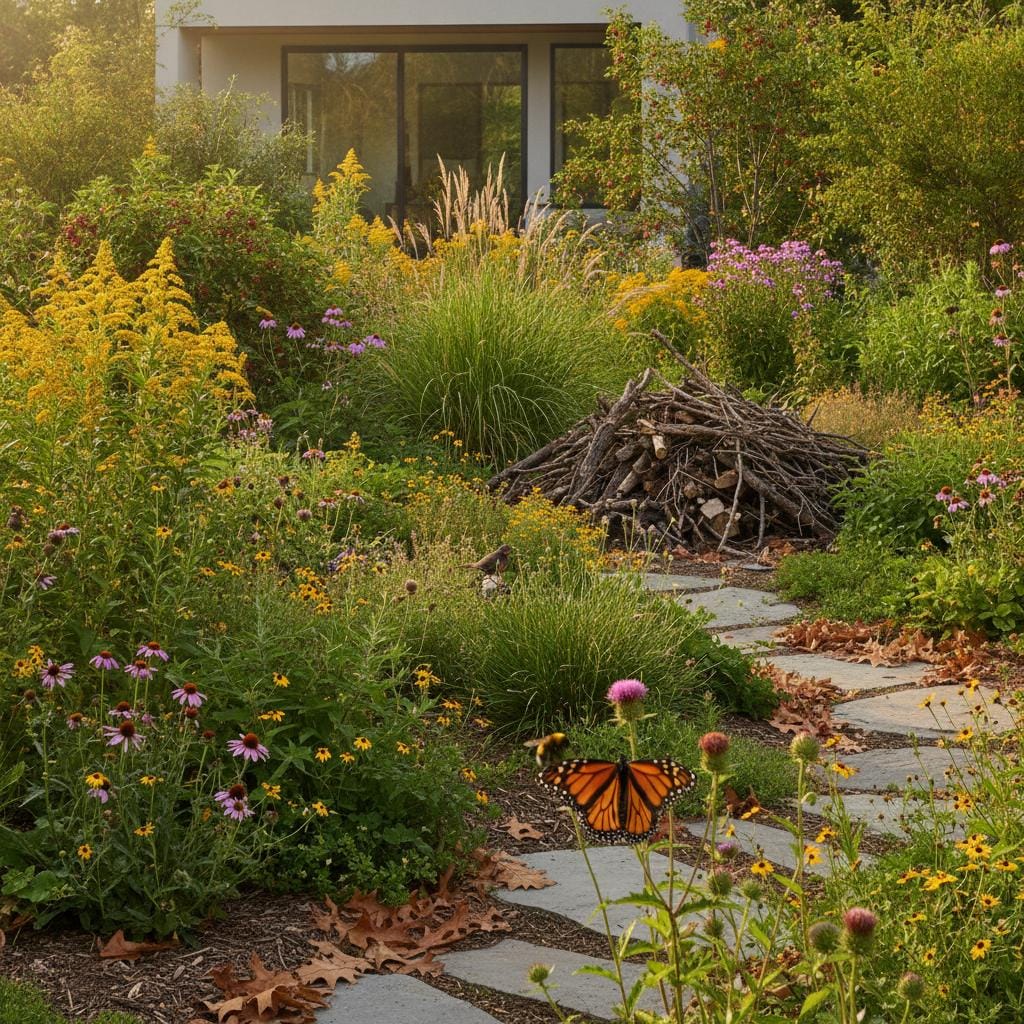
Biodiversity enhancement elevates the appeal. These yards attract butterflies, bees, and songbirds, creating a vibrant habitat. Over time, the space supports a balanced ecosystem, with layers of foliage providing shelter and food sources throughout the year.
Planning Your Naturalized Lawn
Begin with site assessment to understand soil type, sunlight exposure, and drainage patterns. Test soil pH and nutrient levels through local extension services for tailored recommendations. Select native species suited to your region, such as buffalo grass in prairies or fescue blends in temperate zones.
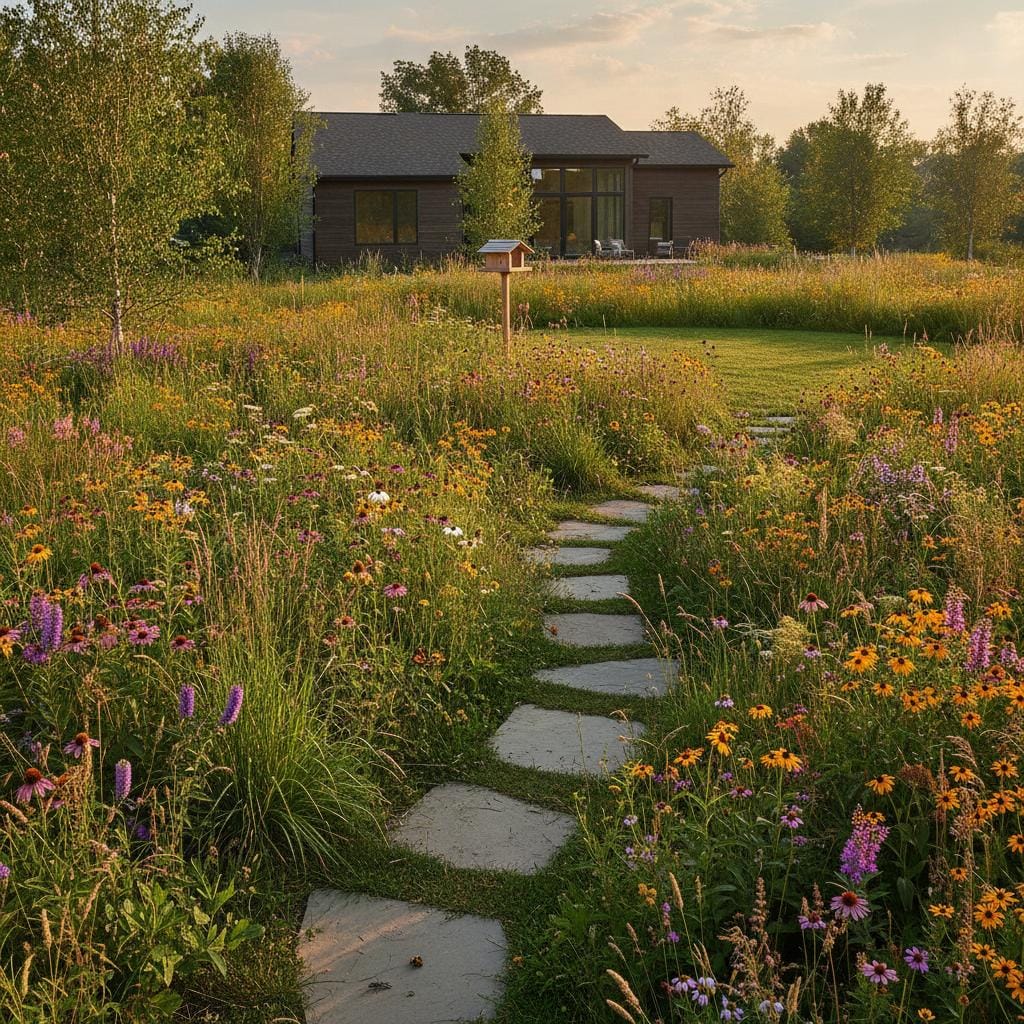
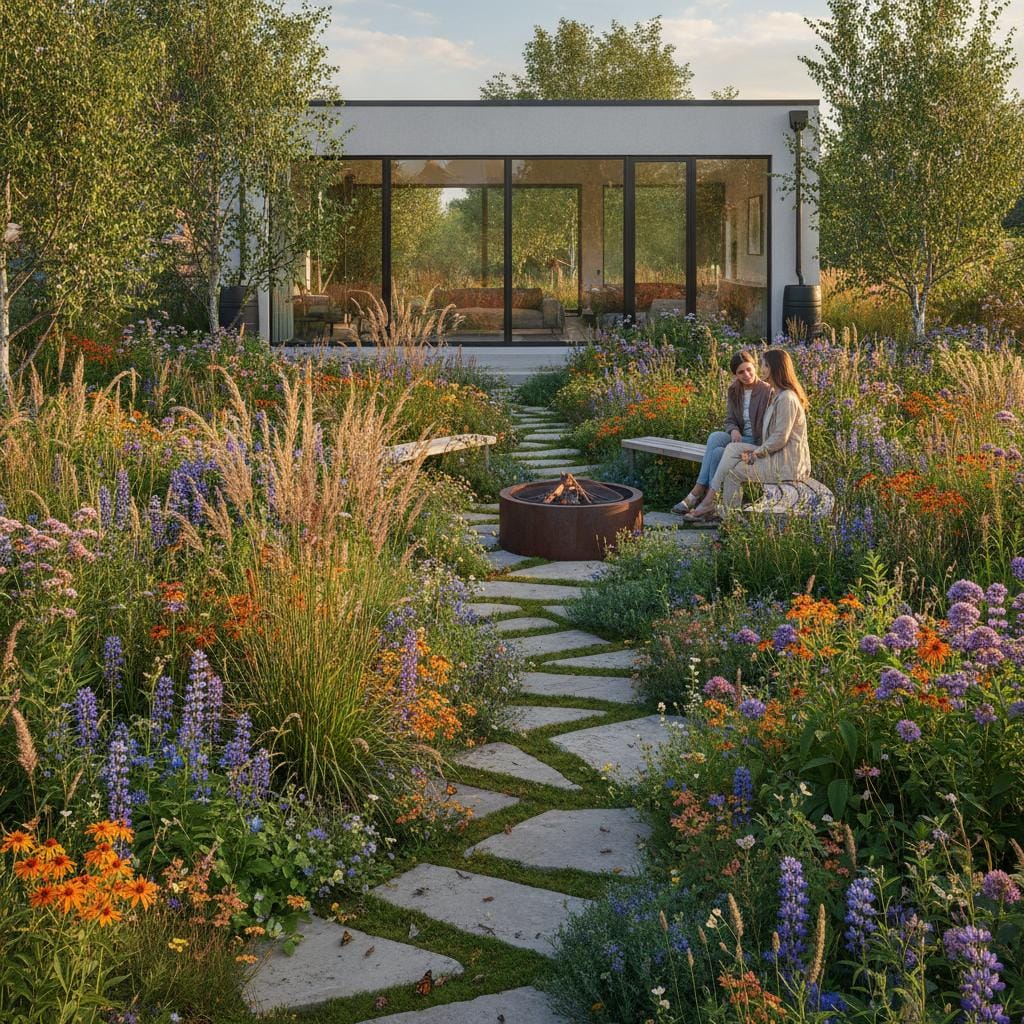
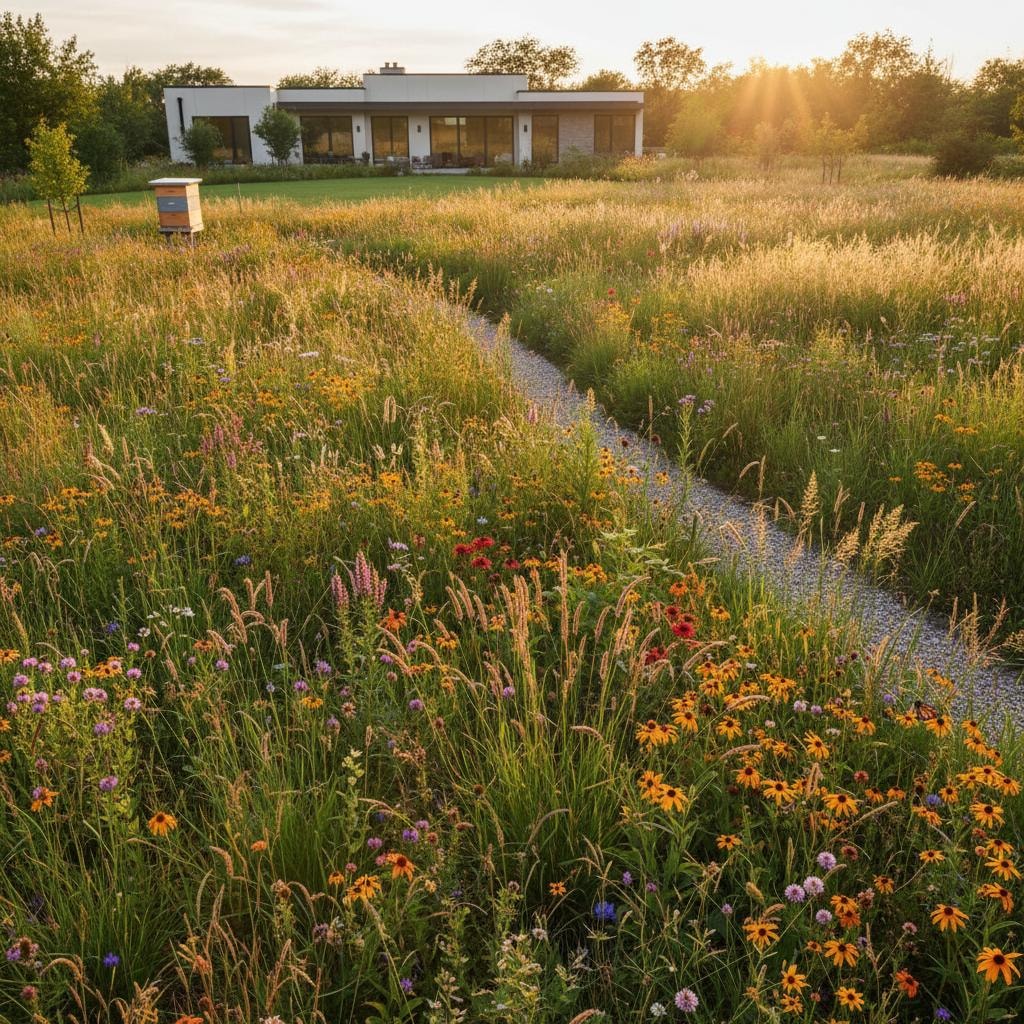
Sketch a layout that incorporates defined borders and focal points. Integrate meandering paths using gravel or mulch to guide movement and prevent a chaotic appearance. Consider layering plants by height: ground covers at the base, mid-height perennials in the middle, and taller grasses at the edges.
Budget for initial costs, which include seed mixes or plugs, soil amendments, and tools. Expect higher upfront investment compared to sod, but long-term savings from reduced maintenance offset this expense.
Steps to Plant and Establish
Prepare the area by removing existing turf through solarization or manual extraction. Cover the ground with clear plastic for six to eight weeks in summer to kill grass and weeds naturally. Alternatively, use a sod cutter for quicker results.
Amend soil as needed, adding compost to improve structure without over-fertilizing. Broadcast seeds evenly or plant plugs in a grid pattern, spacing them according to species guidelines. Water deeply but infrequently to encourage root development.
Protect the new planting from foot traffic during the first year. Mulch lightly to retain moisture and suppress weeds. Monitor for invasive species and remove them promptly to allow desired plants to dominate.
Avoiding Common Pitfalls
Weeds pose an initial challenge as the lawn transitions. Hand-pull persistent intruders and overseed with natives to outcompete them. Patience proves essential; full establishment may take one to three years.
Overwatering leads to weak roots and fungal issues. Stick to a schedule of one inch of water per week during dry spells in the first season, then rely on rainfall. Poor planning results in uneven growth; always match plants to site conditions.
By planning carefully and maintaining consistency in the first season, you avoid these common issues. Regular observation helps identify problems early, ensuring a successful outcome.
How Naturalized Lawns Affect Property Value
Some homeowners express concern that a less manicured appearance might diminish curb appeal. However, evidence suggests the reverse holds true. Well-executed naturalized yards distinguish properties through unique character and forward-thinking design.
Prospective buyers appreciate the associated cost savings and environmental advantages. Lower utility bills and maintenance demands appeal to eco-conscious individuals. Professional landscaping touches, such as neat edges and strategic plantings, signal intentional care rather than neglect.
Visible pathways and seasonal highlights further enhance perceived value. These elements frame the space, inviting exploration and showcasing dynamic beauty. In competitive markets, such features position the home as modern and desirable.
Why This Trend Persists
Naturalized lawns align with evolving attitudes toward residential landscapes. They deliver efficiency by cutting time spent on upkeep and lowering expenses on water and supplies. Environmental considerations, including decreased runoff and habitat preservation, resonate with community initiatives.
Homeowners value the vitality these yards bring. Rather than striving for flawless uniformity, individuals embrace a space that pulses with natural rhythms. This trend supports broader movements toward sustainability, making it a enduring choice for future-proofing properties.
Observing Seasonal Transformations
As your naturalized lawn matures, seasonal shifts reveal its depth. Spring ushers in tender green shoots and early blooms, signaling renewal. Summer unfolds with a profusion of flowers and swaying grasses, providing color and texture.
Autumn introduces seed heads and shifting hues, preparing for winter dormancy. Even in the off-season, structural elements like dried stalks offer interest and nourishment for wildlife. This progression creates a yard that demands admiration year-round.
Enjoying the Rewards of Your Landscape
Established naturalized lawns free up time for appreciation rather than labor. Observe pollinators at work or listen to evening choruses of insects. The space evolves into a personal sanctuary, blending beauty with purpose.
These designs not only enrich daily life but also contribute to neighborhood ecology. Neighbors may seek advice, fostering community connections. Ultimately, investing in a naturalized lawn yields enduring satisfaction and a legacy of stewardship.