Why Front Yard Farms Define 2026 Landscaping Trends
A front yard conveys a subtle yet profound message about its inhabitants. Traditional designs feature floral borders that extend a warm invitation or neat hedges that project formality. In recent years, however, a distinctive alternative has gained prominence: spaces dedicated to vegetables, herbs, and fruit trees rather than roses or turf grass. This front yard farm movement reshapes perceptions of aesthetics, utility, and social bonds simultaneously.
Redefining Curb Appeal
Curb appeal traditionally emphasizes balanced layouts, lush green lawns, and orderly planting beds. Such lawns require ongoing irrigation yet provide minimal practical value. Front yard farming introduces an edible alternative that harmonizes utility with visual appeal. Picture harvesting fresh lettuce for a midday salad or ripe strawberries each morning directly from your entryway.
The vibrant hues of kale, Swiss chard, and bell peppers can match the elegance of any floral arrangement. Homeowners sometimes express concern that edible gardens appear unkempt or overly casual in residential areas. Proper planning ensures refinement: group plants by foliage texture or hue to establish visual rhythm, and incorporate defined boundaries such as stone edging or compact hedges to impose structure. These elements create a deliberate, hospitable atmosphere.
Integrating Design with Productivity
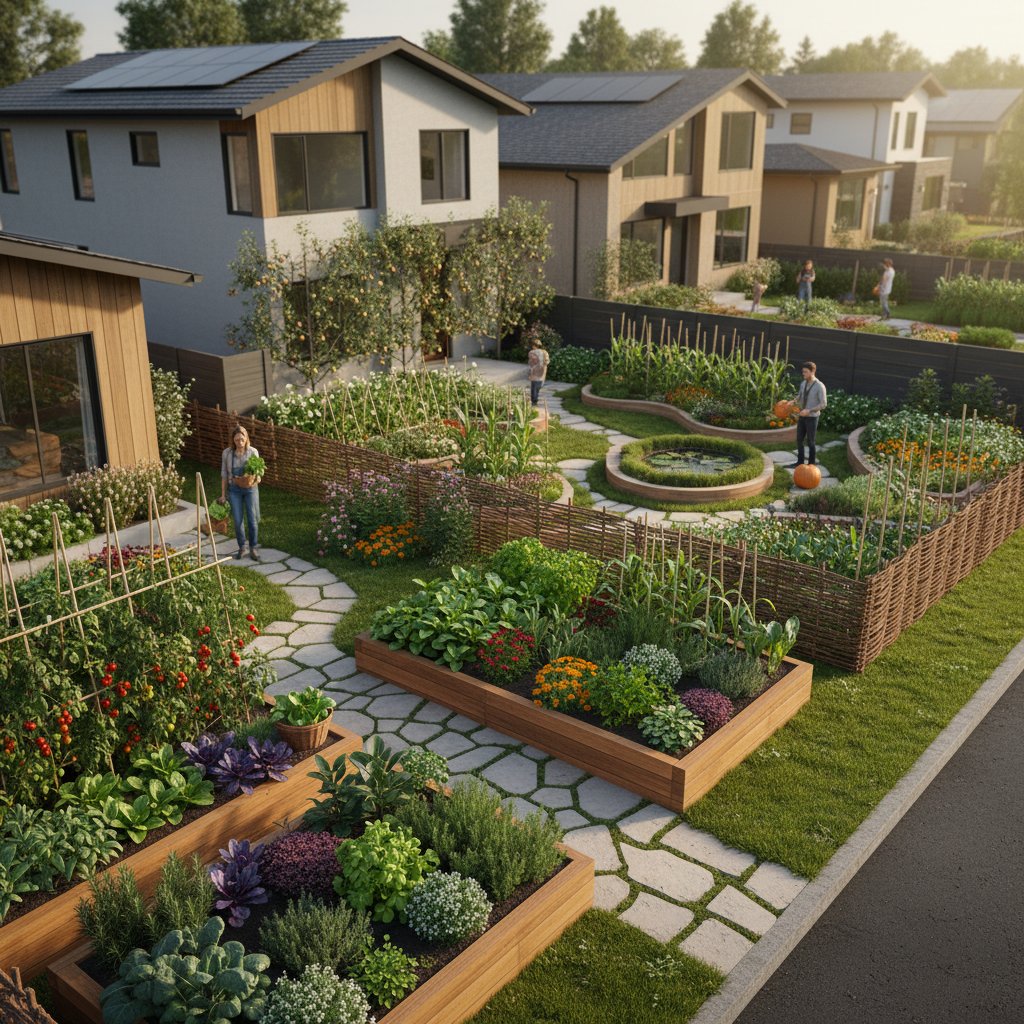
Front yard farms extend beyond mere food production to craft environments that pulse with vitality and align with their locale. Effective designs balance formal elements with organic movement, featuring rectangular beds outlined by gravel walkways or fruit trees shaped for architectural interest. Mulch trails or flat stones facilitate harvesting and maintain accessibility even after rain.
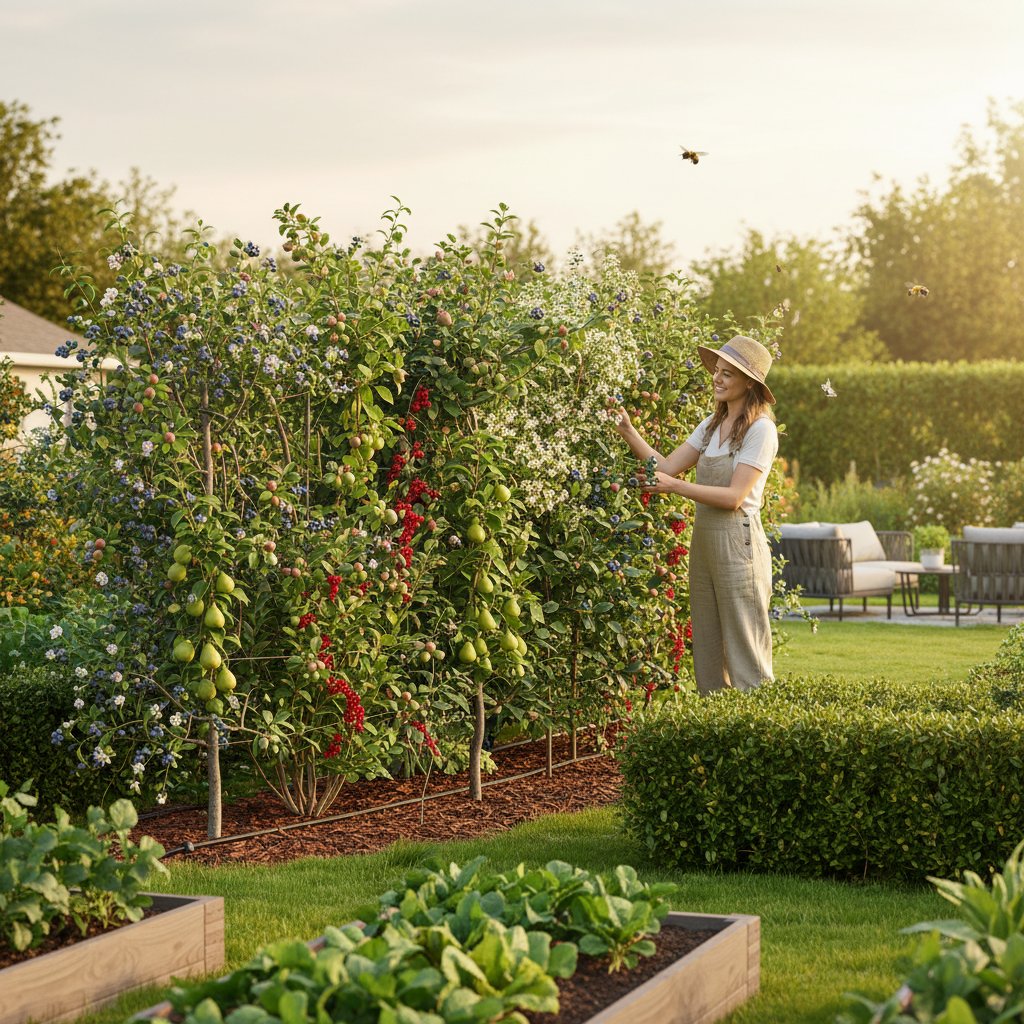
Incorporate companion ornamentals to enhance edibles: lavender, marigolds, and salvia draw beneficial insects while adding vivid accents. Blueberries or rosemary form neat borders at ground level, and vertical supports for beans or cucumbers introduce height and dimension. This fusion of form and function elevates the experience, as each element delivers aesthetic, aromatic, or nutritional contributions.
Echoing Evolving Priorities
The popularity of front yard farms mirrors broader transformations in outdoor space utilization. Gardens now serve as tools for autonomy and interpersonal ties, not mere adornment. Cultivating produce on-site minimizes food miles, promotes nutritious diets, and fosters robust soil ecosystems. These spaces also spark neighborly exchanges, from inquiries about techniques to swaps of surplus yields.
Daily oversight of growing vegetables instills a sense of stability. The front yard evolves into a tangible emblem of diligence and stewardship. Young family members gain insights into food origins, while adults reconnect with the fulfillment of hands-on cultivation. Beyond the bounty of harvests, routines like irrigating, trimming, and gathering cultivate a practice of attentive presence.
Steps to Establish Your Front Yard Farm
Transitioning to a front yard farm requires gradual implementation rather than immediate overhaul. Identify a sunlit section and substitute a lawn segment with an elevated bed or grouped containers. Select resilient starters like leaf lettuces, basil, or compact tomato varieties; these yield swiftly and tolerate consistent observation.
Build incrementally as skills develop: install berry shrubs beside pathways or train fruit trees flat against boundaries. Allow the layout to adapt based on successful varieties and preferred flavors. Maintain unity through recurring features, such as uniform stone borders or coordinated vessels, to unify expansion.
Practical strategies streamline the effort:
- Enhance soil quality. Amend planting zones with organic compost to optimize drainage and nutrient content.
- Assess light exposure. Vegetables thrive with at least six hours of direct sun; map shadow patterns throughout the day to select optimal spots.
- Design for convenience. Form pathways at least three feet wide for comfortable navigation, and position essential tools within reach to support routine maintenance.
- Optimize irrigation. Employ low-flow systems like drip lines or porous hoses to deliver moisture efficiently to roots, minimizing leaf wetness and disease risk.
These measures yield a harmonious, enduring garden without undue complexity.
Sustaining and Evolving Your Edible Landscape
An established front yard farm integrates into everyday patterns. Early mornings may involve inspecting ripening tomatoes, while late afternoons bring herb snips for meals or brief discussions with passing admirers. The area weaves into family life, maturing in tandem with its caretakers.
Adaptations occur naturally over seasons: relocate underperformers, permit volunteer seedlings, and introduce promising selections. This adaptability infuses the design with ongoing vitality. Responsive to climatic shifts and personal preferences, the space transcends its origins as simple sod to embody a dynamic testament to intentional nurturing.
Embracing Abundance Through Edible Design
Front yard farms herald a subtle shift toward intertwining aesthetics with intention in everyday environments. They encourage active engagement over observation, nurturing areas that nourish physical and emotional well-being. Initiate with a modest bed or herb collection to ignite enduring transformation.
Envision the ease of gathering ingredients steps from your entrance. This accessible prosperity propels the growing embrace of productive front yards.