Rewilding Your Lawn: Embracing the Eco-Friendly No-Mow Movement
Homeowners increasingly question the appeal of impeccably trimmed lawns. The concept of rewilding offers a compelling alternative, transforming yards into natural havens. By forgoing weekly mowing, individuals permit native grasses and wildflowers to flourish, yielding environmental gains, reduced effort, and enhanced visual interest.
Understanding Rewilding
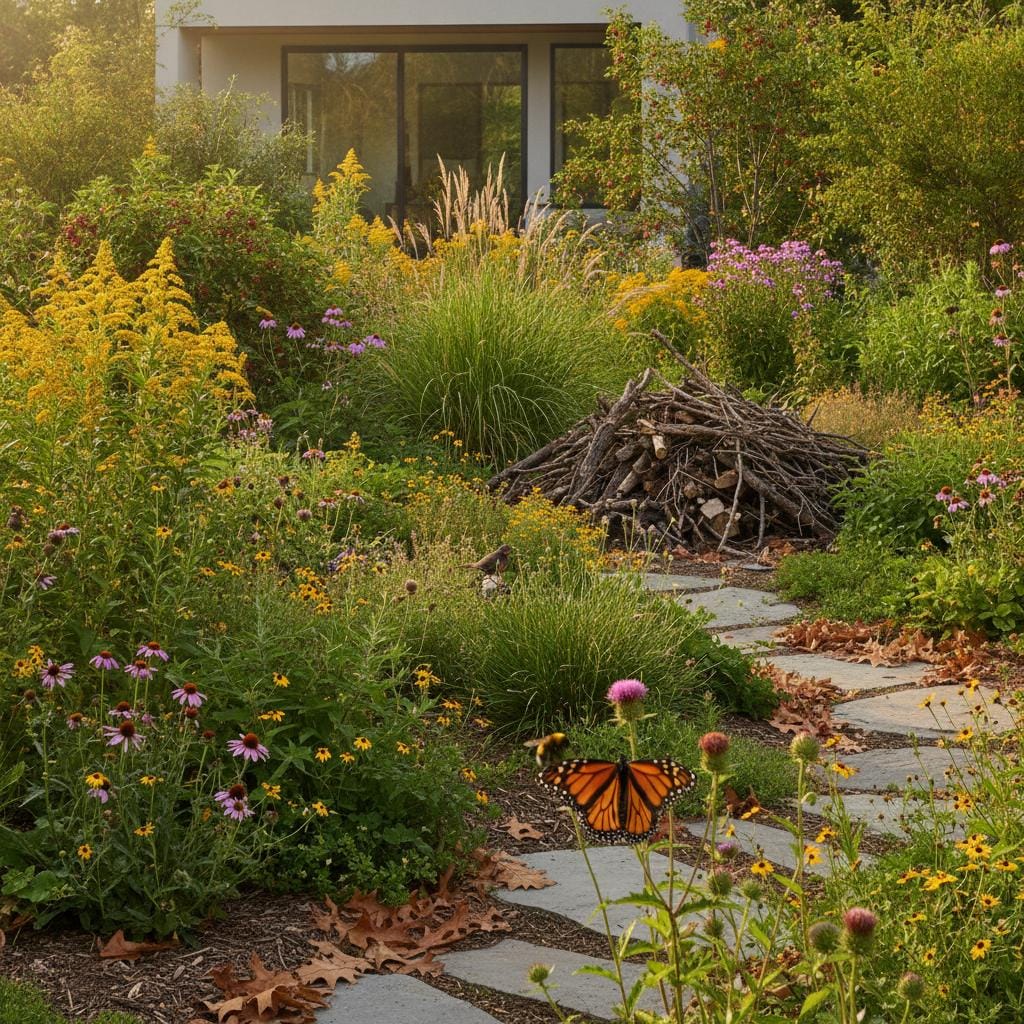
Rewilding involves relinquishing control over portions of your yard to native vegetation. Cease mowing designated areas to allow indigenous plants to emerge and establish. Gradually, wildflowers, clover, and resilient grasses populate the space, fostering habitats for bees, butterflies, and avian species.
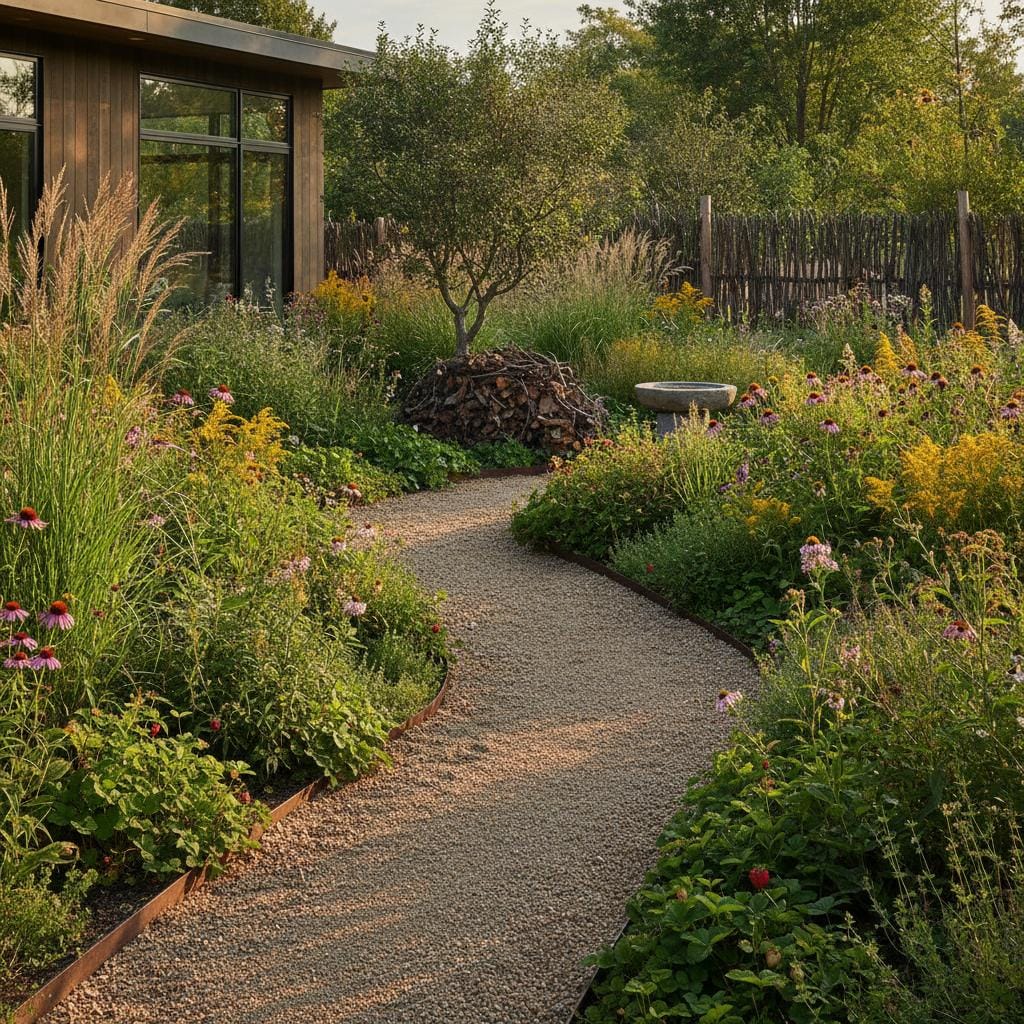
A rewilded area need not appear unkempt. Incorporate mowed edges, gravel pathways, or clustered plantings to impose structure. This method harmonizes usability with ecological restoration, ensuring the yard remains inviting.
Motivations for Adopting Rewilding
The demands of traditional lawn care often overwhelm busy schedules. Regular mowing, irrigation, and fertilization dominate weekends throughout spring and summer. Rewilding alleviates these burdens substantially.
Environmental advantages further compel adoption. Conventional turf demands excessive water and synthetic inputs. Diminishing mowing frequency conserves resources, while native flora improves soil vitality. These plants draw essential pollinators, vital for surrounding gardens and agricultural productivity.
Implementing Rewilding Step by Step
Approach rewilding incrementally to build familiarity. Begin with a modest plot, such as a backyard corner or perimeter strip, rather than overhauling the entire yard. Consider these initial strategies:
- Designate No-Mow Areas: Select a patch and halt mowing to observe natural regrowth. Wildflowers may surface within a single season, revealing the yard's inherent potential.
- Incorporate Native Seed Mixtures: Select blends tailored to local climates, featuring species like purple coneflower, black-eyed Susan, and common milkweed alongside prairie grasses.
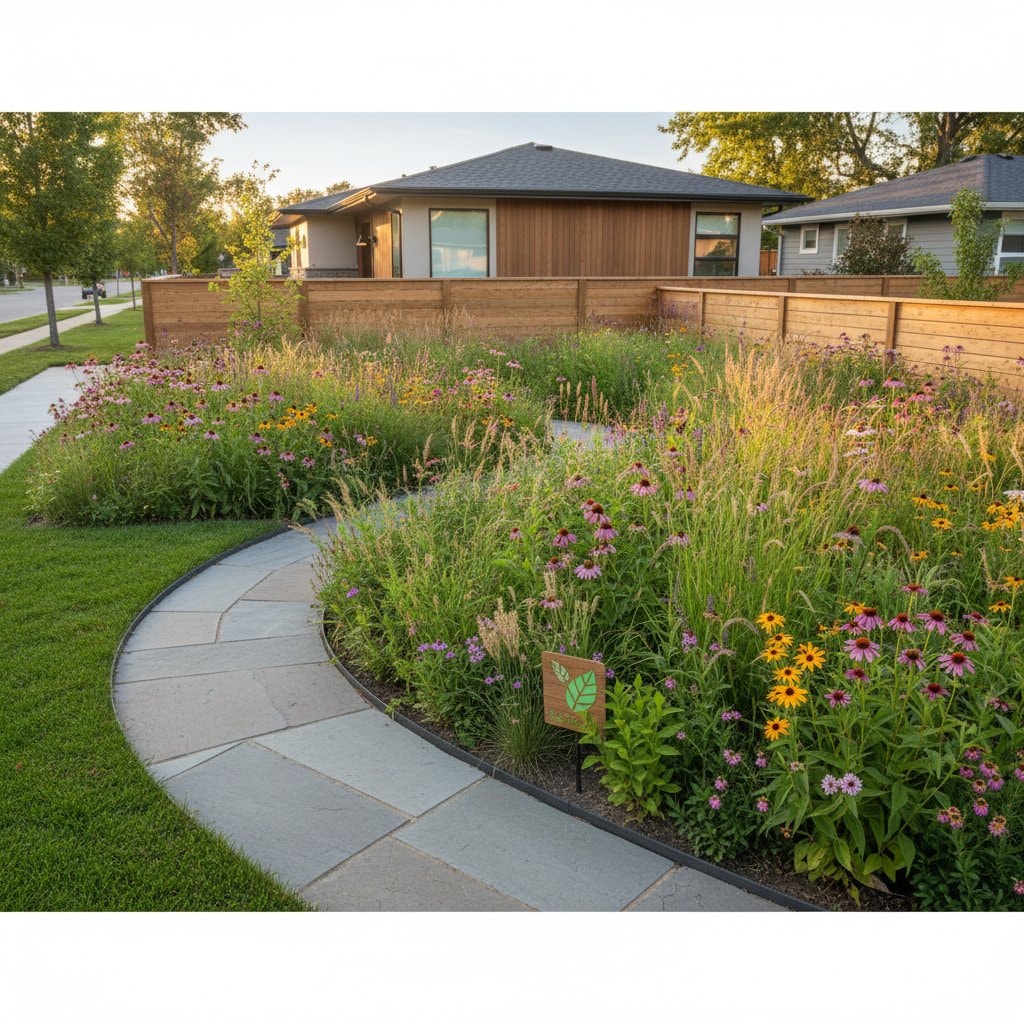
- Establish Clear Boundaries: Outline the zone with stone edging, brick borders, or compact shrubs to convey deliberate design.
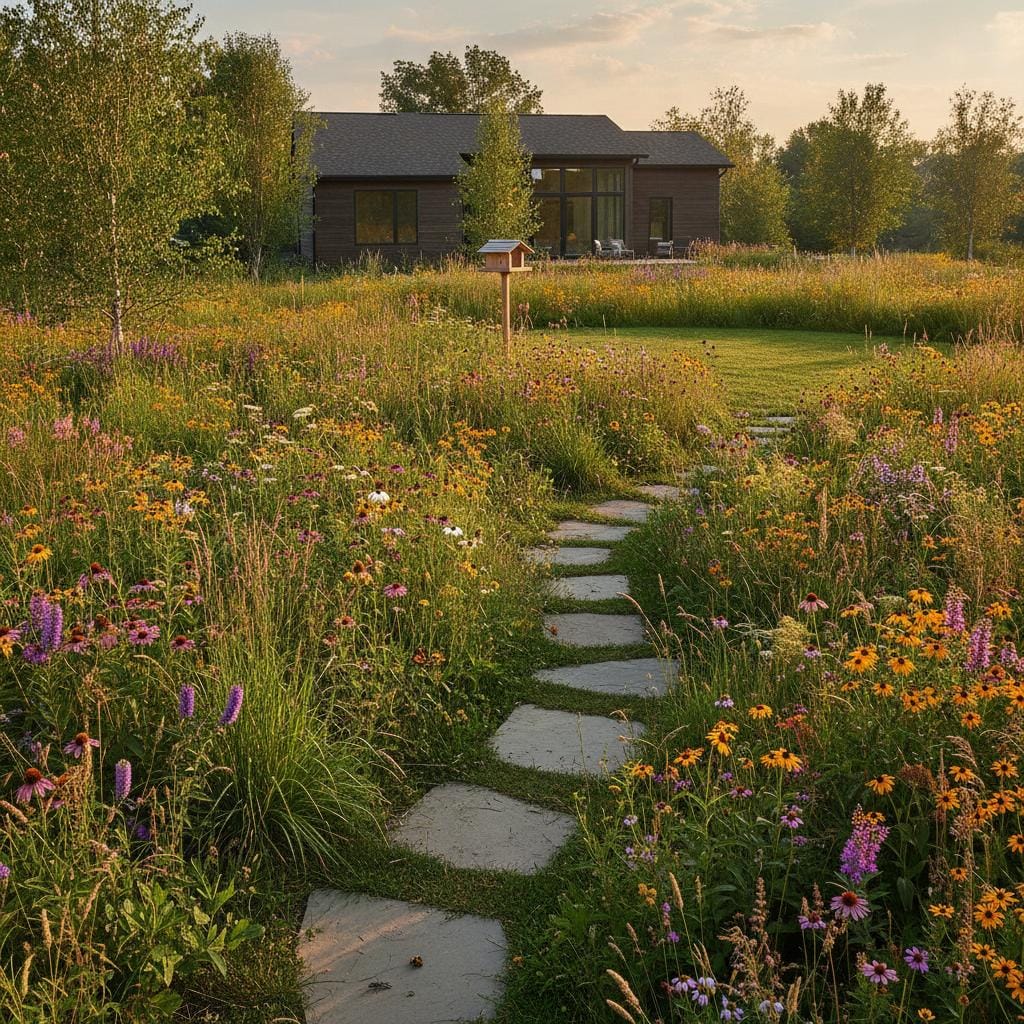
- Integrate Access Features: Maintain mowed trails or install stepping stones to facilitate navigation and seating amid the vegetation.
Financial and Effort Considerations
Rewilding typically proves more economical than sustaining turf grass. Eliminate expenses on gasoline, herbicides, and watering systems. Upfront investments center on soil amendment and seeding; basic native mixes range from $5 to $20 per pound, depending on composition.
Effort diminishes post-establishment. Perform an annual mow in late winter to suppress invasives and refresh growth. Initial weeding targets non-natives, after which the ecosystem self-regulates.
Selecting Appropriate Vegetation
Success hinges on regionally adapted plants. Native varieties endure local soils and precipitation without supplemental care. Optimal meadow compositions blend:
- Resilient Grasses: Options include little bluestem for texture, switchgrass for height, or fine fescue for subtle coverage.
- Seasonal Wildflowers: Choose varieties blooming sequentially, such as spring lupines transitioning to summer asters, for continuous vibrancy.
- Beneficial Groundcovers: Integrate nitrogen-fixing clover to naturally fertilize and suppress weeds.
Steer clear of aggressive non-natives that diminish biodiversity. Consult regional extension services or nurseries for precise recommendations suited to your zone.
Streamlined Upkeep Practices
Even rewilded spaces require oversight to thrive. Conduct a thorough cutback in early spring to remove debris and encourage renewal. For neater aesthetics, trim pathways seasonally.
Monitor for problematic intruders like thistles or ragweed, removing them promptly by hand. Irrigate sparingly during prolonged droughts; deep-rooted natives withstand aridity effectively. Refrain from chemical applications to safeguard insect allies.
Enhancing Aesthetics and Property Appeal
Concerns about perceived neglect often deter rewilding, yet intentional design counters this. Layered plantings and defined contours evoke a polished wilderness.
In progressive communities, such landscapes signal sustainability. They invite wildlife, infusing vitality into the yard. Distinctive meadows elevate curb appeal, differentiating from monotonous turf.
Experiencing Life with a Rewilded Yard
A thriving meadow introduces dynamic elements to daily life. Observe increased bird activity, butterfly congregations, and insect diversity. Seasonal shifts in bloom and texture provide ongoing fascination, while rustling grasses promote tranquility.
Complement the wild zone with structured gardens or edibles nearby. This juxtaposition balances cultivated precision with untamed allure.
Steps to Launch Your Rewilding Project
Commence with a trial area to assess suitability. Monitor progress and expand gradually as results affirm the approach.
Ultimately, a rewilded lawn evolves into a low-effort sanctuary that nurtures biodiversity and redefines outdoor enjoyment.