Front Yard Edible Gardens: Replacing Lawns by 2026
Homeowners increasingly view front yards as opportunities for more than mere decoration. These spaces evolve into productive areas that yield fresh produce while maintaining visual appeal. This shift reflects a broader movement toward sustainable living and self-sufficiency.
The transformation begins with recognizing the limitations of conventional lawns. Lawns consume significant resources without providing tangible benefits. In contrast, edible gardens offer nourishment, biodiversity, and a sense of accomplishment.
Reasons Lawns Lose Favor
Traditional lawns symbolize neatness, yet they demand extensive upkeep. Watering, mowing, and fertilizing consume time and resources. These practices often harm local ecosystems through chemical runoff and habitat loss.
Edible front yards address these issues directly. They require less water once established and support beneficial insects. Homeowners gain a functional space that aligns with modern values of efficiency and ecology.
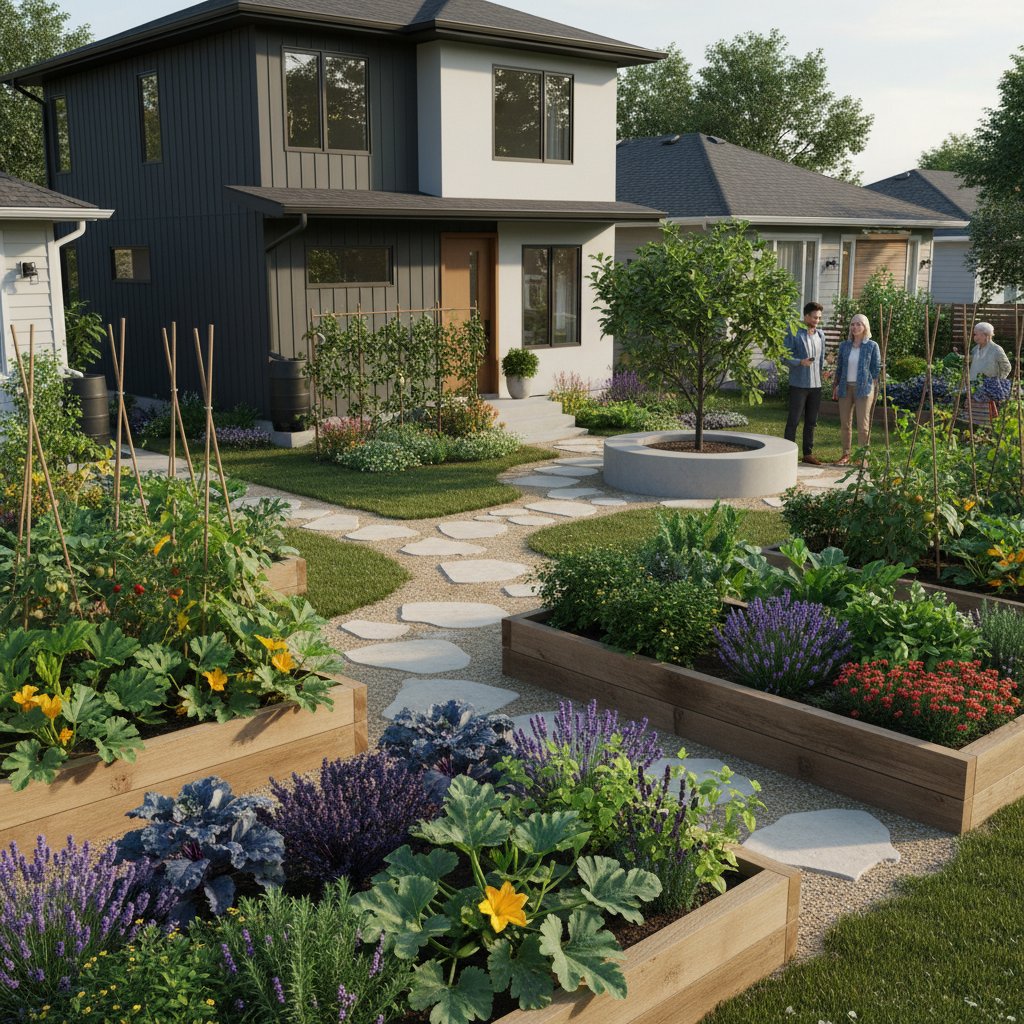
The philosophical change proves equally compelling. Beauty emerges from utility when raised beds outline pathways or fruit trees provide natural framing. Such designs invite admiration while serving practical needs.
Understanding Foodscaping
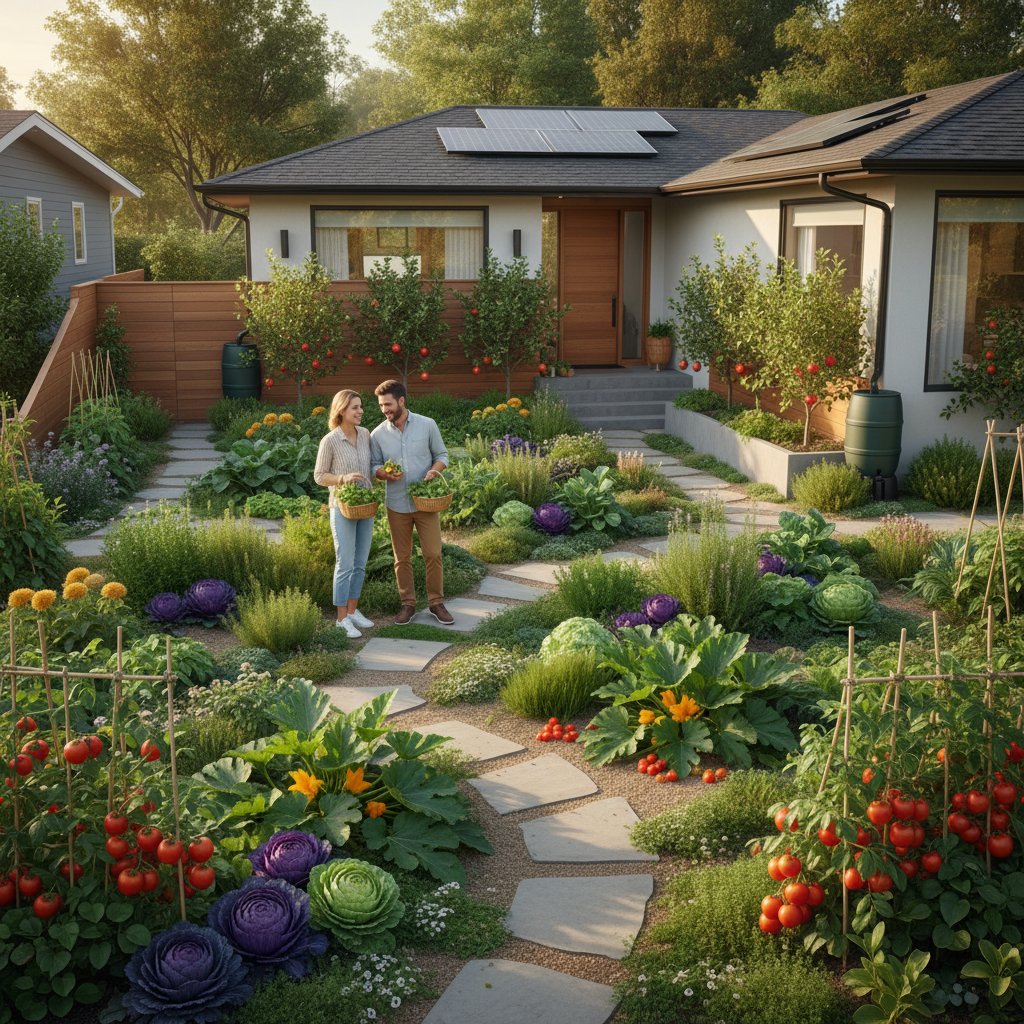
Foodscaping integrates edible plants into landscape design. This approach combines ornamental elements with crop production for a harmonious result. It suits various scales, from subtle additions to full redesigns.
Flexibility defines its appeal. Gardeners experiment with layouts that reflect personal style. Structured rows of greens bordered by herbs create formal elegance, while cascading vines and mixed plantings offer a relaxed vibe.
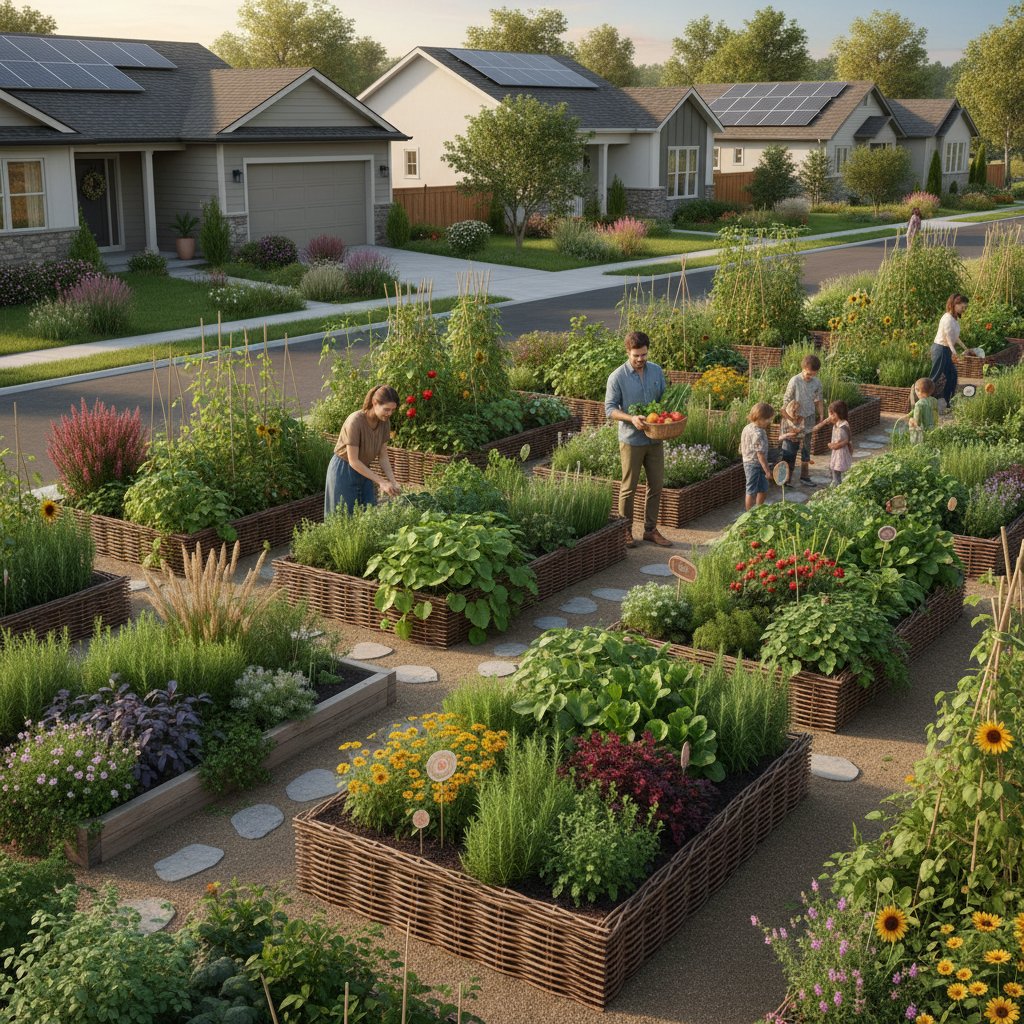
Community interactions enhance the experience. Neighbors often pause to inquire about plant choices or request samples. These exchanges build social bonds and inspire others to adopt similar practices.
Principles of Design for Aesthetics and Utility
Effective edible landscapes prioritize balance between form and function. Clear pathways and defined beds establish order. Varied plant heights and textures add depth and interest.
Consider these foundational steps:
- Develop a site plan that accounts for sunlight exposure, soil drainage, and traffic patterns.
- Integrate edibles with non-edible plants, such as pairing rosemary with perennials for added fragrance.
- Employ repetition of select species to unify the composition and avoid visual clutter.
- Select varieties with vibrant foliage, like multicolored Swiss chard, to rival floral displays.
- Arrange plants in layers, positioning taller elements like berry bushes to shade sensitive undergrowth.
These strategies ensure the yard remains welcoming and efficient throughout the seasons.
Selecting Suitable Plants
Plant choices hinge on local conditions including climate zone and soil type. Focus on resilient options that deliver both beauty and bounty.
- Herbs: Perennials like thyme and oregano edge borders effectively; annuals such as basil provide seasonal lushness.
- Leafy Greens: Quick-growing kale and spinach fill gaps between established features.
- Root Vegetables: Compact carrots and beets thrive in raised beds, offering colorful harvests.
- Fruits: Low-growing strawberries serve as ground cover; compact blueberries add vertical structure.
- Flowers: Edible blooms like nasturtiums introduce pops of color and draw pollinators.
Dwarf fruit trees, trained in espalier form, maximize space along fences. This selection creates a evolving tableau of textures and hues year-round.
Addressing Potential Obstacles
Neighborhood norms present an initial barrier. Review homeowner association rules early to ensure compliance. A tidy, thriving garden typically garners support over time.
Maintenance demands thoughtful management. Apply mulch to suppress weeds and conserve moisture. Install drip irrigation to streamline watering routines.
Soil amendment forms the groundwork for success. Incorporate compost to loosen compacted earth and boost nutrient levels. Annual additions sustain fertility as the garden matures.
Beginning on a Modest Scale
Incremental changes suit beginners. Dedicate a walkway border to herb plantings or a compact bed to salad crops. Containers accommodate trials in constrained areas.
Observe site dynamics during the first season. Track sun patterns, moisture retention, and visitor activity. These insights inform gradual expansions.
The Personal Rewards of Cultivation
Edible gardening fosters emotional well-being. Harvesting homegrown items instills a profound connection to the natural world. The routine nurtures patience and presence.
Sharing produce deepens interpersonal links. Offering fresh-picked items to visitors conveys generosity and sparks dialogue. Such moments enrich daily interactions.
Ecological Advantages
Edible yards promote conservation. They use water more judiciously than turf grass and minimize chemical inputs. Pollinator habitats flourish amid blooming edibles.
Incorporate native species to amplify benefits. Fruiting plants sustain wildlife, creating a supportive micro-ecosystem. This approach bolsters broader environmental health.
Achieving Visual Cohesion
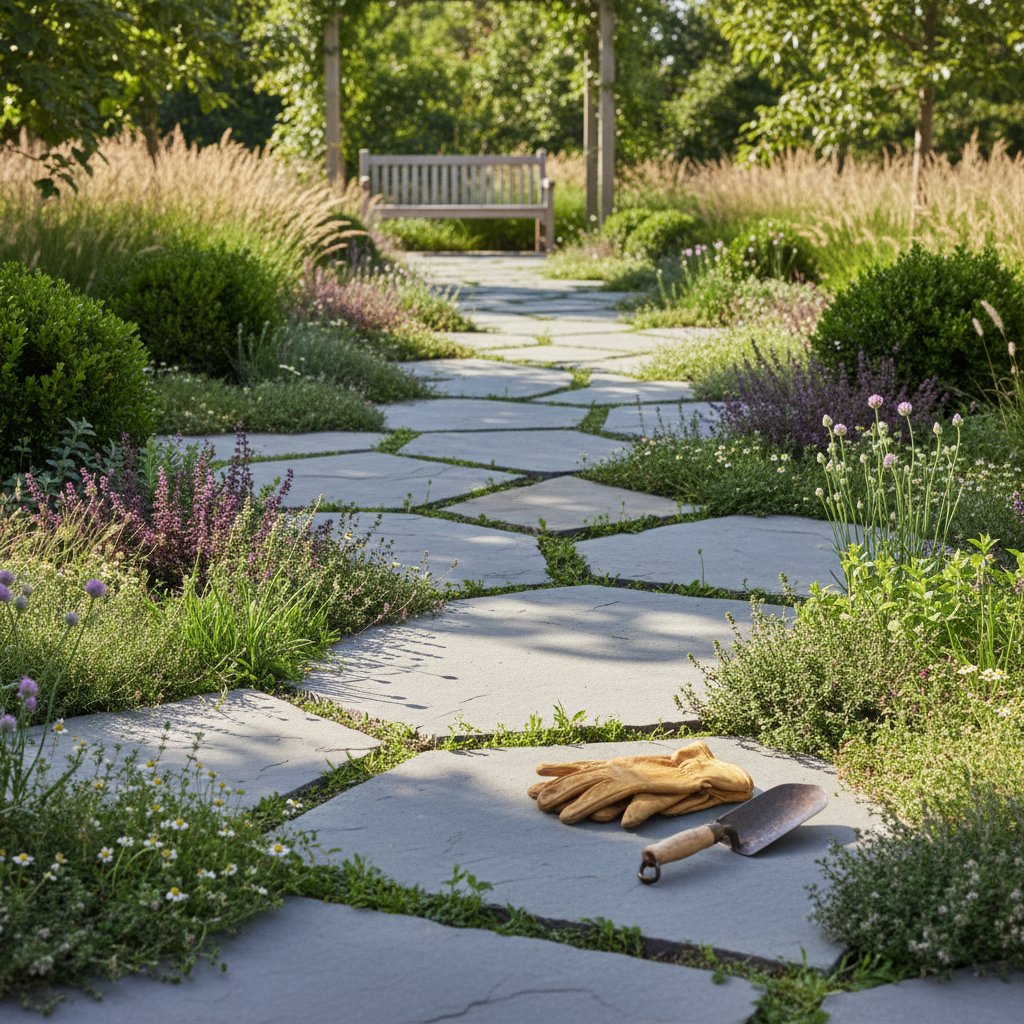
Structure prevents any perception of disorder. Edged beds and paved paths delineate zones effectively.
- Use materials like gravel or pavers for defined routes.
- Position pots strategically for accents and elevation.
- Rotate crops seasonally to maintain vitality.
These elements ensure a polished appearance that complements the home.
Integrating the Garden into Routine
An established edible yard enhances everyday life. It serves as a serene spot for relaxation or family activities. Adaptations occur naturally as needs evolve.
Regular assessment guides refinements. Adjust based on plant performance and usage patterns. This ongoing dialogue keeps the space vibrant and relevant.
Embracing the Transformation
Converting a front yard to an edible haven demands intention yet yields profound returns. It cultivates sustainability, community, and personal fulfillment. Begin with targeted plantings to discover the joys of productive landscaping.